Category: Auto News

Auto news – automobile industry news. Articles about all the latest car models and concepts. Breaking news, uncovered secrets.

  • Buick Unleashes Wildcat EV Concept

    2022 Buick Wildcat EV Concept

    Buick today unveiled the Wildcat EV concept — an expressive vision of the brand’s new design direction as it transitions to an all-electric future.

    The Wildcat was developed to convey the all-new design language that will influence Buick production models for the foreseeable future. Buick’s new tri-shield logo, mounted prominently on the body front and rear, symbolizes the design transformation and new production models will wear it starting next year.

    “The Wildcat EV concept represents the real design future for the brand,” said Sharon Gauci, executive director, Global Buick and GMC Design. “Buick has always been forward looking and this expression is a glimpse of where we’re going, and the optimism we have for the limitless possibilities of an electric future.”

    https://www.youtube.com/watch?v=WjrZvFab8u4

    The Wildcat EV concept also introduces a new, expressive face for Buick, distinguished by a bold, forward-leaning front-end appearance that features a low-mounted, trapezoidal grille. Sharp, high-mounted and horizontal check mark-shaped lighting flanks the vehicle, while the outer edges of the grille house primary lighting. The lighting elements are configured to create a unique welcome choreography when the driver approaches.

    Further, the vehicle — a 2+2 coupe — strikes a powerful, expressive presence, with an all-new, laid-back proportion complemented by a low, wide stance. The windshield wraps around and flows into the side glass, which tapers dramatically with the fast roofline to accentuate the aggressive profile.

    “From every angle, the vehicle looks like it’s ready to pounce,” said Bob Boniface, director, Global Buick Design. “It’s the result of careful attention to the proportions and sculptural beauty derived from the intersection of forms, not lines.”

    Additional exterior design highlights include:

    • Distinctive semi-swing doors for easy entry and exit.
    • Unique aluminum trim that appears to flow seamlessly into the interior seat structures.
    • Micro-LED lighting technology and thin-beam projector lenses for the front lighting.
    • Blade-style taillights embedded in the roof’s sail panels, culminating in check mark-style horizontal lamps that echo the front lighting signature.
    • An external “state of charge” indicator visible in the exterior hatchback glass.
    • Jet Age-inspired 18-spoke “turbine” wheels.

    “The more you look at the Wildcat EV concept, the more the details reveal themselves,” said Boniface. “Its timeless proportions acknowledge the brand’s rich design legacy, while our latest technology moves you forward.”

    A blend of modernity and warmth

    Inside, the Wildcat EV concept’s cabin has an inner glow that is inviting and comforting, all while integrating new technologies designed to make the riding experience more enjoyable.

    “It’s a space intended to strike an emotional chord,” said Therese Pinazzo, Buick exterior and interior design manager. “It is defined by simple, graceful forms that convey balance, harmony and a feeling of warmth.”

    The 2+2 configuration, delineated by a prominent console that extends from the base of the instrument panel to the rear seating area, uses unique graphic and color contrasts to create the perception of visually floating elements intended to accentuate the cabin’s lightweight feel and spaciousness.

    Color plays an important role in the warmth and comfort the interior conveys. Legato Green flows through the cabin and is accented with brushed or polished aluminum trim. Lively orange elements, including the seat belts, also add visual distinction.

    Additional interior design elements include cockpit-style seats with cantilevered headrests that appear to be floating, and a lightweight, flat-bottom steering wheel.

    When it comes to technology integration and infotainment interaction, a sweeping touchscreen is the access point on the instrument panel, along with a complementing screen on the console.

    The Wildcat EV concept is built to be a platform for futuristic features such as artificial intelligence, biometrics and aromatherapy. The vehicle is designed to detect an elevation in driver heart rate and automatically adjust vehicle settings to calm them down. For example, when Zen Mode is activated, it will dim the cabin lights, disperse calming aromatherapy scents and activate massaging seats.

    Everything about the concept is intended to convey what’s possible — in design, technology and the transformative experience of EV mobility.

    “We are on the cusp of true change, and this concept is a tangible vision of it,” said Gauci. “It inaugurates the next chapter in Buick’s design heritage, as we make the crucial transition to our all-electric future.”

  • Toyota Celebrates the Pure Sports Car with 2023 GR86 Special Edition

    2023 Toyota GR86 Special Edition

    Toyota is celebrating the pure fun of sports car driving with a limited-edition GR86 for 2023. The second-generation GR86, introduced for 2022, made headlines with a significant jump in power over the first-gen model, along with a more stirring design and tighter handling, all while keeping weight low and the price affordable.

    Built on the GR86 Premium grade, the 2023 GR86 Special Edition will leave an unforgettable visual impression with its Solar Shift orange paint color, which is exclusive to this model. A GR cat-back performance exhaust system with stainless steel pipes, black chrome tips and debossed GR logo ensures that the GR86 Special Edition will leave a deep, growling auditory signature in its wake.

    GR matte-black 18-inch wheels with black center caps and black lug nuts with Michelin Pilot Sport 4 tires, a black GR C-pillar graphic and Ultrasuede/leather trimmed interior with GR special edition badge accent the striking color. The 2023 GR86 Special Edition will be limited to just 860 units. It makes this limited-run appearance just as Toyota expands its GR sports car line, which also includes the acclaimed GR Supra, the first-ever 300-horsepower and rally-bred All-Wheel-Drive GR Corolla hot hatch – all of which will offer a manual transmission. “GR” stands for Gazoo Racing, Toyota’s motorsports and performance division.

    Sports Car Fundamentals, Nailed Again

    The second-gen GR86 built on the considerable cred of the first-gen, amping up affordable sports car fun with a new 2.4-liter engine that yields nearly 11% more horsepower and 18 more torque than the first-gen model’s 2.0-liter. The 2.4-liter engine delivers 228 hp (up from 205 in the 2.0-liter) and 184 lb.-ft. of torque (up from 156 over prior generation). Critically, the new engine is tuned so peak torque arrives far earlier in the powerband, at 3,700 RPM, versus 6,600 RPM before. The result is a more responsive and powerful driving experience in all situations.

    This more powerful engine improves zero-to-60 acceleration from 7.0 to 6.1 seconds for the 6-speed manual transmission, and from 8.0 to 6.6 seconds for the available 6-speed electronically controlled automatic transmission with intelligence (ECT-i). Fuel economy comes in at an EPA-estimated 20 city/27 highway/22 combined MPG for the manual transmission and 21 city/31 highway/25 combined MPG for the automatic.

    Toyota’s D-4S dual injection, which combines direct fuel injection and port-injection technologies, provides a cooling effect in the cylinders to allow a very high 12.5:1 compression ratio for maximum power. The port fuel injectors come into play during light- and medium-load conditions to help maximize combustion efficiency. The exhaust system’s larger center pipe capacity produces a satisfying growl, with augmented engine sound in the cabin from an Active Sound Control system.

    Two Grades of Toyota Value

    The special edition adds a third choice to GR86’s two grade lineup.

    The GR86 base grade sits on 17-inch, 10-spoke machined-finish aluminum alloy wheels wrapped in Michelin Primacy HP tires. Interior features include six-way adjustable black GR-embossed fabric with sport fabric side bolsters, along with textured vinyl and sport fabric trim on the dash and doors. Dual-zone automatic climate control, an 8-inch touchscreen multimedia system with six-speakers and an anti-theft system with engine immobilizer and alarm are also standard.

    The GR86 Premium grade rides on standard 18-inch, 10-spoke black aluminum alloy wheels with Michelin Pilot Sport 4 tires. To all the standard model’s equipment, the Premium adds a duckbill rear spoiler that sweeps up from the rear deck. Inside, black and silver accented six-way adjustable front seats feature two-level heating and perforated UltraSuede upholstery with leather side bolsters. Black and silver accents continue to the leather-wrapped steering wheel, shifter boot and parking brake handle.

    The Premium grade is upgraded to an 8-speaker audio system with an amplifier and features aluminum sport pedals and footrest. For those who want even more bass, a dealer or factory-installed 10-inch, 200W subwoofer is available for either grade.

    While the Solar Shift paint is restricted to the 2023 GR86 Special Edition, the other models offer a palette of seven dynamic colors: Track bRED, Halo White, Steel Silver, Pavement Grey, Raven Black, Neptune and Trueno Blue.

    Light, Strong and Taut

    For the second-gen GR86, the GR engineering team reworked the chassis and body to complement the increased engine performance. Strategic chassis reinforcements and use of structural adhesives resulted in a 50% increase in torsional rigidity over the prior-gen 86. A new full-ring rear frame ties the upper and lower chassis together, and a combination of high-strength steel, hot-stamped steel and aluminum is strategically used throughout the frame.

    More extensive use of aluminum in the body kept weight to just a few pounds over the prior-gen model, even with the new car’s added power, safety and comfort features. The GR86 uses an aluminum hood, front fenders and roof panel, versus just the hood for the prior-gen model. The increased use of aluminum in the body lowered the already super-low center of gravity by an additional 1.6mm. That seemingly small difference pays dividends in steering response and agility.

    The GR86’s low weight, ultra-low center of gravity and 53% front:47% rear balance combines to make for a pure driver’s car. The 2023 GR86 weighs in at just 2,811 pounds with the manual transmission, and 2,851 pounds with the automatic.

    Other examples of weight-shaving ingenuity for the second-gen GR86 include a resin fuel-filler door, new lightweight front seat frames, redesigned electric power-steering and changes to the driveline and engine block.

    Driven by Control

    The Electronic Power Steering (EPS) system with a column-mounted integrated motor and control unit reduces both weight and space. A rigid steering gearbox mount enhances the direct steering feel for the driver, and the quick ratio yields just 2.5 turns lock-to-lock for tight maneuverability.

    Sport-tuned independent MacPherson front struts feature refined damping performance and internal rebound springs to enhance handling characteristics. A double wishbone-type multi-link rear suspension employs stiffer springs and sport-tuned shock absorbers to provide planted, predictable handling. Both GR86 grades are equipped with power-assisted 11.6-inch front and 11.4-inch rear ventilated disc brakes.

    High Performance in with Manual or Automatic Flavors

    Sports car purists will love GR86’s 6-speed manual transmission. With the push of a button, drivers can engage Track mode or switch off Vehicle Stability Control (VSC). A carbon synchronizer improves shifts into 4th gear. The transmission uses low-viscosity oil and bearings for smooth shifting operability with the higher torque output of the 2.4-liter boxer engine.

    For the 6-speed automatic, steering-wheel-mounted paddle shifters offer enthusiasts a dynamic driving experience. Drivers can choose between Normal, Sport or Snow modes. When in Sport mode, the transmission senses brake and accelerator operation and vehicle behavior to automatically select the optimal gear, bringing drivers the control they want. Additional clutch discs and a new high-capacity torque converter allow for smooth delivery of the 2.4-liter engine’s higher power and torque.

    With either transmission, the GR86 comes equipped with a Torsen® limited-slip rear differential for improved traction while cornering.

    Driver-Focused Tech and Comfort

    The GR86 doesn’t sacrifice tech or comfort to achieve its fighting weight. A Smart Key System functions on both the driver and passenger door. A push-button start fires up a boxer-inspired GR-logo animation on its 7-inch Thin Film Transistor (TFT) multi-information display.

    Display content varies based on whether drivers are in Normal, Sport, Snow or Track mode. (Track mode comes with manual transmission only.) Selecting Sport mode illuminates a red ring around the speedometer for a racy look. Track Mode was developed with race driver input. When it is selected, the instrument panel prominently displays an RPM-band in the center, along with oil and water coolant temperatures and a lap timer.

    The small-diameter, leather-wrapped steering wheel integrates controls for the audio system, hands-free calling, voice-recognition system, display meters and cruise control. Power windows feature auto up/down and pinch protection. A split-opening center console provides two cup holders or storage as needed, with one auxiliary audio and two USB connections inside. The automatic transmission model also has an open storage area in the center.

    For both 2023 GR86 grades, the multimedia system comes with Wired Apple CarPlay® and Android Auto™ compatibility, Bluetooth® for hands-free phone capability, a SiriusXM® 3-month Platinum Plan trial and a trial access to a suite of available connected services (with additional subscription).

    Complimentary 1-year NASA Membership

    Purchase of a 2023 GR86 comes with a complimentary 1-year membership to the National Auto Sport Association (NASA). GR86 owners will enjoy a host of benefits, including one free High Performance Driving Event (HPDE) and discounted admission to NASA-sanctioned events.

    GR86 Safety and Connected Services

    The GR86 automatic transmission model comes standard with an active safety system that includes Pre-Collision Braking, Adaptive Cruise Control, Pre-Collision Throttle Management, Lane Departure Warning, Sway Warning, Lead Vehicle Start Alert and High Beam Assist.

    Both grades are equipped with: Vehicle Stability Control (VSC), Traction Control (TRAC), Anti-lock Brake System (ABS), Electronic Brake-force Distribution (EBD), Brake Assist (BA) and Hill Start Assist Control (HAC). Additional safety features include rear seat LATCH (Lower Anchors and Tethers for Children) and a Tire Pressure Monitor System (TPMS). Seven airbags include a driver’s knee airbag.

    Remote Services are available for enhanced safety and security. The Remote Connect package, which requires a subscription, includes engine start, climate control operation, vehicle locator, lock/unlock, diagnostic alert, monthly vehicle health reports, service usage reports and lights/hazard flasher/horn operation. Important for GR86 owners with young drivers in the household, the system includes geo fencing, speed alert and curfew features.

    The Safety Connect package, which also requires a subscription, includes enhanced roadside assistance, SOS emergency assistance, automatic collision notification and stolen vehicle recovery service.

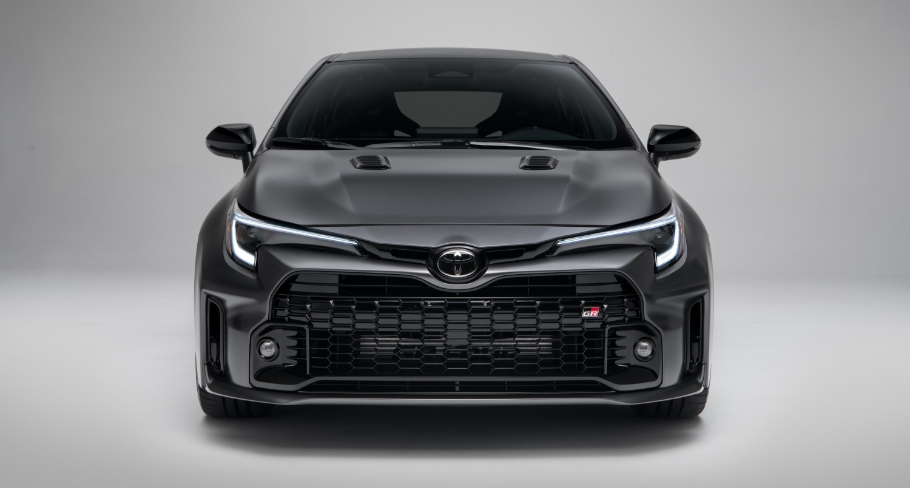
  • Toyota GR Corolla Goes Wild with MORIZO Edition

    2023 Toyota GR Corolla Morizo Edition - Front Angle

    How does TOYOTA GAZOO Racing squeeze even more excitement into the ultra-hot GR Corolla? Like any enthusiasts, they take it to the garage and figure out how to add power, reduce weight and enhance handling – all while keeping an eye on building a car that’s ready to jump from the street to the track. Then, after tweaking, testing and re-testing, they come away with a GR Corolla that can carry only one name: GR Corolla MORIZO Edition.

    The purpose-built MORIZO Edition adds even more heat to Toyota’s GR lineup, which includes the performance ready GR Corolla Core Grade, launch-year-only Circuit Edition, as well as GR Supra and GR86. The MORIZO Edition was named for GR Master Driver and Toyota president Akio Toyoda. This track-oriented version of GR Corolla was designed to meet specifications desired by Toyoda himself, with tight handling, a high power-to-weight ratio and a highly rigid body. Only 200 numbered-units will be produced for model year 2023.

    Like the Core and Circuit Edition, the MORIZO Edition comes in at 300 horsepower, with torque bumped up to 295 lb.-ft. versus the 273 lb.-ft. available in its siblings. TOYOTA GAZOO Racing engineers retuned GR Corolla’s engine for additional power, with peak torque coming in at 3250-4600RPM. The MORIZO edition has an exclusive close ratio intelligent Manual Transmission (iMT) and shorter differential gears for satisfying acceleration across the power band.

    GR Engineers removed nearly 100 pounds of weight versus the GR Corolla Circuit Edition model, preliminary curb weight is estimated at 3,186 pounds (GR Corolla Circuit Edition preliminary curb weight is estimated at 3,292 pounds). Primary weight reduction came from the removal of the rear seats, a forged carbon fiber roof (also used on the GR Corolla Circuit Edition) and forged wheels. The two-seater design also allowed for additional weight removal in the rear, with no rear door speakers or rear window regulator, even the rear wiper blade and motor were pulled to save every ounce.

    For tight handling, the MORIZO edition has extra-wide grip, Michelin Pilot Sport Cup 2 tires mounted on 18-inch forged alloy wheels with an exclusive matte black finish and TOYOTA GAZOO Racing logo on the rim. It will be equipped with red-painted monotube shock absorbers and have unique suspension tuning for a precision driving feel fit for racing.

    GR engineers have also increased rigidity, with two additional floor braces and one additional rear strut brace, and its frame has an additional 349 spot welds and over six meters more structural adhesive than a standard Corolla hatch frame. The MORIZO Edition comes equipped with the GR-Four All Wheel Drive system, with selectable 30-70, 50-50, and 60-40 front-to-rear wheel power settings for custom control. Dual limited slip differentials come standard.

    On the inside of the MORIZO Edition, drivers will find exclusive red and black Ultrasuede and leather sport seating with high bolsters and harness holes, and an Ultrasuede wrapped steering wheel with red sightline, shift knob and boot and parking brake lever.

    Two braces span the rear of the cabin for structural support, with ample space to fit four tires for a track day. It features the same 12.3-inch digital, color Multi-Information Display (MID) as the Core and Circuit Edition. Toyota’s new Multi-Media System with touchscreen and Toyota’s Safety Sense 3.0 (TSS 3.0) system come standard.

    On the outside it features functional venting, with MORIZO exclusive front brake ducts, and the same forged carbon fiber roof, vented bulge hood and GR-Four stamped side rockers on the Circuit Edition, and aerodynamic features like a flat underfloor and rear lip spoiler. It will be available in Windchill Pearl and a MORIZO Edition exclusive NEW matte finished Gray and be built at the GR Factory at Toyota’s Motomachi Plant. MSRP for will be announced later this year with availability at Toyota dealerships in 2023.

    Revolutionary 3-Cylinder Turbo Engine

    For GR Corolla MORIZO grade, we took the same turbocharged G16E-GTS powerplant used in the GR Corolla and bumped the torque. Displacing 1,618 cubic centimeters, it produces a maximum power of 300 hp and 295 pound-feet of torque.

    Compact and lightweight, the DOHC 12-valve engine features a single-scroll ball-bearing turbo that’s matched to a 6-speed intelligent manual transmission (iMT) with rev-matching engineered to accommodate high torque levels. TGR engineers adjusted the transmission gear ratios, differential gear ratio and engine tuning to support sustained acceleration at peak torque on the MORIZO edition. The turbocharger is integrated in the exhaust manifold, reducing weight, while control of wastegate bypass gases is used to improve the catalyst’s warm-up efficiency.

    The G16E also benefits from motorsport technologies that maximize performance, including multi-oil jet piston cooling, large-diameter exhaust valves and a part-machined intake port. Combustion is fed by Toyota’s D-4S direct and port fuel injection system, which operates at high pressure for maximum fuel dispersion and efficiency. This compact-yet-powerful three-cylinder engine has increased power for GR Corolla thanks to improved engine exhaust efficiency and a 3-piece muffler with valve capped off with brushed stainless steel tips. This design reduces exhaust pressure and outside noise, which are essential to backpressure performance.

    Wide, Rigid and Designed to Handle

    To achieve control worthy of the GR badge, a highly rigid body was specially constructed for GR Corolla. Based off the GA-C platform, it produced handling performance that rewards the driver. Enhanced rigidity comes from significantly more weld points in the frame, particularly to strengthen joints. Further gains are made through extensive use of structural adhesive, increasing the joint rigidity between component parts.

    The front suspension is a MacPherson-type strut design that offers both light weight and firm handling, maximizing the tires’ grip potential. Made up of circuit-tuned coil springs, monotube shock absorbers and stabilizer bars, the front suspension is designed to deliver all the engine’s power to the road and provide optimum cornering capability on all surfaces. The rear suspension uses a double-wishbone type multilink system that accommodates the AWD system’s goal of maximum agility and stability.

    Extra wide tread tires help ensure high cornering performance while maintaining the excellent high speed stability of the GR Corolla’s 103.9-inch long wheelbase. It has 10 more millimeters of tread width than its siblings and wears Michelin Pilot Sport Cup 2 tires that are mounted to 18” forged alloy wheels.

    Braking power comes from opposed, fixed-caliper disc brakes with 14-inch x 1.1-inch ventilated and slotted rotors outfitted with 4-piston red painted, GR-logoed aluminum calipers. At the rear, 11.7-in. x 0.7-in. ventilated rotors with 2-piston aluminum fixed-caliper disc brakes with red-painted calipers and GR logo are standard.

    The GR-FOUR System

    With all TOYOTA GAZOO Racing sports cars firmly rooted in motorsports, it only makes sense that the GR Corolla’s drivetrain was born from the rigors of rally racing.

    At the heart of the new GR Corolla is the GR-FOUR All-Wheel-Drive system, Toyota’s first sports all-wheel-drive system in over 20 years. Developed in collaboration with the TOYOTA GAZOO Racing World Rally Team and honed by WRC drivers, it delivers exceptional levels of traction and control with engineering designed to optimize drive power to each wheel, while also being simple and lightweight.

    Made for rally, the GR-Four system is designed for a variety of conditions. Whether the driver is looking to adjust performance for dirt, rain or snow, or just in the mood for a different feel, the GR-Four system offers settings to match.

    With the twist of a dial, GR Corolla can adjust four-wheel drive performance to fit the driver’s needs. For every-day situations, drivers can set a front/rear torque distribution of 60:40; for a more sport setting, balance can shift to the rear, with 30:70 distribution for a fun-to-drive quality on winding roads and circuits; and for maximum stability, a 50:50 setting can be used for fast, competitive track driving on circuits or special stages. In each mode, the torque balance will automatically adjust in response to the driver’s inputs, vehicle behavior and road or track conditions.

    The GR Corolla MORIZO Edition is also equipped with front and rear Torsen Limited-Slip Differentials (LSD) which offer enhanced cornering performance and grip with control of left and right-hand drive torque distribution on the front and rear axles.

    Lightweight and Aerodynamic

    Throughout the GR Corolla MORIZO grade, there has been a focus on saving weight to maximize the performance potential. This rigorous approach is particularly evident in the car’s construction, with extensive use of lightweight metals and materials used in key areas.

    On the MORIZO Edition, the roof is made of a forged (rather than woven) carbon sheet molding compound. This lightweight, highly rigid material keeps off the ounces that steel roof would bring and helps lower the car’s center of gravity.

    Aluminum is used for the hood and front door panels, with light and strong high-tensile steel in critical areas to help ensure the car’s structure can still safely absorb and dissipate impact forces.

    For the best possible aerodynamic performance, GR Corolla’s nose ascends to a tapering roof line. Wind flow is directed onto the rear lip spoiler to generate extra downforce. As with rally cars, the shaping of the front and rear canards and GR-Four stamped lower rockers efficiently channel airflow down the sides of the vehicle. Hood, fender and rear bumper ducts, and a flat underfloor reduce drag, add downforce and improve stability.

    Rally Ready Hot Hatch Style

    The wide stance and broad hatch exterior design of GR Corolla MORIZO edition projects a strong, attack ready style with its black GR badged functional matrix grill. Flanked by functional air ducts on both sides, the front grille comes in gloss-black and features integrated LED fog lamps with auto on/off LED headlamps and LED DRLs standard.

    The MORIZO Edition features wide front and rear fender-flares and a bulge hood with functional gloss-black air ducts. Front brake cooling vents are also standard. The Carbon Fiber roof matched with a matte-black roof mounted shark fin antenna. Gloss-black heated power outside mirrors with turn signal indicators, gloss-black window molding and black GR Corolla badges are standard.

    At the rear, it features a rear lower bumper cover with functional air vents finished in gloss black. The tapering of the roof and rear pillars are complimented by a high mounted matte-black rear spoiler. The wide track and flaring of the rear fenders emphasize the car’s wide and low silhouette.

    Race Inspired Interior

    The design of the GR Corolla’s interior reflects the car’s performance, particularly around the driver’s cockpit.

    Incorporating the feedback of professional drivers, a GR Full TFT meter was newly developed with a 12.3-inch color Multi-Information Display (MID) that has a GR meter with 4WD mode, turbo pressure, gear position indicator and tachometer. The brightly lit display is designed for easy-viewing in any condition and even features a start-up GR animation.

    The shift lever has a shortened stroke for a quick throw between gears. Positioned where the driver’s arm is naturally lowered from steering, the action is light with short shift strokes, adding to the performance quality. GR Corolla MORIZO Edition uses a pull type mechanical parking brake.

    The MORIZO Edition’s interior is finished in black with red trim details around the door handles, steering wheel and side air vents. Seating features Brin Naub® suede and synthetic leather trim with red stitching, accentuated by red mesh inserts and GR badged headrests with a 6-way adjustable driver’s seat. A GR Ultra Suede-trimmed tilt/telescopic sport steering wheel with audio, Multi-Information Display, Bluetooth® hands-free phone and voice-command controls comes standard. 

    For comfort and convenience, drivers will find automatic climate control and power front windows with one-touch auto up/down functionality. Additional features include a standard push button GR engine start/stop button, aluminum sport pedals, two USB charging ports, one 12V auxiliary power outlet, lighted foot wells, front console tray and rear console box and Qi-compatible wireless smartphone charging with full charge indicator light. 

    Toyota Audio Multimedia

    All GR Corollas feature Toyota’s all-new, North American developed Audio Multimedia system. Featuring an 8-inch touchscreen, the system offers an improved user experience and a wide range of enhanced connectivity and convenience features, including being Over-the-Air (OTA) updatable. Users can interact with the new system’s design through touch and voice activation. With Intelligent Assistant available through Drive Connect*, simple phrases like “Hey Toyota” awakens the system for voice-activated commands to search for directions, find Points of Interest (POI), adjust audio controls, change the cabin temperatures and more.

    The cloud-based native navigation system also offered through Drive Connect allows for real-time Over-the-Air updates for mapping and Points of Interest (POI), and Google POI data is integrated to ensure up-to-date search capability.

    Toyota Audio Multimedia allows for simultaneous dual Bluetooth phone connectivity with support for wireless Apple CarPlay® and Android Auto™ capability. A Wi-Fi Connect subscription offers 4G connectivity for up to five devices. Adding to the already robust offering of audio playback ability with HD Radio, USB data and a SiriusXM® Platinum Plan 3-month trial subscription, Wi-Fi Connect also enables the new Integrated Streaming feature, providing the ability to link your separate Apple Music® and Amazon Music subscriptions to the vehicle for onboard control.

    The GR Corolla MORIZO Edition offer a host of additional Connected Services. Safety Connect includes an Emergency Assistance Button (SOS), 24/7 Enhanced Roadside Assistance, Automatic Collision Notification, Stolen Vehicle Locator and Collision Assistance comes with a 1-year trial service. Service Connect offering drivers the capability of receiving Vehicle Health Reports, Maintenance Alerts and reminders come with a 3-year trial.

    Safety & Other Technology

    All GR Corolla grades come standard with Toyota Safety Sense 3.0 (TSS 3.0), which includes enhancements made possible by system sensors with improved detection capability. The Pre-Collision System with Pedestrian Detection is capable of detecting motorcyclists and guardrails in certain conditions. When making a turn or approaching an intersection, the system is designed to detect certain forward or laterally approaching vehicles and provides audio/visual alerts and automatic braking in certain conditions.

    Improved lane recognition delivers refined performance of Lane Departure Alert with Steering Assist and Lane Tracing Assist. GR Corolla will be equipped with Dynamic Radar Cruise Control (DRCC). Lane Departure Alert with Steering Assist is designed to notify the driver via audible and visual alerts and slight steering force if it senses the vehicle is leaving the lane without engaging a turn signal. When DRCC is set and engaged, Lane Tracing Assist uses visible lane markers or a preceding vehicle to help keep the vehicle centered in its lane.

    Automatic High Beams are designed to detect preceding or oncoming vehicles and automatically switch between high beam and low beam headlights. Road Sign Assist is designed to recognize certain road sign information using a forward-facing camera and display them on the multi-information display (MID).

    Toyota’s Rear Seat Reminder comes standard on all GR Corolla grades. The feature can note whether a rear door was opened after the vehicle has been turned on, with a reminder message in the instrument cluster after the engine is turned off, accompanied by multitone chimes.

    In addition to the TSS 3.0 system, other standard safety features on the GR Corolla include Blind Spot Monitor (BSM), which is designed to help detect and warn you of vehicles approaching or positioned in the adjacent lanes, and Rear Cross Traffic Alert (RCTA) for added peace of mind by helping to detect vehicles approaching from either side while backing out and alerting you with a visual and audible warning. Hill Start Assist Control (HAC) also comes standard.

    GR Corolla comes with a one year trial subscription of Toyota Safety Connect® at no additional cost — which includes Emergency Assistance, Stolen Vehicle Locator, Roadside Assistance and Automatic Collision Notification.

    The Gazoo Racing Story

    In 2007, Akio Toyoda wanted to expand the company’s use of racing in its car development activities. As a starting point, he chose to compete in the 24 Hours of Nürburgring, the grueling endurance race held on the famous track winding through the German forest. It was an unofficial Toyota activity at the time, so the team was called GAZOO Racing and was made up of employees, including Akio Toyoda driving under the alias of MORIZO.

    With a limited budget, the newly named team entered the race with two second-hand Altezzas. Despite adversity, both cars finished the challenging race, and a new era of Toyota motorsports and product development, one founded on a spirit of challenge aimed at instigating change, began.

    As TOYOTA GAZOO Racing’s first wholly developed and manufactured model for the North American market, the GR Corolla carries this spirit forward.

    With professional drivers, experts and MORIZO at the wheel, GR Corolla was tested repeatedly at some of Japan’s leading circuits, including Fuji Speedway, Suzuka and Tsukuba Circuit. In addition, the GR team carried out heavy duty dirt and snow driving with a Japanese Rally Championship driver. No road was left unturned in the process, so engineers and technicians could sharpen acceleration and control worthy of the GR name.

    GR Factory

    To help meet the performance goals for the GR Corolla, Toyota has established a dedicated GR Factory at its production facility in Motomachi, Japan. It’s the birthplace of legends such as the Lexus LFA and Supra A80 and is now home to the first GR production line, where GR Corolla and GR Yaris are precision built.

    Instead of the traditional conveyor system, the body and assembly lines comprise several different cells connected by automatic guided vehicles (AGVs) rather than the conveyors featured in conventional car plants. This fully flexible method of working, with many manual assembly techniques, enables precise body and suspension alignment, with variations in vehicle dimensions and weight kept to a minimum.

    Using manual expertise means that the assembly of each GR Corolla takes longer than a conventional mass-produced car. The production line has been streamlined for performance, with elements such as body alignment and weld checks to ensure that each GR Corolla is built with meticulous care and attention.

    TOYOTA GAZOO Racing has brought together highly skilled technicians from throughout the company to work on the GR Corolla. This team not only assembles every GR Corolla but also contributes to the technical skills of workers at other Toyota facilities. It’s a team structure that’s part of the overall GR mission at Toyota, developing people, driving fans, and making ever better cars.

  • First-Ever 2023 Toyota Corolla Cross Hybrid

    2023 Toyota Corolla Cross Hybrid - Front AngleToyota is expanding the Corolla Cross family by adding a healthy helping of performance and efficiency to an already incredible package. Based on the ever-popular Corolla sedan, the all-new 2023 Corolla Cross Hybrid made its U.S. debut today, to provide even more options for entry SUV customers. The all-new 2023 Corolla Cross Hybrid, along with the gas model launched in 2021, will be assembled in the U.S. at the new Mazda Toyota Manufacturing plant in Huntsville, Alabama – a brand new facility that will have the capacity to roll out up to 150,000 Corolla Cross vehicles per year.

    Fifth Generation Hybrid System with Increased Performance

    Available exclusively with all-wheel drive (AWD), the Corolla Cross Hybrid maximizes the inherent potential of the high-strength TNGA-C platform, enabling the all-new model to achieve high-quality performance, a comfortable ride and outstanding spaciousness. What’s more, the surprising cargo capacity gives it the versatility to accommodate life’s adventures.

    With the new Fifth Generation Toyota Hybrid System under the hood, coupled with the Electronic All-Wheel Drive system that’s new to the Corolla nameplate, the new Corolla Cross Hybrid offers increased power and fuel-economy. With 194 horsepower and an 8.0 second 0-60 time, the Corolla Cross Hybrid is fun to drive while having an impressive manufacturer-estimated 37 combined miles per gallon for all grades.

    Making the Grade

    The 2023 Corolla Cross Hybrid will be available in three new grades: S, SE and XSE, as well as the familiar LE and XLE grades. The S and SE grades come standard with 17-inch Alloy wheels, 8-inch touchscreen, a sport-tuned suspension, LED head and tail lamps and smart key access. The SE grade adds privacy glass, roof rails and paddle shifters – not to mention standard Blind-Spot Monitor (BSM) and Rear Cross Traffic Alert (RCTA). When moving up to the XSE grade, the Corolla Cross Hybrid’s sportiest offering builds on the features of the SE and gains standard 18-inch Alloy wheels, premium LED head lamps, taillamps and fog lamps, Softex-trimmed seats with the addition of heated front seats and a power driver’s seat.

    For exterior color options for SE and XSE grades, the 2023 Corolla Cross Hybrid will be available in four two-tone combinations: Sonic Silver/ Black Roof, Barcelona Red/ Black Roof, Blue Crush Metallic/ Black Roof and Acidic Blast/ Black Roof (all-new color). Additionally, Corolla Cross Hybrid will be available in:

    • Wind Chill Pearl ($425 extra-color cost)
    • Sonic Silver Metallic
    • Jet Black Mica
    • Barcelona Red Metallic
    • Cypress
    • Blue Crush Metallic

    Inside, Corolla Cross’ spacious interior offers many of the same desirable features as its sedan and hatchback siblings. In higher grades, the all-new model can be outfitted with a power moonroof, as well as either single- or dual-zone automatic climate control, with all grades featuring standard heating and air conditioning vents for rear seat passengers.

    For interior color options, the 2023 Corolla Cross Hybrid is offered in:

    • LE: Fabric-trimmed seats in Light Gray and Black
    • XLE: SofTex®-trimmed seats in Macadamia/Mocha or Black
    • S: Fabric-trimmed seats in Black/Gray
    • SE: Fabric-trimmed seats in Black/Gray or Black/Blue
    • XSE: SofTex®-trimmed seats in Black or Black/Blue

    Distinctive Hybrid Appeal, Inside & Out

    The all-new Corolla Cross Hybrid is sporty by nature, representing the perfect next step for this model line. From an engineering perspective, it offers an approachable exterior as well as a higher line-of-sight thanks to the revised TNGA-C platform. For the Sport grades, the Corolla Cross Hybrid offers eye-catching details that set it apart from its gas sibling, such as unique front and rear styling. It’s available with two-toned paint and available 18-inch alloy wheels… with sporty looks that are destined to standout… But we couldn’t stop there.

    Now Standard for Corolla Cross – Newest Toyota Multimedia System

    Standard across all Corolla Cross grades for 2023 is the new Toyota Multimedia System, Wireless Apple CarPlay and Android Auto, and added USB-C charge ports to keep all your devices ready for action.

    Thanks to the Toyota Audio Multimedia system designed and engineered by Toyota’s Texas-based Connected Technologies team, Corolla Cross drivers will be at the ready thanks to a wide range of enhanced connectivity and convenience features, including being Over-the-Air (OTA) updatable. Users can interact with the system through intuitive touch and voice activation controls. With the available Connected Service Drive Connect trial or subscription, drivers and passengers have access to Intelligent Assistant, Cloud Navigation and Destination Assist. With Intelligent Assistant, simple phrases like “Hey Toyota” awaken the system for voice activated commands to search for directions, find Points of Interest (POI), adjust audio controls, change the cabin temperatures and more. Cloud Navigation, the available onboard navigation solution, utilizes the cloud to download the latest available map, traffic and routing information. To ensure users have the most up-to-date search capabilities, POI search is provided by Google Points-of-Interest data. Destination Assist also gives access to 24/7 live agent assistance to locate the next destination.

    The new Toyota Audio Multimedia allows for dual Bluetooth® phone connectivity, with support for standard wireless Apple CarPlay® and Android Auto™ compatibility. With further connectivity, the Corolla Cross has an available Wi-Fi Connect subscription that offers 4G connectivity for up to five devices – turning the Corolla Cross into an AT&T Hotspot. Adding to the already robust offering of audio playback ability with HD Radio®, USB data and a SiriusXM® Platinum Plan 3-month trial subscription, Wi-Fi Connect trial or subscription also enables the new Integrated Streaming feature, providing customers the ability to link their separate Apple Music® and Amazon Music subscriptions to the vehicle for onboard control.

    Standard Toyota Safety Sense 3.0

    In addition to collision protection provided by the TNGA-C platform, all 2023 Corolla Cross models comes standard with Toyota Safety Sense 3.0, Toyota’s suite of active safety systems, which includes enhancements made possible by system sensors with improved detection capability. The Pre-Collision System with Pedestrian Detection is also capable of detecting motorcyclists in certain conditions. When making a turn or approaching an intersection, the system is designed to detect forward or laterally approaching oncoming vehicles and provides audio/visual alerts and automatic braking in certain conditions. Improved lane recognition delivers refined performance of Lane Departure Alert with Steering Assist and Lane Tracing Assist.

    Corolla Cross will be equipped with Dynamic Radar Cruise Control (DRCC). Lane Departure Alert with Steering Assist is designed to notify the driver via audible and visual alerts and slight steering force if it senses the vehicle is leaving the lane without engaging a turn signal. When DRCC is set and engaged, Lane Tracing Assist uses visible lane markers or a preceding vehicle to help keep the vehicle centered in its lane.

    Automatic High Beams are designed to detect preceding or oncoming vehicles and automatically switch between high beam and low beam headlights. Road Sign Assist is designed to recognize certain road sign information using a forward-facing camera and display them on the multi-information display (MID).

    Toyota’s Rear Seat Reminder comes standard on all grades. The feature can note whether a rear door was opened within 10 minutes of the vehicle being turned on, or at any time after the vehicle has been turned on, with a reminder message in the instrument cluster after the engine is turned off, accompanied by multitone chimes.

    In addition to the TSS 3.0 system, other standard safety features include Blind Spot Monitor (BSM), which is designed to help detect and warn you of vehicles approaching or positioned in the adjacent lanes and Rear Cross Traffic Alert (RCTA) for added peace of mind by helping to detect vehicles approaching from either side while backing out and alerting you with a visual and audible warning. Hill Start Assist Control (HAC) also comes standard.

    Limited Warranty

    Toyota’s 36-month/36,000 mile basic new-vehicle warranty applies to all components other than normal wear and maintenance items. Additional 60-month warranties cover the powertrain for 60,000 miles and against perforation from corrosion for 60 months with no mileage limitation. Hybrid-related components that require repairs needed to correct defects in materials or workmanship are covered for 8 years/100,000 miles, whichever comes first from original date of first use when sold as new. The hybrid battery is covered for 10 years/150,000 miles, whichever comes first, and is transferable across ownership.

    The 2023 Corolla Cross also comes with ToyotaCare, a plan covering normal factory-scheduled maintenance, for two years or 25,000 miles, whichever comes first, and 2 years of Roadside Assistance, unlimited mileage.

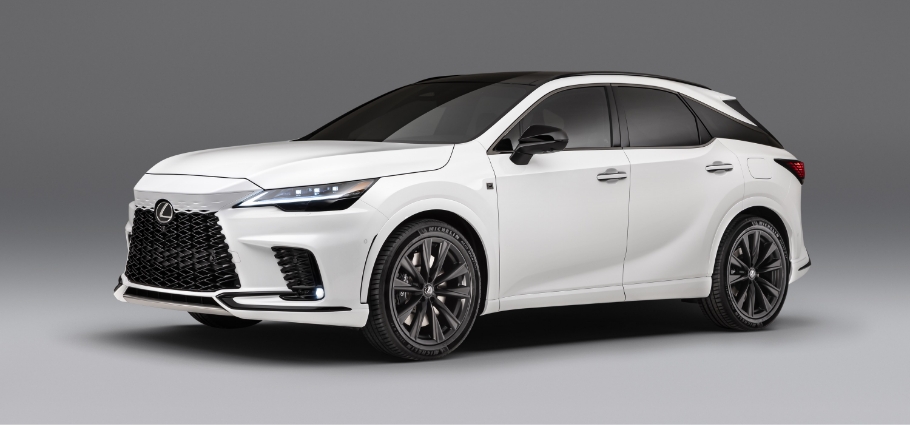
  • Redefining the luxury crossover that launched a segment: The all-new 2023 Lexus RX

    2023 Lexus RX - Front Angle

    Lexus pioneered the luxury crossover segment with the launch of the first RX more than 20 years ago and never looked back. Today, Lexus redefined what the RX means to guests with the global reveal of the all-new RX at the Lexus New Product Showcase. And as the first luxury brand to offer a hybrid in the segment, it’s only fitting that RX returns with a variety of electrified powertrains. The 2023 Lexus RX, the fifth generation for the Lexus core model, is completely redesigned from the wheels to the roof rails, featuring a new global platform, two all-new grades, available Digital Key, Lexus Safety System+ 3.0 and Lexus Interface Multimedia System.

    While pursuing a unique identity for 2023, the redesigned model maintains what makes an RX an RX: a comfortable, quiet in-cabin atmosphere, refined ride comfort, excellent grip and drive force control and confident driving enjoyment.

    “Nothing exemplifies our commitment to the transformation we’re making as a brand and Next Chapter for Lexus product more than the renewal of our best-selling vehicle – the RX,” said Andrew Gilleland, group vice president and general manager, Lexus Division. “We’re breathing new life into the segment-leading RX with enhanced safety and technology, human-centered design and undeniable performance from a diverse mix of powertrains.”

    Bold, Alluring Design

    The 2023 RX builds on the foundation of the iconic Lexus spindle design and evolves into a new, cohesive spindle body design. This sleek, dynamic design is symbolized by a sense of solid mass. Central to the new spindle body design are the carefully sculpted seamless grille and integrated headlamps that strengthen and evolve the signature design. The refined, low center of gravity is realized through a mature, grounded stance accented by 19-inch wheels with a dark gray machined finish and color-keyed overfenders. For those who want a more powerful look, 21-inch wheels are available in luxury color variations. From the side, the three-dimensional surface strongly flares from the rear door toward the tire to evoke powerful traction produced by the rear motor. From the back, the RX inherits the signature L-shaped light bar lamp with lenses that wrap around to the sides of the body to emphasize a wider, more powerful silhouette.

    The 2023 RX will be offered in six grades: Standard, Premium, RX-first Premium+, Luxury, F SPORT Handling and RX-first F SPORT Performance.

    The 2023 RX will be offered in 10 exterior color options depending on grade: Ultra White, Eminent White Pearl, Nebula Gray Pearl, Iridium, Caviar, Matador Red Mica, Copper Crest, Nori Green Pearl, Nightfall Mica and Grecian Water.

    Inside, the RX follows an intentional, human-centered design with control surfaces tuned to enable a deeper and more intuitive connection to instill confidence and control in the driver – a key element in the Lexus Driving Signature philosophy. Opening the door with just a touch of the e-Latch system, the RX welcomes the driver with available multi-colored illumination accents, tasteful door trim options and an available panorama glass roof that evokes a relaxing, open space. Driver controls like the steering wheel switches, available head-up display (HUD), available navigation and audio have been designed in a functional, concise layout to minimize driver distraction. Lexus Interface and trials come standard on the RX and a 14-inch Multimedia Touchscreen Display is available.

    The 2023 RX will be offered in six interior color options with four ornamentation styles depending on grade. Interior colors: Macadamia, Black, Birch, Palomino, Peppercorn and Rioja Red. Ornamentation styles: Black Cascade, Ash Bamboo, Black Open Pore and Dark Graphite Aluminum.

    The GA-K Platform Difference

    RX’s new GA-K platform offers a low center of gravity and optimal weight distribution. To be exact, the all-new RX is up to 198 pounds lighter than the outgoing generation, as a result of material optimization in the main framework components of the chassis and new global platform. Furthermore, by reducing weight and increasing rigidity, the key Lexus Driving Signature touches, ride comfort and quietness, become more refined. The new RX rides on a 2.36-inch longer wheelbase with a 2.36-inch shorter rear overhang, keeping the overall length of the vehicle the same as the previous generation. The rear section of the platform features an all-new multi-link suspension design, attached to a rigid high-torsion rear body frame that facilitates more consistent suspension input/travel during acceleration, deceleration and steering moments.

    The GA-K platform also increases the front/rear couple distance, resulting in more legroom for rear passengers. RX guests will also enjoy increased cargo space and a lowered back door trim to decrease loading height.

    A Powertrain for Everyone

    The all-new RX will be offered in four new powertrain options to help meet the needs of varying guests, including a Plug-In Hybrid Electric Vehicle (PHEV) model. Supporting the larger Lexus Electrified vision, RX continues the brand’s continued progress toward supporting the evolution, education and understanding that electrified vehicles can provide exhilarating performance. One mission RX will fulfill is its role as a global core model that helps contribute to the realization of a carbon-neutral society, while staying close to the increasingly diversified needs and lifestyles of guests.

    The RX 350 (FWD/AWD) offers a responsive 2.4L turbocharged inline-4 engine for torque-filled, dynamic driving performance.

    The RX 350h (AWD) fourth-generation large-capacity fuel-efficient hybrid system features a front unit that integrates a high-torque 2.5L inline-4 engine.

    The RX 450h+ plug-in hybrid vehicle details for the U.S. market will be shared at a later time.

    Next Level Performance: RX-first F SPORT Performance Grade

    Building on more than 20 years of hybrid electric technology and experience, the RX 500h F SPORT Performance introduces a new hybrid electric system for the Lexus brand with a front unit that integrates a high-torque 2.4-liter turbo engine, six-speed automatic transmission, inverter and an electric motor, with an eAxle rear unit that integrates a high output electric motor, inverter and reduction gearbox. This configuration allows the electric motor to provide low-end torque that helps to provide improved performance and quick acceleration. The turbocharged engine produces high torque throughout its entire rev range, delivering powerful acceleration even at higher speeds.

    The Lexus RX 500h F SPORT Performance utilizes the DIRECT4 drivetrain, our advanced methodology for controlling our highest technology all-wheel drive systems. DIRECT4 AWD supplies optimal power to the eAxles to provide maximum grip, traction and acceleration in all situations.

    A first for the RX lineup, the RX 500h F SPORT Performance grade goes beyond the current generation F SPORT design package for a sportier, more performance-driven look and feel. The RX 500h features opposed six-piston brake calipers, mesh grille, front bumper and 21-inch aluminum wheels that exude a wide, confident stance and contribute to aerodynamic performance.

    The interior includes a host of F SPORT accents like a perforated leather-trimmed steering wheel with paddle shifters, suede-trimmed interior door trim, F SPORT scuff plate, leather trimmed interior, aluminum pedals and more.

    Human-Centered Approach: Lexus Safety System+ 3.0

    One of the hallmarks of RX’s success is its dependable safety features. For 2023, the all-new Lexus RX includes Lexus Safety System+ 3.0, which provides additional features offered with the available driver monitor system, including: Pre-Collision System (PCS) with Pedestrian Detection, Intersection Support and a new feature of Motorcycle Detection; All-Speed Dynamic Radar Cruise Control with new Curve Speed Management (DRCC); Lane Departure Alert with Steering Assist (LDA); and Emergency Driving Stop System (EDSS). Available Advanced Park expands support for parallel parking. In addition to conventional back-up parking, forward-facing parking is now supported, enabling forward-facing/back-up exit.

    The 2023 RX is expected to go on sale at the end of 2022.

    2023 RX Preliminary Specifications

    Powertrain RX 350 RX 350h RX 500h F SPORT
    Performance
     Platform GA-K
     Engine   2.4LT Gas  2.5L HV 2.4L Turbo Hybrid
    Transmission  8 Speed A/T  ICVT  6 Speed A/T
     Drivetrain  FWD/AWD  AWD  DIRECT4 AWD
     Horsepower  275 hp  246 hp  367 hp
     Torque  317 lbs.-ft  (233 Ibs.-ft  406 lbs.-ft
     Manuf. EST. MPG
    (combined)
     24 MPG 133 MPG  26 MPG
     10-60  FWD 7.5s / AWD7.2s  7.4s  5.9s
     Overall length  192.5 in  192.5 in  192.5 in
     Overall width  75.6 in.  75.6 in.  75.6 in.
     Overall height  67.3 in.  167 3 in.  67.3 in.
     Wheelbase  112.2 in  112.2 in.  112.2 in.
     Tread (Fr/Rr)  64.96 in./65.55 in.  64.96 in./65.55
    lin
    64.96 in./65.55 in.
    Wheels 19-inch21-inch available 19-inch
    (21-inch
    available
    19-inch
    21-inch available
     Tires 19″-235/60
    21″-235/50
    19″-235/60
    21″-235/50
    19″ – 235/60
    21″ – 235/50


  • The new Mercedes-AMG ONE: Formula 1 technology for the road

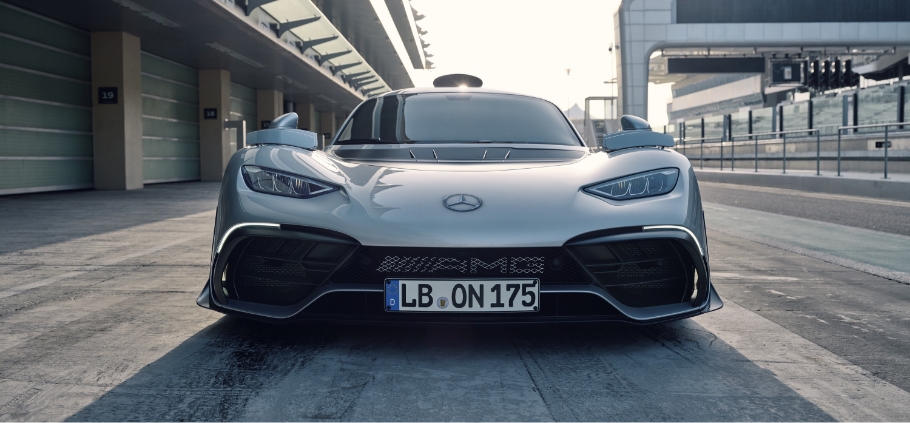
    2023 Mercedes-Benz AMG ONE - Front View

    Highly exclusive hypercar with E PERFORMANCE hybrid drive and system performance of more than 1000 hp

    Affalterbach.  AMG’s foundation stone was laid back on 1st of June 1967. To mark the 55th anniversary of the performance and sports car brand, the production version of the Mercedes-AMG ONE (combined weighted fuel consumption: 8.7 l/100 km; combined weighted CO2 emissions: 198 g/km; combined weighted electrical consumption: 32 kWh/100 km)[1] is celebrating its world premiere. The two-seater super sports car brings the world’s most modern and efficient Formula 1 hybrid drive technology from the race track to the road for the first time. The performance hybrid produces a total output of 782 kW (1063 hp) from one combustion engine and four electric motors, with a top speed capped at 352 km/h. The extremely complex development was carried out in close cooperation with the Formula 1 experts at Mercedes-AMG High Performance Powertrains in Brixworth. The Mercedes-AMG ONE will also officially be seen in action for the first time in the UK, as part of the Festival of Speed at Goodwood (23 to 26 June 2022).

    The unique hypercar inspires not only with its E PERFORMANCE Formula 1 hybrid drive, but also with further motorsport technology. This ranges from the carbon-fibre monocoque and carbon-fibre body to the load‑bearing engine/transmission unit, active aerodynamics and the push-rod suspension. With its complex technology, the two-seater Mercedes-AMG ONE offers even more than a Formula 1 racing car in some cases. It features the AMG Performance 4MATIC+ fully variable all-wheel drive with hybrid-driven rear axle and electrically driven front axle with torque vectoring. It can also drive purely electrically.

    “With the Mercedes-AMG ONE, we have more than pushed the envelope. The immense technical challenges of making a modern Formula 1 powertrain suitable for everyday road use have undoubtedly pushed us to our limits. Over the duration of the development period, many may have thought that the project would be impossible to implement. Nevertheless, the teams in Affalterbach and the UK never gave up and believed in themselves. I have the highest respect for all those involved and am proud of this team achievement. To put such a hypercar on wheels is certainly unique. This applies to us as Mercedes-AMG not only from a technical point of view, but also in terms of the close exchange with our loyal customers. Together with us, they have gone through ups but also downs in the course of development. They were an integral part of Project One from the very beginning and can now look forward to the highly exclusive and unique Mercedes-AMG ONE, which has now also been able to clear the next hurdle and passed all ECE certification tests”, says Philipp Schiemer, Chairman of the Board of Management of Mercedes-AMG GmbH.

    “The performance data of the Mercedes-AMG ONE are ultimately only a small excerpt of what technology is in this vehicle. Apart from a Formula 1 powertrain that generates 1063 hp from a relatively small, highly efficient internal combustion engine in combination with four electric motors, the monumental task was above all the exhaust gas aftertreatment. The Mercedes-AMG and Mercedes-AMG High Performance Powertrains teams have really done a great job here. This project was partly a curse and a blessing at the same time. But we have walked the stony path, and as a technician you naturally get carried away with all the details. From the materials used, the exceptional chassis components to the aerodynamic refinements – in terms of complexity, the Mercedes-AMG ONE is hard to beat. In a Formula 1 car, a team of engineers with laptops makes sure that the powertrain starts. With our hypercar, all it takes is the push of a button. This also illustrates the immense software know-how that has gone into this vehicle”, says Jochen Hermann, Technical Managing Director of Mercedes-AMG GmbH.

    Exceptional E PERFORMANCE hybrid drive with 1.6-litre V6 engine and four electric motors

    The E PERFORMANCE hybrid drive of the Mercedes-AMG ONE comes directly from Formula 1 and has been realised in close cooperation with the experts at Mercedes-AMG High Performance Powertrains in Brixworth. It consists of a highly integrated and intelligently networked unit comprising one hybrid, turbocharged combustion engine with a total of four electric motors. One has been integrated into the turbocharger, another has been installed directly on the combustion engine with a link to the crankcase and the two remaining motors drive the front wheels.

    The 1.6-litre V6 hybrid petrol engine with electrically assisted single-turbocharging corresponds in its technology to the current Formula 1 power unit. The four overhead camshafts are driven by spur gears. To achieve high engine speeds, the mechanical valve springs have been replaced by pneumatic valve springs. The engine, mounted in mid-engine position in front of the rear axle, revs up to 11,000 rpm. However, for longer durability and the use of commercial super plus petrol, it deliberately stays below the F1 rev limit.

    The high-revving power unit is boosted by a high-tech turbocharger. The exhaust gas turbine and compressor turbine are positioned at a distance from each other and connected by a shaft. This allows a lower installation position for the turbocharger. On the shaft is an approx. 90 kW electric motor. Electronically controlled, this drives the turbocharger shaft directly, accelerating the compressor wheel up to 100,000 rpm before the exhaust gas flow takes over. The Formula 1 designation for this unit is MGU-H (Motor Generator Unit Heat).

    Lightning-quick response, faster than a naturally aspirated V8 engine

    The major advantage: the response improves significantly, immediately from idle speed (when the exhaust flow is still weak) across the entire rev range. The 1.6-litre V6 engine responds even more spontaneously to accelerator pedal commands, while the overall driving experience is highly dynamic. In addition, the electrification of the exhaust gas turbocharger enables higher torque at low engine speeds. This also increases agility and optimises acceleration. Even when the driver takes their foot off the accelerator or brakes, the technology is able to maintain boost pressure at all times. This ensures a continuously direct response.

    The electric exhaust gas turbocharger in the Mercedes-AMG ONE has yet another advantage: it uses part of the surplus energy from the exhaust gas flow to generate electrical energy as a generator. This is either stored in the high-voltage lithium-ion battery or fed to the electric front axle or the electric motor (MGU-K = Motor Generator Unit Kinetic) on the combustion engine. The MGU-K has an output of 120 kW, is positioned directly on the combustion engine and is connected to the crankshaft via a spur gear system – another technology that ensures maximum efficiency and performance in Formula 1.

    Turbocharging and direct injection with spray-guided combustion not only enable high power output, but also increase thermodynamic efficiency, thus reducing fuel consumption and exhaust emissions. The high‑performance six-cylinder engine has two injection systems. Direct injection delivers the fuel into the combustion chambers at up to 270 bar pressure. This is a multiple process at times, and is controlled by the engine management system as required. The additional port injection is needed to achieve the high specific power of the engine and at the same time comply with the exhaust emission limits.

    Added to this is the very complex and effective exhaust gas cleaning system with four preheated metal catalytic converters, two ceramic catalytic converters and two petrol particulate filters. The four heating elements with a combined output of 16 kW make it possible to comply with the EU6 exhaust emission limits under real driving conditions (RDE). The exhaust gas cleaning system is also backpressure-optimised to avoid power losses. This also applies to the large rear silencer made of lightweight titanium.

    Technical data – powertrain

    Bore x stroke 80.0 x 53.03 mm
    Displacement 1599 cc
    Max. system output 782 kW (1063 hp)
    Max. speed, combustion engine 11,000 rpm
    Max. output, combustion engine 422 kW (574 hp) at 9000 rpm
    Specific output, combustion engine 359 hp/l
    MGU-K (electric motor on the crankshaft) 120 kW (163 hp)
    MGU-FL/MGU-FR (electric motors on the front axle) 2 x 120 kW = 240 kW (326 hp)
    MGU-H (electric motor of the electric exhaust gas turbocharger) 90 kW (122 hp)
    Max. turbocharger boost pressure 3.5 bar

    New all-wheel drive with purely electrically driven front axle

    The two 120 kW electric motors on the front axle reach rotor speeds of up to 50,000 rpm. They are each connected to the front wheels via a reduction gear. The front axle, which is thus driven purely electrically, operates wheel-selectively in each case and thus enables individual torque distribution for particularly high driving dynamics (“torque vectoring”). In addition, the two electric motors also allow the braking energy to be optimally used for recuperation – up to 80 percent under everyday driving conditions. This energy is stored in the battery and is available for a longer electric range or for more drive performance. Each electric motor is controlled by its own power electronics located in close proximity to the electric motors in the floor assembly.

    High Performance Battery with Formula 1 technology

    The lithium-ion energy storage system is also a special Mercedes-AMG development. Its technology has already proven itself in the Mercedes-AMG Petronas F1 Team’s Formula 1 hybrid racing cars under the toughest conditions and can also be found in the battery of the Mercedes-AMG GT 63 S E PERFORMANCE. The AMG High Performance Battery combines high power that can be called up frequently in succession with low weight to increase overall performance. Added to this are the fast energy draw and the high power density. This means that during a brisk drive in hilly terrain, for example, drivers can immediately call on the full power potential on uphill stretches, while recuperation is strong when driving downhill.

    The arrangement of the battery cells and the cell cooling mirror the Mercedes-AMG Formula 1 racing car. For everyday use, however, their number is many times greater in the Mercedes-AMG ONE. The capacity of 8.4 kWh is sufficient for a purely electric range of 18.1 kilometres. Charging is via alternating current and the integrated 3.7 kW on-board charger. In addition, the battery can be supplied with fresh energy via recuperation or from the combustion engine. The lithium-ion, high-voltage battery and the DC/DC converter supporting and charging the 12 V onboard electrical system are accommodated in space-saving configuration in the vehicle floor behind the front axle.

    Innovative direct cooling of the high-voltage battery

    The basis for the high performance of the battery is the innovative direct cooling: A high-tech coolant flows around all the cells and cools them individually. Background: Every battery needs a defined temperature for optimum power delivery. If the battery becomes too cold or too hot, it noticeably loses power at times, or has to be regulated to avoid damage if the heat becomes excessive. The even temperature of the battery therefore has a decisive influence on its performance, service life and safety.

    The coolant circulates from top to bottom through the entire battery past each cell with the help of a high‑performance electric pump and also flows through a heat exchanger attached directly to the battery. The system is designed to ensure even heat distribution in the battery. The result is that the battery is always in a consistent, optimal operating temperature window of 45 degrees Celsius on average – no matter how often it is charged or discharged. It may well be that the average temperature is exceeded when driving at high speeds. The protection mechanisms are therefore configured so that the maximum performance can be obtained from the battery, with the temperature level subsequently lowered by direct cooling.

    Only direct cooling makes it possible to use cells with very high power density. Thanks to this individual solution, the battery system is particularly light and compact. The low weight is also due to the material‑saving busbar concept, and the lightweight yet strong crash structure of the aluminium housing. It ensures the highest level of safety. Another feature is the high voltage of the drive system, which operates at 800 volts instead of the usual 400 volts. Thanks to the higher voltage levels it is possible to significantly reducing the cable diameters, for example, thereby saving design space and weight.

    Intelligent operating strategies for optimum output and efficiency

    All in all, the High Performance Plug-in Hybrid Drive System offers numerous intelligent operating strategies that are optimally adapted to different application scenarios. The drive programs range from purely electric operation to a highly dynamic mode (Strat 2), which corresponds to a setting used in Formula 1 qualifying for the best possible lap times. Despite the high system complexity, the driver will always receive the optimal combination of performance and efficiency – depending on the current requirement.

    Six drive programs – from purely electric driving to race track mode

    The Mercedes-AMG ONE starts silently at first by switching on the electric motors on the front axle. In parallel, the catalytic converters are preheated. The combustion engine will not start until the correct catalytic converter temperature is reached.

    • Race Safe: standard program with on-demand hybrid driving mode and all-electric start-up. Only when higher power is required does the combustion engine switch on.
    • Race: hybrid driving mode with special charging strategy. The combustion engine runs continuously and can charge the high-voltage battery more so that full electric power is always available.
    • EV: all-electric driving.
    • Race Plus (race track only): active aerodynamics, chassis lowering by 37 mm (front)/30 mm (rear), firmer chassis tuning, special performance management.
    • Strat 2 (race track only): active aerodynamics, even firmer suspension tuning and vehicle lowering by 37 mm (front)/30 mm (rear). Full power from all motors as in Formula 1 qualifying.
    • Individual: settings according to personal preferences for the road modes.

    Impressive acceleration values are possible with the RACE START function in the Race, Race Plus and Strat 2 drive programs: the sprint from a standstill to 200 km/h is completed in just 7.0 seconds.

    Completely new, automated 7-speed manual transmission

    Power is transmitted to the rear wheels by means of a 7-speed manual transmission completely newly developed for the Mercedes-AMG ONE. The lightweight transmission design saves weight, while integration into the body-in-white enhances rigidity and takes up little space. It is specifically designed for the high torque and speed capacity of the powerful Formula 1 hybrid powertrain. Shift rods and the 4-disc carbon‑fibre clutch are hydraulically controlled. The gear ratios are designed to minimise the power difference after upshifting and keep the combustion engine at high revs. The locking differential is integrated into the transmission.

    Multi-link suspension with innovative push-rod suspension

    The basis for the outstanding driving characteristics of the Mercedes-AMG ONE is the lightweight and high‑strength carbon-fibre monocoque, the technology of which also originates from Formula 1. The same applies to integration of the engine and transmission: both fulfil load-bearing functions and completely support the rear suspension.

    The chassis is an aluminium construction at the front and rear, each with five links and two adjustable suspension struts. The coil-over suspension has several special features: both push-rod spring struts have been installed across the direction of travel. The innovative arrangement of the spring and damper unit replaces the function and use of a conventional tubular cross stabiliser. This solution reliably prevents rolling movements, even during very rapid directional changes, without being uncomfortable. Roll stiffness and roll damping are completely independent of lift stiffness and lift damping. Wheel bearings with ceramic ball bearings for less friction reflect the attention to technical detail.

    The adaptive damping adjustment can be adapted via the drive program: the C (Comfort) and S (Sport) suspension settings are available in the EV, Race Safe, Race and Individual drive programs; the S (Sport) and S+ (Sport+) suspension settings are available in the Race Plus and Strat 2 drive programs. As part of the active aerodynamics, the chassis can be lowered hydraulically: by 37 millimetres on the front axle and by 30 millimetres on the rear axle. In addition, a lifter for the front axle (can only be activated in the road drive programs) prevents the Mercedes-AMG ONE from touching down on underground parking ramps, for example.

    The overall tuning of springs and dampers has been designed for perfectly balanced, easily controllable and highly dynamic handling. This is also assisted by the all-wheel drive and torque vectoring. Unlike in Formula 1, ABS is on board as standard, while ESP® can be regulated in three stages, as is customary at Mercedes-AMG. ESP® ON stands for high safety and is always activated in “Highway” mode. ESP® SPORT HANDLING MODE allows higher yaw angles before system intervention for sporty driving. ESP® OFF switches the system off for extremely dynamic driving on closed-off circuits. All three settings are possible in “Track” mode.

    Exclusive forged wheel with carbon-fibre partial cover

    A new development is the 10-spoke forged aluminium wheel with centre lock, which is exclusive to the Mercedes-AMG ONE. This has a radial carbon-fibre partial cover with an aerodynamically sophisticated shape: it improves the aerodynamic efficiency of the vehicle by enhancing the flow around the wheel. This is another example of how the AMG development team has paid the utmost attention to even the smallest aspects, so as to improve the efficiency of the hypercar.

    Newly developed 9-spoke magnesium forged wheels designed exclusively for the Mercedes-AMG ONE are also available as an option. In addition to the centre-lock technology, they feature a patented bionic design to maximise lightweight construction and rigidity. The aerodynamically designed carbon-fibre partial cover is a good example of the combination of low weight, optimised brake cooling and aerodynamic efficiency. At the same time, nine air vanes per wheel ensure active ventilation of the wheel arch and thus improved heat dissipation from the brakes.

    At the front, the Mercedes-AMG ONE runs on 10.0 J x 19 wheels with 285/35 ZR 19 Michelin Pilot Sport Cup 2R M01 tyres, which were developed exclusively for the hypercar, and at the rear on 12.0 J x 20 wheels, with Michelin Pilot Sport Cup 2R M01 tyres in size 335/30 ZR 20. The exclusivity of the tyres is reflected in the design of the sidewall, which incorporates the vehicle silhouette and the number 1.

    A special, weight-optimised AMG carbon-fibre ceramic high-performance composite brake system is used for deceleration. The front axle sports 6-piston fixed callipers and also internally ventilated and perforated brake discs measuring 398 x 38 millimetres. The rear axle is fitted with 4-piston fixed callipers. In addition, it has internally ventilated and perforated brake discs measuring 380 x 34 millimetres. The low weight of the system reduces the unsprung masses and thus increases driving dynamics and agility. Furthermore, the ceramic brake features a longer service life, higher corrosion resistance and higher thermal stability. The “AMG Carbon Ceramic” lettering and the specially painted brake callipers visually distinguish this unique brake system.

    Exterior design: fascination and function

    The design of the carbon-fibre body is inspired by the top class of motorsport. But above all, it embodies the Mercedes-AMG principle that fascination is always linked with function. Each component fulfils a task. The mid-engine concept based on a carbon-fibre monocoque plus a load-bearing engine/transmission unit provides the extremely muscular proportions: the cockpit is positioned far forward, as is typical for racing, combined with voluminous wheel arches, a wasp waist and a wide tail.

    Designers and aerodynamics experts worked closely together on the design. Even the basic body has been aerodynamically designed for maximum downforce and balance. And this move has been a successful one: the Mercedes-AMG ONE generates downforce from as low as 50 km/h, which becomes increasingly stronger as the speed increases.

    Front view: powerful and functional

    The front view is characterised by the large front apron, the various air intakes of which extend across the entire vehicle width. The trapezoidal centre section bears a large, white AMG logo. Above it, on the vehicle body, is the Mercedes star. It is designed in the form of an artistically and technically perfect airbrush motif – by a specialist in the UK. The AMG-typical A-wing under the centre section adds another characteristic highlight and merges seamlessly into the wings.

    Large air intakes dominate on the left and right, framed by U-shaped air deflectors and each divided by two black transverse fins. Flat LED headlamps blend seamlessly into the body contours. The black air outlets in the bonnet guide the hot airflow around the sides of the driver compartment. This allows the flow of fresh air to pass unhindered across the driver compartment and into the intake tract on the roof. The active flaps on the front diffuser influence the aerodynamic performance at the front axle and ensure excellent aerodynamic balance. The active air vents (so-called louvres) in the front wheel arches also increase the downforce on the front axle.

    Taut flanks, voluminous wheel arches

    The low, dynamic greenhouse has an unmistakable, spherical architecture with a distinctive window pattern. The large, dark area stands for important technical functions. These technical components form a visual contrast to the clean overall lines of the vehicle.

    The roof is dominated by the air intake derived from Formula 1, through which the engine draws in fresh air as needed. The black intake transitions elegantly into the black, vertical shark fin: it prevents cross-flow and/or a breakaway of airflow at the rear and thus improves cornering stability. Overall, this also means more performance and safety at high speeds. The power unit is hidden under two removable carbon-fibre covers. Large NACA air intakes are integrated into each of these, guaranteeing optimum guidance of the airflow for the radiators placed below.

    The side view shows a sensual and clear surface design, equally combined with functional features. The vehicle flanks are tautly recessed, with black carbon-fibre surfaces redirecting the airflow around the vehicle body as in motorsport. The airbrush design on the flanks was created by the same artist who designed the paintwork for the Formula 1 racing cars. Tight-fitting wheel arches stretch over all four wheels like muscles, ready to leap into action.

    The doors open diagonally forwards and upwards. The fuel filler flap is at the rear right, and the charging socket for the plug-in hybrid battery is at the rear left.

    Rear end: fascination and function

    The sharp spoiler lip and the two-part rear diffuser bring aerodynamic efficiency and performance advantages at high speeds. This also applies to the specially shaped underbody with longitudinal fins and openings for cooling ducts. The rear wing is a two-piece retractable blade plus integrated adjustable flap. The design of the exhaust tailpipe with its large, round outlet and two further small, round apertures has been adopted directly from the Formula 1 cars. The muscular appearance is further enhanced by the rear apron with its large, black mesh and carbon-fibre components. The tail lights each feature three diamond-shaped lighting elements to echo the graphic design of the AMG brand logo, and therefore also the design of the headlamps.

    The high-tech materials and colour combinations of the outer skin are transferred directly from racing. Functional exterior components are presented in exposed carbon fibre and contrasted with sculpturally sensual paint surfaces.

    Active aerodynamics: three interpretations to choose from

    The active, hydraulically controlled aerodynamics increase downforce on the front and rear axles and also improve aerodynamic efficiency. Depending on the driver’s preference and the selected drive program, three different aerodynamic setups are available:

    • “Highway” in the “Race Safe”, “Race”, “EV” and “Individual” drive programs:
      the louvres are closed, the active flaps on the front diffuser are extended and the rear wing including flap is retracted.
    • “Track” in the drive programs “Race Plus” and “Strat 2” (both only allowed on the race track):
      the front diffuser flaps fold up to shape the front diffuser contour to maximum efficiency. The rear wing extends fully, as does the rear wing flap. The louvres are opened to increase the downforce on the front axle and to increase the negative pressure in the wheel arches. The vehicle is lowered by 37 millimetres at the front axle and 30 millimetres at the rear axle. The consequence of all these measures: the total downforce increases up to five times compared with the road drive programs, depending on the speed.
    • “Race DRS” (Drag Reduction System), can be activated at the touch of a button as in Formula 1, in the race track drive programs:
      the rear wing flap retracts completely and the louvres are closed. Although this reduces downforce by around 20 percent, the Mercedes-AMG ONE reaches high speeds even faster. DRS can be deactivated manually or is automatically deactivated as soon as the driver brakes or lateral acceleration is measured.

    Interior: Formula 1 for two

    The interior design concept follows function on the racetrack and is expressed in the radical design idiom. In this way, Formula 1 technology can be experienced authentically on the race track and on the road. Here, too, every detail has a function. “No styling” is the design consequence resulting from the requirements for this driving machine. The design is a synthesis of sculptural form language and uncompromising racing design. In the bold minimalism of the monocoque interior, the reduced components are emphasised and showcased in terms of design and function.

    The ergonomically contoured interior has room for two occupants. The firmly fixed racing seat-pan sculpture combines aesthetically with the footwell to form a single unit. It also merges smoothly into the sill area at the side and becomes an integral part of the highly sculptural monocoque landscape. The backrests of the AMG Motorsport seat pans can be adjusted to two positions: 25o and 30o. The steering wheel is electrically adjustable and the pedal box mechanically adjustable (in eleven steps) so that the driver can adopt an optimal driving position. The passenger footrest is also individually adjustable.

    The centre tunnel is also a functional part of the carbon-fibre support structure. It blends fully into the seat sculpture and follows the principle of minimalism with its gently rising contour. A high-quality stowage compartment, a reduced switch panel and the Engine Start button form a single unit. The compartment is designed with a transparent lid. Two mini-USB ports for external audio devices enhance everyday usability. The Start/Stop button is prominently positioned on the tunnel and forms the end of the controls towards the front. The cylindrical housing body, made of real metal, is held laterally by two lugs that protrude organically from the basic volume of the tunnel.

    Interior with functional structural parts

    The slim wing profile of the instrument panel appears light as if floating. As a functional structural component, it also stiffens the monocoque of the hypercar. The two high-resolution, free-standing 10-inch displays with individual Mercedes-AMG ONE graphics are finished with high-quality real-metal parts and adapted to the instrument panel. The instrument cluster display is in a slightly raised position in front of the driver. The multimedia monitor on the right of the centre console is tilted towards the driver. The double-nozzle ventilation unit is suspended under the centre screen like a gondola. Screen and nozzles merge into one unit and underline the purist design concept. The ventilation nozzles repeat the basic rectangular shape of the displays.

    The door panels are in functional, high-grade carbon fibre, and integrate smoothly into the sporty interior. A cassette of solid metal combines the air vents and power window switches, which are integrated as deeply recessed rectangles. Like a muscle, a contour drawn far forward in the door runs out to the rear and creates space for the characteristic course of the exterior window line.

    Formula 1-style steering wheel

    In the radically designed and high-quality race steering wheel, operating and functional elements are combined with original race car components to ensure safe operation in extreme driving situations. The “shift light” is displayed at the top of the steering wheel rim, as is usual in racing cars. The steering wheel, which is flattened at the top and bottom and has an integrated airbag, offers further motorsport trim elements: the two integrated AMG steering wheel buttons can be used to activate various functions without having to take your hands off the wheel. For example, the drive programs, the nine-stage AMG Traction Control, the activation of the DRS or the suspension settings.

    Screen instead of interior mirror, colours and materials from the racing car

    The Mercedes-AMG developers have also thought about suitability for everyday use and further ease of operation: air conditioning and electric windows are on board as standard, and the infotainment system ensures seamless connectivity. The user interface is integrated as an autonomous concept. The most important information is displayed on the road in the line of vision above the steering wheel, so that the driver is not distracted. To ensure optimal rearward visibility despite the vertical wing on the rear, the interior mirror is replaced by a screen. It shows real-time footage from a MirrorCam integrated into the rear. The screen housing is fully integrated into the roof and accommodates further controls.

    Inspired by the Formula 1 racing car, the material contrasts are also consistently and authentically continued in the interior. Here, too, the exposed carbon fibre of the monocoque forms a delightful contrast with the material/colour combination of the seat pans in magma grey nappa leather and black DINAMICA microfibre. With their special design, the seat inlays support air circulation at the driver’s back. Yellow contrasting topstitching adds further highlights as standard, but other colours are also available.

    Material-appropriate and high-quality details, such as the ventilation nozzles in silver shadow and dark chrome, create further individual highlights. The seat belt straps and contrasting topstitching in the typical AMG yellow underscore the performance claim. Customers also have extensive options for very personal individualisation, which can be specified in close consultation with the experts at Mercedes-AMG.

    Technical data

    Mercedes-AMG ONE.

    Engine
    Number of cylinders/arrangement 6/V
    Displacement cc 1599
    Max. system output kW/hp 782/1063
    Max system torque Nm Specification not possible due to complex drive train
    Max. output, combustion engine kW/hp 422/574 at 9000 rpm
    Max. speed, combustion engine rpm 11,000
    Mixture formation Microprocessor-controlled petrol injection, combination of direct and intake manifold injection
    Combined output, electric motors kW/hp 450/611
    Power transmission
    Drive system AMG Performance 4MATIC+ fully variable all-wheel drive with hybrid-driven rear axle, electrically driven front axle and torque vectoring
    Transmission 7-speed automated manual gearbox
    Gear ratios
    1st/2nd/3rd/4th/5th/6th/7th gear 12.803 / 9.267 / 7.058 / 5.581 / 4.562 / 3.878 / 3.435
    Reverse 14.599
    Suspension
    Front axle Five-link aluminium coil-over suspension with two transverse adjustable push-rod spring struts and adaptive damping adjustment
    Rear axle Five-link aluminium coil-over suspension with two transverse adjustable push-rod spring struts and adaptive damping adjustment Aerodynamically shaped lower links
    Brake system Hydraulic AMG carbon-fibre ceramic high-performance composite brake system, front 398 x 38 mm composite brake discs, internally ventilated and perforated, 6-piston aluminium fixed callipers; rear 380 x 34 mm composite brake discs, internally ventilated and perforated, 4-piston aluminium fixed callipers; electric parking brake, ABS, Brake Assist, 3-stage ESP®
    Steering not specified
    Wheels front: 10 J x 19 H2; rear: 12 J x 20 H2
    Tyres front: 285/35 ZR 19; rear: 335/30 ZR 20
    Dimensions and weights
    Wheelbase mm 2720
    Front/rear track mm 1721/1669
    Length/height/width mm 4756/1261/2010
    Turning circle m not specified
    Boot capacity l not specified
    Kerb weight according to DIN kg 1695
    Payload kg not specified
    Tank capacity l 55
    Performance, consumption, emissions
    Acceleration 0-100 km/h s 2.9
    Acceleration 0-200 km/h s 7.0
    Acceleration 0-300 km/h s 15.6
    Top speed km/h 352
    Fuel consumption, weighted,comb.1 l/100 km 8.7
    CO2 emissions, weighted, comb.1 g/km 198
    Electrical consumption, weighted, comb. 1 kWh 32
    Electrical range km 18.1

    [1] The figures for fuel consumption and CO2 emissions are provisional and were determined internally in accordance with the “WLTP test procedure” certification method. Confirmed values from the technical service or an EC type approval or certificate of conformity with official values are not yet available. Differences between the stated figures and the official figures are possible.
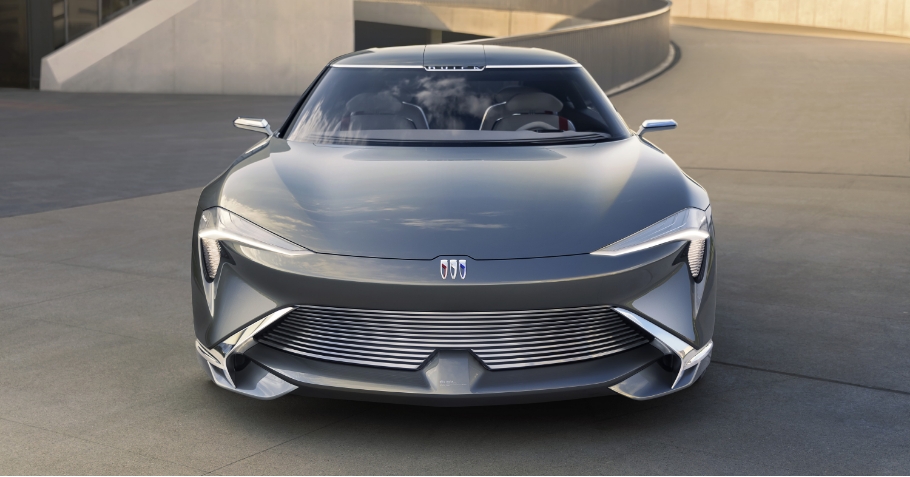
  • Miura: the world’s first production car equipped with a transverse central – rear mounted V12 engine

    1969 Lamborghini Miura P400 S

    In 1966, the Lamborghini V12 engine firmly established itself as an all-time legend when it was mounted transversally in a rear-mid position on the P400 Miura: the vehicle for which the term “supercar” was coined.

    Everything revolves around the Miura in the latest chapter of the V12 engine’s story, which has powered iconic cars for almost 60 years and come to epitomize the cornerstones of Lamborghini’s DNA: technological innovation, vision and engineering expertise. 2022 is the year of the last pure Lamborghini V12 combustion engine. Mounted in the Aventador Ultimae[1], it brings the curtain down on a glorious era ahead of the first hybrid production model in 2023, which will mark the start of the hybridization process at Lamborghini.

    Ferruccio Lamborghini: “I like this one: it’ll earn us legendary status”

    Less than two years after Lamborghini was founded in 1963, the Sant’Agata Bolognese company was still small but had managed to establish itself solidly at the top end of the tricky grand tourer market, and the 350 GT was being manufactured on a steady basis. Ferruccio Lamborghini was satisfied because he had triumphed in his own personal technical challenge despite rather widespread initial skepticism. Nonetheless, he was dreaming of making an even more stunning car that would take everyone’s breath away. And that is just what happened.

    Taking care of the technical side of things were the young engineers Giampaolo Dallara and Paolo Stanzani, who were responsible for development and production at Automobili Lamborghini at the time. A big part in the Miura’s success was – and continues to be – down to its exceptional engine: a 4 liter 60° V12 with 4 Weber 40 IDL 3L carburetors that generated maximum power of 350 CV, 370 CV and 385 CV in the P400, P400S and P400SV models respectively. That was enough to make it the fastest production road car in the world at the time. The outstanding design by Carrozzeria Bertone did the rest and the Miura enjoyed unprecedented sales for a Lamborghini vehicle. The original forecast was for 50 cars to be sold in three years, but in the end the total number reached 763 in seven years, between 1966 and 1973.

    Engineer Paolo Stanzani: a linchpin of the Lamborghini V12 engine

    The engineer Paolo Stanzani (1936-2017) was one of the first people to be hired by Ferruccio Lamborghini. Appointed straight after he graduated from the University of Modena, he went on to become one of the most important players in the story of the V12 engine and the Miura. Stanzani was the one who took the V12 engine designed by the engineer Giotto Bizzarrini and made it suitable for serial production and use on the road. In addition, Stanzani was part of the small group of young talents who developed and created the Miura and its cutting-edge technical features. He held various roles at Lamborghini, ranging from Technical Director to Production Manager and General Manager. As well as the Miura, he made crucial contributions to the production of the Countach, Espada and Urraco, the latter of which was his personal favorite.

    The Miura was a real star whose iconic appeal lay not only in its looks but also in its “voice”

    As soon as it was presented, the Miura became the most sought-after car among film directors. It has appeared in no fewer than 43 movies, often in a starring role. One of the most famous is unquestionably “The Italian Job” in 1969. Lasting more than three minutes, the entire opening sequence is dedicated to Rossano Brazzi driving a P400 Miura as Matt Monro sings “On Days Like These”. The accelerating V12 engine can be heard in the background of the sequence, which has gained cult status in the world of car movies.

    The Miura has starred on the covers of dozens of car magazines and other publications. Its first appearance in an international article came in November 1966. The piece in question was in the weekly magazine Autocar and it was by Paul Frère, the Belgian racing driver turned journalist. There is no doubt that the most renowned article was the one written by the English journalist Leonard “LJK” Setright for the British monthly magazine CAR. Divided into two parts, it described the delights of a journey from Sant’Agata Bolognese to London in a P400 Miura.

    Putting together a comprehensive list of personalities who have owned a Miura over the years is a tough task. For instance, Little Tony and Rod Stewart both owned more than one; Eddie Van Halen kept his for more than 30 years; and Jay Kay of Jamiroquai still has his today. Other examples of notable Miura owners are the actor Peter Sellers; the model Twiggy; the singers Johnny Hallyday (who made headlines when he crashed his P400 into a tree) and Elton John; the opera singer Grace Bumbry; the jazz musician Miles Davis; the racing driver Jean-Pierre Beltoise; and finally the Shah of Iran, who owned a number of Miuras including one of only four SVJs that were ever made.

    [1] Aventador LP780 Ultimae Coupé and Ultimae Roadster Fuel consumption combined: 18.0 l/100km ; CO2-emissions combined: 442 g/km (WLTP)

  • Alpine founder’s centenary celebrations include the reveal of commemorative limited-edition A110 GT

    2022 Alpine A110 GT Jean Redele Limited Edition

    Alpine has marked the 100th anniversary of the birth of its founder, Jean Rédélé, with the world premiere of a limited-edition model that celebrates his pioneering legacy and that of the brand he created: the A110 GT J. Rédélé.

    The stylish limited-edition was unveiled at the Alpine 100 year celebrations at the brand’s birthplace in Dieppe this weekend, an event that also saw 1,000 examples of iconic Alpine models past and present gather in the town.

    Based on the A110 GT model, the new limited-edition features a colour that Jean Rédélé was particularly fond of, Montebello Grey, combined exclusively with a high-gloss black roof. Designed with grand touring in mind, the latest addition to the Alpine line-up blends striking looks with a high level of standard equipment.

    The exterior is completed with diamond-cut black 18-inch Grand Prix alloy wheels, through which exclusive silver brake callipers are visible. Inside, the black leather interior and elegant grey stitching throughout the cockpit emphasise the synergy between the Montebello Grey paint scheme and the dark styling elements.

    The A110 GT J. Rédélé Limited Edition is powered by the same intoxicating 300hp engine as the A110 GT.

    Limited to just 100 units in reference to the 100th anniversary of its founder, each vehicle will carry a numbered placque bearing the signature of Jean Rédélé. The limited-edition will be available to order via the Alpine app from 1 June.

    The A110 GT J. Rédélé Limited Edition lead a special celebratory parade from the Manufacture Alpine Dieppe Jean Rédélé, the historical production site of Alpine then and now, that culminated at the Dieppe seafront.

    Jointly leading the parade was the BWT Alpine A552 F1 car, which for the first time ever took to the town’s roads. Completing the impressive sight was a procession of old and new Alpines and the iconic Gendarmerie’s A110 Berlinette.

    On reaching the Dieppe seafront, Michelle Rédélé, the wife of the Alpine founder, was handed the keys to the very first A110 GT J. Rédélé. Saturday’s event concluded with a gala dinner that welcomed personalities who have each played a key role in the brand’s long and storied success.

    On Sunday, visitors to the celebrations were able to cheer on Fernando Alonso and Esteban Ocon behind the wheel of their BWT Alpine F1 Team single-seater during the Monaco Grand Prix, which was broadcast on giant screens in the town centre and on the waterfront.

    The memorable event was hosted by the IDÉA collective (Initiative Dieppe Événements Alpine) with the support of Alpine.

  • New Maserati MC20 Cielo Global Premiere

    2023 Maserati MC20 Cielo

    The MC20 super sports car, now also a spyder: Maserati presents MC20 Cielo, a one-of-a-kind car that can deliver the performance of a true super sports car, together with a holistic and immersive driving pleasure the like of which has never been seen before.

    MC20 Cielo announces its special features in its very name: MC stands for Maserati Corse (‘Racing’); 20 refers to 2020, the year that began the brand’s new era; Cielo (‘sky’) highlights the fact that it is a model devoted to driving pleasure in the great outdoors, while maintaining all the prerogatives of the coupé.

    Equipped with the revolutionary V6 Nettuno engine, the Cielo offers a perfect mix of sportiness and luxury, courtesy of a specification unique to the segment: the innovative retractable glass roof.
    In actual fact, the new spyder acts a meeting point between Maserati audacity and the infinite sky, featuring a special “sky feeling”.
    The model is equipped with a state-of-the-art electrochromic (smart glass) window that can instantly be transformed from clear to opaque at the touch of a button on the central screen, courtesy of Polymer-Dispersed Liquid Crystal (PDLC) technology. The roof is also best-in-class in terms of thermal insulation and of opening and closing speed (just 12 seconds).
    Courtesy of this epitome of technology, MC20 Cielo provides a multi-sensory driving experience: all-encompassing with the roof closed and opaque; unique for the in-cabin brightness when the roof is transparent; holistic with the top down.

    Developed at the Maserati Innovation Lab and produced at the historic plant on Viale Ciro Menotti, the spyder is 100% made in Italy and 100% made in Modena, as is the coupé version.

    MC20 Cielo is designed for perfection. It weighs just 65 kg more than the coupé, made possible by meticulous, precise work during the stages of the car’s design. As well as its outstanding weight-to-power ratio, the carbon fibre chassis (the same for all three configurations to come: coupé, spyder and the future electric version) also guarantees uncompromising torsional rigidity, offering a combination of extraordinary handling on the road and on the track.

    The new spyder is a car with an elegant yet highly sporty design. Its character and personality are truly eye-catching for the purity of its forms and the refined aerodynamics subjected to 360° testing in a wind tunnel, whether the roof is open or closed.
    Nothing is superfluous in the design; everything has its own function. The only concession to a surprise effect is the butterfly doors, as in the MC20 super sports car.
    The butterfly door provides much easier access into and out of the cabin, as well as showing off the carbon fibre cockpit and the completely unmasked front wheel.

    From an aesthetic perspective, the launch version features a new three-layer metallic colour known as Acquamarina, available as part of the Maserati Fuoriserie customisation programme.
    A colour that interacts with light, revealing itself in a surprising way. The base is a pastel grey inspired by racing, reminiscent of the MC20’s sporty DNA, accompanied by an iridescent aquamarine mica that enlivens the hue and makes it exceptional.

    The new model also adds a wide range of Active Safety Systems. As well as the parking sensors, rear-view camera and blind spot monitoring included in the MC20 since the MY22, the new spyder introduces autonomous emergency brake, traffic sign information and a new 360° camera.

    MC20 Cielo is equipped with an optional High Premium Sonus faber audio system. The MC20 Coupé system, an EISA award-winning in-vehicle audio system, has been specifically optimized to fit the unique acoustic and positioning needs of the spyder’s cabin, situating the system’s 12 speakers to result in the Natural Sound that distinguishes Sonus faber audio systems.
    Finally, the in-car experience is managed from the Maserati Intelligent Assistant (MIA) Multimedia system, and from Maserati Connect.

    At the World Premiere of the new Maserati spyder, the bond with the sky will be the central theme, to take you into a new, holistic dimension: just raise your eyes and look up to the sky.

  • Toyota 4Runner Celebrates Historic Run with 40th Anniversary Special Edition

    2023 Toyota 4Runner 40th Anniversary - Front Angle

    Forty candles. The “big four-0.” The Toyota 4Runner will reach the 40-year mark with the 2023 model year…  and, to celebrate, Toyota is offering a distinctive 4WD-only 2023 4Runner 40th Anniversary Special Edition. Appropriately, Toyota will make 4,040 of these special editions available for the U.S. market. Over the past four decades, 4Runner has amassed more than 4 million cumulative sales while carving out its place as the ready-for-anything SUV that’s equally at home on pavement or trail.

    The 2023 Toyota 4Runner 40th Anniversary Special Edition is based on the SR5 Premium grade and will be available in three colors: White, Midnight Black Metallic and Barcelona Red Metallic. It will stand out from the lineup thanks to bronze-colored 17-inch alloy wheels, a body-color-matching TOYOTA heritage grille and a bronze-colored 40th Anniversary exterior tailgate badge.

    The biggest eye-catcher, though, is likely to be the heritage graphics package created especially for this anniversary model. The first 4Runner was built on the Toyota pickup platform, which itself founded the heritage of Toyota’s illustrious success in off-road racing. As an homage to those early racers, the 4Runner 40th Anniversary Edition will be wearing some very cool, retro-inspired yellow/orange/red body graphics.


    2023 Toyota 4Runner 40th Anniversary - Side Angle

    The anniversary theme continues inside, where the 4Runner 40th Anniversary Special Edition gets exclusive badging on the center console and features a bronze-colored cross-stitch shift knob, bronze-colored seat stitching, 40th Anniversary floormats and a 40th Anniversary logo on the Black SofTex-trimmed seats. Topping it off is a standard power moonroof.

    Fun facts: When the first 4Runner arrived, “Star Wars: Return of the Jedi” was the top-grossing movie in America, and “Every Breath You Take” by the Police had ended the year at #1 on the Billboard 100. (Yep, that was then “Jedi” was the third Star Wars movie, not “Episode Six.”)

    A 4Runner for All Seasons and Reasons

    The 2023 4Runner lineup covers a broad range of tastes and needs in a high-capability SUV. The line includes grades SR5, SR5 Premium, TRD Sport, TRD Off-Road, TRD Off-Road Premium, Limited and TRD Pro. The 4Runner exudes a rugged look in all grades yet maintains a timeless SUV style all its own. The SR5 and TRD models ride on 17-inch alloy wheels that are available in three designs: 6-spoke for SR5 models, 7-spoke for TRD Off-Road models and flow-form matte black alloy wheels for TRD Pro.

    The TRD Off-Road and TRD Off-Road Premium grades are distinguished by color-keyed bumpers and overfenders, hood scoop and silver-colored painted front and rear bumper accents. “TRD Off-Road” badges adorn the C-pillars. The Limited is the only 4Runner with a chrome-plated grille insert and chrome-finished exterior trim. All 4Runner models have LED fog lights as standard equipment, with the TRD Pro featuring Rigid Industries LED fog lights.

    The Ready-for-Adventure SUV

    The 4Runner’s inherent strength starts with its tough-as-nails, body-on-frame construction featuring a four-link rear axle and coil-spring suspension. The robust chassis is also the foundation of 4Runner’s comfortable ride quality.

    A 270-horsepower DOHC 4.0-liter V6 engine with 278 lb.-ft. of peak torque gives 4Runner plenty of get-up-and-go. The engine’s Dual Independent Variable Valve Timing with intelligence (VVT-i) helps optimize torque across the engine’s operating range, enhancing responsiveness in a variety of driving conditions.

    The five-speed ECT-i automatic transmission features a sequential shift mode for manually shifting when desired. All 4Runner grades are standard-equipped with an integrated tow-hitch receiver and wiring harness, and all models can tow a maximum of 5,000 pounds.

    The 2WD 4Runners provide an ample 9.0 inches of ground clearance, while 4WD models offer an even more generous 9.6 inches. All 4Runner 2WD models feature standard Automatic Limited Slip Differential (Auto LSD), a function of the traction control (TRAC) that allows some wheel slippage to help the vehicle dig out from sand or snow, for example.

    4×2 and Two Kinds of 4×4

    The available part-time 4WD system uses Active Traction Control (A-TRAC) and bolsters off-road capability with a two-speed transfer case with selectable low-range. By distributing drive force to any one wheel in contact with the ground, A-TRAC can help maintain traction when it senses wheel slippage occurring on terrain irregularities and slippery patches.

    Exclusive to the 4Runner Limited, a full-time 4WD system uses a Torsen center differential with locking feature and a three-mode, center console-mounted switch. The system employs a 40:60 torque split in most driving situations and alters that in response to slippage. In addition, if the front wheels are slipping while the vehicle is turning, the Torsen® differential changes the torque split to 30:70. If the rear wheels slip while the vehicle is turning, the split changes to 53:47.

    Maximum Traction Tech

    The Toyota 4Runner offers a variety of tools to suit different off-road missions. An array of technologies enhances the capability provided by the 4Runner’s high-strength chassis and available 4WD. Standard Hill-Start Assist Control (HAC) provides additional control when accelerating from a stop on a steep incline. The system helps to briefly hold the vehicle stationary while the driver transitions from the brake pedal to the accelerator.

    Limited and SR5 models equipped with 4WD also feature standard Downhill Assist Control (DAC). This feature augments low-speed descending controllability by helping to maintain a constant slow speed and preventing wheel lockup, therefore allowing the driver to concentrate primarily on steering.

    The 4Runner TRD Off-Road and TRD Pro models add the capability of an electronic-locking rear differential and Toyota’s Crawl Control (CRAWL) feature. With the transfer case shifted into low range, CRAWL is designed to regulate engine speed and braking force to slowly move the vehicle forward or in reverse at one of the five driver-selectable, low-speed settings. This function allows the driver to focus on steering without having to also modulate the throttle or brake pedal in challenging terrain.

    As trail conditions change, the driver can adapt the vehicle using the standard Multi-Terrain Select system using a dial (located overhead along with CRAWL settings) to choose a mode that matches prevailing surface conditions. The system will then adjust wheel slip control accordingly.

    Both 4Runner TRD Off-Road and TRD Pro feature the Multi-Terrain Monitor on the list of off-road tech features. Using strategically placed cameras, the system lets the driver check surroundings on the trail, with the ability to spot potential obstacles not easily seen from the cabin. The TRD (and Limited) models also add a premium Multi-information Display.

    Road-Hugging TRD Sport

    The 4Runner TRD Sport grade, which first joined the line for 2022, focuses less on the trail and more on road-focused features while adding style and flair. For an emphasis on everyday comfort and road dynamics, the 4Runner TRD Sport employs the Cross-Linked Relative Absorber System (X-REAS) suspension to enhance on-road handling. The X-REAS system adjusts the damping force of shock absorbers when driving over bumpy surfaces or when cornering. A center control absorber cross-links the shock absorbers on opposite corners of the vehicle, like an “X,” to help reduce pitch and yaw by offsetting opposing inputs.

    The 4Runner TRD Sport is available with either 2WD or part-time 4WD with a 2-speed transfer case. Based on the SR5 grade, the 4Runner TRD Sport swaps the SR5’s 17-inch wheels for machine-faced 20-inch wheels with Dark Gray accents. Notably, all 4Runners come equipped with a full-sized spare tire, regardless of wheel size.

    The TRD Sport gets its own look with color-keyed accents on the grille, rocker panels and body molding, plus the signature TRD-style hood scoop and a front spoiler and black roof rails. Inside, TRD Sport replaces the SR5 grade’s cloth seat surfaces with power-adjustable black SofTex-trimmed seats. The seats feature unique gray-colored contrast stitching, and the front headrests have gray-colored TRD stitched logos. TRD Sport floor mats are included, and a standard TRD shift knob completes the cabin makeover.

    2023 Toyota 4Runner 40th Anniversary - Side

    TRD Pro Earns Its Name

    The TRD Pro badge on any Toyota truck or SUV signifies the most off-road-capable vehicle in its respective Toyota lineup. The 2023 4Runner TRD Pro is also a bold looker, offering Solar Octane, White, Magnetic Gray Metallic and Black color options. Leading the way for off-road upgrades are some of the features not as easily seen, because tucked away at each corner are specially tuned Fox internal bypass shocks and TRD-tuned coil springs yield an inch of front lift for improved trail-tackling capability. The rear Fox shocks feature piggyback-style remote reservoirs to maintain damping performance over demanding off-road terrain. Delivering the best of both worlds, the shock tuning improves trail driving isolation and high-speed performance without compromising on-road comfort and steering response.

    Like other Toyota TRD Pro vehicles, the 4Runner TRD Pro features a 1/4-inch-thick aluminum front skid plate with red TRD lettering. The TRD roof rack is exclusive to 4Runner. Black TRD alloy flow-form wheels come standard on TRD Pro and are fitted with Nitto Terra Grappler tires.

    A standard TRD-branded cat-back exhaust gives this trail star a powerful-sounding growl for the V6 engine. Inside, the TRD Pro features upgraded HVAC controls like those found in the Limited grade, plus a standard moonroof and Premium Audio with JBL speakers and Clari-Fi™ technology for enhancing digital music formats.

    For 2023, TRD Pro will offered in the exclusive exterior color of Solar Octane, which is available alongside staples Black, White and Magnetic Gray Metallic.

    On and Off-Road Suspension

    For even greater off-road prowess, the TRD Off-Road grade can be equipped with Toyota’s optional Kinetic Dynamic Suspension System (KDSS), which allows extended wheel travel at slow speeds for greater off-road capability and control. The KDSS system hydraulically adjusts the lean resistance provided by the stabilizer bars. Sway resistance is reduced for off-road driving to help minimize any tendency for wheel lift. On pavement, KDSS enables the bars to work conventionally, reducing body lean to enhance agility and control.

    The 4Runner Limited, while certainly off-road capable, emphasizes everyday comfort and pavement handling with the X-REAS suspension system also shared with the TRD Sport.

    Adventure Expert With Emphasis on Safety

    With room for up to seven, the fifth-generation 4Runner offers room for the whole family. All 2023 4Runner models come standard with Toyota Safety Sense-P, an advanced suite of driver-assist technologies that includes Pre-Collision System with Pedestrian Detection, Lane Departure Alert with Sway Warning System, Automatic High Beams and High-Speed Dynamic Radar Cruise Control.

    For the 2023 model year, Blind Spot Monitor + Rear Cross Traffic Alert is standard on all grades. All models have standard LED high beams, in addition to the LED low beams and fog lights on most grades.

    Along with TSS-P, all 2023 4Runner models also come equipped with Toyota’s Star Safety System that includes Vehicle Stability Control (VSC) with traction control (TRAC, or A-TRAC with 4WD) and Anti-Lock Brake System (ABS) with Electronic Brake-force Distribution (EBD), Brake Assist (BA) and the Smart Stop Technology (SST) brake-override system.

    Eight standard airbags include driver and front passenger Advanced Airbag System; front seat-mounted side airbags; driver and front passenger knee airbags; and all-row, roll-sensing side curtain airbags. All 2023 4Runner models add Rear Occupancy Alert. When operational parameters are met, the system does what its name suggests, it reminds the driver to check the rear seat for a child or pet before exiting the vehicle.

    Space for People and Gear

    For carrying gear, 4Runner offers multiple options. With the second-row seats in use, the cargo area offers up to 47.2 cu. ft. of carrying space. If it’s just two people hitting the road or trail, folding the second row opens a cavernous 89.7 cu.-ft. cargo area. The second-row seats fold flat without having to remove the headrests.

    The 4Runner SR5 and Limited grades offer available third-row seating, with a split 50:50 seat that folds flat. When so equipped, the 40:20:40 second-row seat has a one-touch walk-in function to provide easy access to the third row. The seats can be folded from the side or at the rear, using separate one-touch levers. The second-row seats, which include a center armrest, individually recline up to 16 degrees in four steps.

    For power on the go, the 4Runner has a standard 120V outlet and two 12V outlets. The available pull-out cargo deck can support up to 440 pounds to make loading and unloading heavy items easier. It also provides seating for tailgating and campsite relaxation.


    2023 Toyota 4Runner 40th Anniversary - Front Angle - Interior

    Toyota Value from Bumper to Bumper

    All 4Runner grades are equipped with Smart Key with Push Button Start. The SR5 Premium and TRD Off-Road Premium add a significant comfort upgrade with SofTex®-trimmed seats, heated front seats and an auto-dimming rearview mirror.

    The 4Runner Limited delivers a luxury experience with leather-trimmed, heated and ventilated 8-way power adjustable driver’s seat (with memory) and 4-way power adjustable front passenger seat, along with dual-zone automatic climate control. Limited grade’s standard front and rear clearance sonar system helps make parking maneuvers easier and safer. The Limited’s Panoramic View Monitor (PVM) provides a 360-degree bird’s-eye view to help the driver see objects around the 4vehicle.

    The Premium Audio system in the 4Runner Limited and TRD Pro adds 15 JBL speakers including a subwoofer and amplifier, Dynamic Navigation with 3-year trial, Dynamic POI Search, Dynamic Voice Recognition, Destination Assist with 1-year trial, Remote Connect with 1-year trial and Wi-Fi Connect with up to 2 GB within 3-month trial.

    Limited Warranty and ToyotaCare

    Toyota’s 36-month/36,000-mile basic new-vehicle warranty applies to all components other than normal wear and maintenance items. Additional 60-month warranties cover the powertrain for 60,000 miles and corrosion with no mileage limitation. The 2023 4Runner also comes with ToyotaCare, a plan covering normal factory-scheduled maintenance for 2 years or 25,000 miles, whichever comes first, and 24-hour roadside assistance for two years, unlimited mileage.

    https://www.youtube.com/watch?v=QF-tCBKmV74

  • 50 Jahre BMW M: The BMW M3 and BMW M4 edition models marking the company’s anniversary.

    2023 BMW M4 Coupe 50 Jahre BMW M

    Within the framework of spectacular events featuring sensational new model innovations and together with its worldwide community, BMW M GmbH is celebrating the first five decades of its existence during these weeks and months. On 24 May 1972, the partnership agreement for BMW Motorsport GmbH was signed. Exactly 50 years later to the day, the company now known as BMW M GmbH is presenting an exclusive collection of edition models as a current anniversary highlight.

    With the BMW M 50 Jahre edition of the BMW M3 Sedan (fuel consumption combined: 10.2 – 9.8 litres/100 km; CO2 emissions combined: 231 – 223 g/km according to WLTP; data according to NEDC: – ) and the BMW M4 Coupe (fuel consumption combined: 10.1 – 9.8 litres/100 km; CO2 emissions combined: 230 – 223 g/km according to WLTP; data according to NEDC: – ), M enthusiasts around the globe can express both their passion for racing and their awareness of tradition. Limited editions, exclusive design features and individually selectable equipment options ensure that each edition vehicle can become a unique car that reflects the personal style of its owner.

    The BMW M 50 Jahre edition is based on the current generation of the most successful model series in the history of BMW M GmbH. Worldwide, the model designations BMW M3 and BMW M4 are synonymous with high performance in the premium mid-range segment. The edition models are powered by a straight six-cylinder engine with up to 375 kW/510 hp, M TwinPower Turbo technology and high-revving characteristics. Depending on the model variant, its power is transferred to the rear wheels via a 6-speed manual transmission or an 8-speed M Steptronic transmission with Drivelogic, or fully variably distributed to all four wheels using M xDrive technology.

    The exclusive character of the edition models is the result of a market-specific configuration with unique design features and a strictly limited number of units in each case. In this way, fascinating rarities are created for the most important automotive markets around the world. For the exterior paintwork of the edition vehicles, style-defining colours from the history of BMW M GmbH are being reissued. These are complemented by M forged wheels in a similarly exclusive colour scheme and striking accents in the interior.

    In Europe and other selected sales regions, BMW M GmbH is offering an exclusive edition of the BMW M4 Coupe to mark its anniversary. The two-door BMW M 50 Jahre edition comes in the exterior colours Carbon Black, Macao Blue, Brands Hatch Grey, Imola Red and San Marino Blue. Their expressive appearance is enhanced by 19-inch M forged wheels on the front axle and 20-inch wheels on the rear axle featuring a double-spoke design, which are being offered for the first time in the colours Orbit Grey Matt and Gold Bronze matt.

    In addition, a similarly limited number of edition vehicles of the BMW M4 Coupe are being produced for the Chinese automotive market and available in the exterior paint finishes Fire Orange and Stratus Grey. This colour selection relates to the fact that the anniversary of BMW M GmbH is being celebrated in China in the Year of the Tiger. The M forged wheels on these vehicles are finished in matt Orbit Grey in conjunction with the Fire Orange body colour and in matt Gold Bronze in conjunction with the Stratus Grey exterior paint finish.

    In the interior of all edition vehicles based on the BMW M4 Coupe, door sill panels bearing the lettering “Edition 50 Jahre BMW M”, a metal plaque on the centre console with the lettering “M4 Edition 50 Jahre BMW M” and a corresponding imprint on the headrests of the standard M sports seats and the optional M carbon bucket seats for driver and front passenger hint at the anniversary.

    The edition model on the basis of the BMW M3 Sedan was designed exclusively for the US and Canadian automotive markets. There is a choice of five exterior paint finishes for the 500 models of the four-door high-performance sports car available there, each of which is reminiscent of one of its five predecessors: from Cinnebar Red to Techno Violet, Interlagos Blue and Fire Orange to Limerock Grey. All body colours are combined with M forged wheels in Orbit Grey matt and selected BMW M Performance Parts. The components, which are inspired by racing in terms of design and technology and likewise included in the range of equipment available for the anniversary edition, also comprise the BMW M Performance front splitter Carbon, the BMW M Performance rear spoiler Carbon and the BMW M Performance tailpipe trims Carbon/Titanium.

    The “Edition 50 Jahre BMW M” lettering on the door sill trims and M stripes on the headrests of the front and outer rear seats characterise the interior. Moreover, an exclusive seam pattern adorns both the standard M sports seats and the optionally available M carbon bucket seats of the edition vehicles. A metal plaque on the cupholder cover of the centre console bears the inscription “M3 Edition 50 Jahre BMW M” and the reference “1/500”.

    CO2 EMISSIONS & CONSUMPTION.

    BMW M3 Sedan

    Fuel consumption combined: 10.2 – 9.8 litres/100 km; CO2 emissions combined: 231 – 223 g/km according to WLTP; data according to NEDC: – .

    BMW M4 Coupe

    Fuel consumption combined: 10.1 – 9.8 litres/100 km; CO2 emissions combined: 230 – 223 g/km according to WLTP; data according to NEDC: – .

  • The BMW M3 Edition 50 Jahre BMW M

    2023 BMW M3 50 Jahre BMW M - Front view

    On this day in 1972, the agreement that created BMW Motorsport GmbH was signed. Over the past 50 years, on streets and tracks around the world – corner by corner, lap by lap – BMW M has built a passionate community of extraordinary fans. And today, as we celebrate BMW M’s 50th birthday, it’s those enthusiasts who will get the present. The company now known as BMW M GmbH is presenting a limited edition model exclusive to North America, the M3 Edition 50 Jahre BMW M.

    Based on the 2023 BMW M3 Competition xDrive, the M3 Edition 50 Jahre BMW M will be offered in modern formulations of five iconic paint colors – one from each of the previous five generations of M3. The legendary E30 M3 is represented in vibrant, non-metallic Cinnabar Red. The E36 M3 is evoked by dazzling Techno Violet. Deep Interlagos Blue is taken from the palette of the storied E46 M3. Fire Orange III will be remembered from the limited Lime Rock Park Edition of the ferocious E92 M3. And Limerock Grey graced the rare and thrilling F80 M3 CS. Two of the colors, Techno Violet, and Interlagos Blue, were revived just for this Edition, and starting with July production will be available only on the M3 Edition 50 Jahre BMW M for model year 2023.

    Regardless of paint color, each M3 Edition 50 Jahre BMW M will come equipped with forged Style 826M wheels in a sleek matte Orbit Grey finish unavailable on the standard M3. Behind those wheels, customers may choose the standard M Compound brakes and specify red, blue, or black calipers, or they can opt for M Carbon Ceramic brakes with their characteristic gold calipers. Motorsport-inspired exterior enhancements from the M Performance catalog are also part of the package. Up front, the 50 Jahre BMW M edition receives a carbon fiber front splitter.  At the back, the signature M quad tailpipes are trimmed in carbon fiber and titanium, and the trunk lid sports a distinctive M Performance carbon fiber spoiler, all of which complement the standard carbon fiber roof.

    Classic BMW Motorsport logos are fitted to the hood, trunk, and wheel center caps in place of the usual BMW roundels. With its staggered semicircles in blue, navy, and red, the anniversary emblem is reminiscent of the original BMW M GmbH trademark that was first used on racing cars in 1973.

    Upon opening the doors, the driver and passenger are greeted by “Edition 50 Jahre BMW M” lettering on the door sill trims. The inscription is repeated on an aluminum plaque on the cupholder cover below the dashboard, accompanied by a reminder that this very special M3 is “1/500”. Customers have the choice of the standard M Sport seats or the optional, track-ready M Carbon bucket seats, upholstered exclusively in Black Extended Merino leather. Both seat designs feature a unique seam pattern utilizing stitching in the M colors. They are complimented by tri-color M stripes on the headrests. The M stripes are also found on the folding headrests of the outboard rear seats.

    Included with the vehicle is the 50 Jahre BMW M Boardcase. This 42L roll-aboard suitcase is constructed of durable and lightweight Makrolon Polycarbonate adorned with the 50 Jahre BMW M logo on the front.

    The M3 Edition 50 Jahre BMW M will be available in only one, well-equipped configuration.  This includes the Executive and Parking Assistance packages, Icon Adaptive LED headlights with Laserlight, carbon fiber interior trim, wireless device charging, and M Shadowline headlights.  All customers have to do is choose their exterior color, brake caliper color, and style of seat.  The M Carbon Ceramic Brakes and M Carbon bucket seats are the only extra-cost options.

    Beginning with model year 2023, all BMW M3s will feature the BMW Curved Display and the 8th generation of BMW iDrive. A 12.3-inch information display behind the steering wheel and a 14.9-inch control display merge into a single, fully digital, high-resolution unit. The new BMW Operating System 8 offers many more options for drivers to enjoy easy, intuitive, multimodal control of vehicle, navigation, infotainment, and communication functions, as well as digital services.