Tag: Cars

  • The new Hispano Suiza Carmen Boulogne on the road. A journey in the world of automotive hyper luxury.

    2021 Hispano Suiza1

    Hispano Suiza has launched a second model, the Carmen Boulogne, a sportier evolution of the iconic Carmen. The Carmen Boulogne is a fully electric and exclusive hypercar designed, developed and manufactured in Barcelona (Spain), of which only five will be made.

    The Boulogne name dates back to 1921, when Hispano Suiza made a racing version of its high-performance H6 Coupé and entered it in the George Boillot Cup, an endurance race lasting more than 3.5 hours around the French city of Boulogne. There, Hispano Suiza achieved three consecutive victories with André Dubonnet (1921), Paul Bablot (1922) and Léonce Garnier (1923) driving the mighty Hispano Suiza H6.

    The Hispano Suiza Carmen Boulogne pays tribute to these historic motorsport victories with this powered version that delivers 1114 CV (820 kW) – 95 CV more than the Hispano Suiza Carmen – a maximum speed limited to 290 km/h and an acceleration of 0-100 km/h in just 2.6s. The Hispano Suiza Carmen Boulogne weighs 1,630 kg, 60 kg less than the Carmen. This reduction has been achieved thanks to the optimisation of structural elements such as the suspension, the carbon fibre subframe, new CNC parts and a carbon fibre roof, among other things.

    The Carmen Boulogne is powered by four permanent-magnet synchronous engines, two on each rear wheel. The torque of each engine is controlled through sophisticated vectoring systems developed in-house with the expertise gained in Formula E. From 0 to 6,500 rpm, the engines are capable of reaching a maximum of 1,600 Nm of torque, allowing for astonishing acceleration and seemingly endless power and traction. The lithium-ion polymer battery has a capacity of 80 kWh that allows it to develop a driving range of up to 400 km. The batteries are designed and produced in-house, including a complete temperature control system to ensure that the cells can operate optimally. It has a fast-charging capacity of more than 80 kW DC, requiring only 30 minutes to charge 30-80% through a CCS2 fast charger. It also has CHAdeMO and GB/T charging options.

    The entire body of the Carmen Boulogne is made of carbon fibre, visible under a clear varnish that emphasizes its sportiness and preserves the timeless elegance of this model. It sports the same semi-circular headlights and aggressive “scowl” as the Carmen, with the difference of an imposing copper-coloured grille.

    The Carmen Boulogne is a fully customizable model thanks to the brand’s ‘Unique Tailormade’ department. Its sleek interior features suede or black Alcantara on the bulkhead and door panels.

    The design, engineering and production is the result of the expertise of Hispano Suiza and QEV Technologies, a company specializing in the development of electric motors and motorsports.

    The price of the Hispano Suiza Carmen Boulogne starts from 1.65 million euros (plus local taxes), and its manufacturing process, handmade with the utmost precision, requires approximately twelve months.

    The five units of the Carmen Boulogne hypercar join the 14 units of the Carmen to reach a total of 19 units in production, with the first unit ready to be delivered in 2022.

    Peralada Group
    The Peralada Group was established in 1904 and has been owned and managed by the Suqué Mateu family since it was founded. The group of businesses has continued to grow and represents the pinnacle of luxury in gastronomy and entertainment. Its highlights include a three-time Michelin star restaurant – Castell Peralada – in north-east Spain, where it also owns 12 award-winning wineries, an 18-hole golf course and hotel and offers the world’s first wine-spa health treatments. It also hosts the annual Peralada International Music Festival, celebrating the arts, opera and ballet. It operates 21 restaurants, eight casinos and six five-star hotels across Europe and Latin America.

  • Barracuda Shoxx wheels on the Subaru BRZ sports coupé

    2021 Subaru Barracuda1

    For about eight years, Subaru with the BRZ offered (just like Toyota with its sister model GT86) a compact, affordable sports car designed for purist driving pleasure. While the sales successes were still relatively manageable, it is a pity that the BRZ has meanwhile been sent into well-deserved retirement and that the second generation, which has meanwhile been revealed, will no longer come to Europe. All that remains is to enjoy the existing first-generation vehicles – such as this example, which is on a set of high-quality rims from Barracuda Racing Wheels.

    The sporty Shoxx wheels with five double spokes and a matt black finish in the dimensions 8×19 inches sit under the fenders of the Subarus. They come with 225/35 tire. In this combination, assembly on the BRZ is possible without any body work and of course a suitable part certificate is available. For an even sportier look, the coupé was moreover lowered using an ST X coilover kit from ST suspensions.

    By the way: As an alternative to the black, the Barracuda Shoxx is also available in the trendy and eye-catching bronze finish and in other dimensions – the range extends from 18 to 20 inches.

  • Ferrari 812 GTS and SF90 Stradale win Awards from BBC TopGear Magazine

    Ferrari SF90 Stradale1

    Ferrari’s long-standing success in the BBC TopGear Magazine awards continues with two awards in 2020 for the Ferrari 812 GTS (Noise of the Year) and Ferrari SF90 Stradale (Eco-Warrior of the Year). This brings Ferrari’s impressive tally of BBC TopGear Magazine Awards to 18 Awards in 17 years. When deciding on the awards, the judges passed the following comments on two of Ferrari’s latest models:

    Noise of the Year: Ferrari 812 GTS
    This open-air 812 GTS is a certifiable psychopath. Any car with this engine – a baleful, wailing, soaring 9,000rpm V12 that fellates your ego while it pulverises your senses – would be remarkable. But when it’s matched to steering this reactive, a turn-in appetite that’s outrageous for such a girthy beast and a gearbox that somehow sends lightning bolts of dopamine down your spine just from a quick tug of the paddles, it’s a driving experience that beggars belief.

    Eco-warrior of the Year: Ferrari SF90 Stradale
    The hybrid LaFerrari was a toe in the water, but the SF90 Stradale makes a bigger splash. As years go, 2020 has been many things, but a new Ferrari halo car in which you can commute to work on electric power, with something explosive in reserve for the weekend, tips the scales right back to annus marvellous.

    Both the 812 GTS and SF90 Stradale are not limited-series cars but are completely new additions to the Ferrari range: the 812 GTS is the first series production convertible V12 since the 365 GTS4, while the SF90 Stradale has created a completely new segment for the brand, with a 1000hp hybrid supercar now available within the standard Ferrari product range. Both cars are also covered by the Ferrari Genuine Maintenance package which covers all servicing costs for 7-years.

  • Octavia vRS: ŠKODA’s range-topper is a sporty and multifunctional everyday companion

    2021 Skoda Octavia vRS1

    ŠKODA completes the introduction of its bestseller’s fourth generation with the launch of the Octavia vRS. The new range-topping Octavia boasts even higher levels of safety and new assistance systems, more comfort and modern connectivity features. Never before has ŠKODA offered as many powertrain variants as in the latest-generation models.

    The ŠKODA Octavia vRS iV – the brand’s first-ever vRS model to feature plug-in hybrid drive – is now followed by petrol and diesel. For the first time, the Octavia vRS is available with a choice of three powertrains. The 2.0 TDI from the new EVO generation now produces 147 kW (200 PS) and comes with either front- or all-wheel drive. The new EVO variant of the 2.0 TSI, which has an output of 180 kW (245 PS), and the Octavia vRS iV, that delivers 180 kW (245 PS), are front-wheel drive.

    With a drag coefficient (cd) from 0.25, the Octavia vRS is extremely aerodynamic, which results in lower CO2 emissions and fuel consumption. Many of its body parts have been aerodynamically optimised, including the air curtains in the front bumper, the aeroflaps, the diffuser on the rear apron and the hatchback’s vRS rear spoiler. Its light alloy wheels also contribute to better aerodynamics.


    ŠKODA Octavia vRS: Powertrain and chassis

    • Dynamic and efficient: powerful EVO-generation petrol and diesel engines
    • 2.0 TSI with electronic limited-slip differential and 2.0 TDI option with all-wheel drive including a new multi-plate clutch
    • 15-mm-lower sports chassis as standard, with adaptive DCC option

    ŠKODA’s line-up of the Octavia vRS now consists of a sporty trio. Following the launch of the Octavia vRS iV as the first vRS model to feature plug‑in hybrid drive, the compact sports car can now be ordered with either the biggest petrol engine or the most powerful diesel in the range. As with the Octavia vRS iV plug‑in hybrid, the latest EVO-generation 2.0 TSI delivers 180 kW (245 PS). The 2.0 TDI’s power output is 147 kW (200 PS).

    Engines available for the current Octavia vRS at a glance:

    Engine 2.0 TSI 2.0 TDI
    Max. power output [kW] 180 147
    [PS] 245 200
    Max. torque [Nm] 370 400
    Transmission 6-speed M 7-speed DSG 7-speed DSG 7-speed DSG
    Drive Front-wheel Front-wheel Front-wheel All-wheel
    Top speed [km/h] 250 250 249 (245) 243 (238)
    Acceleration
    0–100 km/h [s]
    6.8 6.7 7.4 6.8

    () Applies to estate

    When fitted with all-wheel drive and a 2.0 TDI engine delivering 147 kW (200 PS), the Octavia vRS can tow a braked trailer weighing up to 2,000 kg. The front-wheel-drive ŠKODA Octavia vRS has a fuel capacity of 50 l, which is 5 l more than the standard Octavia variant. The fuel tank of the all-wheel-drive Octavia vRS can even hold 55 l.

    Comprehensive modifications for the new EVO engines

    The new 2.0 TSI engine of the ŠKODA Octavia vRS is based on the power unit of the previous generation’s Octavia vRS 245. Further development of the engine focused on maintaining its dynamic characteristics and maximum output of 180 kW (245 PS) while making it even more efficient. This was achieved by increasing the fuel injection pressure up to 350 bar, and by using newly shaped piston crowns and a new crankshaft seal to reduce friction. Furthermore, the ŠKODA engineers modified the exhaust gas routing as well as the ignition system.

    The technology of the 2.0 TDI delivering 147 kW (200 PS) is similar to that of the other EVO‑generation diesels, producing either 85 kW (116 PS) or 110 kW (150 PS). It features an aluminium cylinder block and aluminium pistons with low-friction piston rings. Additionally, it comes with different connecting rods, where the diameter of the journals is now 54mm instead of 48 mm. The turbocharger is water-cooled for improved temperature regulation, and its compression ratio is higher.

    Increased driving dynamics with a limited-slip differential, all-wheel drive to react within fractions of a second

    The Octavia vRS fitted with a TSI engine comes with an electronic limited-slip differential as standard, providing more traction and even greater driving dynamics. The sixth-generation electro‑hydraulic multi-plate clutch achieves a maximum lock-up torque of 1,600 Nm. The XDS+ function, which is a standard feature in other Octavia models, has a locking torque of 500 Nm. The limited-slip differential works in the Normal and Sport modes, which can be accessed in Driving Mode Select.

    The all-wheel-drive system – which is available as an option for the Octavia vRS fitted with a TDI engine – distributes power via a new, electronically controlled sixth-generation multi-plate clutch. This clutch is nearly 0.8 kg lighter than its predecessor and is more efficient thanks to the use of low-friction oil, reduced bearing preload and refined internal lubrication. The new piston pump is driven by a brushless DC electric motor which features an integrated control unit to increase the clutch’s performance as well as its lifespan. The control electronics of the all‑wheel‑drive system react to changing driving conditions within fractions of a second and boost the driving dynamics, for example when cornering fast. The system transfers part of the driving torque to the opposite wheel when the load on the inner wheel is reduced, and maintains traction. In the 2.0 TDI Octavia vRS models that do not feature Dynamic Chassis Control, the driver can set the characteristics of the XDS+ system to Normal or Sport using Driving Mode Select. XDS+ is an extension of the electronic differential lock (EDL) and improves traction.

    Sports suspension as standard, with adaptive Dynamic Chassis Control option

    The vRS-typical sports chassis, which comes as standard, lowers the car by 15 mm. Adaptive Dynamic Chassis Control (DCC) is an optional extra. It constantly adjusts the damping and enables a particularly dynamic driving style in Sport mode. Using slider controls on the 10-inch central touchscreen in Driving Mode Select, it is now possible to adjust DCC parameters such as damping, steering characteristics or the operation of the DSG (direct-shift gearbox) – this is a first. The multi‑link rear axle distinguishes itself by providing high levels of comfort and good handling. The 2.0 TSI’s 17-inch diameter brakes ensure optimum deceleration. The 2.0 TDI has been fitted with 16-inch brakes at the front and 15-inch brakes at the rear.


    ŠKODA Octavia vRS: New technology and assistance systems

    • Making its ŠKODA Octavia vRS debut: DSG operation using shift-by-wire technology
    • Progressive steering for increased dynamics and optimised handling as standard
    • New assistance systems such as Collision Avoidance Assist and Turn Assist

    The Octavia vRS can be ordered with any of the new technologies and innovative assistance systems the fourth-generation Octavia has to offer. Shift-by-wire technology to operate the car’s DSG is making its Octavia vRS debut. Furthermore, the car now also boasts new systems, such as Collision Avoidance Assist and Turn Assist, to increase active safety.

    The Octavia vRS makes use of new shift-by-wire technology to operate its DSG. The gear selector is no longer connected to the gearbox mechanically. Instead, it relays which gear has been chosen electronically. This saves space and offers new design options for the interior. The familiar DSG lever has been replaced with a new control module, housed in the centre console. This module features a small rocker switch for selecting the drive modes – R (reverse), N (neutral) and D/S (drive/sport) – as well as a button for the parking mode, P.

    Progressive steering as standard

    The Octavia vRS features progressive steering as standard. This ensures dynamic steering response and improved handling at higher speeds, while also providing optimum feel at low speeds. In addition, the Octavia vRS models’ steering is transmitted much more directly in contrast to the standard steering: from lock to lock, only 2.13 instead of 2.70 turns of the steering wheel are required.

    New innovative and further improved driver assistance systems

    The Octavia vRS comes with innovative and further developed assistance systems as seen in the fourth-generation Octavia. By making targeted interventions in the steering, for example, the new Collision Avoidance Assist helps to drive around a pedestrian, cyclist or other vehicles, which helps to prevent an impending collision. At junctions, Turn Assist can detect oncoming traffic at an early stage when turning right, it can warn the driver or automatically stop the vehicle. The Exit Warning system, available from spring 2021, lets the occupants know if another vehicle or a cyclist is approaching from behind when a car door is open. Another new feature is the local Traffic Warning function, which automatically warns of traffic hold-ups in the car’s immediate surroundings, such as the end of a traffic jam. Side Assist warns the driver of vehicles approaching from behind or that are in the car’s blind spot. It monitors an area up to 70 m behind the vehicle and also helps to prevent accidents on motorways and dual carriageways. The system warns the driver by emitting a light on the inside of the wing mirror housings, where it is clearly visible. Side Assist is not active when towing a trailer or when a bicycle carrier is fitted to the tow bar. In urban environments, Front Assist – including Predictive Pedestrian and Cyclist Protection – warns of collisions visually, acoustically and by gently applying the brakes, slowing the car down when necessary. It detects moving and stationary vehicles in the direction of traffic, and also cyclists and people who are moving in front of the car.


    ŠKODA Octavia vRS: Sporty design

    • Radiator grille and wing mirrors in gloss black as a typical distinguishing feature
    • Full LED Matrix headlights, full LED tail lights, black 18-inch alloys and red brake callipers as standard

    Exclusive black design details accentuate the car’s sporty appearance. Standard features include full LED Matrix headlights and full LED tail lights with dynamic indicators, and an animated Coming/Leaving Home function.

    The ŠKODA Octavia vRS comes with full LED Matrix headlights and full LED tail lights, which includes dynamic indicators and an animated Coming/Leaving Home function as standard. In addition to specific front and rear aprons, numerous black design details give the car its vRS-typical sporty appearance. vRS logos on the radiator grille and tailgate are inspired by ŠKODA’s motorsport tradition. The striking ŠKODA grille, the front diffuser and the air curtains located above the tinted LED fog lights are all designed in gloss black. The wing mirror housings, the window frames, the estate’s roof rails and aeroflaps at the rear, as well as the diffuser on the rear apron, the ŠKODA lettering on the tailgate and the hatchback’s vRS rear spoiler all come with a black finish. The estate’s roof spoiler is body-coloured.

    19-inch alloy wheels and larger dimensions

    vRS models feature black 19-inch alloy wheels as standard; the brake callipers boast an eye‑catching vRS-typical red finish.

    Dimensions of the current Octavia vRS at a glance:

    Dimensions Octavia vRS Octavia estate vRS
    Length [mm] 4,702 4,702
    Width [mm] 1,829 1,829
    Height [mm] 1,457 1,455
    Wheelbase [mm] 2,681 2,681
    Kneeroom [mm] 78 78
    Boot capacity [l] 600 640


    ŠKODA Octavia vRS: Sporty interior

    • Interior in sporty black design with Alcantara® sports seats
    • New central airbag for even better protection of driver and front passenger
    • Virtual Cockpit with Sport layout as standard

    Ergonomic sports seats with Alcantara® and leather upholstery are optional. A central airbag providing even higher levels of protection for driver and front passenger is making its Octavia vRS debut. The Virtual Cockpit and the digital assistant Laura are standard features.

    The interior of the Octavia vRS is characterised by a sporty black, carbon-fibre look with Alcantara®. The redesigned three-spoke, multifunction leather sports steering wheel features a vRS logo and, if the vehicle is equipped with DSG, shift paddles. The front sports seats with integrated headrests come as standard and are upholstered in black fabric. The red stitching on the seats and dashboard provides a great contrast. Ergonomic sports seats with Alcantara® and leather upholstery, seat-depth adjustment and a massage function are all optional extras. The seats display a vRS logo and red or silver-grey stitching, which also adorns the Alcantara®-covered dashboard and leather steering wheel. Black roof lining, Alcantara® door trims, carbon-effect decorative strips on the dashboard, pedals in an aluminium design and a frameless rear-view mirror add the finishing touches to the car’s athletic appearance.

    New central airbag protects driver and front passenger in the event of an accident

    vRS vehicles sold in the EU now come with an innovative central airbag between the two front seats. This reduces the impact between the driver and front passenger, particularly in the event of a side‑on collision. This new airbag is located on the inside of the driver’s seat backrest.

    Virtual Cockpit with Sport layout and digital assistant Laura as standard

    The ŠKODA Octavia vRS is equipped with a 10.25-inch Virtual Cockpit as standard, which features an additional Sport layout and a vRS-specific welcome logo. The infotainment systems feature new-generation technology from Volkswagen Group’s Modular Infotainment Matrix and sport a 10-inch central display. A permanent internet connection is provided by a built-in eSIM which enables the use of numerous mobile online services. Thanks to the digital assistant Laura, who also understands entire sentences, the infotainment systems can also be operated using voice command at any time.

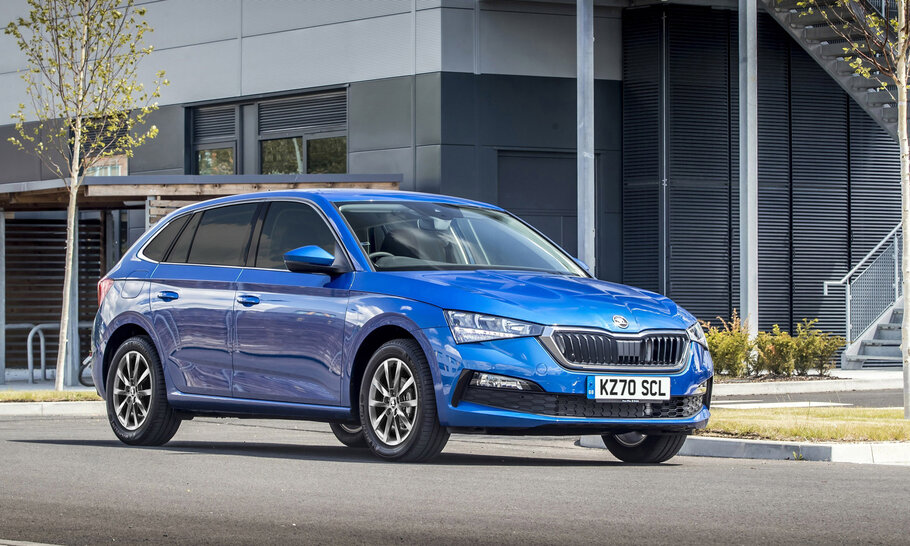
  • Scala raises the bar for value as ŠKODA introduces fleet-focussed SE Technology model

    Scala SE1

    Available to order now with a P11D from £18,625, the Scala SE Technology can be specified with five different petrol engine and gearbox combinations. The 1.0 TSI three-cylinder unit is available with outputs of 95PS and 110PS, with the higher-powered engine offered with the option a seven-speed DSG. For customers preferring more power, the 1.5 TSI engine develops 150PS and can also be specified with a seven-speed DSG.

    In keeping with ŠKODA’s other SE Technology models, the Scala variant features an equipment list developed specifically to meet the needs of business drivers. Building on the already generous specification of the standard SE model, the new SE Technology adds 16-inch Alaris alloy wheels, chrome window surrounds and rear LED lights with dynamic indicators. Inside, all SE Technology models include silver haptic decorative inserts along with a significant infotainment upgrade in the form ŠKODA’s Amundsen satellite navigation system with 9.2-inch glass colour touchscreen. The system comes with web radio and traffic sign recognition, while Care Connect and Infotainment online for one year is also included. Further peace of mind is provided by standard front and rear parking sensors.

    Despite significant boost in equipment, all Scala SE Technology models command a modest £400 premium over the standard SE model, making it remarkable value for company and fleet buyers.

    The Scala is the latest model to join ŠKODA’s acclaimed range of SE Technology models. The arrival of the Scala SE Technology further highlights the brand’s ongoing commitment to serving fleet customers. SE Technology models are now available on four ŠKODA product lines – Scala, Karoq, Octavia and Superb – with each one specifically tailored to meet the needs of fleet and business users.

    Such is the brand’s increased presence in the fleet sector that Business Car magazine recently awarded ŠKODA its Most Improved Manufacturer 2020 title. This was in recognition of both the brand’s SE Technology models and the support provided by ŠKODA’s dedicated fleet team.
  • Ferrari 488 GT Modificata

    2021 Ferrari 488 GT Modificata1

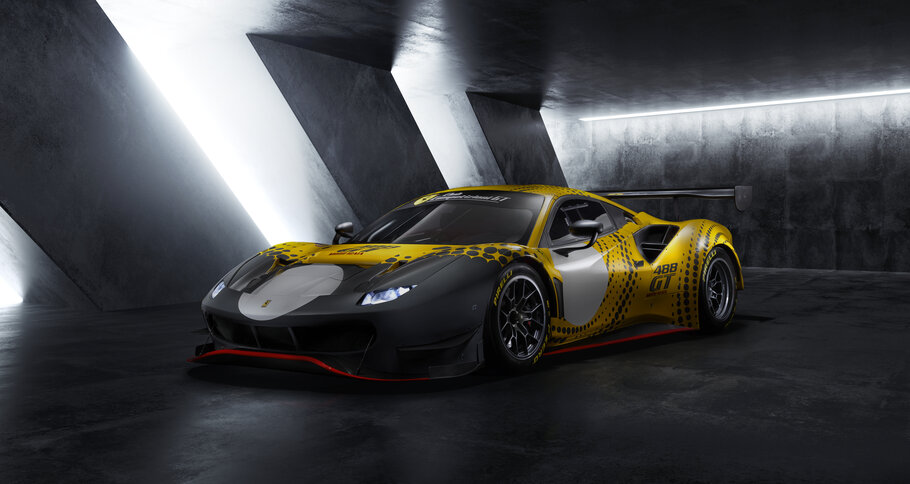
    Ferrari presents the new 488 GT Modificata, a limited edition car that incorporates the technology developed for the 488 GT3 and 488 GTE, transcending the limits imposed by technical and sporting regulations to exploit its full potential. The 488 GT Modificata is exclusively for use during track days and at Ferrari Club Competizioni GT events.

    Greater power. The car’s name includes the word “Modificata”, which in Ferrari jargon means designs that have been evolved for better performance. It maximises the already outstanding performance of the 488 GT3 and the 488 GTE by combining their most effective and innovative solutions, as well as developing new technologies linked mainly to a powertrain no longer limited by the FIA Balance of Performance. The legendary twin­ turbo V8 was subject to advanced research, which resulted in specific components and the carry-over of materials from the racing engine. The maximum power delivered by the engine is now around 700 cv, due to the use of innovative solutions and more extreme and high-performance mapping. All this without compromising Ferrari’s proverbial reliability. The gearbox, available with different transmission ratios, and the carbon-fibre clutch, help to manage the increased power and torque delivered by the engine.

    Noble origins. The 488 GT Modificata is a perfect synthesis between the 488 GTE that competes in the World Endurance Championship and the 488 GT3, queen of GT racing. These are some of the most successful models in the history of the Prancing Horse. This is clear from the over 350 wins and 630 podiums in national and international races secured by the 488 GT3 along with the FIA World Endurance Championship Drivers’, Teams’ and Manufacturers’ titles, and the 488 GTE’s triumph in the 24 Hours of Le Mans and the Petit Le Mans. After intense development work on the Nordschleife the

    488 GT Modificata benefits from completely revamped high-downforce aerodynamics, shifting the pressure centre forward. This generates higher downforce at the front without increasing overall drag, making for better efficiency and sensitivity to changes in rear wing angle. Apart from the aluminium roof and uprights, the bodywork is entirely in carbon-fibre like the 488 GTE. This contributes to a downforce of over 1000 kg at 230 km/h.

    Winning dynamics. When defining the vehicle dynamics of the 488 GT Modificata the engineers opted to use the 488 GTE’s suspension. The braking system was developed in partnership with Brembo. It features the low residual torque callipers that are fitted to world championship cars, coupled with an ABS system borrowed from the 488 GT3 Evo 2020, with specific settings. This synergy provides drivers with formidable handling and powerful, stable braking with limited fading.

    Unique equipment. The extensive standard equipment of the 488 GT Modificata includes a V-Box acquisition system, which is combined with Bosch’s telemetry data acquisition system. The expandable system allows data to be downloaded directly onto a USB stick. The high-resolution rear-view camera, second seat and TPMS system for measuring tyre temperature and pressure also all come as standard.

    Full personalisation. Like all Ferraris, the 488 GT Modificata offers customers a wide range of customisation options for both the exterior and interior. The car, produced in a very limited series, will initially only be for drivers who, in recent years, have participated in Competizioni GT with Ferrari or Club Competizioni GT.

    Club Competizioni GT. The 488 GT Modificata will be admitted to Club Competizioni GT events, an initiative that is carving out an increasingly prominent place among Ferrari’s track activities. The aim of Club Competizioni GT is to bring back to the track the most significant and successful cars in the recent history of Prancing Horse closed­ wheel racing, from the F40 Competizione to the more recent 488 GT3 and GTE. In 2021, customers will have the chance to participate in five events on tracks that bring out both the handling and dynamic qualities of the cars, such as the Virginia International Raceway, Monza, Watkins Glen, Suzuka and Nurburgring, as well as the Finali Mondiali

  • ŠKODA AUTO launches series production of the Enyaq iV at its main plant in Mladá Boleslav

    ŠKODA ENYAQ, výroba

    Michael Oeljeklaus, ŠKODA AUTO Board Member for Production and Logistics, emphasises: “The Enyaq iV is ŠKODA’s first series-production model that was designed as an all-electric vehicle from the outset. This means our new SUV also places entirely different demands on manufacturing processes and production sequences than models with combustion engines. This is also reflected in the extensive preparation and conversion measures that we have been implementing at our main plant in Mladá Boleslav since last summer. Today’s start of production of the ŠKODA Enyaq iV, on the only production line in the Group for vehicles based on the MEB and MQB, is a very special moment for our entire team.”

    At its headquarters in Mladá Boleslav, ŠKODA has invested 32 million euros in the conversion work required to enable both MEB and MQB models to be produced on the same line. In future, the brand will be manufacturing up to 350 units of the Enyaq iV here every day in a fully flexible manner alongside the Octavia and Karoq series. The car manufacturer adapted the building’s statics and designed the technologies for transporting parts to accommodate the weight of the fully battery-electric vehicles and the installed components. In addition, ŠKODA has introduced safety measures in the area of battery handling, for example, by installing thermal imaging cameras. These monitor the temperature in the workshop around the clock and trigger an alarm if any deviation is detected.

    Rear or four-wheel drive, sustainable materials in the interior and innovative assistance systems
    The ŠKODA Enyaq iV’s two battery sizes and four performance variants (UK information) ensure a sustainable yet fun driving experience. In the two most powerful variants, a second electric motor on the front axle works in combination with the rear motor. Depending on the battery size, the range is up to 316 miles in the WLTP cycle. Design Selections have replaced the traditional equipment lines for the interior. The harmonised interior options are inspired by modern living environments and use sustainably processed and recycled materials such as wool and leather tanned with plant extracts. The Enyaq iV is also the first ŠKODA model to feature a Head-Up Display with Augmented Reality, which displays information on the speed and traffic signs in two areas of the driver’s primary field of vision.

    In mid-2019, ŠKODA presented the first electric series models in its 125-year history with the fully battery electric ŠKODA Citigoe iV and ŠKODA Superb iV with plug-in hybrid drive. At its main plant in Mladá Boleslav ŠKODA produces high-voltage traction batteries that are also used by other Group brands in their models with plug-in hybrid drive. ŠKODA AUTO also emphasises the importance of targeted and comprehensive training in the area of electromobility for employees and apprentices as well as suppliers. To date, more than 16,000 team members have successfully completed the special training courses.

  • Limited edition MS-RT Transit Connect R120 is a bit of all white

    Connect R1201

    Here’s a rendition of ‘Frozen’ that you won’t mind sitting in front of in the run-up to Christmas.

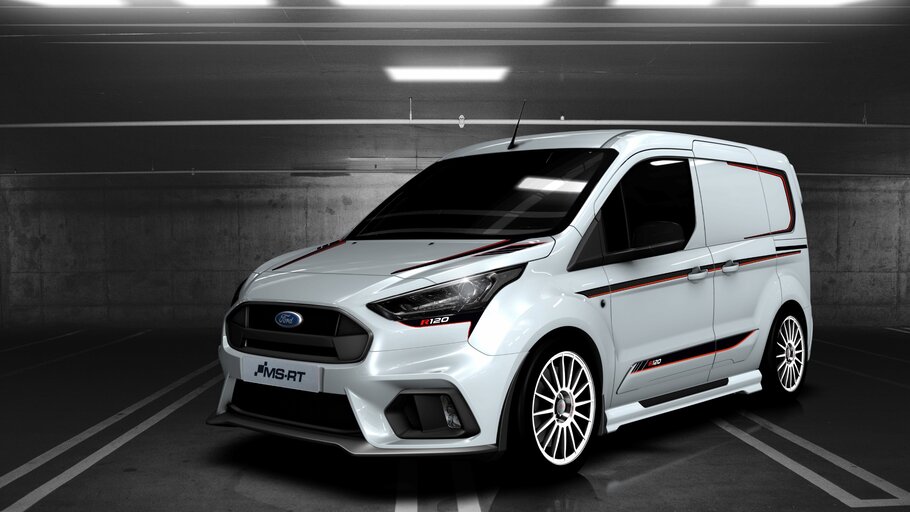
    Finished exclusively in Frozen White, the new MS-RT R120 is a Limited Edition of the Welsh company’s QVM-Approved MS-RT Transit Connect.

    The company, which uses styling and technology pioneered by Ford’s works rally team, is producing a limited run of 30 R120s in the mainland UK and 6 in Northern Ireland, with the model designed and built at its factory in Pontypool, South Wales.

    Priced from £25,995 + VAT, the strictly limited edition is based on the Transit Connect Panel van as a two or three-seater, in either short or long wheelbase configurations. The vehicle is available only in Frozen White, with subtle red and black rally decals and specially designed white rally-inspired OZ Racing Alloy wheels.

    The interior receives further MS-RT treatment, with full leather seats with red stitching and a full carbon fibre sports steering wheel with red centre line.

    In addition, it gets the MS-RT quad sports exhaust system with black exhaust tips, black mirror caps, bi-xenon headlamps, Ford Pass Connect, cruise control, wireless charging pad, reversing rear camera and dual sliding loading doors.

    A further feature is a Maxhaust system, which uses app-based technology to deliver the sound of a sports exhaust through the van’s integral speakers, giving it a soundtrack to match its impressive road dynamics. This product will be a supply-only option from MS-RT.

    The van will be available on a strictly limited basis with no plans to increase the production run, guaranteeing its status as a future collectors’ item and helping it stand out from other LCVs on the road.

    All MS-RT Transit Connects including the R120 match Ford’s three-year/100,000-mile warranty, with a choice of manual or automatic transmission.

    MS-RT Founding Director, Edward Davies, said: “The MS-RT Transit Connect has already been a huge success and we’ve developed the R120 in response to customer demand for something even more bespoke. The special edition model is sure to sell out very quickly and become an icon among fans of the MS-RT brand.”

    Each van is constructed by hand at MS-RT’s Pontypool factory, which employs over 80 staff, all individually trained to meet the company’s exacting levels of craftsmanship.

  • Bentley pledges support for rising photography talent through debut IAP Awards sponsorship

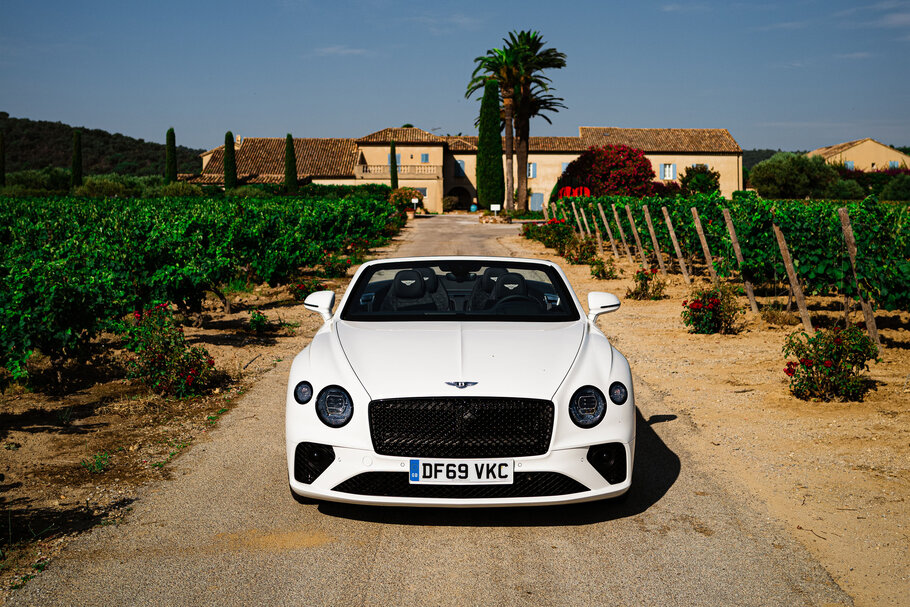
    2021 Bentley pledges1

    Bentley is delighted to announce its sponsorship of the International Automotive Photography Awards, powered by The Mechanists. The IAP Awards aim to establish and promote the best automotive photography, bringing together a passionate community of like-minded people and showcasing a variety of talents and creative works.

    Open to amateurs, professionals and anyone in between, and with six submission categories, participants have the chance to submit as many photographs as they wish, for the chance to win incredible prizes from global sponsors, including Bentley, Nikon, Farer Watches and HoldFast Gear.

    With six categories involved – motorsports, car spotters, under 18, atmosphere, beauty and phone photography – there is something for everyone, and entrants have the opportunity to work in familiar fields or try something new.

    Co-founded and judged by Hedi Sersoub, Amy Shore, Drew Gibson and Remi Dargegen, each submission will be observed by a panel of renowned photographers and automotive experts. Submissions will also be shared across social media accounts in the lead up to the winners being announced; with the intention of sharing inspiring work and developing an engaged community.

    The winner and finalists will be offered the chance to photograph a Bentley and feature on Bentley’s global Instagram channel with a reach of over nine million. Other prizes include winning a Nikon Z5 twin lens kit, Farer watch of choice and a bespoke harness from HoldFast Gear, alongside the chance to host his/her own solo exhibition in London. Each category finalist will win a Nikon Z50 Twin lens kit, Money Maker harness from HoldFast Gear and the chance to co-host a group exhibition in London.

    Bentley Director of Communications Wayne Bruce said, “at Bentley, we rely heavily on our trusted pool of talented photographers and content creators, so it is with great pleasure that we are able to support the new stars in this competitive and ever-innovating field. We are excited to see the work of some of our possible collaborators of the future.”

    Founder of IAP and The Mechanists Hedi Sersoub said “I wanted to start The IAP Awards to establish and bring together some of the most inspiring creative talents in the world of automotive photography. Having worked in the industry for years, and worked with so many talented people, I wanted to create a platform to showcase some amazing work and to inspire others. And being able to do so with Amy, Drew and Remi is very exciting for us in developing unique engagement and passion for the IAP Awards”.

    The awards are open for entries until 20 December.

    All work will be reviewed in January and winners announced in February.

  • Naran Automotive reveals the Naran – A 1,048HP, four-seater, GT3-inspired hyper-coupé

    Naran1

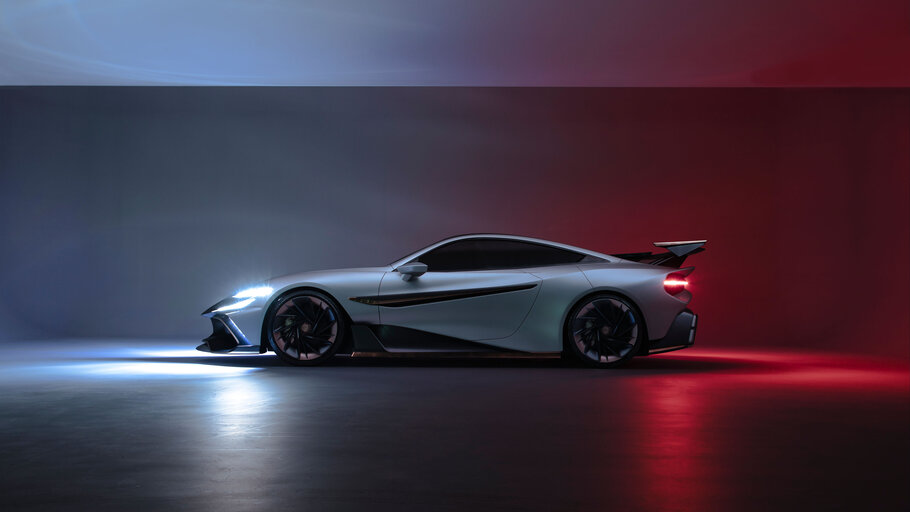
    Naran Automotive, the new manufacturer of luxury ultra-high performance cars, has revealed the exterior design of its first model – The Naran.

    The four-seater hyper-coupé will deliver an authentic GT3-style driving experience for the road when it arrives next year, combining the uncompromising performance and dynamics of a track-focused hypercar, with opulent ultra-luxurious materials inside and out.

    Just 49 examples of the first-of-its-kind, four-seater, all-wheel-drive, front-mid engined hyper-coupé will be created. Each vehicle produced will be individually tailored to the personal taste of the collector, including the designation of a bespoke model name – a convention normally reserved for luxury superyachts.

    Naran Automotive has brought together a team of world-class partners from the pinnacle of automotive design, motorsport, material innovation and powertrain development to create The Naran.

    Jowyn Wong, founder of Wyn Design and visionary behind the Apollo IE and De Tomaso P72, is leading the design, while colour and materials design is being tailored by Kate Montgomery, former Aston Martin Lagonda designer.

    The bespoke 5.0-litre twin-turbo V8 engine is being crafted in Germany with partners Racing Dynamics and development of vehicle dynamics is being overseen by EY3 Engineering and Daniel Mense, renowned for his work on the NIO EP9 – the electric car Nürburgring lap record breaker.

    Performance
    The Naran will be capable of 0-60mph in less than 2.3 seconds, 0-100mph in 4.56 seconds and an expected top speed of over 230mph, with the 5.0-litre twin-turbo V8 engine producing 1,048 bhp and 1,036Nm of torque. The motorsport-inspired aerodynamic package helps produce an industry-leading 1,377kg of downforce, exceeding that of a GT3 race car.

    Power is delivered by an all-wheel-drive system, providing both secure traction and confidence-inspiring performance in all conditions, with the option to switch to rear-wheel drive for a challenging, yet rewarding, analogue driving experience. The bespoke, race-derived double-wishbone suspension will apply adjustable front and rear anti-roll bars and camber and toe adjustments so customers can tailor the dynamic set-up to meet track specific demands.

    Damping is provided by an Ohlins four-way adjustable race-spec system, enabling the driver to push their vehicle to the absolute limit even in the most demanding track conditions. The Naran will also adopt a race-grade hydraulic steering rack, carbon ceramic brakes developed for endurance racing, and spherical bearings for improved steering feel and precision.

    Design
    Designed by the founder of Wyn Design, Jowyn Wong, the man behind the Apollo IE and De Tomaso P72, The Naran encompasses a monolithic design language with sharp, purposeful lines, delivering an unmistakable coupé silhouette.

    The long, leaping bonnet, performance-focused rear wing and aggressive front intakes give it an unrivalled presence on the road and track. The front splitter and rear diffuser appear as one-piece, with the exposed functional aerodynamic elements balancing the beautiful form of The Naran’s ultra-lightweight carbon composite body. The performance-focused theme is continued with the addition of 22-inch hybrid-carbon wheels and a distinct side aero blade exposing the front wheel arch for cooling and aerodynamic efficiency.

    The Naran features bespoke detailing and first-class attention to detail, showcasing industry-first flax carbon composites in expressive material inserts across the exterior, with the natural fibres giving each of the 49 examples a tailored finish. The biodegradable flax composite is ultra-lightweight and not only provides a unique aesthetic in visual form, with a range of finishes available, but also delivers improved vibration damping over carbon fibre.

    Ameerh Naran, CEO and founder of Naran Automotive, said: “Our vision is to create the most beautiful and thrilling cars in existence, inspiring future generations to pursue their wildest dreams.”

    “With The Naran, we are creating a unique ownership experience and a new perspective on shared driving experiences – a GT3-inspired, driver-focused, front-mid engined 2+2 hyper-coupé, that delivers unrivalled material innovation and a commitment to reviving the analogue driving experience. The Naran is the true embodiment of art on wheels, designed and developed by some of the greatest minds in the industry.”

    The model will debut in early 2021. For more information about the brand visit naran-automotive.com.

    INTRODUCING NARAN AUTOMOTIVE
    Naran Automotive’s founding team is both deeply respected and highly experienced. Our senior engineering and design experts have been hand-selected from the very best the automotive industry has to offer.

    Meet the team behind Naran Automotive:

    Founder/CEO: Ameerh Naran
    Ameerh Naran, 34, is CEO and founder of Naran Automotive. During Ameerh’s early years, he raced in several single-seater championships before turning his entrepreneurial ambitions towards establishing himself in the premium luxury sector. After building Vimana Private Jets into a globally recognised brokerage, he is now focused on delivering a truly unique, and record-breaking, portfolio of cars.

    COO: Steve Pegg
    Leading the vehicle programme is Steve Pegg, a highly experienced senior vehicle engineer who has previously worked on highly successful and challenging portfolios for both established OEMs and electric vehicle start-ups.

    Design: Wyn Design
    The design team is led by Wyn Design founder Jowyn Wong. Jowyn created the Apollo IE – a $2 million hypercar that was a halo product for the new brand. Equally memorable was the De Tomaso P72 – a $1 million supercar tasked with reviving a dormant brand by re-introducing a 1960s race car-inspired design language.

    Powertrain: Racing Dynamics
    Racing Dynamics, a manufacturer of performance parts and specialist vehicles with 40 years of experience and heritage in racing, is crafting the Naran’s bespoke engine. Racing Dynamics has supported premium brands including BMW, Mercedes-Benz and Rolls-Royce to deliver TÜV-accredited performance systems.

    Engineering: EY3 Engineering
    Leading vehicle dynamics specialist, EY3 Engineering, was founded in 2016 and has designed three manufacturer-backed international touring cars, all of which took a race win on their debut and championship honours in their inaugural seasons. The team is being led by Daniel Mense, renowned for his work on the NIO EP9 – the electric car Nürburgring lap record breaker.

    Materiality: Kate Montgomery
    Kate is responsible for The Naran’s unique interior. An experienced designer specialising in colour, material and finish, trend insight and forecasting, Kate has consulted on projects in automotive, aviation concept and rail. She has worked at Aston Martin Lagonda, where she assisted in shaping the interior design strategy for several years.

  • Hyundai Motor announces name of its all-new SUV: Hyundai Bayon

    Hyundai Bayon1

    Hyundai Motor has revealed the name of a new crossover SUV model: Hyundai Bayon. Coming to the European market in the first half of 2021, Bayon will be a fully-new model and an important addition to the current Hyundai SUV line-up.

    “Hyundai is strongly established in the European SUV market already, in terms of our model range as well as our sales success,” says Andreas-Christoph Hofmann, Vice President of Marketing & Product. “By launching a new, additional B-segment model as the entry point into our SUV line-up, we see a great opportunity to cover European customers’ demand even better and to increase our offering in a highly popular segment.”

    Hyundai Bayon will join the Kona, Tucson, NEXO and Santa Fe, becoming the latest member of the Hyundai SUV line-up in Europe.

    The name Bayon was inspired by the city of Bayonne in the southwest of France. As Hyundai Bayon is primarily a European product, Hyundai decided to name it after a European city. Positioned between the Atlantic coast and the Pyrenees mountains, the French town is a great location for those who enjoy activities such as sailing and hiking, fitting with the lifestyle character of the new model.

    During the last 20 years, the company has frequently taken inspiration from locations around the world to generate some of the best-known nameplates among SUVs. These include not only the Tucson and Santa Fe, named after cities in the states of Arizona and New Mexico respectively, but also the Kona – whose name is derived from the Kona district on the Big Island of Hawaii. Even the pioneering fuel-cell electric vehicle NEXO has a geographic connection, taking its name from Nexø – one of the largest towns on the popular Danish holiday island of Bornholm.

    More details about the Hyundai Bayon will be revealed soon.

  • Vauxhall introduces updated prices and specifications for 2021 Corsa and Corsa-e

    2021 Vauxhall Corsa SRi Nav Premium1

    Vauxhall is making the switch to electric even easier with lower on-the-road prices across the all-electric Corsa-e range, as part of its 2021 model updates to both the Corsa and Corsa-e.

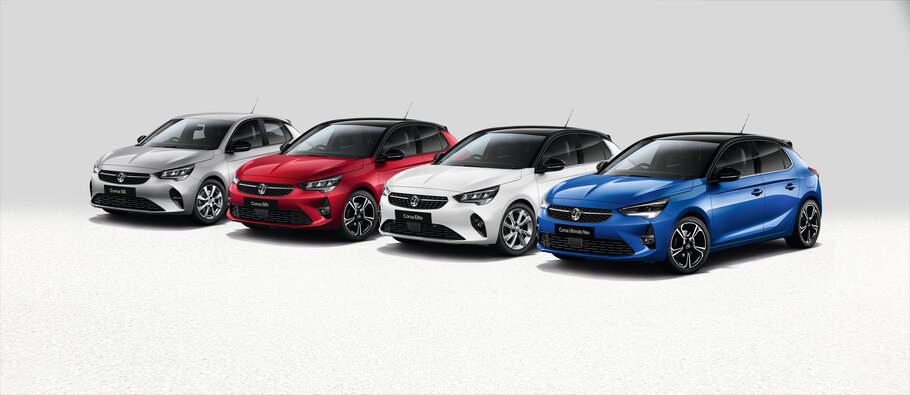
    Alongside the new on-the-road prices for the new all-electric Corsa-e, the 2021 Corsa and Corsa-e models feature new styling updates, a wider trim selection and new engines for the Corsa.

    Order banks for the 2021 Corsa and Corsa-e are already open. Prices for the Corsa start from £16,440 in SE trim, while the all-electric Corsa-e starts from £26,640* in SE Nav Premium trim.

    Corsa-e

    A key change for 2021 models is the on-the-road price reduction across every all-electric Corsa-e variant, with savings of more than £1,000 on-the-road for entry-level SE Nav Premium models, making the fully electric model even more affordable.

    All Corsa-e trim levels have also been renamed for 2021, and now include ‘Premium’ as part of the new naming structure in recognition of the comprehensive standard equipment. The Corsa-e is available in SE Nav Premium, SRi Nav Premium and Elite Nav Premium.

    New for Corsa-e 2021 model line-up is the sportier SRi Nav Premium trim which adds 17-inch alloy wheels, sports seats, specific SRi interior with red accents, dark-tinted rear windows and sports pedals. This means customers looking for a sporty Corsa can now choose between the petrol and diesel variants, as well as the all-electric Corsa-e.

    All Corsa-e models feature a 50kWh battery and 100kW (136PS) electric motor, capable of up to 209 miles from a single charge. Supporting up to 100kW rapid charging, an 80% charge can be achieved in just 30 minutes. And if that wasn’t enough, the all-electric Corsa-e was recently honoured as The Sun’s Car of the Year as part of the News UK Motor Awards.

    Corsa

    Petrol and diesel variants of the Corsa will now be available in SE, SE Premium, SRi, SRi Premium, Elite, Elite Nav, Elite Nav Premium and Ultimate Nav trims. Elite trim is new for 2021 and sits below Elite Nav and Elite Nav Premium models, aimed at customers who require the same levels of standard equipment but do not need built-in navigation.

    The SRi models now come with Vauxhall’s light pack as standard – featuring LED front fog lights, LED taillights and automatic lighting control. SRi and SRi Premium models come as standard with 17-inch bi-colour wheels, helping the model stand out on the road.

    A key change for 2021 Corsa vehicles is the introduction of a new 1.2 Turbo 130PS 8-speed automatic engine with Normal, Eco and Sport modes, available on SRi and Ultimate Nav models. Featuring a stylish twin exhaust for a sportier look, the eight-speed unit is capable of 0-60mph in just 8.2 seconds. A 1.2 75PS engine is now also available on Elite models.