Tag: Concept

  • History On Wheels: Chevrolet Camaro /1993 – 2012/

    Since its production in 1967 Chevrolet Camaro became an emblematic muscle car model which had captured and still enchants many hearts (including mine). With its distinctive exterior and strong stance, combined with an outstanding performance throughout its 45 year s of history, it is no surprise that it has become one of the iconic cars of our society.

    Through the years from its first appearance in the automotive world, till 1992, the model underwent three transformational stages, through which it’s exterior, interior and performance were improved and eventually made the car famous.

    In 1993 began the production of fourth generation Camaros. Until the year of 2002 they had a strong presence on the market, although after 2002 there was a eight year break in the production of the model.

    In this period the car was even lighter in weight. It was made from plastic body panels over a steel space frame. In addition it had several optimizations in terms of suspension, for instance. What was new here was the LT1 V8 engine mated to a six-speed manual transmission. However, the V8 engine didn’t come as a standard but was optional instead and only went standard on Z28 models. As a standard came the 160 hp (118 kW) 3.4 L V6 engine working with a five-speed manual or four-speed automatic transmission.

    No matter how much it had change through the years, Chevy Camaro manged to retain its main characteristics, which made its so popular. It still got the same coupe body style with 2+2 seating and was offered in a cabriolet version. There wasn’t any change regarding the rear-wheel drive as well.

    An innovation to be highlighted is that now the anti-lock brakes were standard equipment for all models of the vehicle. And in time there were slight transformations of the interior and the exterior as well.

    Fourth generation 1993 Chevrolet Camaro Z28

    And the year of 2002 was the 35th anniversary of the model: its production in fact didn’t suffer any pauses but remained in continuous manufacture.

    Nonetheless, due to sales drop, the Camaro was taken out of production.

    The year of 2006 is that one when the model regained power and “got back to life”. This was the time when two concept models were developed – coupe and convertible, thank to which started the beginning of the fifth generation of Camaros. The new models however went on production three years later – in the spring of 2009, and been sold as 2010 model year vehicles.

    2007 Chevrolet Camaro Convertible Concept

    no images were found

    The coupe has been manufactured in LS, LT, and SS trim levels. The first two models are powered by a powerful 3.6 L V6 engine, which produces the exciting 304 hp (227 kW). Here the customers have a choice in terms of gear-shift: it can be either six-speed manual or a six-speed automatic with manual shift. On the other hand the more exuberant SS version is empowered by the 6.2 L LS3 V8 engine. The latter develops the outstanding 426 hp (318 kW) and is mated to a six-speed manual transmission. And if the driver is more keen of automatic gear-shift, than he or she has to be satisfied with the L99 V8 engine, which produces 400 hp (300 kW).

    And as I already mentioned in the previous article, 2012 is they year when General Motors marks the 45th anniversary of the Camaro. As a natural consequence, the Chevrolet brand will release a special limited edition model finished in striking Carbon Flash Black with bespoke red and silver anniversary stripes, dark silver 20-inch alloys, a unique 45th anniversary leather interior with red, white and blue stitching and a one-off white-backed instrument panel.

    2012 Chevrolet Camaro 45th Anniversary Edition

    Furthermore, the 2012 Camaro models include all of the characteristics that made the original muscle cars famous. That automatically means that they got great performance and stunning looks. All models come with six-speed manual or a six-speed automatic transmission. The power of the Chevy comes from its 6.2-litre V8 engine, which delivers the 432 hp (317 kW). This makes it possible for the new model to accelerate from 0 to 100 km/h in only 5.2 seconds.

    2012 Chevrolet Camaro ZL1

    Few, days ago Chevrolet brought Camaro further with the introduction of the 2013 Chevrolet Camaro 1LE. It includes and upgraded package and will be offered as usual in both coupe and convertible versions. The model carries V8 under its bonnet which is mated to a manual transmission as standard. The latter is able to produce the impressive 426 hp (318 kW) at 420 lb-ft of torque (569 Nm).

    What is distinct for this model is that it has some new exterior features such as a matte-black hood, a front splitter and a rear spoiler. Regarding the interior, it includes suede micro fiber material, which covers the flat-bottomed steering wheel and the gear shift.

    2013 Chevrolet Camaro 1LE

    And by going through all the history around this emblematic muscle car, I can only say that it will undoubtedly stay in the automotive world for a long time in the future, due to its strong presence and successful history.

  • Jeep launches Altitude Limited-Edition Models

    2012-Jeep-Grand-Cherokee-Altitude-THUMBJeep brand has just introduced the launch of the new limited-edition series of 2012 Jeep Grand Cherokee Altitude, 2012 Jeep Compass Altitude and 2012 Jeep Patriot Altitude.
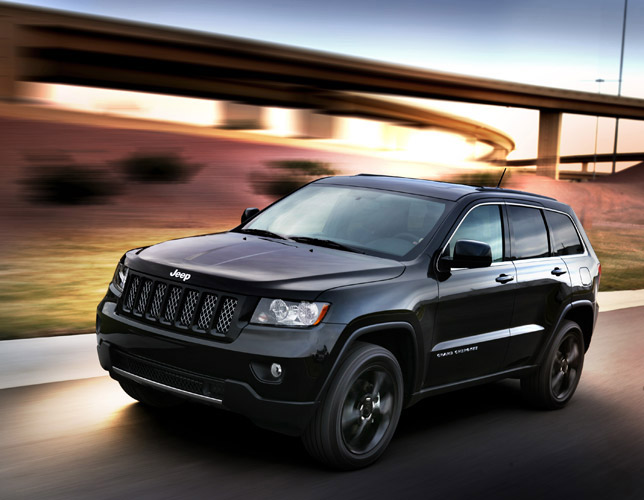
    In January, Jeep introduced a distinctive, “blacked-out” production-intent concept Grand Cherokee. With this introduction, the brand decided to leave an important part to the customers themselves. They had to give a name to the model. With more than 100,000 entries from enthusiasts, what emerged as a name was “Altitude”.

    Both three new models will be at dealerships in beginning of May.

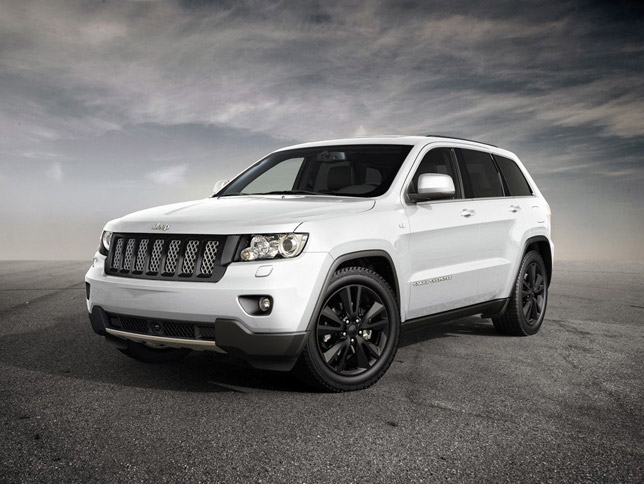
    2012 Jeep Grand Cherokee Altitude limited edition combines a variety of exterior design changes, which result in a unique model with an aggressive chrome and “blacked-out” look.

    The vehicle’s grille surround appears in black gloss, and mesh grille texture in platinum chrome. The front-end appearance is completed by a platinum chrome lower fascia appliqué.

    In addition the “blacked-out” theme throughout the vehicle’s exterior is continued by a black headlamp bezels and a black liftgate light bar. The SUV sits on 20-inch tires which surround black-gloss aluminum wheels.

    2012 Jeep Grand Cherokee Altitude
    2012 Jeep Grand Cherokee Altitude

    Furthermore the interior of this model features standard leather-trimmed seats, heated front seats, leather-wrapped steering wheel and shifter, a 9-speaker 506-watt amp sound system with subwoofer, iPod/MP3 connectivity, Parkview™ rear back-up camera, ParkSense® rear-park assist system, Keyless Enter-N-Go, Chrysler Group’s Uconnect hands-free communications system.

    Additionally, over 50 advanced safety and security features are also included.

    The model is available in several different colours: Deep Cherry Red, Brilliant Black, Mineral Gray, Bright Silver Metallic, Maximum Steel Metallic and Stone White.

    2012 Jeep Grand Cherokee Altitude has a starting price of $35,595 for 4×2 models and $37,595 for 4×4 models.

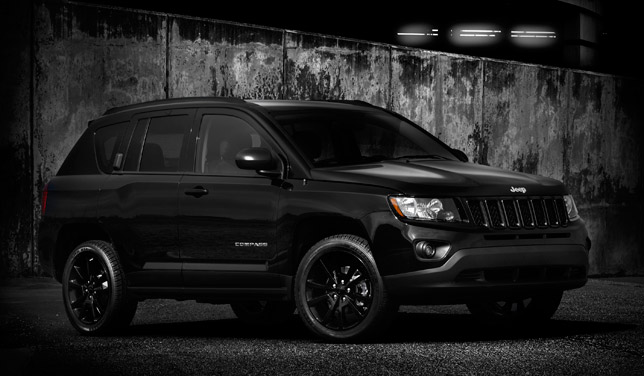
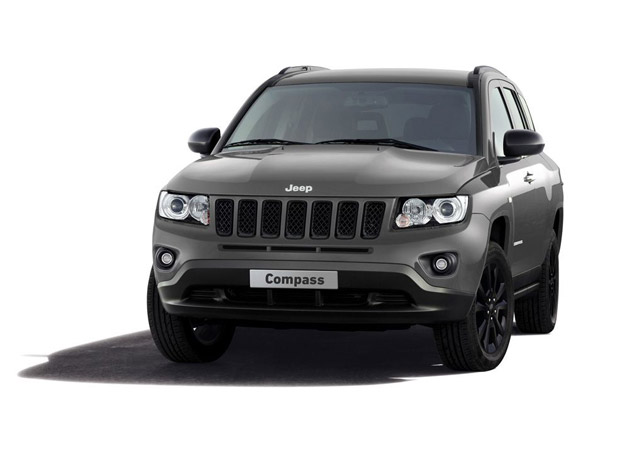
    2012 Jeep Compass Altitude is one of the two newly developed limited edition models. It is a continuation of the “from-the-factory” customized look first seen in the Grand Cherokee concept.

    What is typical about it is that it has a distinctive black gloss finish which surrounds Compass’ trademark seven-slot Jeep grille and headlamps.

    The same style continues with black roof rails and a black step pad. In addition the 2012 Jeep Compass Altitude rides on the outstanding 18-inch black gloss aluminum wheels wearing Firestone BSW all-season performance tires.

    2012 Jeep Compass Altitude
    2012 Jeep Compass Altitude

    To go further into details this model is available in three drivetrain configurations (including available Freedom Drive I and Freedom Drive II Off-Road packages).

    Additionally, in it’s interior it features power heated exterior mirrors and heated seats, remote start, continuously variable automatic transaxle, a leather-wrapped steering wheel with audio controls, and includes numerous safety and security features, such as electronic stability control, electronic roll mitigation, Hill-start Assist (with manual transmission), and side-curtain air bags that cover all rows.

    What is more here is that the Compass Altitude will be offered in several body colors: Deep Cherry Red, Black, Mineral Gray and Bright White.

    2012 Jeep Compass Altitude comes with a starting price of $22,190 for 4×2 models and $23,940 for 4×4 models.

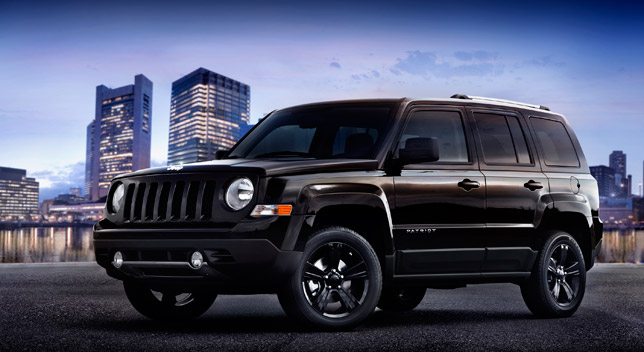
    Next, the last limited edition model carrying the name Altitude is the 2012 Jeep Patriot Altitude. Of course, as the previous two versions, it continues the “blacked-out” theme.

    However, it includes even more chrome and polished steel than its Compass sibling.

    2012 Jeep Patriot Altitude
    2012 Jeep Patriot Altitude

    What is specific here is that it rides on 17-inch high-gloss black aluminum wheels and Firestone BSW all-season touring tires.

    The 2012 Jeep Patriot Altitude boasts a bright chrome lower fascia and rear step pad appliques, and bright polished steel roof rails.

    Here as well, the Patriot Altitude edition is available in three drivetrain configurations (including available Freedom Drive I and Freedom Drive II Off-Road packages). In the interior package if this SUV are included: power heated exterior mirrors and heated seats, power windows (driver one-touch) and locks, continuously variable automatic transaxle, a leather-wrapped steering wheel with audio controls.

    Additionally, it includes a wide range of safety and security features: electronic stability control, electronic roll mitigation, Hill-start Assist (with manual transmission), and side-curtain air bags that cover all rows.

    The model will be available in versatile color themes: Deep Cherry Red, Black, Mineral Gray and Bright White.

    2012 Jeep Patriot Altitude’s starting price is $20,240 for 4×2 models and $23,275 for 4×4 models.

    Source: Jeep

  • 2012 Geneva Motor Show: EDAG Light Car – Sharing concept car

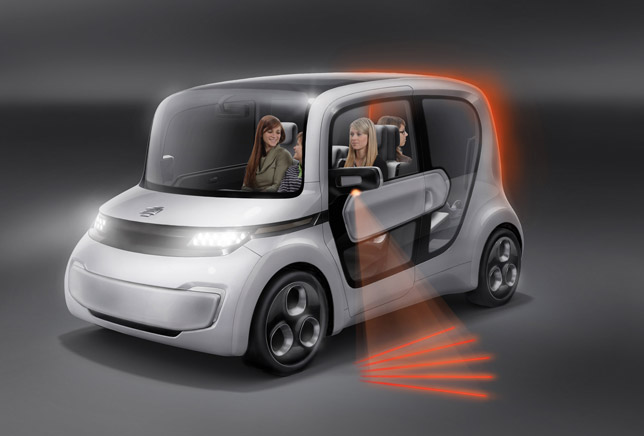
    2012-EDAG-Light-Car---Sharing-concept-car-THUMB2012 EDAG Light Car – Sharing concept car is thefirst vehicle to have been specifically designed to meet the needs of the growing car sharing sector. It is designed to include the maximum possible space inside, and also the exterior has resilient surfaces. It is electrically driven and in resonance with Light Car philosophy. In particular, the light is used as a means of communication to indicate the leasing status of the vehicle.


    For leasing purposes a car should be practical, robust and self-explanatory. Hence the exterior is of height of 1.90 meters, which makes it easy for the passengers to get in and out. In addition there is very convenient parking system, which is sensitive to spots around the bumper. As the name shows, the light plays crucial role and serves as a communication instrument. When the car is being charged or reserved, or available for hire, the LEDs integrated in the gel pads and “PLEXIGLAS ® LEDs” manufactured by Evonik Industries AG use three different colors to give a highly visible indication of the status. In addition, there is a laser, which when parking the car or opening the doors, projects a safety zone onto the asphalt, ensuring that passengers can get in and out in safety.

    2012 EDAG Light Car - Sharing concept
    2012 EDAG Light Car – Sharing concept

    Besides the two side doors with simple sliding windows, the “concept vehicle also has twin rear doors. The coupe features six folding seats arranged in two rows of three. A special emphasis has been put on an intuitive operating concept: aside from the accelerator, brake and steering wheel, the only other control is a lever to work the indicators. This means that there is just one display element, which only gives the important data (speed, charge, range, navigation).
    Furthermore EDAG Group is also exhibiting a networked mobility concept for booking the future share car fleet. In particular, the operators of future car will use GPS to locate their vehicles and communicate their locations to potential customers. Hence, it will be possible to inform the customer which cars are available, and then guide him to the nearest one by means of the navigation system in his smartphone. Of course, the booking will be made via Internet, and the customer can then access the vehicle through electronic “Bluetooth key”.

    In addition, the concept car features the so called “intelligent charger”: besides performing the actual charge process, the “intelligent charger” also sends vehicle information via the power supply system and decides itself when is the perfect time for charging. It does this by taking into account the availability of renewable energies and mobility behavior. More importantly, the operator receives all important information on the status of the vehicle online. The communication between car and user is even further enhanced with new services such as automated legitimation and the selection of individual tariffs or prices per minute. This interconnection brings about considerable added value for the entire mobility system. What it does in details, is that it gives the energy provider the chance to make use of energy storage and in this way reduce load fluctuations in the grid due to electric cars being connected. On the other hand it ensures that there is sufficient resource-saving energy to charge the share vehicles whenever necessary.


    Source: Edag

  • 2012 Toyota FT-Bh Concept – Hybrid of the Future

    2012 Toyota FT-Bh Concept is making its debut at the 2012 Geneva Motor Show and will showcase its ultra-light body, weighing less than 800kg. This demonstrates what can be achieved in terms of fuel consumption and CO2 emissions in an affordable family supermini. Due to the exclusive low weight, the aerodynamic design and the highly efficient powertrain, the FT-Bh Concept can achieve average 134.5mpg fuel consumption and 49g/km CO2 emissions. Toyota’s aim was to achieve the best possible fuel economy and emissions. This was made through five key areas: reducing weight; driving resistance (including aerodynamic and tyre performance); powertrain efficiency; thermal energy management; and electricity savings.

    Under the slogan “Ecomotion” went the work of the styling of the new FT-Bh, with its shape demonstrating a new approach to bodywork design. Key panels, such as the roof, are formed to represent the way fabric can be stretched taut between fastening points, to reflect their ultra-light weight. The front end of the car broadcasts Toyota’s current design philosophy. The ultra-slim A and C-pillars maximize the visibility and the sense of space in the cabin. The best possible aerodynamic performance and the drag coefficient of just 0.235, is possible thank to the uplifted rear bumper and chevron-shaped corner elements. The stretched fabric-look carries through to the minimalist interior, with a concave centre console creating a driver-focused cockpit.

    The aim for the concept vehicle was to achieve 25 per cent saving on the 1.0-litre Yaris’s 1,030kg weight. Thank to the combination of high-tensile steel, aluminium and magnesium in the construction this lead to the weight of just 786kg. Although the hybrid powertrain is heavier than the three-cylinder 1.0-litre engine (weighing about 60kg), the combined mass of the bodyshell was further reduced. For instance the interior trim, chassis and electronics had to be reduced by around 340kg. These large saving in the weight of cabin parts has had a ripple effect in weight reduction in the rest of the vehicle, which allows the components to be downsized. And less weight means a smaller displacement engine can be used, further saving weight and thermal energy losses.

    2012 Toyota FT-Bh Concept
    2012 Toyota FT-Bh Concept

    FT-Bh’s full hybrid drive system is a masterpiece in terms of powertrain downsizing. With substantial weight savings in every driveline component, it is almost 90kg lighter than theHybrid Synergy Drivesystem used in today’s Prius for example. The engine is lightweight, namely: two-cylinder 1.0-litre Atkinson cycle petrol engine. It allows the combination of high efficiency with low thermal capacity and benefits with detailed measures to increase combustion efficiency and reduce friction. The result is fuel consumption of 134.5mpg and CO2 emissions of just 49g/km.

    Further benefits from the car’s light weight is that it makes the vehicle agile and responsive to throttle and brakes, and thanks to its electric motor delivering maximum torque from standstill, it is nimble, too. In addition, the Toyota’s Hybrid Synergy Drivetechnology serves as a study for how even greater fuel efficiency might be achieved in the medium term by using two alternative powertrains: a compressed natural gas hybrid (CNG-HV), with 38g/km CO2 emissions; and a Plug-in hybrid (PHEV), emitting just 19g/km.

    2012 Toyota FT-Bh Concept Interior
    2012 Toyota FT-Bh Concept Interior

    What is interesting here is that the concept represents a comprehensive study in next-generation aerodynamic techniques. For instance it features air curtain intakes on the frontal extremities of the bodywork; air-stream alloy wheels; the replacement of airflow-disrupting door mirrors with cameras; latches in place of handles to open the doors; a pagoda-style roof with a dropped rear section; and a sharply cut rear end that incorporates an air outlet slit and an underfloor spoiler to smooth the flow of air away from the vehicle. Together these measures bring the Cd down from a B-segment/supermini average of about 0.29 to just 0.235. Toyota FT-Bh has large diameter 145/55R18 low rolling resistance tyres, which make a significant contribution to bringing down the road load and driving resistance, with no loss of grip or traction.

    More highlights about the FT-Bh are concerning the improvements in the recovery of thermal energy and a 50 per cent reduction in electricity consumption. This was achieved through thermally efficient components in the cabin. In addition, the air conditioning focuses only on parts of the car where people are sitting. The amount of electricity used by the LED headlamps, interior lighting and other electrical components has been significantly reduced, to the extent that power consumption is half that of conventional cars. The glazing has been designed for maximum thermal efficiency and even the matte paint has been chosen for its excellent heat insulation characteristics.

    Source: Toyota

  • Nissan Hi-Cross Concept Teaser [VIDEO]

    Nissan-Hi-cross-Concept-ThumbNissan is the one of the biggest leaders in the production of crossovers all over the world. What we are going to see from the brand at this year’s Geneva Motor Show is something spectacular.

    There, we are promised to preview how Nissan explores new ideas and manifest them in reality. In addition, the brand is looking for an expansion in terms of award-winning range segment, and this is exactly where the attention will be put on the show in Geneva. A sneak peak of what is going to come and what we are going to see on 6th of March is the exclusively released video teaser of the new Nissan Hi-Cross Concept vehicle. The video is so creatively made that after watching it you’ll be “hungry” to know more about the upcoming concept car. Of course, any other details than these are scarcity at the moment so we have to wait till the show next week.

    Nissan Hi-Cross Concept
    Nissan Hi-Cross Concept

    So, let’s have a preview of the new Nissan Hi-Cross Concept:

    httpv://youtu.be/yA1IOFx5S8A

    Video Source: YouTube

    Source: Nissan

  • Range Rover Evoque Convertible Concept

    LR-Evoque-Convertible-Concept-thumbGet ready for something new. Although the markets today are flooded with all kinds of SUV’s, Land Rover are going to introduce one that will fascinate the world. Welcome to the Land Rover Evoque Convertible Concept. A world debut is set for the 82nd Geneva Motor Show in no more than two weeks time.

    The Convertible Concept is actually a standard Evoque Coupe that has sped through a really, really low bridge and the hard top was scraped clean off the car. Well, it is actually more complicated than that, but it will have the Evoque’s engine lineup – a 2.2-liter diesel with 150bhp or 190bhp, and a 240bhp 2.0-liter petrol unit. That may come as a disappointment for some as it is common knowledge that making a convertible takes some extra weight and strengthening. The soft-top retracting mechanism is neatly snug below the belt-line and the distinctive shape of the original has been preserved to near perfection.

    Inside, one still gets a hefty amount of Evoquishness – Terrain Response, surround cameras, Park Assist, an 8-inch dual view touch screen and a Meridian sound system. Predominant colors in the passenger area are Lunar and Ivory while outside, the body work is Causeway Grey metallic, complemented by 21-inch wheels that have a Titan silver finish.

    The Evoque Convertible Concept really does look like a bathtub with a windshield but in a sort of a cool way. We really like the uncanny feel that this car radiates and we hope other people like it too. Production is still questionable and most likely the Geneva Show will play a decisive role in the concept’s future. Should the reception turn out positive we might see it in a couple of years on the streets.

    Land Rover Evoque Convertible Concept
    Land Rover Evoque Convertible Concept

    Source: Land Rover

  • The Exclusive “Nissan CMF” Next-Generation Vehicle Engineering “4+1 Big Module Concept”

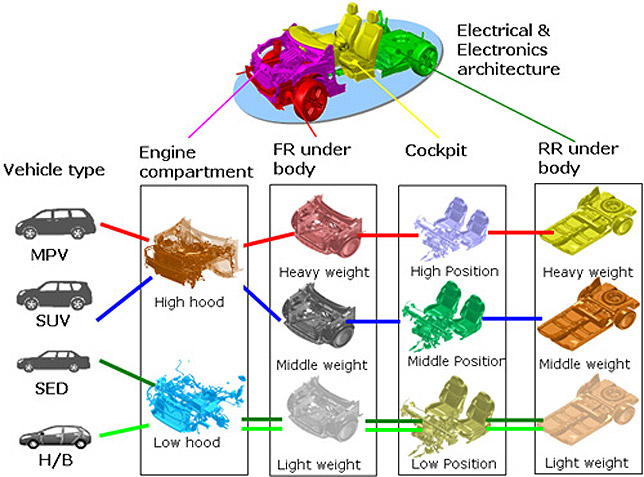
    Nissan-INVITATION-Concept-THUMBNissan has just announced the introduction of its next-generation vehicle engineering concept. It carries the name Nissan Common Module Family (CMF) and it is going to be featured in vehicles in 2013. The innovative CMF technology combines modular engineering with Nissan’s own engineering technologies, in areas such as simulation and variation engineering  and simplicity. With the development of CMF, Nissan expects to raise the popularity of its products and thereby significantly expand sales volume. Since a long time already has Nissan been promoting vehicle platform communization. It started with several vehicle variations derived from a single platform. As a result, this has become critical to achieving the rapid improvements in products, which is necessary for a company to survive in the competitive market. Nissan is aware that each new vehicle that is developed must include distinctive characteristics, improved fuel economy, passenger safety and IT features, and the rapid application of the latest technologies into the development process. It is important now that volume efficiencies must be achieved with the help and use of common vehicle structures, components and parts. Up to now, it was difficult to balance such contrasting elements. However, Nissan is fully embracing these challenges and implementing its next-generation “Nissan CMF” vehicle engineering strategy.

    “Nissan CMF” Next-Generation Vehicle Engineering “4+1 Big Module Concept”
    “Nissan CMF” Next-Generation Vehicle Engineering “4+1 Big Module Concept”

    In details, the application of Nissan CMF determines the use of four modules – engine compartment, cockpit, front underbody and rear underbody – as well as the architecture for electronic components, with each module having appropriate variations. What is important here is that vehicles are designed by combining these modules in different ways. Hence, all this results in variety of vehicles, depending on the module configuration: from compacts, large-sized vehicles through to tall SUVs. All of them can be efficiently designed.

    Nissan brand made a committement to introducing 90 new technologies by 2016 and Nissan CMF is one of them. It will enable commonization that transcends vehicle segments, efficiency, and make the application of attractive new technologies across several models.

    Source: Nissan

  • Ford Evos Concept includes future technology experience

    Ford-Evos-Concept THUMBThe exciting Ford Evos Concept was firstly unveiled to the public at the 2011 Frankfurt Motor Show. It shows how technology can significantly improve the driving experience for each customer. It is based on connectivity between the vehicle and the driver’s “personal cloud” of information. Furthermore it includes technology vision for enriched customer experience with the means of personalization, adaptation and creativity. In addition Evos Concept is designed around a technology experience which embraces a new generation of driver interaction and awareness which is currently under development in the Ford Research and Innovation laboratories. With information from the drivers’ personal cloud, the vehicle can provide the same connected lifestyle the driver experiences at home or office. The car knows the driver, and automatically adapts handling, steering and engine controls to deliver an exceptionally dynamic driving experience. Moreover, Ford researchers are focusing in this area in order to deliver on four key customer benefits: personalization, seamless enhancement of the driving experience, looking after the driver’s well-being and delivering smart electrified powertrain optimization. The technology used in the cehicle draws from a detailed understanding of the driver’s preferences and driving habits. Hence, the Ford Evos Concept can easily combine this personal information with additional data from the cloud, such as the driver’s work schedule and local traffic or weather conditions. This information provides a personalized and seamless experience as the driver transitions in and out of the car. In addition, it could automatically play the same music or news program that was just streaming at home, or heat or cool the interior to an ideal temperature before the driver gets in without having to be requested by predicting departure time based on his calendar.

    Ford Evos Concept
    Ford Evos Concept

    What about the efforts put to enhance the driving experience? The current technology requires vehicle chassis settings to be defined based upon the abilities and tastes of a cross-section of drivers and the topography of typical roads. The concept predicts tuning handling and performance to the road that is ahead and the specific individual behind the wheel. More importantly it has the ability to learn driver’s habits and capabilities and overlay map and weather data sourced from the cloud to adjust powertrain, steering, suspension and braking systems for optimum enjoyment, comfort and safety. Undeniably, all this takes driving experience to a new level. In addition, Ford researchers have already developed technologies focused on driver wellness. What I mean here is that they have developed for example, technologies which can monitor the heart-rate of the driver. With a seamless connection to the cloud, the Ford Evos Concept monitors the physical state and workload of the driver and adjusts the driving experience accordingly. The Ford Evos Concept also includes advanced air quality sensors and filtration systems to help allergy sufferers. It is location aware: it can access air quality data from the cloud and suggest a healthier route to the destination.

    Completing the vision for the Ford Evos Concept is a state-of-the-art lithium-ion plug-in hybrid (PHEV) powertrain. Ford ‘powersplit’ hybrid architecture allows the electric motor and petrol engine to work together or separately to maximize efficiency. Of course, the “cloud” connectivity would offer choices to improve the performance and efficiency by selecting the optimum combination of powertrain modes for any given journey. Being a “cloud”-optimized powertrain, it will know when is the best time to save energy and when is the best time to switch modes. For this purpose it uses the information it has about the travel route, the emission zone restrictions and current weather conditions.

    Another important fact about the Ford Evos Concept is that it was especially developed to introduce the new Ford design direction. It includes key design elements which will be applied to forthcoming Ford vehicles. In particular, the Ford Evos Concept was conceived as a dramatic fastback concept. It combines striking new profile with innovative proportions. A lot of attention has been put on the lines of the body, which conceal a unique new format, with a four-door, four-seat layout. This results in dynamic appearance with surprising practicality. Reflecting the exterior, the interior of the Ford Evos Concept is built around the driver, and is innovative and brings more style to the cockpit. In this way the driving pleasure will be with a stylish and 100% secured.

    Source: Ford

  • BMW Concept M135i

    BMW will exhibit the Concept M135i at the Geneva Motor Show, next month.
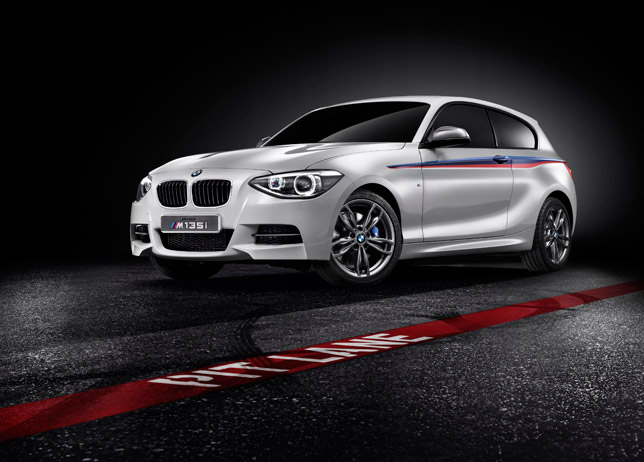
    The new BMW performance car features a twin-turbocharged straight six-cylinder petrol engine. It will produce more than 300PS (220 kW), which will be sent to the rear wheels. This makes the M135i a unique vehicle in its class ensuring unsurpassed driving pleasure so typical of a BMW.

    But the M135i will also benefit from a new sports suspension technology that includes an M sports braking system and is perfectly adapted to match the supreme road performance. A set of 18” M light alloys with a double spoke design are fitted with low profile performance tires.

    The exterior features new front apron, large air intakes, new rear apron and double tailpipe sports exhaust system in dark chrome.

    Thanks to a distinctively sports-oriented appearance, the BMW Concept M135i offers attractive prospects for the further development of the BMW 1 Series model range. At the same time, a clear signal has been given for the expansion of the new product category of BMW M Performance automobiles. The BMW M Performance automobiles being presented at the Geneva Motor Show and shortly to be launched are powered by the world’s most high-performing six-cylinder diesel engine available for series production vehicles. The petrol-fuelled models in this product category will also assume a similar unique position.

    The pre-series concept car BMW Concept M135i offers a fascinating outlook on a corresponding offer in the premium compact segment.

    BMW Concept M135i
    BMW Concept M135i

    Source: BMW

  • 2012 Citroen DS4 Racing Concept

    2012 Citroen DS4 Racing Concept ThumbSince the launch of the DS4 model line-up, Citroen has achieved great success by selling over 180 000 examples of it worldwide. At the Geneva Motor Show which will take place in the beginning of March, Citroen will reveal for the first time a new model of the DS4, namely – the 2012 DS4 Racing Concept.

    The concept vehicle features “100% Racing” attributes. For instance, the chassis is 35 mm lower than the regular model and track is 55 mm wider at the front and 75 mm wider at the back. Additional elements are the air diffuser, a front bumper panel, a lower-body belt line and wing extensions, which give the car even sportier look.

    Citroen Racing has tweaked the 1.6-litre turbo engine to develop 256 bhp (188 kW), or 160 bhp per litre – a record for a series-production car. This exciting performance comes hand in hand with controlled CO2 emissions of 155 g/km. Furthermore, other modifications and redevelopments have been made on the running gear with the utmost precision.

    The concept car is equipped with four-pot, fixed calliper brakes at the front, with special discs widened to 380 mm in diameter, and shod with larger, 19-inch wheels (235/40). Another unique feature of the Citroen DS4 Racing Concept is its matte grey, textured-effect paint, which by the way is the first of the sort in the automotive sector.

    What is so specific about it is that the grain of the paint catches the light differently and further enhances the body styling, while the color stays modern and robust – in other words: ideally suited to a sports vehicle. At last, to refine the exterior outlook, the concept car gets a two-tone roof and specially-designed, two-tone wheel rims.

    2012 Citroen DS4 Racing Concept
    2012 Citroen DS4 Racing Concept

    Source: Citroen

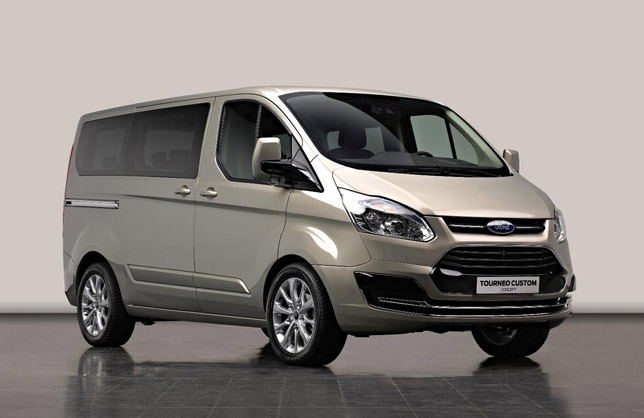
  • Ford Tourneo Custom Concept to debut at 2012 Geneva Motor Show

    Ford THUMBFord Tourneo Custom Concept will be previewed for the first time in the world at the 2012 Geneva Motor Show in March. It will bring more dynamism, new level of energy and style. Tourneo Custom Concept has a dramatic new look that will appeal to customers seeking style, functionality and space. In addition, the Tourneo Custom Concept features a wide variety of exciting new features that give the vehicle strong car-like appeal. For example, the vehicle includes all-new interior design with driver-focused cockpit, a luxurious, fully trimmed cabin which has the ambience and high-quality materials of a modern multi-seat saloon car. The concept vehicle also features a number of smart innovations including multi-adjustable and removable rear seating, advanced SYNC voice-activated, in-car connectivity system and the latest Ford low-CO2 ECOnetic Technologies.

    Ford Tourneo Custom Concept
    Ford Tourneo Custom Concept

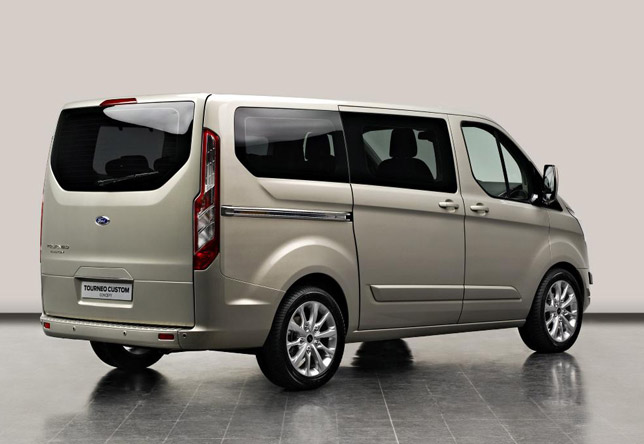
    Moreover, the new Ford Tourneo Custom Concept carries an advanced, streamlined appearance with sportier stance, bold rising shoulder line and flush glazing. The Signature Kinetic Design features help give the Tourneo Custom Concept its unique character, including the bold trapezoidal grille, strong and muscular shoulder line, prominent wheel lips and window lines with the distinctive kick at the rear. Furthermore, additional improvements are delivered by number of stylish details from the chrome grille surround and striking LED lighting on the front-end, to the dynamic looks of the 18-inch alloy wheels. The interior is all-new. Moreover, it is luxurious and car-like. The stylish instrument panel is orientated around the driver, and features technologies which are closely-related to those in Ford’s car range. The interior follows the same Kinetic Design approach as well. Passengers in the rear are surrounded by space and luxury, with a fully-trimmed cabin that incorporates bold Kinetic Design detailing on the side panels which are linked to the graphical themes from the front. Additionally, the rear seats carry completely new design, and can be easily folded into multiple configurations, or even removed completely.  This unique luxurious and spacious feel of the interior is further improved by an exclusive two-tone color scheme, featuring hand-stitched leather seats with attractive cloth inserts.

    Some smart and innovative features included on the Ford Tourneo Custom Concept are: ECOnetic Technologies – Ford’s advanced low-CO2 features including Auto-Start-Stop and Smart Regenerative Charging; SYNC voice-activated, in-car connectivity system – enables mobile phones and music players to be connected to the vehicle, and controlled using voice control; Emergency Assistance – enabled by SYNC, assisting occupants to contact the Emergency Services in the event of an accident, providing vehicle location information; Advanced restraint system – including driver, passenger, side and curtain airbags; Rear-view camera – integrated into the rear view mirror; Lane Departure Warning and Driver Alert.

    Furthermore the new concept vehicle offers outstanding performance and fuel economy. It is powered by a further improved 155 PS (114 kW) version of Ford’s 2.2-litre Duratorq TDCi diesel engine family. The Tourneo Custom Concept is based on a new Ford global platform. The aim of the new design philosophy is to deliver deliver car-like dynamics, including agile, responsive handling, enhanced ride comfort and reduced noise-levels.

    Ford Tourneo Custom Concept
    Ford Tourneo Custom Concept

    The Tourneo Custom Concept is a forerunner of the arrival of a completely new generation of Ford commercial vehicles, which full range of models will be revealed during 2012. The new family range will be powered by enhanced versions of the new 2.2-litre Duratorq TDCi diesel engine and has Auto-Stop-Start technology fitted as standard. In this way Ford is targeting best-in-class fuel economy. Three power ratings will be available: 100 PS (74 kW), 125 PS (92 kW) and 155 PS (114 kW).  All versions are paired with a six-speed manual transmission and feature front-wheel drive.

    Source: Ford

  • Jeep at 2012 Geneva Motor Show

    Jeep_ThumbThis year, at the 2012 edition of Geneva Motor Show, the Jeep brand will make an European premiere for the Jeep Grand Cherokee Concept. The vehicle combines exceptional exterior design and sporty appearance combined with the efficiency of the 3.0-litre V-6 CRD engine with Multijet II. Another car to be showcased to the public in Geneva is the new concept version of Jeep Compass model. Another debut, this time only for the European market, will make the new Jeep Wrangler Mountain, which is the new limited edition model of the iconic Wrangler.
    The Jeep Grand Cherokee Concept and the Jeep Compass Concept will show the direction in which the Jeep lineup will evolve in 2012. The first one, the Grand Cherokee Concept offers a unique and aggressive flair with exclusive styling cues. Furthermore, it carries an innovative efficient 3.0-litre V-6 turbo-diesel engine with Multijet II technology and delivers 241 hp of power and 550 Nm of torque (190 hp and 440 Nm of torque with the available low-output version of the 3.0-litre). The new sports concept has unique exterior with distinctive design and a lot of Black accents. This streamlined appearance is achieved thanks to the introduction of new roof molding covers that replace the roof rack. The vehicle’s grille surround is in gloss black, and mesh grille texture is in Platinum Chrome. The vehicle sits on 20-inch tires that surround one-of-a-kind Black-gloss aluminum wheels. In addition, there are also black chrome dual exhaust tips included. The interior of the Jeep Grand Cherokee Concept is improved by a leather-wrapped perforated heated steering wheel and ventilated sports-styled Nappa leather and suede seats. To go further into details, the vehicle is powered by the efficient 3.0-litre V-6 turbo-diesel engine with new-generation, 1.800-bar injectors and Multijet II technology. Thank to it, the car can develop maximum power of 177 kW (241 hp) at 4,000 rpm and torque of 550 Nm (406 lb-ft) at 1,800-2,800 rpm. All this is paired to the five-speed automatic transmission with Electronic Range Select (ERS). The 3.0-litre CRD powertrain is also offered in a low-output version, with 140 kW (190 hp) of power at 4,000 rpm and 440 Nm (324 lb-ft) of torque across 1,600-2,800 rpm. In addition, the vehicle is equipped with the sophisticated Quadra-Trac II® 4×4 system with two-speed transfer case and Brake Traction Control System (BTCS) on both the front and rear axle. This ensures the off-road capability. Ultimate off-road capabilities are accomplished through the assistance of standard Hill Descent Control (for maximum downhill control) and Hill Start Assist (granting a smooth launch on a grade). Furthermore, the equipment for on-board comfort and infotainment offers the latest technology: UConnect® multimedia infotainment and navigation system with 6.5-inches touchscreen, 30 gigabyte hard disk, USB compatibility, AUX port, DVD video and voice activated Bluethooth UConnect Phone, audio surround-sound system from Harman Kardon®. Next, the new Jeep Grand Cherokee production-intent sports concept offers a huge array of advanced safety and security features: Electronic Stability Control (ESC) with Electronic Rollover Mitigation (ERM), ABS with off-road calibration, Brake Traction Control System (BTCS) and 7 airbags (front seat, sidebags, side-curtain front and rear, seat-mounted), Adaptive Cruise Control, Forward Collision Warning and Blind Spot Detection with Rear Cross-path detection.

    Jeep Grand Cherokee Concept
    Jeep Grand Cherokee Concept

    On the second vehicle – Jeep Compass Concept includes unique Black exterior treatment that delivers a different personality to the compact SUV Jeep. This new look on the exterior includes a number of styling cues and functional elements featuring exclusive black-gloss front-end accents, step pad and 18-inch aluminium wheels. Furthermore, the iconic, seven-slot Jeep front grille boasts black-gloss inserts. The roof rails and step pads also received black-gloss treatment. Next, special 18-inch black–gloss aluminium wheels reinforce the look of the vehicle. The interior of the vehicle is equipped with leather seats, which deliver a touch of exclusiveness to the cabin. The four-wheel-drive configuration of the Jeep Compass Concept is matched to a 2.2-litre turbo diesel engine. It develops 163 hp (120 kW) of power and 320 Nm (236 lb-ft) of torque. A system called active Freedom Drive I is designed to give drivers year-round assurance with the ability to handle rough weather and low-traction conditions as well as slick roads. The Jeep model also includes diverse equipment: 368-watt Boston Acoustics premium sound system with 9 speakers, voice-activated Bluetooth UConnect® Phone with UCI interface and UConnect® multimedia infotainment and navigation system with 6.5” touch screen, 30 gigabyte hard disk, USB compatibility, AUX port and DVD player. Jeep Compass also includes a lot of safety and security features: advanced multi-stage front airbags, side-curtain front and rear air bags, Electronic Stability Program (ESP) with Brake Assist, Brake Traction Control, Electronic Roll Mitigation, anti-lock braking system (ABS) with rough-road detection and the sophisticated Hill Start Assist system.

    Jeep Compass Concept
    Jeep Compass Concept

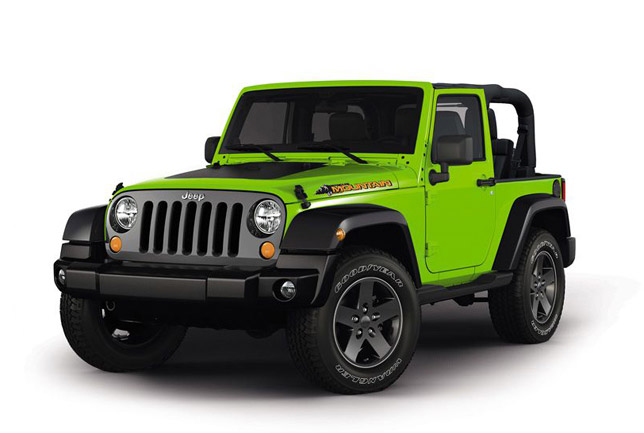
    The third exclusive premiere which is expected to be seen in Geneva, is the special edition Jeep Wrangler Mountain. This new limited-edition model of the iconic Wrangler pays tribute to outdoor enthusiasts and it is showcased in an all-new Gecko body-color. It is equipped with unique exterior and interior design improved by exclusive styling cues, 17-inch wheels and authentic accessories by Mopar®. The new Mountain edition pays tribute to those who actively practice the outdoors. To be more precise, Jeep Wrangler Mountain is based on the Wrangler Sport model. It will be available with two-and four-door versions. The exterior is absolutely adorable and includes unique Black decal on the hood, front Mineral Gray grille and painted high-gloss Mineral Gray 17-inch wheels. Additional features are the ‘Mountain’ decal over part of the hood with latitude and longitude coordinates side steps and black fuel-filler door from Mopar. The interior is as exclusive as the exterior: it features fabric seats with Slate Grey stitching and embroidered ‘Mountain logo’. Mopar treatment in the cabin consists of tread-pattern slush mats. Additional exterior colors to the all-new Gecko are also available: Black, Bright White, Dozer and Black Forrest Green. Further specifications about the vehicle is that it is powered by the 2.8-litre turbo diesel engine producing 200 hp (147) at 3,600 rpm and 460 Nm (339 lb-ft) of torque at 1,600-2,600 rpm paired to a five-speed automatic transmission with Electronic Range Select (ERS). In addition, the diesel engine can be also equipped with a six-speed manual gearbox. More importantly, available on the new special edition model is the new 3.6-litre V-6 petrol engine, which delivers 284 horsepower DIN (209 kW) and 347 Nm (256 lb-ft) of torque and is matched to the automatic five-speed transaxle with ERS. Furthermore, Jeep Wrangler Mountain includes an enhanced Dana 30 front axle and enhanced Dana 44 rear axle. That which enhances its Jeep off-road capability is the standard Command-Trac® NV241 part-time, two-speed transfer case with a 2.72:1 low-range gear ratio. The equipment featured in the car comprises in: leather-wrapped steering-wheel with integrated controls, Dual Top configuration, Uconnect® multimedia infotainment, new Winter & Sound Group package, including front heated seats and 368-watt, 6-speaker Infinity audio system.

    Jeep Wrangler Mountain
    Jeep Wrangler Mountain

    The Jeep brand aims to offer only styling, functionality, craftsmanship and the highest capability. Every Jeep vehicle delivers an open invitation to all customers, who want to live life to the fullest by offering a feeling of security to handle any journey with confidence.

    Source: Jeep