Category: Car Makes

Car Makes

  • New Jaguar F-PACE SVR: Performance SUV is faster, more luxurious and more refined than ever

    2021 Jaguar F-PACE SVR1

    Sitting at the pinnacle of the Jaguar performance SUV range, the new F-PACE SVR is faster than ever and features motorsport-inspired exterior design, a luxurious interior and the latest connected technologies.

    Jaguar SV has refined the F-PACE flagship with a range of enhancements, providing sharper responses and heightened composure to accompany the latest Pivi Pro infotainment and connectivity technologies available across the rest of the performance SUV line-up.

    Michael van der Sande, Managing Director, Jaguar Special Vehicle Operations, said:“The original F-PACE SVR was incredibly characterful, well received by our customers and has gone on to become the highest-selling Jaguar SV product ever. The new version builds on this success, by making numerous detailed improvements that combine to raise the bar in the high-performance SUV segment. With a wide range of technological enhancements from our team of expert engineers and a comprehensively improved exterior and interior finish, the new F-PACE SVR is more focused, inspires more confidence and is even more captivating than ever before.”

    Pinnacle of performance
    The new F-PACE SVR is available exclusively with Jaguar’s 550PS 5.0-litre V8 Supercharged petrol engine, now with 700Nm torque – an increase of 20Nm. This uplift in torque delivers enhanced performance, with the F-PACE SVR capable of 0-60mph in 3.8 seconds (0-100km/h in 4.0 seconds), three-tenths of a second faster than before, and a top speed of 178mph (286km/h), an increase of 2mph. The powertrain now features the same torque converter used in the record-breaking Jaguar XE SV Project 8 sedan, to withstand the higher loads produced. As well as the improved torque and acceleration, CO2 emissions are also reduced from 281g/km to 275g/km with fuel economy now up to 23.1mpg (12.2l/100km)**.

    Enabled by Jaguar’s advanced new Electronic Vehicle Architecture, dubbed EVA 2.0, the transmission and dynamics systems have also benefitted from incremental tweaks. The uprated Dynamic mode features unique tuning, delivering a focused and honed driving experience. Jaguar SV’s engineers have recalibrated the software to provide sharper throttle response, stiffen the suspension set up, optimise steering weighting and enhance the exhaust mapping. A new Dynamic Launch feature also uses driveline inertia to maintain power to the wheels during gear changes, contributing to the SVR’s sharper acceleration from a standstill. At the same time, F-PACE SVR is now more comfortable and enjoyable to drive at a relaxed pace, without compromising its high-speed dynamics, further underlining the new model’s duality of purpose.

    The steering system is enhanced with a new electronic power-assistance system delivering greater immediacy, providing a heightened connection between the vehicle and driver. There is a more defined difference to the steering feel between Comfort and Dynamic modes, to give these settings more focus.

    Modified tuning of the adaptive damping provides a more refined ride at low speeds, which is further improved by revised chassis bushes. This tuning change has again allowed for greater definition of the ride between Comfort and Dynamic drive settings, demonstrating the F-PACE SVR’s dual capabilities as a luxurious and refined SUV with exceptional performance available in an instant.

    Drivers also benefit from improved brake feel in the new F-PACE SVR. The 395mm (front) and 396mm (rear) two-piece disc brakes are now supported by a new Integrated Power Booster which, along with a recalibration of the system, delivers a sportier and shorter brake pedal. This tuning is specific to the SVR performance flagship, while the brake system uses an electric booster, rather than a vacuum system. The improved cooling and aerodynamics of the vehicle also improve the performance of the brakes, giving the driver even greater confidence.

    The 5.0-litre V8 Supercharged petrol engine is paired with Jaguar’s ultra-responsive, smooth-shifting eight-speed automatic transmission which delivers rapid gearshifts for effortless performance, while adapting the way power is delivered to suit the driving situations.

    Paul Barritt, F-PACE SVR Chief Programme Engineer, Jaguar SV, said:“As a team, we’re incredibly proud of the F-PACE SVR, so trying to improve on the original was always going to be a difficult task. The move to Jaguar’s new Electrical Vehicle Architecture gave us the opportunity revisit the calibration of every single component, so we took the chance to fine-tune the driving experience to make it feel even more focused and even more refined. Those thousands of detail changes take the F-PACE SVR to the next level.”

    Jaguar’s All-Wheel Drive with Intelligent Driveline Dynamics is fitted as standard. The technology has a rear-wheel drive bias for enhanced driver engagement and performance, with predictive and reactive software that can distribute torque to the front and rear axles independently, and almost instantly, to provide greater control and stability in low traction conditions. The retuned rear Electronic Active Differential delivers enhanced performance and greater confidence when required.

    Adaptive Dynamics suspension technology ensures a precise, dynamic set-up coupled with a supple ride. In order to achieve this, the technology constantly analyses acceleration, steering, throttle and brake pedal inputs. Height sensors at each corner of the vehicle measure the vertical body movement, roll and pitch 100 times a second, while steering inputs are measured 500 times a second. Adaptive Dynamics uses these inputs to continually adjust the damper stiffness to maximise comfort and control.

    Configurable Dynamics provides enhanced driver appeal by enabling the driver to set up the vehicle to suit their personal preferences, with a choice of Comfort or Dynamic settings applied to the throttle mapping, gear shift points, steering effort and suspension. A stopwatch, G-Meter and pedal graph also help the driver to monitor performance in Dynamic mode while Adaptive Dynamics continuously adjusts the dampers for enhanced comfort and refinement depending on road and driving conditions.

    The new F-PACE chassis now supports the introduction of the latest JaguarDrive Control and new Auto Vehicle Hold function. JaguarDrive Control features Comfort, Eco, Rain-Ice-Snow and Dynamic modes, which can be chosen manually by the driver based on the road conditions. The settings, selected through a new rotary dial next to the all-new Drive Selector, optimise the F-PACE SVR’s steering, transmission, throttle and (when specified) Adaptive Dynamics settings accordingly.

    Auto Vehicle Hold provides added convenience and smoother operation than conventional Automatic Hill Hold. The new technology holds the brakes for an unlimited period of time when stationary on a gradient, only releasing the brakes when the driver depresses the accelerator to drive away.

    Purposeful race-inspired exterior
    The design of the new F-PACE SVR is inspired by SV’s motorsport experience, with enhanced airflow and aerodynamic benefits delivered through new apertures and vents for improved powertrain and brake cooling. The changes deliver superior aerodynamic performance including 35 per cent reduced lift and drag reduced from 0.37Cd to 0.36Cd. As well as the performance enhancements, these elements also provide a more purposeful aesthetic.

    Surrounding the new SVR-badged grille, the revised bumper design features X-shape and blade-like elements intersecting the lower side air vents and intakes. An enlarged lower intake improves airflow, to cool the F-PACE SVR’s 550PS powertrain. While the new-look design delivers performance benefits, it also provides a more athletic appearance by visually lowering the front of the vehicle.

    The larger aperture is framed by enlarged side vents, which help to direct air to the wheelarches for enhanced brake cooling. The openings are finished with a grille mesh design inspired by the record-breaking Jaguar XE SV Project 8, reflecting the lineage of high-performance Jaguar SV models. A new stretched diagonal blade element feeds further airflow to the brakes and engine, and adds to the dynamic stature of the vehicle, giving the F-PACE SVR a wider and lower stance.

    New diagonal blades below the lower bumper, shaped in partnership with the SV aerodynamics team, ensure every design detail has a functional purpose, while also helping to visually plant the F-PACE SVR closer to the road.

    The super-slim all-LED quad headlights with ‘Double J’ Daytime Running Light (DRL) signatures are available with optional Pixel LED technology* and deliver increased resolution and brightness. Adaptive Driving Beam capability* evaluates the road ahead and automatically adapts the high beam light to mask oncoming traffic or traffic signs, the system can create varying light beam patterns by selecting different LED segments to optimise visibility and minimise risk of distracting other drivers.

    The new front-end design is finished by a longer bonnet design which features a wider power bulge flanked by air vents to help extract hot air from the engine bay.

    New slimline rear lights feature Jaguar’s trademark double chicane graphic – first seen on the all-electric I-PACE – which accentuate the width of the vehicle. The new look is completed with the addition of the updated SVR logo, while quad tailpipes feature in the lower bumper, giving a visual reminder of the performance potential on offer.

    The new F-PACE SVR is also available with a new 22-inch forged alloy wheel design. The five-spoke design is finished in Gloss Black with Satin Grey inserts, with the grey tone matching other exterior finishes on elements such as the side air vents and wheel arch trim, for a stealth-like appearance. This is all finished off with the new SVR logo printed on the wheel.

    Precision crafted interior
    The interior of the new F-PACE SVR is comprehensively redesigned, with materials enhanced to heighten the dynamic character of the revised cabin and its controls.

    Seat and door inserts are finished in Alcantara, with elements such as the central cubby and leather midroll wrapped in luxurious Windsor leather. The 12.3-inch HD Interactive Driver Display is wrapped in Alcantara with ebony stitching, while aluminium patterned finishers feature as standard with open-pore carbon fibre available as an option.

    Optional slimline semi-aniline leather sports seats with heritage logo-inspired diamond embroidery across the front shoulder section, feature a unique perforation across the backrest, while the same pattern is used on the leather on the seatbacks An embossed SVR logo on the headrests adds a final flourish.

    Jaguar’s new Drive Selector has a more performance-focused feel for the F-PACE SVR, finished in dimpled leather with heritage logo-inspired detailing and debossed SVR logo underlining the new model’s attention to detail. The outer rim of the bespoke SVR split-rim steering wheel wears the same leather finish, while the inside of the wheel features a unique Mars Red SVR stitch detail. Tactile zinc-alloy shift paddles provide heightened driver engagement when making manual gear changes.

    Beside the Drive Selector sits the Start button and a new metallic rotary dial – for the JaguarDrive Control settings – which features knurled edging for a premium look and feel.

    At the heart of the precision crafted and luxurious interior, with its new sporty centre console, incorporating an optional wireless device charger and improved console stowage, is the seamlessly integrated centrally-mounted 11.4-inch curved-glass HD touchscreen, which sits within an elegant magnesium alloy casing and provides access to the intuitive new Pivi Pro infotainment.

    A series of advanced technologies ensure the health and wellbeing of all occupants. Cabin Air Ionisation improves interior air quality through Nanoe technology, which removes allergens and unpleasant odours. The system now also features PM2.5 filtration, which captures ultra-fine particles to improve occupant health and wellbeing. Customers activate the system simply by pressing the ‘Purify’ button within the infotainment.

    Cutting-edge connected technologies
    The new F-PACE SVR features Jaguar’s advanced Electronic Vehicle Architecture, dubbed EVA 2.0, which supports a range of new technologies to ensure the future-ready vehicle is connected and up to date.

    The latest Pivi Pro infotainment technology is accessed through the all-new 11.4-inch curved glass HD touchscreen. Key benefits include enhanced clarity – the display is three times brighter and 48% larger – and the simplified menu structures allow drivers to access or view up to 90 per cent of common tasks from the homescreen in two taps or less.

    To help drivers access vital information quickly, new F-PACE SVR also features a new 12.3-inch HD Interactive Driver Display with enhanced SV-specific graphics and a configurable layout which can show full-screen navigation mapping with turn-by-turn instructions, digital dials, media, contact list or infotainment details. Working in conjunction with optional Head-up Display technology, new F-PACE SVR gives drivers all the information they need with minimal distraction.

    To enable instantaneous start-up, Pivi Pro has a dedicated power source, so it’s ready to use as soon as customers get behind the wheel. The intuitive new infotainment system features Apple CarPlay® as standard and allows customers to connect two phones simultaneously via Bluetooth. Android Auto™ is also available as standard depending on market applicability.

    Optional wireless device charging with phone signal booster allows occupants to fast charge their compatible smartphone. The system also provides clearer calls through the help of an external aerial.

    The collection of new convenience technologies includes Software-Over-The-Air (SOTA) capability, which ensures the performance SUV is always using the latest software. The technology means that owners don’t have to visit retailers to receive software updates for the vehicle.

    Pivi Pro connectivity is provided by the latest embedded dual-sim technology with two LTE modems enabling the system to carry out multiple functions at the same time, such as streaming media and downloading SOTA updates, without compromising performance. The cutting-edge connectivity also ensures minimal interruptions caused by coverage blackspots as it roams across network providers for the strongest signal.

    Segment-first Active Road Noise Cancellation technology constantly monitors vibrations from the road surface and calculates the opposite phase soundwave needed to remove the sound from the cabin. This delivers a more refined cabin.

    For enhanced convenience, an updated, second-generation wearable Activity Key can be used to lock, unlock and start the vehicle without the need for the conventional key fob to be present in the vehicle. The rechargeable device incorporates a watch and has a battery life of up to seven days between charges.

    Security is enhanced by the new Guardian Mode (UK only), which uses a timer to provide added security and peace of mind when using the Secure app. It allows customers to identify times when the vehicle will be inactive, for example through the night, and receive alerts to their smartphone if it is driven during this window – giving immediate warning of unauthorised movements.

    The new F-PACE SVR also benefits from a selection of Advanced Driver Assistance Systems. This includes Clear Exit Monitor, which alerts both front and rear occupants to the presence of an approaching car or cyclist when exiting the vehicle. Adaptive Cruise Control automatically maintains a set distance from the vehicle in front.

    Jaguar’s latest 3D Surround Camera technology delivers advanced 3D functionality using the latest camera technology to deliver more detail and a choice of real-time viewing when manoeuvring the vehicle. The selection of settings include Junction View, 3D Perspective View, and ClearSight Plan View.

  • BMW M2 CSL Turbomeister Edition – Private Owner Creates A Personal Tribute to BMW’s History of Turbocharging & Weight Reduction

    2021 BMW M2 CSL1

    The project car offers more than 110 kgs of weight reduction, a performance of 520 hp and 660 Nm from the twin-turbo 3.0-liter six-cylinder engine and a unique livery using the TopazSkin technique resembling the 2016 BMW 2002 Hommage concept, which celebrated BMW’s successful history with turbocharged engines using the Turbomeister design.

    Be passionate about what you drive! For many private owners, the BMW and more importantly ///M world is one surrounded by passion for the automobile, which carries the famous circular logo featuring the blue and white colors, symbolizing the Bavarian flag colors and representing the company’s origin. Nicknamed by many as ‘bimmer’, the BMW automobile has engulfed so many petrol heads over the last century, giving us a feeling of passion and connection to vehicles that are able to share ‘Sheer Driving Pleasure’ from the moment you step behind the wheel.

    For many, passion means going beyond the beaten path to dream ideas and create unique tuning projects. Passion means also sharing visions to shape our beloved BMW (M) community. Above all, passion means joy. The joy of creating something that is unique to each owner, sharing the true passion of the BMW automobile and letting us enjoy the connections within the biggest automotive community in the world.

    Examples like the absolutely stunning BMW F81 M3 Touring and E91 M3 Touring, the lovely ///M version of the M140i or the mental speedster version of the E89 Z4 are all creations based around the sheer passion from their owners to create something that BMW never released to the World themselves. Instead, the owners decided to take on the task of creating something unique and bespoke, while touching on the historical nature of the German brand that we all love so much.

    Turbomeister Edition

    The new M2 CSL Turbomeister Edition was created with the same ethos in mind. Based on a 2018 BMW M2 Competition, the vehicle received a transformation connecting the 2016 BMW 2002 Hommage Concept revealed at the Concours d’Elegance in Pebble Beach to the absence of a M2 CSL model in the F87 lineup. Subsequently, the vehicle displays what could have been if BMW didn’t have to end the life of the M2 in Europe in 2020. The beloved vehicle was an unexpected global success story ever since the release of the M2 Coupe in January 2016. With the M2 Competition, M2 CS and numerous special editions, the community is looking forward to what the new updated G87 version will have to offer in the coming years.

    The BMW 2002 Hommage concept shined the spotlight onto BMW’s successful history with turbocharged engines. In 1973 the BMW 2002 turbo became the first series-produced vehicle in Europe to feature turbo technology. In so doing, it turned the BMW 02 into a full-blooded sports car. The iconic orange/black paintwork and livery are synonymous in the minds of many motor sport fans with the triumphs of the 1970s. The orange is called Inka 22 and is a historical BMW color, which was used on the 2002.

    In collaboration with BMW’s design department, the owner was offered the unique chance to use the official design on his BMW M2 road-going car changing the design drastically while also in cooperating a serious amount of changes which shed more than 110 kgs from the car’s weight. The same number as the limited edition BMW E46 M3 CSL, the owner’s most favorite BMW ever created. The combination has turned out to be a head-turning creation, which will showcase what could be done when a rumored G87 M2 CSL version might hit the markets halfway through this decade.

    Topaz Skin

    The highlight of the design transformation is the TopazSkin which was applied by the specialists at Topaz Detailing in London to create the unique Turbomeister design. By now, hopefully you might have heard of Paint Protection Film (PPF). TopazSkin is the next generation of paint protection, known as Paint Protection Spray (PPS), which Topaz have developed with the British company Ngenco. TopazSkin provides a completely seamless, 100% coverage of the car’s paintwork. Just like PPF it protects the car from stone chips and scratches, and has self-healing properties. It doesn’t stop there, either. TopazSkin is completely customizable. Topaz are able to use any paint color with TopazSkin, with stripes and liveries to achieve absolutely any look you can imagine. Even more impressive, it’s all completely removable when desired!

    “At Topaz we receive a lot of interesting and one-off commission projects that we are part of and each one has something special about it, some customers opt to go for a lot of detail that is obvious to the beholder and some decide to go for a subtle approach. For the owner we wanted to pull out all the stops and make sure that we get the best possible finish both technically and aesthetically,” says Nabil Naamo, owner of Topaz Detailing. “The M2 came into us being a modified “standard” looking car, but when it left us, it was far from standard! Everything from the choice of colour to the details of the carbon stenciling on the roof, have been thought through meticulously by the owner and the team. Technically speaking, it was a very difficult job as it required many different stages of the car entering our spray booth, then our detailing bay, then our PPF workshops! The final result speaks for itself and all the attention to detail from both the owner and my team can really be seen from a distance and especially when up close and personal with the car, I look forward to seeing this epic little car on the road! It was a pleasure to have it go through our workshops.”

    The unique set up of the TopazSkin includes a number of details that have never been done before. All decals placed on the orange body panels have been installed and placed underneath the final layers of lacquer creating a look as if the stickers were painted as well. The roof detail was created by using a stencil technique during the paint process allowing the Alpha-N Performance carbon roof to be visible at any time through the outline of the Turbomeister decal. Additionally, an orange Turbo logo was placed on the right white section on the front bumper, also under the transparent lacquer creating a smooth finish throughout.

    The matte-black vinyl placed on the top part of the body work resembles the Turbomeister design, and the same goes for the orange-colored headlights and darkened rear tail lights. The Turbo logo and M2 CSL badge on the back of the vehicle finish off the design features fitted by Topaz Detailing and JD Customs, a specialist from the Netherlands who prepared all decals and offered assistance on the design process. To match the design on the vehicle, BMW kindly allowed the owner to compare, measure and see the BMW 2002 Hommage concept in real life. This rare opportunity provided the right interpretation and the correct positioning and sizes for the decals.

    To finish off the exterior design, the M2 CSL Turbomeister Edition runs on ultralight 19 inch BBS FI-R wheels which shave off a considerable amount of unsprung mass. The wheels are shod in Michelin Pilot Sport 4S tires, which will be replaced in the summer by the newly released and enhanced Michelin Pilot Sport Cup 2 Connect tires. The front bonnet was replaced by an Alpha-N Performance carbon fiber bonnet. At the rear, the BMW M Performance carbon rear tailgate is accompanied by an Akrapovič gloss carbon fiber rear diffuser housing the four tailpipes of the Akrapovič titanium exhaust system. The two mirror cap covers are also carbon fiber and made by the Slovenian exhaust manufacturer. The matte black side skirts are from AC Schnitzer and the black painted side vents are from IND Distribution.

    The BMW M2 CSL Turbomeister Edition is kept in top condition using the brand new Topaz Car Care products. “Finally, you can have the Topaz Detailing experience wherever you are in the world. From the comfort of your garage to a road trip across Europe, Topaz Car Care has you prepared… The same Topaz Detailing standard, anywhere, anytime”, according to Nabil Naamo.

    Technical enhancements

    The Turbomeister design features are not the only upgrades done to the M2. Together with Beek Auto Racing in the Netherlands, a range of technical upgrades were fitted to the Bavarian sports car. The handling has been improved using a full suspension kit from AST Suspension. The AST 5100 including top mounts offer the unique characteristics of combining a more sporty nature, enhanced track stance and improved handling with a sheer level of compliance, which offers comfort on your way to the track and the option to “daily” the vehicle. Under the bonnet, you will find an Eventuri air intake allowing the turbos to work more efficiently. The airflow to the turbos is now more laminar, allowing them to spool with less drag. Since the M2 with its S55 engine does not have any air openings behind the grilles, Eventuri also added sealed ducts to ensure that the intake temperatures stay as low as possible.

    The performance of the M2 has been enhanced by increasing the power by at least 110 horsepower and 110 Nm of torque over its stock performance. The twin-turbo S55 engine under the bonnet now produces up to 520 hp and 660 Nm of torque. The more free flowing exhaust allows for a sound track that fits to the outspoken design of the Turbomeister Edition. The full exhaust system which is available across the globe, was initially developed in collaboration with the Slovenian engineers on this particular vehicle at the end of 2018 and early 2019. Made from titanium, – with some parts cast in Akrapovič’s own foundry – this system will reduce exhaust system’s weight by over 45% and deliver extra power and lower backpressure.

    British company Defined Coding offered a solution to enhance the car’s steering, gearbox and rear differential software. They also made sure the dashboard now says “M2 CSL”. The enhancement on the software side offers a more precise handling and steering, while also creating a better transfer of the increased power through the rear wheels.

    To deal with the notorious problem with the stock M Sport brake kit of having stones getting stuck between the front calipers and the barrel of the front rims, a brand new Nashin brake kit was fitted, offering a smaller 380 mm disc while keeping the 6-pot caliper set up in place. The Japanese brake kit saves about 16 kgs in weight over the front axle in comparison to the stock system. Brake pads and performance brake lines have been added as well. The rear brakes were kept stock. All four calipers were painted orange.

    Interior enhancements

    On the inside of the M2 CSL Turbomeister Edition, you will come across a smaller series of upgrades enhancing the looks of the interior while also providing diagnostic data via the center-mounted display. The BMW M Performance steering wheel was re-upholstered with new Alcantara, leather and a red 12 o’clock marker. AutoTecknic shift paddles and red M1 & M2 buttons from IND distribution finish off the steering wheel design.

    Other points to note are the BMW M Performance carbon fiber & Alcantara interior kit for the shifter and handbrake, the BMW M Performance pedal covers and the BMW M Performance key case. The one-off, puddle door lights only visible in low light or in the dark were specifically created for the Turbomeister Edition by BMW M Performance and feature the circular Turbomeister decal on either side of the car. The carbon fiber door sills are from Alpha-N Performance and feature the M2 CSL decal in orange, which was specifically designed for this project car.

    A word from the owner, Marc Rutten (@Shmarc150)

    Before sharing my thoughts on this project, I would like to thank all partners involved in creating the project that is now in front of you. (In alphabetical order) AC Schnitzer, Akrapovič, Alpha-N Performance, AST Suspension, Atomic Shop, AutoTecknic, BBS Wheels, Beek Auto Racing, BMW, BMW M, BMW M Performance, BW Motors, Defined Coding, Eventuri, JD Customs, Topaz Detailing for their support over the last 18 months. Without any of you, this project wouldn’t have become reality.

    For me, the Turbomeister project has become the fulfilment of a dream to create a bespoke project vehicle based around a BMW M product. The deep love for the BMW & ///M brands, the M3 CSL and the heritage story line of the Turbomeister livery allowed me to create and showcase a set up that stays true to the historical nature of the saying “Sheer Driving Pleasure”, a passion which we should hold onto in an everchanging automotive world which is aimed at going full electric and leaving us passionate petrol heads behind confused of where the world really left us.

    Add to this the current renaissance and rediscovery of key historical design features through new controversial releases and I feel it is good that we all allow ourselves to embrace the way we want to fulfill and share our passion of motoring. I choose to share my passion by creating this unique M2 CSL Turbomeister Edition. Is it finished? Like any project, I believe it will never be finished. New interior upgrades and exterior design ideas are already around the corner, and those will allow me to continue to interpret and connect to the true heritage of the Turbomeister livery and the lightweight essence of the CSL brand. I enjoy the journey as much as I do the driving and support the diversity of creations around a community that we all should cherish.

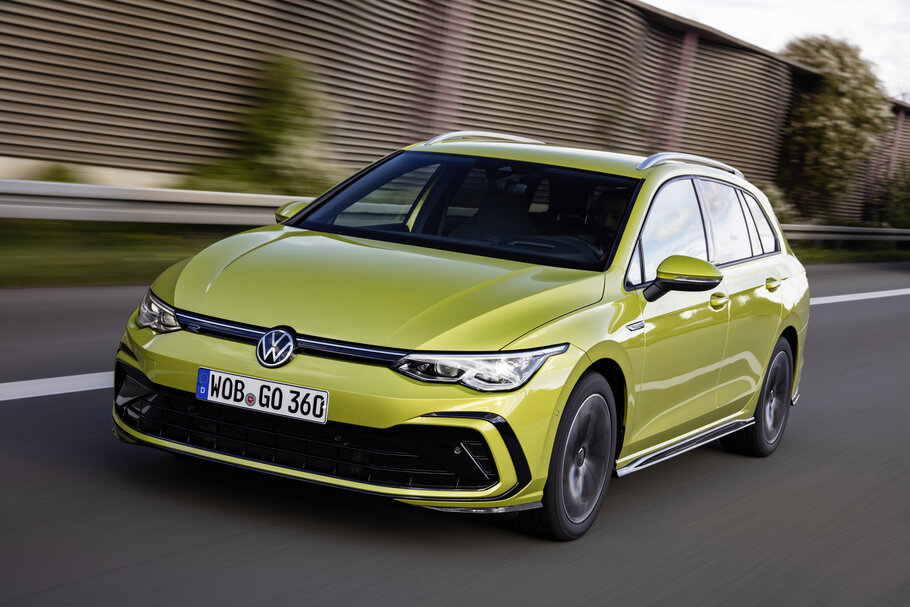
  • Volkswagen Golf Estate

    The new Volkswagen Golf Variant R-Line

    The Golf Estate arrives in the UK available to order now in a diverse range of specification and drivetrain configurations split across three new trim levels: Life, Style and R-Line. The new Alltrack variant also makes its first appearance and is characterised by increased ground clearance, an all-terrain look and 4MOTION permanent all-wheel drive.

    The initial wave of engine and gearbox options in the new Golf Estate opens with a 1.0-litre 110 PS engine, fitted with a 6-speed manual transmission as standard, but available also as an eTSI-designated 48V mild-hybrid powerplant with the brand’s 7-speed DSG transmission. Depending on the chosen Golf Estate trim level, the other engines available to order from today are a 1.5-litre 130 PS TSI, 1.5-litre 150 PS TSI, 2.0-litre 115 PS TDI and 2.0-litre 150 PS TDI, all available with 6-speed manual gearboxes. In addition, 1.5-litre, 130 PS eTSI and 150 PS eTSI mild-hybrid units are also available, exclusively with the 7-speed DSG transmissions as standard. A 2.0-litre 200 PS TDI engine with 7-speed DSG and 4MOTION is reserved exclusively for the Golf Alltrack.

    Performance figures for the range of engines offered in the Golf Estate and Golf Alltrack are undeniably respectable: the Alltrack is capable of 0 to 62 mph in as little as 7.1 seconds (2.0-litre 200 PS TDI), while even the entry level 1.0-litre 110 PS TSI unit will carry the Golf Estate to 62 mph from a standing start in a sprightly 10.5 seconds.

    Clearly identifiable as a sibling of the new Golf hatchback, today’s Estate family of models features a longer roof line and more muscular shoulder section which combine to give it a more overtly sporty appearance than its predecessor.

    The increase in length also alters the car’s proportions, making the Golf Estate appear more substantial but also lower. The new model is 4,633 mm in length and now boasts a wheelbase of 2,686 mm (respectively 349 mm and 66 mm increases compared with its predecessor). The new Golf Estate is 1,789 mm wide and 1,455 mm high (without roof rails). In comparison, the current Golf hatchback is 4,284 mm long and boasts a wheelbase of 2,619 mm. The height and width of both Golf versions are identical.

    Larger external dimensions translate into more useable space inside this new estate. Five occupants can be transported comfortably, while the car’s extra capacity is most noticeable in the rear where maximum legroom increases from 903 mm to 941 mm. Luggage space is enhanced, too, and passengers can stow their belongings in a generously dimensioned boot. When loaded to the top edge of the rear seat backrest, today’s Golf Estate offers 611 litres of storage space (six litres more than the Golf Estate Mk 7) and when loaded to the roof with the integrated luggage net partition up to the front seat backrests, the volume increases to 1,642 litres (up 22 litres).

    The Golf Estate Life, Style and R-Line, and the Golf Alltrack, all offer an ascending selection of features that help mark out the new models as leaders in the fields of technology, safety and driver assistance – while every new car boasts a generous selection of standard-fit equipment.

    The entry-level Life specification includes many features not traditionally seen as ‘entry level’ such as automatic LED headlamps with separate LED daytime running lights; dynamic headlight range control; tail lights incorporating LED technology; a body-coloured rear spoiler; ‘Norfolk’ 16-inch alloy wheels; interior ambient lighting with 10-colour adjustment; leather trimmed gear knob and multifunction steering wheel; Discover Navigation system with 10-inch colour touchscreen; FM and DAB digital radio receiver with six speakers; Bluetooth connectivity; App-Connect and the Volkswagen eCall emergency SOS call service.

    Life buyers also benefit from the likes of Active Info Display Digital Cockpit Pro: a 10.25-inch high resolution TFT dash display screen with customisable menus; Car2X connectivity; Dynamic Road Sign Display; Front Assist and Adaptive Cruise Control; Lane Assist and parking sensors front and rear.

    Step up to the Style trim and the range of design, comfort, safety and convenience features grows still further. Among the highlights for Style buyers, in addition to the features found in Life models, are: ‘Belmont’ 17-inch alloy wheels; LED ‘Plus’ headlights; High Beam Assist; front sports seats; 30-colour interior ambient lighting; 3-Zone climate control air conditioning; Side Assist and Traffic Jam Assist; and Lane Change Assist.

    Golf Estate R-Line buyers can look forward to even more in the way of standard-fit equipment with, in addition to the above, 17-inch Valencia grey metallic alloy wheels; R-line body-coloured bumpers; tinted glass from the B pillar backwards; R-Line door and side trim panels; an R-Line three-spoke heated leather steering wheel; sports suspension; Driving Profile Selection; and progressive steering.

    The Golf Alltrack returns with rugged, SUV-inspired styling and 4MOTION all-wheel drive which endows it with strong capability beyond paved roads. The model is also marked out as a top Golf by its honeycomb-design fog light clusters – also seen on the GT family of variants. The Alltrack receives 17-inch ‘Ronda’ alloy wheels, illuminated front grille and silver roof rails, while both driver and passengers can enjoy 3Zone climate control. Like the GT family of models, the Golf Alltrack also benefits from an enhanced suite of driver assistance systems, with Travel Assist, Emergency Assist, Side Assist and Lane Change Assist included as standard.

    At launch today, the Life specification is available with three petrol engines, each with a 6-speed manual gearbox as standard, or the option to include a 7-speed DSG alongside a 48V mild-hybrid system. These are available in 1.0-litre, three-cylinder 110 PS, or 1.5-litre, four-cylinder 130 PS and 150 PS versions. The Life’s diesel option is the frugal and flexible 2.0-litre 115 PS TDI, allied to a 6-speed manual gearbox.

    While Style buyers can’t opt for the 1.0-litre engines, they have the additional choice of a 2.0-litre 150 PS TDI mated to either a 6-speed manual or 7-speed DSG. R-Line models are equipped exclusively with the higher-powered, 150 PS petrol and diesel units, each offered with a choice between a manual or automatic transmission. The range-topping, 2.0-litre 200 PS TDI with 7-speed DSG and 4MOTION all-wheel drive is reserved for the Golf Alltrack, and is perfect for traversing trickier terrains than asphalt.

  • Dacia Sandero

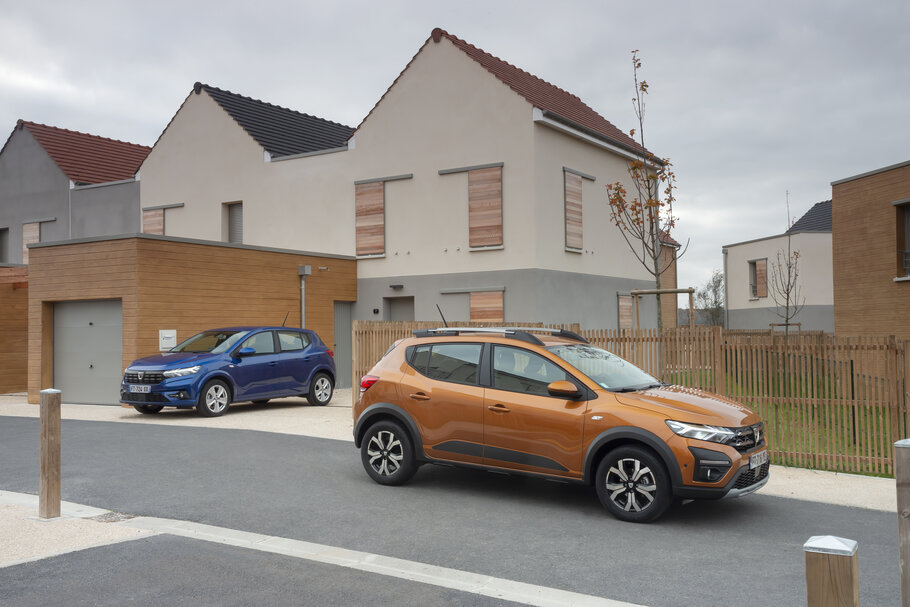
    DACIA SANDERO III (BJI), DACIA SANDERO STEPWAY III (BJI CROSS)

    Dacia has announced full pricing and specifications for the most affordable new car on sale in the UK, the All-New Sandero, and the rugged best-selling version – the All-New Sandero Stepway.

    Debuting a mature new exterior design and an all-new interior, both models benefit from a significant uplift in quality. They feature the latest in connected technology, whilst still maintaining Dacia’s undisputed practicality credentials, the All-New Sandero and Stepway models go on sale in the UK from 1 February 2021.

    For customers keen to get hold of the new model, pre-ordering for the All-New Sandero and Stepway opens on 2nd December via a dedicated online portal for just £99. Those who order via the portal will receive 3 years’ free servicing and will be first to receive their car when deliveries begin in April 2021.

    Priced from just £7,995 OTR, the All-New Sandero remains the UK’s best-priced new car, while the All-New Sandero Stepway offers desirable crossover style and rugged charm from as little as £10,995 OTR.

    All-New Sandero and Stepway models feature more equipment than ever, but remain loyal to Dacia’s ethos of offering simple, no frills, quality motoring with everything a driver could need at an affordable price. All models boast new LED lights, the latest multimedia systems for enhanced convenience and low running costs.

    Keeping things even simpler, the Sandero and Stepway models come with just two options to choose from depending on the specification – metallic paint and a spare wheel.

    There’s also more interior space, wrapped up in a grown up package with new design details that make Dacia’s best-selling models more desirable than ever.

    EXTERIOR STYLING

    Built on an all-new efficient CMF modular platform, the All-New Sandero and Stepway feature an evolved contemporary exterior design with new details giving it greater presence and a more premium look on the road.

    The overall lines are smoother and wheel arches more pronounced, this combined with a lower roof and angled windscreen give the Sandero the impression of sitting lower to the road, while Dacia’s new signature Y-shaped LED daytime running lights – linked via decorative chrome trim – give the car a recognisable presence from the front.

    Innovative Flexwheels, featured on Comfort models, provide the look of an attractive alloy wheel but the convenience of a trim being more affordable and more robust, while small details around the vehicle complete the more grown-up look. The door handles are shaped for greater comfort and convenience, an electric boot release features on most models and revised wing mirrors ensure improved aerodynamics and less wind noise – for a more refined cabin.

    The All-New Sandero Stepway takes all of these changes and adds a number of rugged elements befitting of its Stepway name. Instantly recognisable by the Stepway logo beneath the unique front grille, extra cladding and metal skid plates around the car, the Stepway is undeniably ready for action.

    It sits 174mm higher than the regular Sandero and features innovative adjustable roof bars that can be easily converted into a roof rack, meaning all kinds of loads up to 80kg can be accommodated without fuss. Wheelarch cladding and textured reinforced lower door sections complete the exterior style enhancements for its go-anywhere look.

    The versatile All-New Stepway also features the clever Flexwheels while newly introduced Prestige specification features attractive 16-inch diamond-cut alloy wheels.

    All versions of the All-New Sandero and Stepway feature bright LED lights as standard, delivering enhanced night-time visibility by up to 37% in beam length and 9% in beam width. At the rear, Dacia’s distinctive light signature has evolved and ensures the Sandero stands out.

    INTERIOR

    The All-New Sandero and Stepway’s interiors have seen a significant uplift over the previous model, introducing a range of new technologies, superior quality, and greater comfort and convenience features than ever.

    The dashboard design is completely new to both models, with new fabric inserts on the doors and across the dashboard, plus a sleek new air vent design, making the interior look and feel more upmarket. On All-New Stepway models, the more adventurous theme is carried over from the outside with unique upholstery featuring Stepway logos and exclusive orange trim on the air vents plus orange stitching to the door trims and seats.

    Redesigned seats feature on all Sandero models offering greater comfort and support, including the availability of premium upholstery and an adjustable armrest on selected models. A repositioned, smaller gearlever and a steering wheel with greater reach and height adjustment ensures drivers of all sizes can find a comfortable position.

    The All-New Sandero and Stepway offer the space and practicality of a supermini at city car prices. A 1/3-2/3 split-folding rear bench is available (depending on the version), expanding the generous 328-litre boot space even further. With the rear seats in place, the large boot features an adjustable boot floor, giving customers a choice of two positions, while rear seat passengers get an extra 42mm of space over the previous Sandero, providing best-in-class rear legroom.

    There’s more space for smaller items too, thanks to 21 extra litres of storage space in cubby holes and pockets throughout the cabin.

    TECHNOLOGIES AND SAFETY

    The All-New Sandero and Stepway offer more technology and features than ever before, continuing to give customers desirable and useful equipment at an affordable price.

    All versions offer smartphone connectivity, with a versatile new Media Control docking station for mobile devices that sits neatly on top of the dashboard. Operated using the new free Dacia Media Control app and Bluetooth or USB connection, the driver’s smartphone becomes the multimedia system that can be easily removed.

    On Sandero Comfort and Stepway Comfort and Prestige, an eight-inch Media Nav touchscreen system comes as standard, including navigation, media, Bluetooth, plus smartphone mirroring via wireless Apple CarPlay and Android Auto. The screen sits on top of the dashboard angled slightly towards the driver, making it simple to operate, with an easy-to-use interface and four speakers throughout the vehicle.

    A designated ‘Car’ tab gives access to the vehicle’s driver assistance and safety systems. All Sandero and Stepway models are fitted with Automatic Emergency Braking System (AEBS) that identifies the distance to the car in front (between 4-106mph) and triggers an audible and visual warning if there’s a risk of a collision. Brake force can be applied if not enough action – or none at all – is taken by the driver to slow down.

    Blind spot warning – standard on Sandero Stepway Prestige – warns the driver of a risk of collision with another vehicle located next to or behind the car during lane changing. Four sensors around the vehicle monitor the driver’s blind spot area, and activates a flashing LED in the door mirror if another vehicle is detected.

    Useful features such as hill start assist and park assist provide even more driver convenience. Hill start assist prevents the vehicle from rolling back when pulling away on a hill, while park assist uses sensors around the vehicle – plus a reversing camera on selected models – to aid with tricky parking manoeuvres.

    The first Dacia to be based on the CMF modular platform, all Sandero and Sandero Stepway models now offer superior strength and structural rigidity, increasing protection in the event of a collision. The structure is reinforced and collisions can be detected more quickly, deploying new curtain and side airbags more rapidly. An E-Call emergency call system is also standard on all models, operated using an SOS button placed next to the interior light.

    UK SPECIFICATIONS AND PRICING

    The All-New Sandero and All-New Sandero Stepway’s trim line-ups mirror Dacia’s brand ethos of being simple and no-nonsense while delivering quality at an affordable price. The All-New Sandero is available in Access, Essential and Comfort trims, while the All-New Sandero Stepway comes in Essential, Comfort and Prestige specifications.

    To keep things simple, just two options are available across Sandero and Stepway models, depending on the version. A spare wheel can be added to models powered by the SCe 65 and TCe 90 engines for £175, and metallic paint is available on all models excluding the Sandero Access for £560.

    All-New Sandero is available in Access trim from just £7,995, and includes automatic LED headlights with Y-shaped LED daytime running lights, 15-inch steel wheels, front electric windows, speed limiter, phone docking station, Automatic Emergency Braking System (AEBS) and six airbags.

    From £8,995, the All-New Sandero Essential adds 15-inch wheel covers and body coloured bumpers, while inside there’s a height-adjustable driver’s seat with armrest, plus a fully adjustable steering column and centre console with open storage. Manual air conditioning, cruise control and remote central locking with automatic locking when driving away also feature. Media Control is also standard, featuring DAB radio, Bluetooth and USB connectivity.

    Available from £11,595, Comfort adds 15-inch Flexwheels, electric mirror adjustment, electric front and rear windows, body coloured mirrors, keyless entry, an eight-inch Media Nav touchscreen display with navigation, DAB radio and smartphone replication, plus automatic wipers. On the outside there’s also chrome surround to the front fog lights, plus parking sensors and a reversing camera at the rear.

    For the rugged All-New Sandero Stepway, the core specification remains strong, with Essential models the entry point to the range. Available from £10,995, it comes with 16-inch Flexwheels, tinted windows, LED headlights, front foglights and black roof bars on the outside.

    Inside, a height-adjustable driver’s seat and armrest, adjustable steering column, open centre console storage and manual air conditioning are all standard, along with Media Control with smartphone app. Automatic lighting and rear parking sensors boost convenience, while Automatic Emergency Braking System (AEBS) and an E-Call function are also standard fit.

    Building on this is Comfort trim, available from £12,595 and adding electric windows front and rear, modular roof bars, electric adjustment for the door mirrors (finished in body colour), a leather steering wheel, keyless entry, cruise control and automatic lights and wipers.

    On the outside there’s also chrome surround for the fog lights, rear parking sensors and a reversing camera, plus an eight-inch Media Nav infotainment system inside for navigation, media and smartphone replication via Apple CarPlay or Android Auto.

    Sitting at the top of the range is the newly introduced Prestige trim boasting a generous equipment list on top of Comfort, available from £13,395. It builds on Comfort specification with 16-inch alloy wheels, centre console with integrated armrest and storage, an automatic parking brake, heated front seats, climate control, front parking sensors and blind spot warning.

    Every model comes with an inflation kit as standard, but can be fitted with an emergency spare wheel at extra cost.

    ENGINES

    All Sandero and Sandero Stepway models come with a range of Euro 6D-Full-compliant engines, the stringent emissions standard that comes into effect on 1 January 2021.

    Following its introduction earlier in 2020, Dacia’s TCe 100 Bi-Fuel powertrain is available on
    All-New Sandero and Stepway models. Using an LPG bi-fuelled 1.0-litre three-cylinder engine paired with a six-speed manual transmission, the Bi-Fuel powertrain delivers lower CO2 emissions when running on LPG, and longer overall driving range of more than 800 miles when both fuel tanks are full and used in parallel. The LPG tank is located in the spare wheel well.

    Also available on Sandero is the SCe 65 – a naturally aspirated 1.0-litre engine with a five-speed manual transmission and a turbocharged TCe 90, available with a choice of six-speed manual or newly introduced CVT automatic for added ease-of-use.

    Stop&Start – which automatically turns the engine off at a standstill – is standard on all Sandero and Stepway models to reduce emissions and boost efficiency.

  • Mercedes-AMG GT Black Series crowned ‘Track Weapon of the Year’ by BBC TopGear Magazine

    Mercedes-AMG GT Black Series, 2020

    BBC TopGear magazine has named the Mercedes-AMG GT Black Series its ‘Track Weapon of the Year’. The award was announced via a digital awards ceremony on Tuesday 1 December.

    Jack Rix, editor, BBC TopGear magazine commented: “Previous Black Series AMGs have been caricature cars, with significantly more grunt than grip. This is something different; the ultimate version of the AMG GT optimised in every department to dismantle a circuit with military precision and shave milliseconds off your personal best. It’s about as close as you get to a race car with number plates, so not one for the faint-hearted but massively exciting if that’s your thing.”

    The Mercedes-AMG GT Black Series, which takes its design cues from the current AMG GT3 race car, features a hand-built 4.0-litre V8 bi-turbo engine generating 730 hp and 800 Nm Torque – making it the most powerful series V8 engine ever produced by AMG. It can sprint from 0 to 62 mph in 3.2 seconds, and a top speed of 201 mph.

    The GT Black Series is the sixth Black Series from Mercedes-AMG; the first was the SLK 55 Black Series revealed in 2006, and most-recently the SLS Black Series in 2013. These models are designed especially for high-speed use on a racetrack, ultimately borrowing technology from motorsport relatives – while still being approved for the road.

  • Barracuda Shoxx wheels on the Subaru BRZ sports coupé

    2021 Subaru Barracuda1

    For about eight years, Subaru with the BRZ offered (just like Toyota with its sister model GT86) a compact, affordable sports car designed for purist driving pleasure. While the sales successes were still relatively manageable, it is a pity that the BRZ has meanwhile been sent into well-deserved retirement and that the second generation, which has meanwhile been revealed, will no longer come to Europe. All that remains is to enjoy the existing first-generation vehicles – such as this example, which is on a set of high-quality rims from Barracuda Racing Wheels.

    The sporty Shoxx wheels with five double spokes and a matt black finish in the dimensions 8×19 inches sit under the fenders of the Subarus. They come with 225/35 tire. In this combination, assembly on the BRZ is possible without any body work and of course a suitable part certificate is available. For an even sportier look, the coupé was moreover lowered using an ST X coilover kit from ST suspensions.

    By the way: As an alternative to the black, the Barracuda Shoxx is also available in the trendy and eye-catching bronze finish and in other dimensions – the range extends from 18 to 20 inches.

  • Ferrari 812 GTS and SF90 Stradale win Awards from BBC TopGear Magazine

    Ferrari SF90 Stradale1

    Ferrari’s long-standing success in the BBC TopGear Magazine awards continues with two awards in 2020 for the Ferrari 812 GTS (Noise of the Year) and Ferrari SF90 Stradale (Eco-Warrior of the Year). This brings Ferrari’s impressive tally of BBC TopGear Magazine Awards to 18 Awards in 17 years. When deciding on the awards, the judges passed the following comments on two of Ferrari’s latest models:

    Noise of the Year: Ferrari 812 GTS
    This open-air 812 GTS is a certifiable psychopath. Any car with this engine – a baleful, wailing, soaring 9,000rpm V12 that fellates your ego while it pulverises your senses – would be remarkable. But when it’s matched to steering this reactive, a turn-in appetite that’s outrageous for such a girthy beast and a gearbox that somehow sends lightning bolts of dopamine down your spine just from a quick tug of the paddles, it’s a driving experience that beggars belief.

    Eco-warrior of the Year: Ferrari SF90 Stradale
    The hybrid LaFerrari was a toe in the water, but the SF90 Stradale makes a bigger splash. As years go, 2020 has been many things, but a new Ferrari halo car in which you can commute to work on electric power, with something explosive in reserve for the weekend, tips the scales right back to annus marvellous.

    Both the 812 GTS and SF90 Stradale are not limited-series cars but are completely new additions to the Ferrari range: the 812 GTS is the first series production convertible V12 since the 365 GTS4, while the SF90 Stradale has created a completely new segment for the brand, with a 1000hp hybrid supercar now available within the standard Ferrari product range. Both cars are also covered by the Ferrari Genuine Maintenance package which covers all servicing costs for 7-years.

  • Octavia vRS: ŠKODA’s range-topper is a sporty and multifunctional everyday companion

    2021 Skoda Octavia vRS1

    ŠKODA completes the introduction of its bestseller’s fourth generation with the launch of the Octavia vRS. The new range-topping Octavia boasts even higher levels of safety and new assistance systems, more comfort and modern connectivity features. Never before has ŠKODA offered as many powertrain variants as in the latest-generation models.

    The ŠKODA Octavia vRS iV – the brand’s first-ever vRS model to feature plug-in hybrid drive – is now followed by petrol and diesel. For the first time, the Octavia vRS is available with a choice of three powertrains. The 2.0 TDI from the new EVO generation now produces 147 kW (200 PS) and comes with either front- or all-wheel drive. The new EVO variant of the 2.0 TSI, which has an output of 180 kW (245 PS), and the Octavia vRS iV, that delivers 180 kW (245 PS), are front-wheel drive.

    With a drag coefficient (cd) from 0.25, the Octavia vRS is extremely aerodynamic, which results in lower CO2 emissions and fuel consumption. Many of its body parts have been aerodynamically optimised, including the air curtains in the front bumper, the aeroflaps, the diffuser on the rear apron and the hatchback’s vRS rear spoiler. Its light alloy wheels also contribute to better aerodynamics.


    ŠKODA Octavia vRS: Powertrain and chassis

    • Dynamic and efficient: powerful EVO-generation petrol and diesel engines
    • 2.0 TSI with electronic limited-slip differential and 2.0 TDI option with all-wheel drive including a new multi-plate clutch
    • 15-mm-lower sports chassis as standard, with adaptive DCC option

    ŠKODA’s line-up of the Octavia vRS now consists of a sporty trio. Following the launch of the Octavia vRS iV as the first vRS model to feature plug‑in hybrid drive, the compact sports car can now be ordered with either the biggest petrol engine or the most powerful diesel in the range. As with the Octavia vRS iV plug‑in hybrid, the latest EVO-generation 2.0 TSI delivers 180 kW (245 PS). The 2.0 TDI’s power output is 147 kW (200 PS).

    Engines available for the current Octavia vRS at a glance:

    Engine 2.0 TSI 2.0 TDI
    Max. power output [kW] 180 147
    [PS] 245 200
    Max. torque [Nm] 370 400
    Transmission 6-speed M 7-speed DSG 7-speed DSG 7-speed DSG
    Drive Front-wheel Front-wheel Front-wheel All-wheel
    Top speed [km/h] 250 250 249 (245) 243 (238)
    Acceleration
    0–100 km/h [s]
    6.8 6.7 7.4 6.8

    () Applies to estate

    When fitted with all-wheel drive and a 2.0 TDI engine delivering 147 kW (200 PS), the Octavia vRS can tow a braked trailer weighing up to 2,000 kg. The front-wheel-drive ŠKODA Octavia vRS has a fuel capacity of 50 l, which is 5 l more than the standard Octavia variant. The fuel tank of the all-wheel-drive Octavia vRS can even hold 55 l.

    Comprehensive modifications for the new EVO engines

    The new 2.0 TSI engine of the ŠKODA Octavia vRS is based on the power unit of the previous generation’s Octavia vRS 245. Further development of the engine focused on maintaining its dynamic characteristics and maximum output of 180 kW (245 PS) while making it even more efficient. This was achieved by increasing the fuel injection pressure up to 350 bar, and by using newly shaped piston crowns and a new crankshaft seal to reduce friction. Furthermore, the ŠKODA engineers modified the exhaust gas routing as well as the ignition system.

    The technology of the 2.0 TDI delivering 147 kW (200 PS) is similar to that of the other EVO‑generation diesels, producing either 85 kW (116 PS) or 110 kW (150 PS). It features an aluminium cylinder block and aluminium pistons with low-friction piston rings. Additionally, it comes with different connecting rods, where the diameter of the journals is now 54mm instead of 48 mm. The turbocharger is water-cooled for improved temperature regulation, and its compression ratio is higher.

    Increased driving dynamics with a limited-slip differential, all-wheel drive to react within fractions of a second

    The Octavia vRS fitted with a TSI engine comes with an electronic limited-slip differential as standard, providing more traction and even greater driving dynamics. The sixth-generation electro‑hydraulic multi-plate clutch achieves a maximum lock-up torque of 1,600 Nm. The XDS+ function, which is a standard feature in other Octavia models, has a locking torque of 500 Nm. The limited-slip differential works in the Normal and Sport modes, which can be accessed in Driving Mode Select.

    The all-wheel-drive system – which is available as an option for the Octavia vRS fitted with a TDI engine – distributes power via a new, electronically controlled sixth-generation multi-plate clutch. This clutch is nearly 0.8 kg lighter than its predecessor and is more efficient thanks to the use of low-friction oil, reduced bearing preload and refined internal lubrication. The new piston pump is driven by a brushless DC electric motor which features an integrated control unit to increase the clutch’s performance as well as its lifespan. The control electronics of the all‑wheel‑drive system react to changing driving conditions within fractions of a second and boost the driving dynamics, for example when cornering fast. The system transfers part of the driving torque to the opposite wheel when the load on the inner wheel is reduced, and maintains traction. In the 2.0 TDI Octavia vRS models that do not feature Dynamic Chassis Control, the driver can set the characteristics of the XDS+ system to Normal or Sport using Driving Mode Select. XDS+ is an extension of the electronic differential lock (EDL) and improves traction.

    Sports suspension as standard, with adaptive Dynamic Chassis Control option

    The vRS-typical sports chassis, which comes as standard, lowers the car by 15 mm. Adaptive Dynamic Chassis Control (DCC) is an optional extra. It constantly adjusts the damping and enables a particularly dynamic driving style in Sport mode. Using slider controls on the 10-inch central touchscreen in Driving Mode Select, it is now possible to adjust DCC parameters such as damping, steering characteristics or the operation of the DSG (direct-shift gearbox) – this is a first. The multi‑link rear axle distinguishes itself by providing high levels of comfort and good handling. The 2.0 TSI’s 17-inch diameter brakes ensure optimum deceleration. The 2.0 TDI has been fitted with 16-inch brakes at the front and 15-inch brakes at the rear.


    ŠKODA Octavia vRS: New technology and assistance systems

    • Making its ŠKODA Octavia vRS debut: DSG operation using shift-by-wire technology
    • Progressive steering for increased dynamics and optimised handling as standard
    • New assistance systems such as Collision Avoidance Assist and Turn Assist

    The Octavia vRS can be ordered with any of the new technologies and innovative assistance systems the fourth-generation Octavia has to offer. Shift-by-wire technology to operate the car’s DSG is making its Octavia vRS debut. Furthermore, the car now also boasts new systems, such as Collision Avoidance Assist and Turn Assist, to increase active safety.

    The Octavia vRS makes use of new shift-by-wire technology to operate its DSG. The gear selector is no longer connected to the gearbox mechanically. Instead, it relays which gear has been chosen electronically. This saves space and offers new design options for the interior. The familiar DSG lever has been replaced with a new control module, housed in the centre console. This module features a small rocker switch for selecting the drive modes – R (reverse), N (neutral) and D/S (drive/sport) – as well as a button for the parking mode, P.

    Progressive steering as standard

    The Octavia vRS features progressive steering as standard. This ensures dynamic steering response and improved handling at higher speeds, while also providing optimum feel at low speeds. In addition, the Octavia vRS models’ steering is transmitted much more directly in contrast to the standard steering: from lock to lock, only 2.13 instead of 2.70 turns of the steering wheel are required.

    New innovative and further improved driver assistance systems

    The Octavia vRS comes with innovative and further developed assistance systems as seen in the fourth-generation Octavia. By making targeted interventions in the steering, for example, the new Collision Avoidance Assist helps to drive around a pedestrian, cyclist or other vehicles, which helps to prevent an impending collision. At junctions, Turn Assist can detect oncoming traffic at an early stage when turning right, it can warn the driver or automatically stop the vehicle. The Exit Warning system, available from spring 2021, lets the occupants know if another vehicle or a cyclist is approaching from behind when a car door is open. Another new feature is the local Traffic Warning function, which automatically warns of traffic hold-ups in the car’s immediate surroundings, such as the end of a traffic jam. Side Assist warns the driver of vehicles approaching from behind or that are in the car’s blind spot. It monitors an area up to 70 m behind the vehicle and also helps to prevent accidents on motorways and dual carriageways. The system warns the driver by emitting a light on the inside of the wing mirror housings, where it is clearly visible. Side Assist is not active when towing a trailer or when a bicycle carrier is fitted to the tow bar. In urban environments, Front Assist – including Predictive Pedestrian and Cyclist Protection – warns of collisions visually, acoustically and by gently applying the brakes, slowing the car down when necessary. It detects moving and stationary vehicles in the direction of traffic, and also cyclists and people who are moving in front of the car.


    ŠKODA Octavia vRS: Sporty design

    • Radiator grille and wing mirrors in gloss black as a typical distinguishing feature
    • Full LED Matrix headlights, full LED tail lights, black 18-inch alloys and red brake callipers as standard

    Exclusive black design details accentuate the car’s sporty appearance. Standard features include full LED Matrix headlights and full LED tail lights with dynamic indicators, and an animated Coming/Leaving Home function.

    The ŠKODA Octavia vRS comes with full LED Matrix headlights and full LED tail lights, which includes dynamic indicators and an animated Coming/Leaving Home function as standard. In addition to specific front and rear aprons, numerous black design details give the car its vRS-typical sporty appearance. vRS logos on the radiator grille and tailgate are inspired by ŠKODA’s motorsport tradition. The striking ŠKODA grille, the front diffuser and the air curtains located above the tinted LED fog lights are all designed in gloss black. The wing mirror housings, the window frames, the estate’s roof rails and aeroflaps at the rear, as well as the diffuser on the rear apron, the ŠKODA lettering on the tailgate and the hatchback’s vRS rear spoiler all come with a black finish. The estate’s roof spoiler is body-coloured.

    19-inch alloy wheels and larger dimensions

    vRS models feature black 19-inch alloy wheels as standard; the brake callipers boast an eye‑catching vRS-typical red finish.

    Dimensions of the current Octavia vRS at a glance:

    Dimensions Octavia vRS Octavia estate vRS
    Length [mm] 4,702 4,702
    Width [mm] 1,829 1,829
    Height [mm] 1,457 1,455
    Wheelbase [mm] 2,681 2,681
    Kneeroom [mm] 78 78
    Boot capacity [l] 600 640


    ŠKODA Octavia vRS: Sporty interior

    • Interior in sporty black design with Alcantara® sports seats
    • New central airbag for even better protection of driver and front passenger
    • Virtual Cockpit with Sport layout as standard

    Ergonomic sports seats with Alcantara® and leather upholstery are optional. A central airbag providing even higher levels of protection for driver and front passenger is making its Octavia vRS debut. The Virtual Cockpit and the digital assistant Laura are standard features.

    The interior of the Octavia vRS is characterised by a sporty black, carbon-fibre look with Alcantara®. The redesigned three-spoke, multifunction leather sports steering wheel features a vRS logo and, if the vehicle is equipped with DSG, shift paddles. The front sports seats with integrated headrests come as standard and are upholstered in black fabric. The red stitching on the seats and dashboard provides a great contrast. Ergonomic sports seats with Alcantara® and leather upholstery, seat-depth adjustment and a massage function are all optional extras. The seats display a vRS logo and red or silver-grey stitching, which also adorns the Alcantara®-covered dashboard and leather steering wheel. Black roof lining, Alcantara® door trims, carbon-effect decorative strips on the dashboard, pedals in an aluminium design and a frameless rear-view mirror add the finishing touches to the car’s athletic appearance.

    New central airbag protects driver and front passenger in the event of an accident

    vRS vehicles sold in the EU now come with an innovative central airbag between the two front seats. This reduces the impact between the driver and front passenger, particularly in the event of a side‑on collision. This new airbag is located on the inside of the driver’s seat backrest.

    Virtual Cockpit with Sport layout and digital assistant Laura as standard

    The ŠKODA Octavia vRS is equipped with a 10.25-inch Virtual Cockpit as standard, which features an additional Sport layout and a vRS-specific welcome logo. The infotainment systems feature new-generation technology from Volkswagen Group’s Modular Infotainment Matrix and sport a 10-inch central display. A permanent internet connection is provided by a built-in eSIM which enables the use of numerous mobile online services. Thanks to the digital assistant Laura, who also understands entire sentences, the infotainment systems can also be operated using voice command at any time.

  • Scala raises the bar for value as ŠKODA introduces fleet-focussed SE Technology model

    Scala SE1

    Available to order now with a P11D from £18,625, the Scala SE Technology can be specified with five different petrol engine and gearbox combinations. The 1.0 TSI three-cylinder unit is available with outputs of 95PS and 110PS, with the higher-powered engine offered with the option a seven-speed DSG. For customers preferring more power, the 1.5 TSI engine develops 150PS and can also be specified with a seven-speed DSG.

    In keeping with ŠKODA’s other SE Technology models, the Scala variant features an equipment list developed specifically to meet the needs of business drivers. Building on the already generous specification of the standard SE model, the new SE Technology adds 16-inch Alaris alloy wheels, chrome window surrounds and rear LED lights with dynamic indicators. Inside, all SE Technology models include silver haptic decorative inserts along with a significant infotainment upgrade in the form ŠKODA’s Amundsen satellite navigation system with 9.2-inch glass colour touchscreen. The system comes with web radio and traffic sign recognition, while Care Connect and Infotainment online for one year is also included. Further peace of mind is provided by standard front and rear parking sensors.

    Despite significant boost in equipment, all Scala SE Technology models command a modest £400 premium over the standard SE model, making it remarkable value for company and fleet buyers.

    The Scala is the latest model to join ŠKODA’s acclaimed range of SE Technology models. The arrival of the Scala SE Technology further highlights the brand’s ongoing commitment to serving fleet customers. SE Technology models are now available on four ŠKODA product lines – Scala, Karoq, Octavia and Superb – with each one specifically tailored to meet the needs of fleet and business users.

    Such is the brand’s increased presence in the fleet sector that Business Car magazine recently awarded ŠKODA its Most Improved Manufacturer 2020 title. This was in recognition of both the brand’s SE Technology models and the support provided by ŠKODA’s dedicated fleet team.

  • Ferrari 488 GT Modificata

    2021 Ferrari 488 GT Modificata1

    Ferrari presents the new 488 GT Modificata, a limited edition car that incorporates the technology developed for the 488 GT3 and 488 GTE, transcending the limits imposed by technical and sporting regulations to exploit its full potential. The 488 GT Modificata is exclusively for use during track days and at Ferrari Club Competizioni GT events.

    Greater power. The car’s name includes the word “Modificata”, which in Ferrari jargon means designs that have been evolved for better performance. It maximises the already outstanding performance of the 488 GT3 and the 488 GTE by combining their most effective and innovative solutions, as well as developing new technologies linked mainly to a powertrain no longer limited by the FIA Balance of Performance. The legendary twin­ turbo V8 was subject to advanced research, which resulted in specific components and the carry-over of materials from the racing engine. The maximum power delivered by the engine is now around 700 cv, due to the use of innovative solutions and more extreme and high-performance mapping. All this without compromising Ferrari’s proverbial reliability. The gearbox, available with different transmission ratios, and the carbon-fibre clutch, help to manage the increased power and torque delivered by the engine.

    Noble origins. The 488 GT Modificata is a perfect synthesis between the 488 GTE that competes in the World Endurance Championship and the 488 GT3, queen of GT racing. These are some of the most successful models in the history of the Prancing Horse. This is clear from the over 350 wins and 630 podiums in national and international races secured by the 488 GT3 along with the FIA World Endurance Championship Drivers’, Teams’ and Manufacturers’ titles, and the 488 GTE’s triumph in the 24 Hours of Le Mans and the Petit Le Mans. After intense development work on the Nordschleife the

    488 GT Modificata benefits from completely revamped high-downforce aerodynamics, shifting the pressure centre forward. This generates higher downforce at the front without increasing overall drag, making for better efficiency and sensitivity to changes in rear wing angle. Apart from the aluminium roof and uprights, the bodywork is entirely in carbon-fibre like the 488 GTE. This contributes to a downforce of over 1000 kg at 230 km/h.

    Winning dynamics. When defining the vehicle dynamics of the 488 GT Modificata the engineers opted to use the 488 GTE’s suspension. The braking system was developed in partnership with Brembo. It features the low residual torque callipers that are fitted to world championship cars, coupled with an ABS system borrowed from the 488 GT3 Evo 2020, with specific settings. This synergy provides drivers with formidable handling and powerful, stable braking with limited fading.

    Unique equipment. The extensive standard equipment of the 488 GT Modificata includes a V-Box acquisition system, which is combined with Bosch’s telemetry data acquisition system. The expandable system allows data to be downloaded directly onto a USB stick. The high-resolution rear-view camera, second seat and TPMS system for measuring tyre temperature and pressure also all come as standard.

    Full personalisation. Like all Ferraris, the 488 GT Modificata offers customers a wide range of customisation options for both the exterior and interior. The car, produced in a very limited series, will initially only be for drivers who, in recent years, have participated in Competizioni GT with Ferrari or Club Competizioni GT.

    Club Competizioni GT. The 488 GT Modificata will be admitted to Club Competizioni GT events, an initiative that is carving out an increasingly prominent place among Ferrari’s track activities. The aim of Club Competizioni GT is to bring back to the track the most significant and successful cars in the recent history of Prancing Horse closed­ wheel racing, from the F40 Competizione to the more recent 488 GT3 and GTE. In 2021, customers will have the chance to participate in five events on tracks that bring out both the handling and dynamic qualities of the cars, such as the Virginia International Raceway, Monza, Watkins Glen, Suzuka and Nurburgring, as well as the Finali Mondiali

  • ŠKODA AUTO launches series production of the Enyaq iV at its main plant in Mladá Boleslav

    ŠKODA ENYAQ, výroba

    Michael Oeljeklaus, ŠKODA AUTO Board Member for Production and Logistics, emphasises: “The Enyaq iV is ŠKODA’s first series-production model that was designed as an all-electric vehicle from the outset. This means our new SUV also places entirely different demands on manufacturing processes and production sequences than models with combustion engines. This is also reflected in the extensive preparation and conversion measures that we have been implementing at our main plant in Mladá Boleslav since last summer. Today’s start of production of the ŠKODA Enyaq iV, on the only production line in the Group for vehicles based on the MEB and MQB, is a very special moment for our entire team.”

    At its headquarters in Mladá Boleslav, ŠKODA has invested 32 million euros in the conversion work required to enable both MEB and MQB models to be produced on the same line. In future, the brand will be manufacturing up to 350 units of the Enyaq iV here every day in a fully flexible manner alongside the Octavia and Karoq series. The car manufacturer adapted the building’s statics and designed the technologies for transporting parts to accommodate the weight of the fully battery-electric vehicles and the installed components. In addition, ŠKODA has introduced safety measures in the area of battery handling, for example, by installing thermal imaging cameras. These monitor the temperature in the workshop around the clock and trigger an alarm if any deviation is detected.

    Rear or four-wheel drive, sustainable materials in the interior and innovative assistance systems
    The ŠKODA Enyaq iV’s two battery sizes and four performance variants (UK information) ensure a sustainable yet fun driving experience. In the two most powerful variants, a second electric motor on the front axle works in combination with the rear motor. Depending on the battery size, the range is up to 316 miles in the WLTP cycle. Design Selections have replaced the traditional equipment lines for the interior. The harmonised interior options are inspired by modern living environments and use sustainably processed and recycled materials such as wool and leather tanned with plant extracts. The Enyaq iV is also the first ŠKODA model to feature a Head-Up Display with Augmented Reality, which displays information on the speed and traffic signs in two areas of the driver’s primary field of vision.

    In mid-2019, ŠKODA presented the first electric series models in its 125-year history with the fully battery electric ŠKODA Citigoe iV and ŠKODA Superb iV with plug-in hybrid drive. At its main plant in Mladá Boleslav ŠKODA produces high-voltage traction batteries that are also used by other Group brands in their models with plug-in hybrid drive. ŠKODA AUTO also emphasises the importance of targeted and comprehensive training in the area of electromobility for employees and apprentices as well as suppliers. To date, more than 16,000 team members have successfully completed the special training courses.

  • Limited edition MS-RT Transit Connect R120 is a bit of all white

    Connect R1201

    Here’s a rendition of ‘Frozen’ that you won’t mind sitting in front of in the run-up to Christmas.

    Finished exclusively in Frozen White, the new MS-RT R120 is a Limited Edition of the Welsh company’s QVM-Approved MS-RT Transit Connect.

    The company, which uses styling and technology pioneered by Ford’s works rally team, is producing a limited run of 30 R120s in the mainland UK and 6 in Northern Ireland, with the model designed and built at its factory in Pontypool, South Wales.

    Priced from £25,995 + VAT, the strictly limited edition is based on the Transit Connect Panel van as a two or three-seater, in either short or long wheelbase configurations. The vehicle is available only in Frozen White, with subtle red and black rally decals and specially designed white rally-inspired OZ Racing Alloy wheels.

    The interior receives further MS-RT treatment, with full leather seats with red stitching and a full carbon fibre sports steering wheel with red centre line.

    In addition, it gets the MS-RT quad sports exhaust system with black exhaust tips, black mirror caps, bi-xenon headlamps, Ford Pass Connect, cruise control, wireless charging pad, reversing rear camera and dual sliding loading doors.

    A further feature is a Maxhaust system, which uses app-based technology to deliver the sound of a sports exhaust through the van’s integral speakers, giving it a soundtrack to match its impressive road dynamics. This product will be a supply-only option from MS-RT.

    The van will be available on a strictly limited basis with no plans to increase the production run, guaranteeing its status as a future collectors’ item and helping it stand out from other LCVs on the road.

    All MS-RT Transit Connects including the R120 match Ford’s three-year/100,000-mile warranty, with a choice of manual or automatic transmission.

    MS-RT Founding Director, Edward Davies, said: “The MS-RT Transit Connect has already been a huge success and we’ve developed the R120 in response to customer demand for something even more bespoke. The special edition model is sure to sell out very quickly and become an icon among fans of the MS-RT brand.”

    Each van is constructed by hand at MS-RT’s Pontypool factory, which employs over 80 staff, all individually trained to meet the company’s exacting levels of craftsmanship.