Category: Car Makes

Car Makes

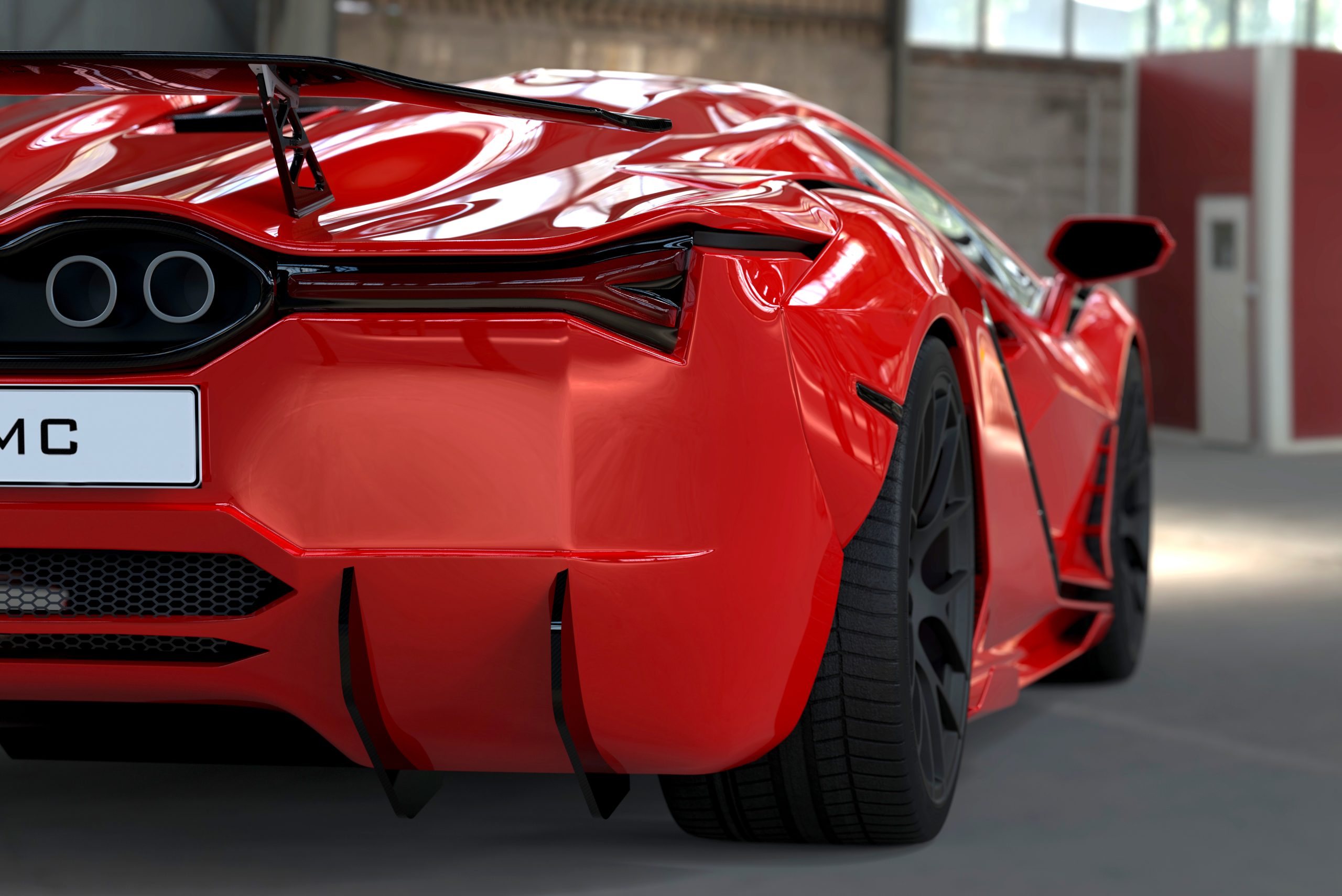
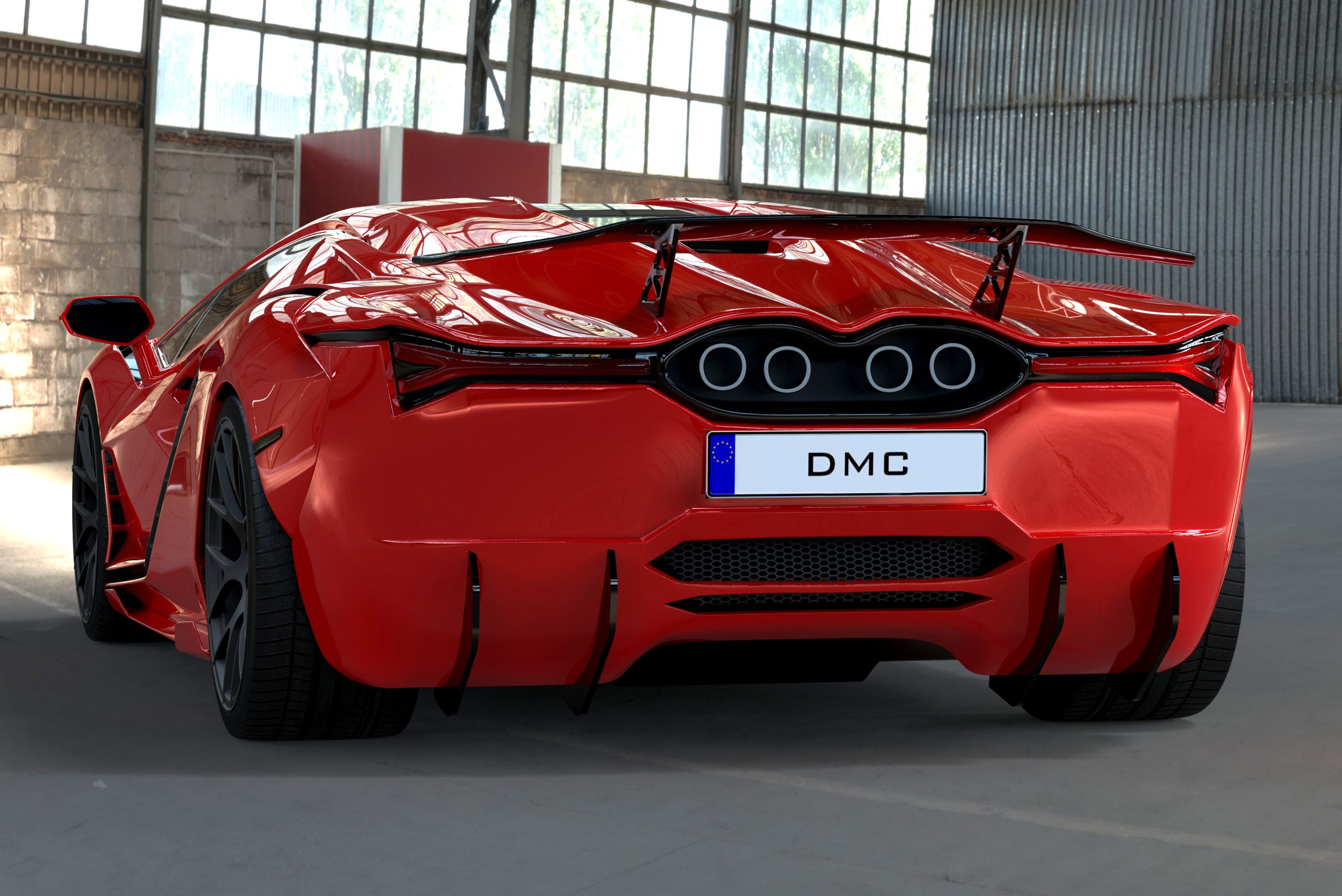
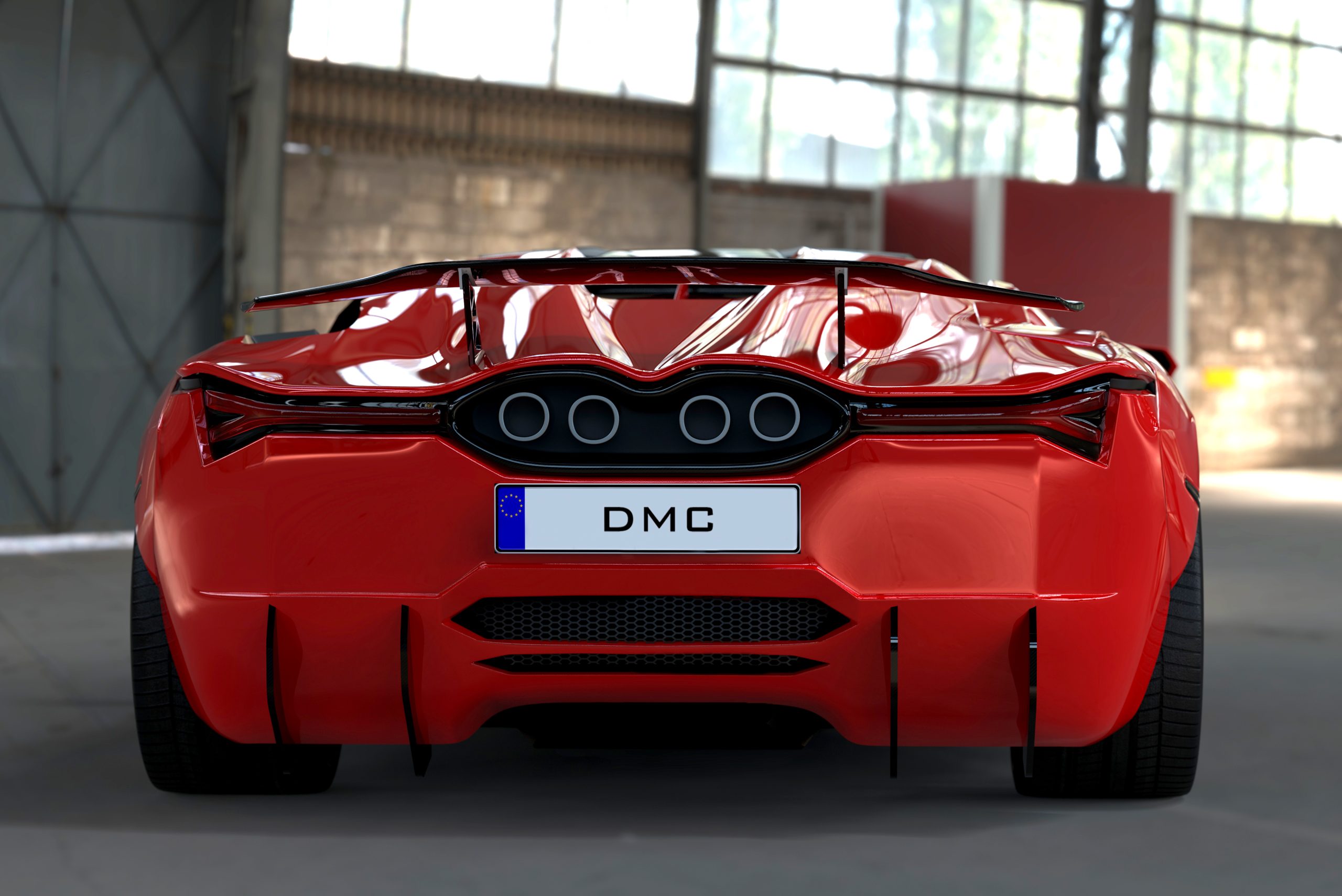
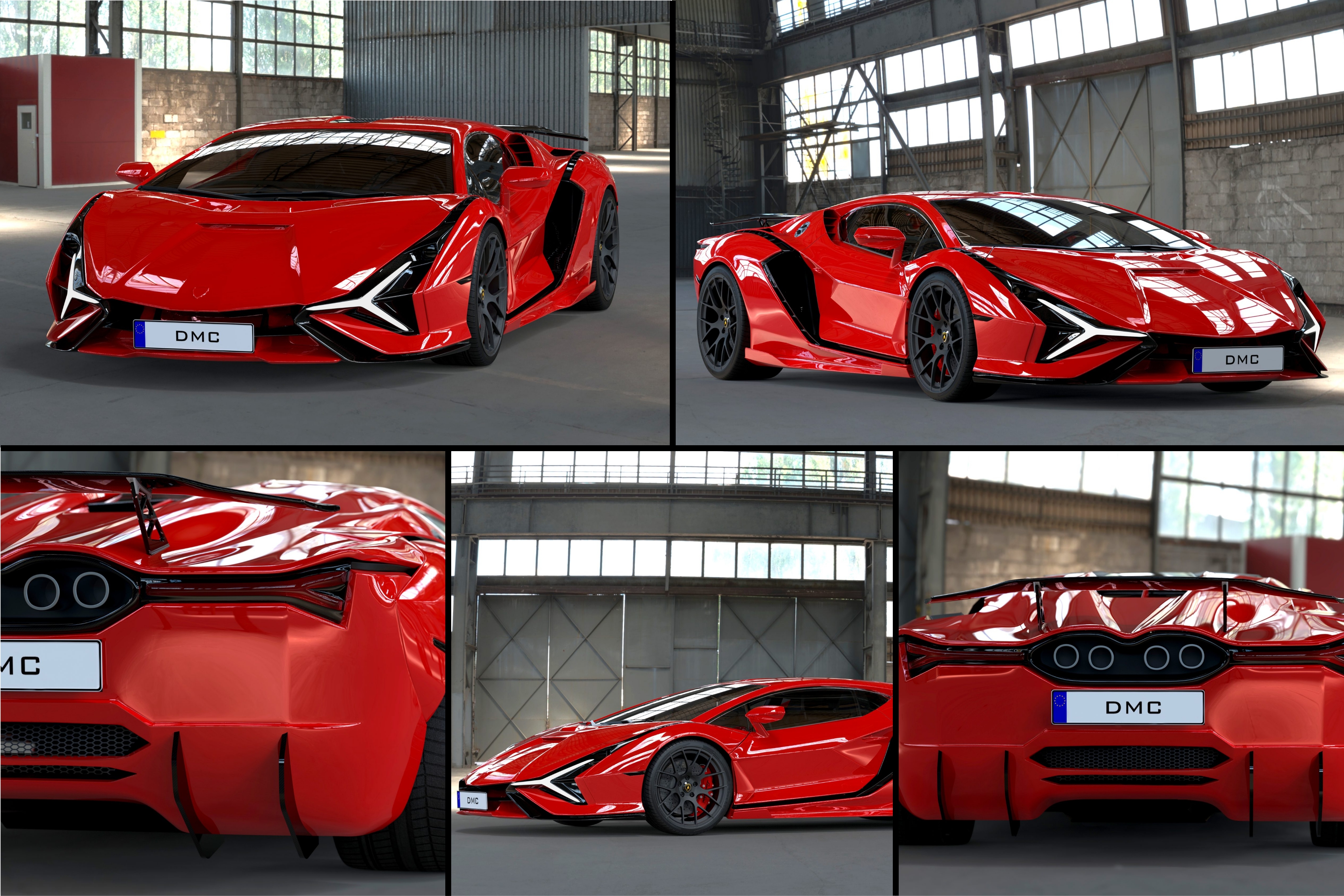
  • Lamborghini Revuelto imagined by DMC


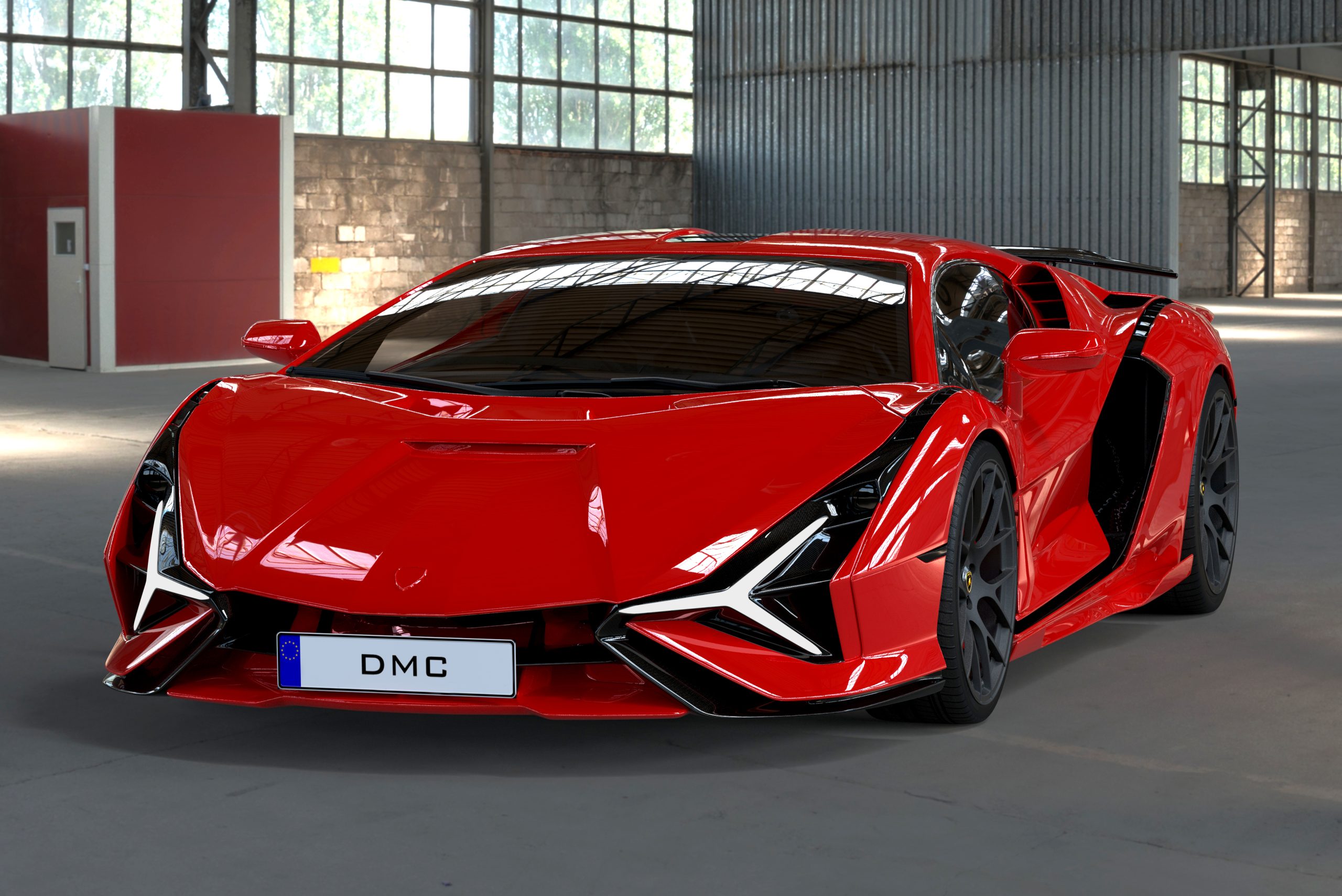
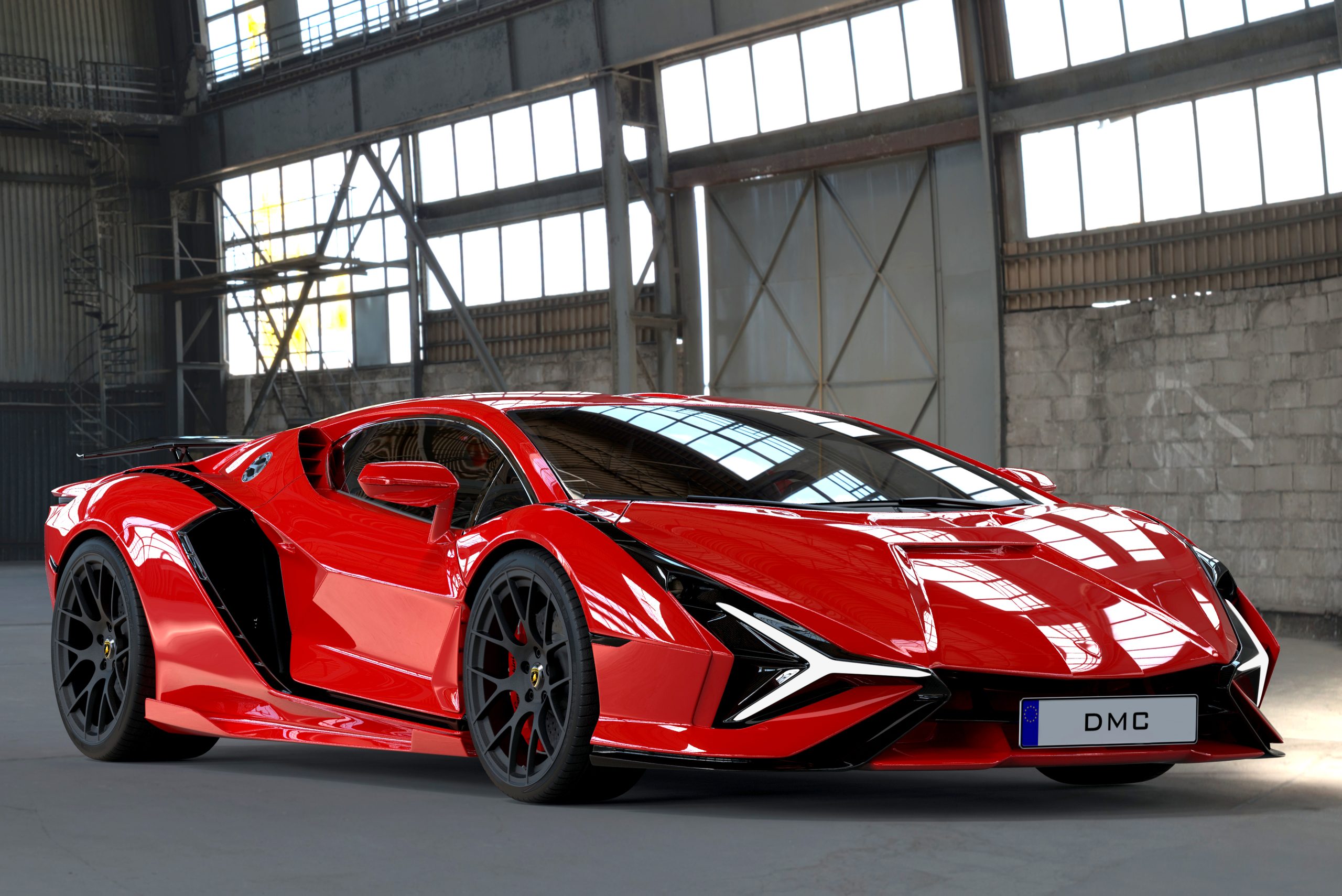
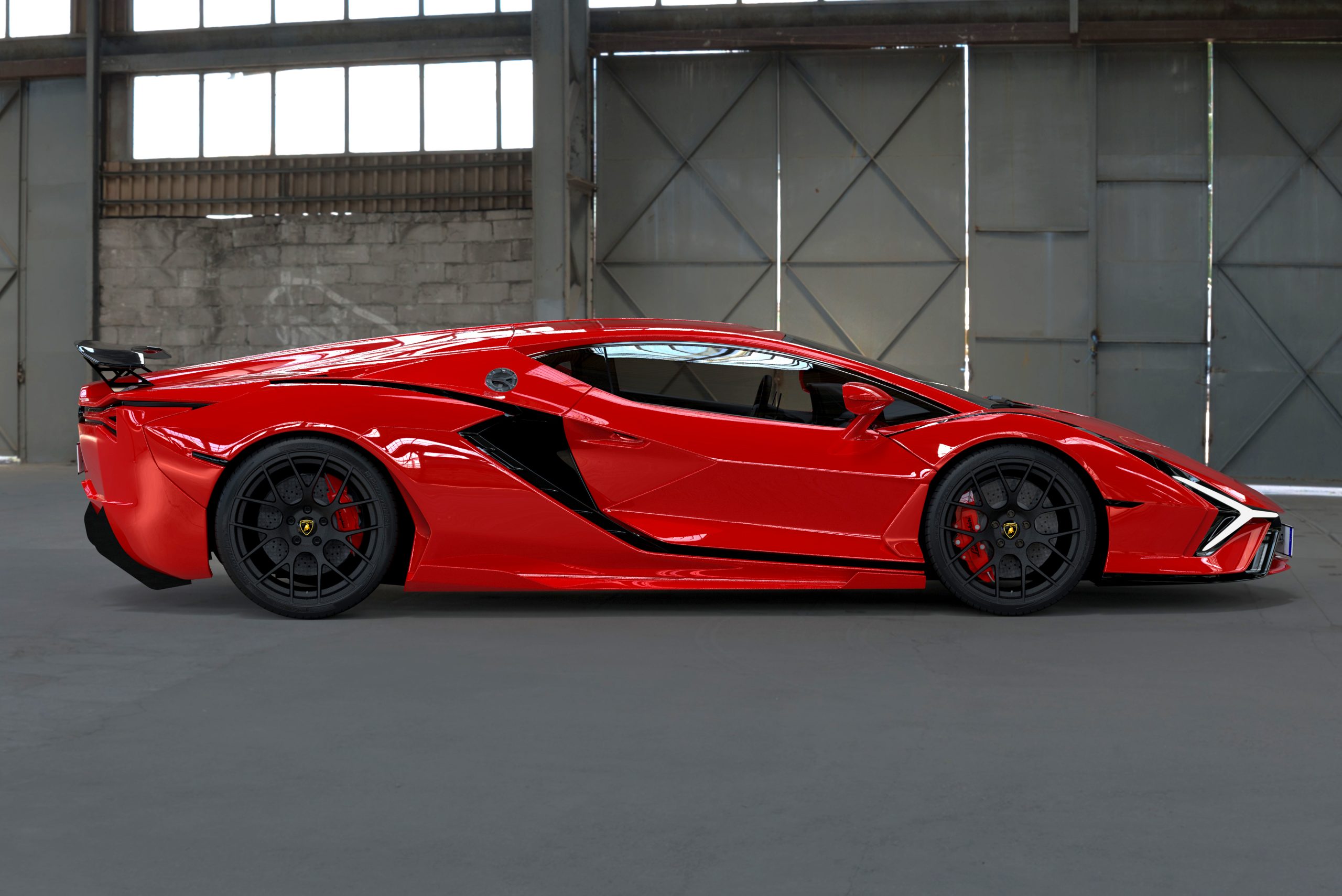
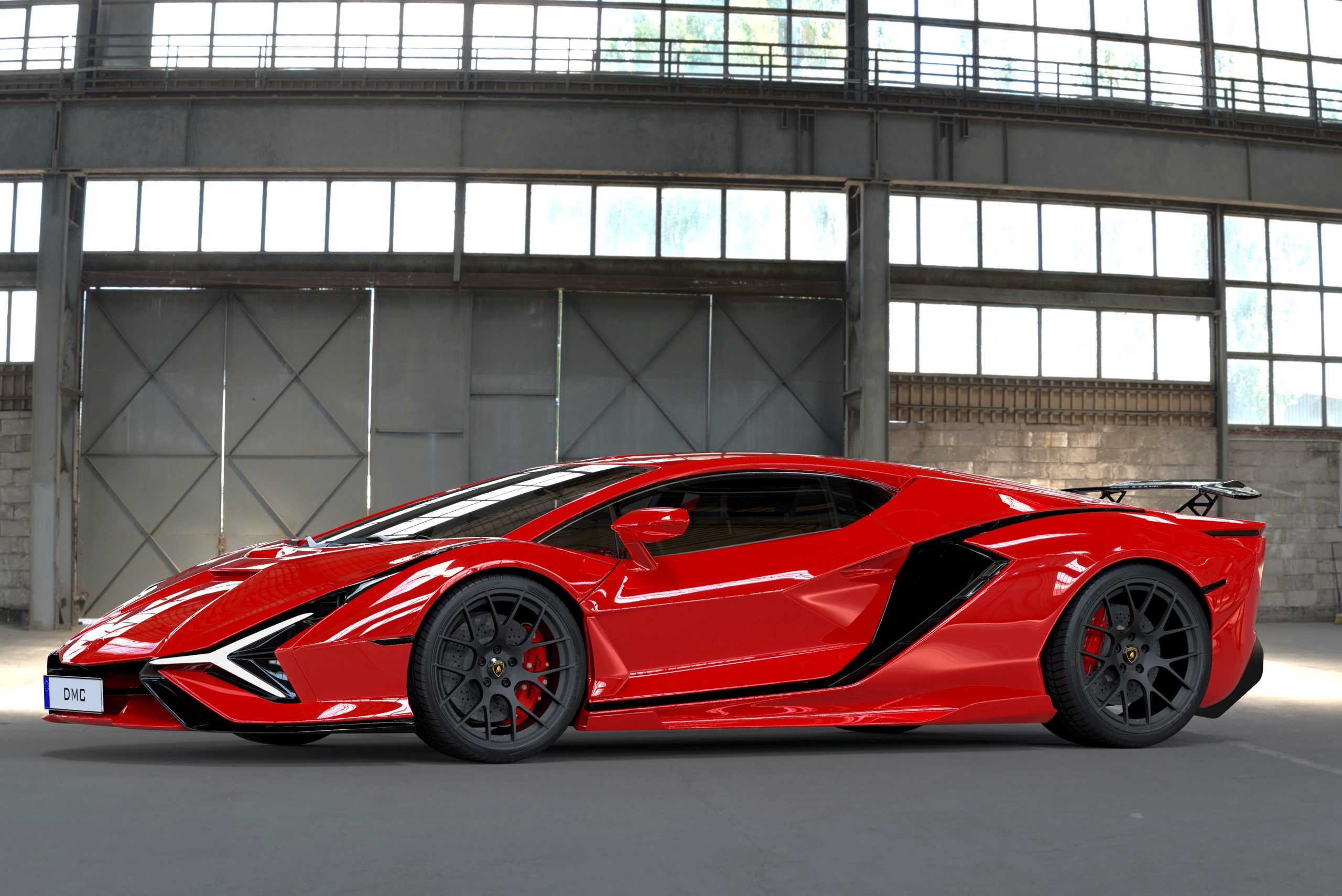
    DMC Lamborghini Revuelto (2022)

    2022 DMC Lamborghini Revuelto

    The Lamborghini Aventador will soon become obsolete, and its successor is rumoured to be called Revuelto. German Tuner DMC has made itself a name in the Lambo World, so it comes as no surprise that their designers are already working on how the new car could potentially look like – including some of their own DNA touches.

    But let’s first recap what we know about the car that is supposed to replace the Aventador:

    Lamborghini is readying a radical super-hybrid to follow up the Aventador, and recent spy shots gave us a fresh look ahead of its anticipated reveal later this year. It will become Sant’Agata’s first plug-in hybrid, setting the tone for an electric push, as Lamborghini prepares to end production of the V12-engined flagship, more than ten years since it launched. The brand stopped taking orders for the commemorative ULTIMAE EDITION in October last year.

    Importantly, however, while its replacement will use an electrified drivetrain, it will take the bulk of its power from a large-capacity V12, in line with company boss Stephan Winkelmann’s commitment to the emotional value of its supercars.

    He said last year that there is “a lot of emotion attached” to the twelve-cylinder engine, which he is particularly aware of, having been involved in the launch of the Aventador in his first stint as the boss of Lamborghini in 2011.

    After the spy shots started making their rounds on the internet, DMC didn’t wait a second and started imagining what the actual car could look like. While there are plenty of elements from the recent Sian,  especially on the front end, the rear seems to be a completely new design.

    We are proud to share the German tuner’s visualisation with you here today, which sticks mostly to the design elements that we discussed above. But there is one more thing they say, and so DMC couldn’t resist to add their iconic Rear Wing Spoiler onto the concept design.

    Not many people have seen the actual car, some owners have confirmed that a demo car will be shown at selected dealers as early as December 2022. Until then, let’s use DMC’s design to imagine what soon might become a reality.

    DMC Lamborghini Revuelto - Front Angle DMC Lamborghini Revuelto - Front Angle DMC Lamborghini Revuelto - Side DMC Lamborghini Revuelto - Side DMC Lamborghini Revuelto - Rear Angle DMC Lamborghini Revuelto - Head / Tail Lamps DMC Lamborghini Revuelto - Rear Angle DMC Lamborghini Revuelto - Rear

  • Lexus RX [US]

    Lexus has undertaken a complete reinvention of the RX large luxury SUV, building on the model’s great heritage and breaking new design and technology boundaries to increase the breadth of its capabilities and its appeal to an even wider customer base.

    In 1998, the original RX model founded the market segment for luxury-focused SUVs. Since then, it has continuously evolved, notably becoming the first electrified model in the premium market with the launch of the RX 400h in 2005. Today, it is firmly established as a global core model for Lexus with 3.5 million sales – 300,000 of these in Europe. The all-new fifth generation model range will strengthen this position and Lexus’ reputation for design and technology excellence.

    Koji Sato, President of Lexus International, said: “For the all-new RX we were determined to keep the Lexus DNA of supreme quality, ride comfort and refinement, and elevate the driving experience to the next level, delivering a unique Lexus Driving Signature.”

    Together with the recently launched NX and the upcoming RZ all-electric model, the RX will help build the “Next Chapter” of the Lexus brand. These three models will give the company its most comprehensive coverage yet of the D/E premium SUV market, the heart of Lexus’ business.

    Lexus has developed its new Next Chapter design language for the new RX, including a new ‘spindle body,‘ achieved by integrating the signature spindle grille concept into the entire front of the vehicle. The RX team also drew inspiration from the model’s rich design heritage to produce a car that is instantly recognisable as RX, but with a more dynamic, elegant and confident character.

    Inside, the driver-centred ‘Tazuna’ cockpit focuses on giving the driver direct, intuitive control of the vehicle, following the principal of ‘hands on the wheel, eyes on the road’. It also improves the driving experience, with its intuitive and clean layout, enhanced by the new Lexus Link Multimedia system with the “Hey Lexus“ onboard assistant, a 14-inch touchscreen and remote functions that can be accessed using the Lexus Link smartphone app.

    To craft the new RX’s ‘Lexus Driving Signature’, Lexus optimised the SUV’s fundamentals such as the centre of gravity, inertia specifications, weight reduction, rigidity, and powertrain to create a more natural dialogue between car and driver. The improved handling and responsiveness are founded on a development of Lexus‘ GA-K platform that delivers excellent body rigidity and a low centre of gravity.

    The new RX comes with a line-up of three different electrified powertrains in Europe. At the core of the brand’s offering in Western Europe, the RX 450h+ is the first RX to adopt Lexus‘ plug-in hybrid technology. The RX 350h hybrid electric is positioned as an efficient alternative to lower displacement diesel and petrol powertrains. And for customers seeking more exhilarating performance, Lexus is introducing its first performance-focused turbocharged hybrid, the RX 500h, which comes with DIRECT4 drive force control.

    For Eastern markets, alongside the RX 500h performance hybrid, Lexus is also offering the RX 350 with a new 2.4-litre turbocharged petrol engine, delivering higher performance than the current 3.5-litre model.

    Leveraging Lexus’ world-class safety technology, the RX benefits from the third generation Lexus Safety System +, with an improved Pre-Collision System, new Proactive Driving Assist and optional Extended Safety Package. It is also available with Lexus’ Safe Exit Assist; linked to an electronic door release system, it prevents doors being opened into the path of vehicles or cyclists approaching from the rear.

    DESIGN AND PACKAGING

    • Sleek and powerful Next Chapter design gives the RX stand-out road presence
    • New global architecture platform allows for a longer wheelbase and more spacious cabin with the same overall length as the current model
    • Luxury expressed in simplicity of interior design
    • Focused driver’s cockpit, using Lexus’ Tazuna design concept
    • Exclusive styling features for F SPORT models

    Next Chapter Lexus design

    The mission for the exterior design team was to give the new RX a unique identity with proportions born from its dynamic driving experience. This approach marks further development of the “Next Chapter” Lexus design, introduced with the new generation NX model, through which the styling directly communicates the car’s performance and the quality of the driving experience.

    At the same time as the designers could look to the future, there was also a requirement to project the quality of Lexus as a global luxury brand and for the new model to be recognisably an RX, with details that reference its heritage.

    These diverse qualities are witnessed in a car that projects a powerful road presence and performance potential, with a bold appearance and firmly planted stance. The sense of “newness” is immediate and strong, giving the car visual impact to match the quality of its three new electrified powertrains.

    Next Chapter design has taken the spindle shape from the signature Lexus grille to create a new spindle body effect, integrating the shape into the entire front of the vehicle. The grille itself has been reinterpreted as a seamless unit that integrates with the body along its edges. The new slim headlight units and a front track that is wider by 15 mm add emphasis to the car’s lower centre of gravity and planted look.

    In side-on view, a horizontal posture was created by raising the front of the bonnet and lowering the bottom edge of the rear window, compared to the current RX. This compresses the area above the wheels, creating a solid, well-grounded look.

    While the new RX has the same overall length as the current model, the bonnet has been elongated, with the A-pillar moved further back, and the wheelbase has been extended by 60 mm. Sculpted surfaces on the door panels, flared rear wings and 21-inch wheels add a sense of powerful traction and dynamism.

    The RX’s characteristic “floating roof” effect created by a blacked-out rear-pillar is retained but given a stronger three-dimensional appearance. The rear of the car communicates a sense of power with a shorter overhang, wider track (+45 mm) and a sweeping transition from the wings round to the tail lights. The rear combination lights are set in a light bar that spans the width of the car and wraps around the corners to heighten the wider look.

    Nine exterior colours are available, including a new Sonic Copper – one of several options using Lexus’ advanced sonic paint technology for a more lustrous finish with deep contrasts. The wheel choices include new 21-inch alloys – larger rims than previously for the RX, adding to the model’s dynamic look and powerful stance.

    Lighting

    Slim, three-projector LED headlights are featured on the new RX mid-grade and, with a BladeScan Adaptive High-beam System (AHS) on the Luxury grade and F SPORT Performance model; other versions use bi-Beam LED design. These sit above daytime running lights with surface illumination that have a stronger three-dimensional look and silhouette; those on higher grade models have elegant “fade-in” illumination. Quality is further expressed in turn indicators with light guides, giving a seamless lighting effect.

    The front fog lights and cornering lights are discreet units, incorporated in bezels set low in the front bumper

    At the rear, the combination lights are set in an L-shaped light bar with a single lens that spans the full width of the vehicle and wraps around the corners, emphasising the powerful design and underlining the new LEXUS logo.

    Aerodynamics

    The visual appeal of the exterior design is matched by its aerodynamic efficiency. Effective details include the precise calculation of the rear spoiler shape and position,  a belt moulding that is flush with the bodywork and the addition of a fin on the bottom edge of the rear bumper which suppresses air flow turbulence behind the rear wheels.

    Beneath the car there is an engine undercover with a dimpled surface that creates air vortices as the car moves, enhancing the feeling of it being in firm contact with the road. Across the range, each model has a larger area of flat undercover and flat-surfaced heat insulators, creating a flat floor for smoother air flow.

    F SPORT design features

    The RX 350 is also available in F SPORT grade, while the RX 500h is introduced exclusively as an F SPORT Performance model, with additional performance engineering features (details in the powertrain and dynamic performance sections below).

    In design terms, the F SPORT models are distinguished by exclusive styling touches inside and out. The exterior details include dedicated 10-spoke 21-inch alloy wheels with a matt black finish, black roof rails and door mirrors, a seamless grille with a specific piano black mesh pattern, F SPORT front and rear bumpers, black F SPORT badging on the front wing and additional black stainless steel mouldings on the doors and bumpers. Six exterior colours are available for the F SPORT Performance, including the new Sonic Copper.

    As well as style additions there are also extra aero features: the lower edge of the front bumper is shaped to generate higher downforce and additional wheel arch mouldings serve to release the pressure inside the bumper and to regulate air flow around the front wheels.

    Inside, the F SPORT features include the steering wheel and shift lever with perforated leather trim, the meter display, aluminium sports pedals and trim details, F SPORT-branded scuff plates and sports front seats upholstered in Black or Dark Rose leather with Ultrasuede bolsters. Trim inserts are in a new Dark Spin aluminium with a horizontal line pattern that gives the surface shading and texture.

    Interior design

    The RX’s interior expresses luxury through simplicity. This “less is more” approach dispenses with superfluous details in favour of a cool, contemporary look with clean, uncluttered surfaces. The effect of this Lexus design evolution is an immediate sense of space, well-being, refinement and comfort.

    The cabin retains elements that display Lexus’ Takumi hand-crafted luxury and appeal to all the senses. Even the opening and closing feel and sound of the doors came under close scrutiny.

    The new design simplicity can be seen in the way the dashboard sweeps in a clean, continuous form, taking in the meter hood, instrument panel and the door trims.  Equipping the car with the new e-latch electronic door release system has allowed the interior handles to be moved lower down and the upper section of the door panels to be carved out, creating a natural extension of the instrument panel.

    The RX is available with a new, larger panoramic roof with an opening front section. To give the best possible view from the rear seats, the centre frame has the thinnest possible cross-section without compromising collision safety.

    Tazuna driver’s cockpit

    The theme of simplicity complements Lexus’ Tazuna concept for the driver’s cockpit, which rationalises the location and ease of use of the controls and information sources, so that attention is focused on the job of driving.

    The design allows the driver to have a deeper, more intuitive connection with the car, making it easier for them to control it as they intend. The Tazuna approach can be seen in details such as the new multimedia system: the large, 14-inch touchscreen and the provision of physical buttons for frequently used functions help minimise driver head movement. The modular design and positioning of the principal information sources – the meters, centre console display and optional head-up display – mean only smooth, small changes in the driver’s line of sight are required to view them.

    SUV packaging

    The interior packaging is that of a true SUV, delivering the necessary practicality, convenience and flexibility. Basic advantages are drawn from the GA-K platform, including the lower centre of gravity (-15 mm), increased wheelbase (2,850 mm – +60 mm) and wider tracks (front +15 mm, rear +50 mm), achieved within an overall length that is the same as the current RX (4,890 mm).

    The driver’s field of view is increased to provide top-class visibility for safer and more comfortable driving. This is helped by a new ergonomic design for the area around the front pillars to give a better sight-line when cornering. Accurate line-tracing is also helped by raising the front edge of the bonnet, so that it is easier to judge the vehicle corners, and optimising the height of the central bonnet bulge. Similarly, thinner rear quarter pillars give a better rearward view for the driver, for example when merging onto a highway.

    The design provides more knee room for rear seat passengers and a better view both to the side and ahead, helped by the car’s lower belt line and the wider forward field of vision. Access has been made easier with a lower hip-point and adjustment of the easy access power adjustment.

    The rear load compartment matches the current RX for capacity, despite the new model having a shorter rear overhang. This is thanks to clever design solutions, including a thinner back door and a lower loading height. The VDA volume is 612 litres with the rear seats in place, above the deckboard. This gives enough space to carry four 9.5-inch golf bags or two 77-litre and two 63-litre suitcases. There is extra space beneath the deck for tools and smaller items and roof rails are available so that accessories such as roof boxes and cycle carriers can be fitted. The roof bars are compatible for use with the optional panoramic roof.

    Upholsteries and trims

    The new RX is Lexus’ first model to be offered with a leather-like upholstery that uses no animal products, featured on the seats, steering wheel and shift lever in the Comfort grade models.

    Smooth leather colour options for Executive grade include new Dark Sepia, Ammonite Sand and Hazel, with black inlays. These are also available for the semi-aniline leather on Luxury grade models with Ash Sumi Black and new Dark Bamboo option wood grain trim detailing.

    The door panels and seat shoulders have a new embossed L-motif pattern that creates a shadow effect, inspired by the traditional Japanese Kageri  (dark shadow) aesthetic.

    DYNAMIC PERFORMANCE AND THE LEXUS DRIVING SIGNATURE

    • New model marks a major leap forward in terms of dynamic performance
    • Lexus Driving Signature strengthens the driver’s connection with the vehicle, giving confidence, comfort and control at all times
    • Handling, responsiveness and comfort supported by increased body rigidity, a lower centre of gravity, weight-saving measures and improved inertia specifications

    An essential element in the Lexus “Next Chapter” is the enabling of a natural connection between driver and car, a “dialogue” in which the vehicle responds exactly as the driver intends and where the driver always feels confident, comfortable and in control. This is the Lexus Driving Signature, a dynamic performance hallmark of all new Lexus models which the RX achieves through the strengthening of its fundamental qualities and refinement of its drive control.

    The adoption of Lexus’ Global Architecture GA-K platform is the foundation for achieving lower centre of gravity, improved inertia specifications, weight reduction (by up to 90 kg compared to the current model) and increased body rigidity – elements that play a central role in taking the model’s dynamic performance to a higher level.

    Body rigidity

    The inherent rigidity of the GA-K platform translates directly into ride quality, reassuring responsiveness, faithful, agile handling and comfort.

    Although this platform also underpins the new Lexus NX, it has been significantly redesigned for use in the RX. The changes have allowed for an increase in the wheelbase and the installation of an additional cross-member and additional suspension braces. This strengthens the body rigidity and allows for more accurate suspension tuning.

    Measures to secure a greater torsional stiffness also include a seamless ring frame at the rear. Structural joints have been strengthened with more extensive use of adhesives (an extra 2.6 m compared to the current RX), laser screw welding and new short pitch welding. In total the welding length has been increased by 7.4 m. Using high-rigidity foam around the back door aperture provides lightweight but effective reinforcement.

    Following the innovation introduced on the all-new NX, the RX adopts a twin-latch mechanism for the bonnet. This allows the bonnet to contribute to the overall rigidity of the car’s front end, while also giving quieter performance with less vibration when travelling at speed.

    Weight-saving measures

    Lexus has introduced new materials into the car’s construction to reduce vehicle weight without compromising the integrity of the structure or performance.

    Notably, the thickness of the side members and the door assemblies has been reduced and high tensile strength and hot-stamped steels have been adopted for certain components, including the centre pillar.

    Further weight savings have been achieved by changing the front wings from steel to aluminium – a measure that has helped improve the car’s front/rear weight distribution. No detail is too small: the covers for the fuel filler and the RX 450h+ charging port have been switched from steel to resin.

    Noise and vibration countermeasures

    Producing a cabin that’s comfortable and quiet at all times was a priority development goal for the new RX. Particular targets were to achieve a pleasant door closing sound, with no unwanted noise; a reduction in booming when the drivetrain is idling; and less transmission of road noise, particularly when there is a change in surface.

    To produce the ideal door closing sound, unwanted high frequency noise has been eliminated through detailed design changes and the use of high-damping material. Booming has been controlled by measures to suppress vibration of the windscreen and back door, while the use of high-damping mastic on the roof and side door panels has reduced the level of road noise experience inside the vehicle.

    Further use of noise-proofing material to absorb and insulate sound has contributed to a quieter interior where conversation can be enjoyed with clarity during cruising. Elsewhere, steps have been taken to reduce wind noise generated around the front pillars and door mirrors.

    Suspension

    The aim of the suspension design was to support delivery of good steering feel, stability and a ground-hugging, flat vehicle posture that isn’t affected by external disturbances.

    The new MacPherson system at the front is optimised for ride comfort and linear response to the driver’s steering inputs, with better absorption of shock and vibration from uneven road surfaces. This entailed a comprehensive refinement of all the key components, including the layout and performance characteristics of the arms, bushes and shock absorbers.

    At the rear there is a new multi-link set-up that is engineered for better lateral stability and handling higher levels of torque. A focus on improved component rigidity has contributed to better steering response and giving the driver a sense of the rear of the car having a secure, planted feel at all times.

    Adaptive Variable Suspension

    The Adaptive Variable Suspension (AVS), featured as standard on Luxury and F SPORT/F SPORT Performance grades, provides independent damping control at each wheel, giving a more comfortable ride on uneven surfaces, higher damping force when turning and flat ride stability.

    Compared to the system on the current RX, the damping force range has been increased, so AVS is effective on an even wider range of surface quality and in different driving operations. Finer adjustment of the damping force gives smoother response the changes in road quality and response is quick, giving better control and reducing body roll.

    The driver can choose between two damping force control modes. ‘Normal’ gives a high balance between steering response and ride comfort while ‘Sport’ prioritises steering response and a flat ride, with more frequent use of hard/high damping force.

    Braking system

    The new RX hybrid electric models adopt a new AHB-G electronically controlled brake system, a pressure-on-demand system that uses a high-performance pump motor, giving a natural braking feel, controllability and responsiveness. Front-rear brake force distribution is controlled by independent pressure regulation, helping the vehicle maintain a stable posture under braking. The system’s refinement is also reflected in a new damping mechanism for the brake pedal, giving smooth operation and controllability.

    The F SPORT model is equipped with larger, 400 mm diameter ventilated front discs and new opposed six-piston aluminium monoblock callipers. The new callipers – painted black and bearing the Lexus logo – are highly rigid. They provide a greater brake pad surface area and uniform pressure. The driver will notice the benefits in linear, direct and stable braking and fade-resistant performance.

    The RX 350 gasoline models are fitted with a vacuum brake system with optimised booster and master cylinder characteristics to give superior braking force, control and response.

    Vehicle Braking Posture Control

    Vehicle Braking Posture Control is a Lexus world-first, providing reassuring performance that communicates a linear braking feel to the driver and a sense of all four wheels being in secure contact with the road.

    Provided on the RX 450h+ and RX 350h, this varies the front/rear brake force distribution, according to the driver’s pressure on the brake pedal and the vertical suspension movements. This reduces pitching to maintain a stable vehicle posture.

    On the RX 500h, the DIRECT4 drive force control system is used to control vehicle posture as well.

    Dynamic Rear Steering

    The RX 500h F SPORT Performance uses a Dynamic Rear Steering (DRS) system which automatically calculates the optimum steering angle for the rear wheels, in line with vehicle speed and direction.

    The maximum rear wheel turning angle has been increased to four degrees. This improves low-speed manoeuvrability and helps maintain stability at high speeds.

    At low and mid-speeds, the rear wheels turn counter to the front wheels while at high speeds they turn in phase with the front axle. The DRS angle is also optimally controlled as part of the Vehicle Dynamics Integrated Management (VDIM) operation.

    Trail Mode

    Trail Mode is provided on the Lexus RX for the first time, integrating control of the all-wheel drive system, braking and drive force to prevent wheel-slip when driving on slippery or uneven roads. This allows maximum drive force to be used, even when driving on rough road surfaces.

    POWERTRAINS AND PERFORMANCE

    • New electrified powertrains give Lexus complete coverage of the large premium SUV segment
    •  Ground-breaking new RX 500h turbocharged performance hybrid with DIRECT4
    • RX 450h+, the first plug-in hybrid electric RX model
    • RX 350h the new entry point to the electrified RX range

    The all-new RX provides more comprehensive segment coverage in terms of powertrain choice than any previous generation. Lexus has brought to bear more than 15 years’ experience in electrified powertrain technology to embrace the evolution of the sector and provide a choice that includes the first plug-in hybrid electric RX, an accessible and efficient full hybrid electric model and, for the first time, a completely new performance hybrid, aimed at customers seeking a higher level of dynamic performance.

    Alongside the new, all-electric RZ 450e battery electric model, this expansion of the RX line-up gives more customers the chance to choose their ideal electrified option.

    RX 500h: a game-changing performance hybrid with DIRECT4

    • 2.4-litre turbo hybrid engine with six-speed automatic transmission and DIRECT4
    • Output: 371 DIN hp/273 kW
    • 0-100 km/h: 6.2 sec *
    • CO2: 182-189 g/km *
    • Fuel consumption: 8.0-8.3 l/100 km *

    The RX 500h marks a breakthrough in hybrid electric technology that sets it apart from any hybrid model that has gone before. Lexus has successfully shifted the focus from optimum efficiency to produce a model with a genuine performance edge, raising the RX’s appeal with customers who want high-end electrified performance.

    It uses a completely new parallel hybrid architecture, featuring a turbocharged 2.4-litre turbo petrol engine and six-speed transmission, integrated front motor and power control unit, hybrid battery and a compact 76 kW rear e-axle. Total system output is 371 DIN hp/273 kW with 550 Nm of torque, giving 0-100 km/h acceleration in 6.2 seconds.

    Parallel hybrid system

    The front electric motor is positioned between the engine and the transmission (which has a clutch on both sides), enabling great flexibility in power delivery and the ability for the vehicle to run in all-electric EV mode. The hybrid control system automatically switches between parallel and EV modes according to the driving situation, giving both powerful acceleration and fuel efficiency. While performance is at a level typical for a 3.0-litre V6 petrol model, the RX 500h’s hybrid system can deliver around a 20% improvement in fuel economy.

    The driver experiences powerful performance and drivability characterised by a direct, “torqueful” feel with minimal delay between pressing the accelerator and drive force being delivered to all four wheels.

    Battery technology

    The RX 500h uses a new low-resistance nickel-metal hydride (Ni-MH) battery unit that delivers high output while supporting fuel economy. It has a bipolar structure and adopts new high-output components. It is installed beneath the car’s rear seat, avoiding loss of cabin or load space and is quieter, thanks to refinement of its air cooling system.

    DIRECT4

    Power delivery is controlled by DIRECT4, an exclusive new Lexus drive force technology that is also featured in the new RZ 450e battery electric SUV.

    This intelligent all-wheel drive system uses a separate electric motor and inverter to constantly balance the power and torque between the front and rear axles in any driving situation. It automatically and seamlessly adjusts the level the drive force between the two axles – more quickly and precisely than any mechanical system could.

    DIRECT4 communicates a better feel between the road and steering wheel and delivers improved handling stability and driving dynamics at high speed. Importantly for the RX 500h, it also enhances ride comfort with instant torque that helps control body movement.

    Its benefits are experienced in different driving scenarios:

    • Starting off – drive force is securely delivered to all four wheels
    • Straight line driving – vehicle remains steady at all times
    • Entering a bend – change of direction is smooth
    • Steering through a bend – steering provides good feedback
    • Accelerating out of a bend – easy for the driver to trace a faithful line
    • Exiting a bend – confident, direct acceleration

    The balance of front/rear drive torque is adjusted to achieve ideal performance, with the front/rear balance adjusting between 100:0 and 20:80, according to the driving scenario. When pulling away and in straight-line driving the system controls the ratio at between 60:40 and 40:60, suppressing pitching and giving a direct acceleration feel. When cornering, the system uses information such as vehicle speed and steering angle to determine the drive force distribution and secure handling stability. Drive force is weighted towards the front axle (70:30 to 50:50) at the start of a turn, then more biased to the rear (50:50 to 20:80) when exiting the corner, giving good traction and maintaining stability.

    RX 450h+: the first plug-in hybrid electric RX

    • 2.5-litre plug-in hybrid electric powertrain
    • Output: 309 DIN hp/227 kW
    • 0-100 km/h: 6.5 sec *
    • CO2: 24-26 g/km *
    • Fuel consumption: 1.1-1.2 l/100 km *

    The plug-in hybrid system deployed in the RX 450h+ is the same as that which Lexus debuted to great success in the all-new NX.

    It features a four-cylinder Atkinson cycle 2.5-litre hybrid engine and a rechargeable lithium-ion battery with 18.1 kWh capacity. An additional rear electric motor enables Lexus E-Four full-time all-wheel drive.

    While it offers similar power to the outgoing RX 450h, it produces more torque and faster acceleration. Total output is 309 DIN hp, which is expected to enable 0-100 km/h acceleration in 6.5 seconds.

    The battery’s size and capacity and Lexus’s electrification know-how combine to deliver significantly lower fuel consumption and emissions. Lexus’ target CO2 emissions (WLTP combined cycle) are below 26 g/km with fuel economy of less than 1.2 l/100 km. An EV driving range of more than 65 kilometres is expected, with all-electric driving possible at speeds up to 130 km/h.

    The Lexus plug-in hybrid system offers a critical benefit that sets the RX 450h+ apart from its rivals. When the battery charge is depleted, the vehicle switches seamlessly to its self-charging hybrid system, maintaining high fuel and emissions efficiency. This is in contrast to most other manufacturers’ systems, where the powertrain defaults to its internal combustion engine.

    Lexus expects the RX 450h+ will be its core RX model, a logical step-up for many of its current RX 450h customers and consequently the best-selling RX in Western and Central Europe.

    Hybrid system drive modes

    EV electric running is the default mode – the car will run on electric power to the limit of is range, regardless of how hard the driver uses the accelerator. With the contribution of the lithium-ion battery maximised and more power coming from the electric motors, driving feels effortless yet refined.

    The driver also has the option of Auto EV/HV mode, which automatically brings the hybrid engine into play when extra power is needed, then returning to EV operation immediately afterwards. The driver can also select HV mode to maximise efficient operation, automatically maintaining the battery’s state of charge.

    Battery charging mode starts the engine to restore the battery charge level, helping ensure more battery power is available when EV driving is required, for example prior to entering a zero or low emissions zone.

    Sequential Shiftmatic transmission

    The driver can use paddle controls to operate the Shiftmatic transmission in a series of shift ranges, selecting “S” with the shift lever. This delivers engine braking force in six steps with a shift feel similar to a manual transmission. A low shift range enables high engine speed control for sharp acceleration response, increasing driver rewards.

    Hybrid system components

    The plug-in hybrid system uses a new transaxle that achieves a top-level balance of fuel economy and driving performance. The inclusion of a rear transaxle, with E-Four all-wheel drive, adds to driver confidence with stable performance assured in day-to-day driving.

    The front transaxle is a compact unit thanks to a multi-axis design that located the electric motor/generators side by side instead of in line with each. The rear transaxle as a three-axis, two-stage reduction system, which reduces weight and operating losses. The gear train is engineered to be quieter and to give good pulling-away and acceleration performance on low-friction, slippery road surfaces.

    The power control unit (PCU) is also new, designed to handle the higher output of the PHEV system while still supporting efficient fuel consumption. It is mounted in the same way as in the full hybrid electric system in the RX 350h, and is only slightly larger in size. It includes a boost converter, while the DC/DC converter is relocated beneath the rear seat.

    The new, high-capacity lithium-ion battery is compact and housed beneath the cabin floor, avoiding intrusion in cabin and load space. Its reliable performance and high output – qualities secured through Lexus’ long experience in battery technology – are central to the car’s good EV driving range. Using a boost converter increases the voltage, so the hybrid system can draw more power from the battery.

    The RX 450h+ is fitted with a 6.6 kw/h on-board charger. With a 230 V/32 A connection, a full battery recharge can be accomplished in about 2.5 hours.

    RX 350h: efficient fourth generation self-charging hybrid

    • 2.5-litre self-charging hybrid electric powertrain
    • Output: 250 DIN hp/184 kW
    • 0-100 km/h: 7.9 sec *
    • CO2: 142-149 g/km *
    • Fuel consumption: 6.3-6.6 l/100 km *

    The new RX 350h is characterised by the improved smoothness and efficiency of its fourth-generation self-charging hybrid electric system. This 2.5-litre petrol drivetrain provides 250 DIN hp and 0-100 km/h acceleration in 7.9 seconds, performance comparable with the current RX 450h, while at the same time producing lower emissions.

    It benefits from the same programme of hybrid component improvements featured in the RX 450h+, including a new hybrid transaxle with a more compact design, lighter weight (~22% mass reduction) and reduced friction losses and a smaller (~ 9% volume reduction) and more efficient PCU. It is equipped with e-Four electric all-wheel drive as standard.

    The RX 350h is a strong alternative to competitor models powered by small-displacement engines and ideal for customers who prioritise comfort and efficiency.

    Battery technology

    Like the RX 500h, the RX 350h uses a new low-resistance nickel-metal hydride (Ni-MH) battery unit, designed to give good drivability and a high level of both output and fuel economy. Compared to the battery featured in the previous RX 450h, it has fewer cells (216 vs 240), but delivers equivalent output. These are arranged in a more compact, integrated unit, replacing the previous three-part unit, installed beneath the car’s rear seat.

    RX 350

    • 2.4-litre turbocharged gasoline engine with eight-speed automatic transmission
    • Output: 279 DIN hp/205 kW
    • Max. torque: 430 Nm
    • 0-100 km/h: 7.6 sec *
    • CO2: 197 g/km *
    • Fuel consumption: 8.8 l/100 km *

    Offered exclusively in Eastern Europe, the new RX 350 is powered by a 2.4-litre turbocharged four cylinder gasoline unit that develops 279 DIN hp (249 DIN hp in certain markets) and 430 Nm of torque, which is substantially higher performance than previously. Its strength is matched by the rapid response of a Direct Shift eight-speed automatic transmission with shorter ratios.

    A brand-new, electronically controlled, permanent all-wheel drive system ensures power is effectively transmitted in low-grip conditions such as gravel tracks. Torque allocation between the front and rear axles can be adjusted from 75:25 to 50:50 according to the driving conditions.

    MULTIMEDIA AND CONNECTIVITY

    New Lexus Link Multimedia system

    The new RX delivers advanced connectivity that is both faster and more stable, providing the latest multimedia technology, “always connected” services and the convenience of over-the-air updates. With smartphone, navigation, vehicle commands and multimedia functions, there are about 100 ways for the driver to interact with their vehicle.

    A 14-inch touchscreen, one of the largest in the RX’s class, is fitted as standard. As well as the anti-glare screen there are physical buttons to access the most frequently used functions. Graphics are presented in HD for excellent visibility in all lighting conditions, while the system’s CPU operates 3.6 times faster than that in the previous system, giving a much quicker response to user inputs.

    In Western and Central Europe, all RX versions are equipped with an embedded navigation system.  In Eastern European markets, customers can choose the 14-inch touchscreen without navigation. The car’s DCM (Data Communication Module) provides always-on connectivity, with access to live information on traffic events, accidents and road conditions. New RX models sold in western and central Europe come with a four-year data subscription package as standard; there are no additional charges and no phone pairing is required to access the cloud-based services.

    The DCM also allows software updates for the car’s multimedia and safety systems to be conveniently delivered over-the-air, avoiding the need for a service appointment.

    Audio system

    The standard audio system for the new RX is a premium 12-speaker package that is engineered for smoothly resonant high tones and rich, crisp low tones, to give a realistic live performance atmosphere. The array includes a 20 cm box subwoofer, set in the side of the luggage deck.

    The amplifier enables playback of high-resolution sound sources that contain more audio information than a standard compact disc. Compressed sound sources are converted to produce playback quality equivalent to high-resolution audio.

    Mark Levinson Surround Sound system

    Lexus’ exclusive audio partner Mark Levinson has produced a new 21-speaker Premium Surround Sound system, designed and engineered specifically for the RX. It is optimised for the car’s internal architecture and takes into account any transmission of external noise that occurs during driving.

    The system uses Mark Levinson’s Pure Play concept to produce an accurate, full-bodied sound stage, with sound reproduction that is as close to the original as possible. The design brings the speakers as close as possible to the listeners’ ears, to there is the least obstruction in the flow of sound.

    Audio streaming

    The multimedia system includes a new audio streaming function, via a Lexus-approved service provider. After setting up their personal account, the customer can stream the music of their choice, without having to link to their smartphone.

    Smartphone integration

    Easy smartphone integration is provided as standard – wireless for Apple CarPlay and with a wired connection for Android Auto. A wireless charging tray is available, with charging performance that’s 50% stronger than before.

    Connections

    A USB-A port is provided for high-resolution audio playback, located in the front console box and illuminated for easy access. There two USB-C charging ports on the front console, two on the console’s rear end panel and a further one inside the console box.

    My Setting

    The vehicle can store the preferred multimedia settings for up to three different users, including audio and navigation functions. This is in addition to personalised settings for the driving position, cabin illumination, meter display and Lexus Safety System + functions.

    Lexus Link App

    RX owners can use the Lexus Link app on their smartphone for a number of useful functions, including remote locking and unlocking of their car – useful, for example, if they want the vehicle to be used for a delivery drop-off. It can also activate the air conditioning system to warm or cool the cabin prior to a starting a journey.

    On the RX 450h+, Lexus Link can help the driver programme charging operations and check the battery level.

    Lexus Link can also be used to organise servicing and maintenance appointments and to monitor the owner’s hybrid driving performance.

    LIFE ON BOARD

    • Lexus Omotenashi principles deliver highest levels of comfort and ease of use
    • Driver’s instrumentation designed for quick, intuitive use, true to the Tazuna cockpit concept
    • An even quieter and more refined cabin environment

    Omotenashi hospitality

    Lexus’ Omotenashi hospitality is the basic principle defining how the RX cares for all occupants, making them feel welcome, safe and comfortable at all times. This extends from a welcoming illumination sequence as you approach the vehicle and the animation graphics on the multimedia and multi-information displays as you prepare to drive off. Once the driver’s key has been registered, the sequence can be personalised with their name.

    Meters, touch tracer switches and head-up display

    The driver can customise the RX’s meter display to suit their preference, prioritising the tachometer, hybrid system indicator or speedometer. The design also changes in line with the drive mode that has been selected (Normal, Eco or Sport). F SPORT models have an exclusive racing-style read-out that adds to the model’s performance-focused feel.

    Using technology first applied in the new Lexus NX, the RX has touch tracer switches on the steering wheel. A key part of the Tazuna cockpit concept, these can be used to change or update the contents of the multi-information display, without the driver having to look away from the road. They can be customised to operate the driver’s preferred functions, with details of operation confirmed in the head-up display or multi-information display. Although the switches use touch sensors, they have the haptic “click” feel of physical controls.

    The colour head-up display has three modes showing different levels of information: the full mode includes the status of Lexus Safety System + safety and driver assistance features; standard mode summarises key information at the lower edge of the display; and minimum mode shows only the speed. It can be adjusted for position, rotation and brightness, with details saved on models with driver-personalised memory settings.

    Heating and ventilation

    The RX uses a new air conditioning unit that is more energy efficient and more compact and lightweight, helping Lexus realise a slimmer instrument panel.

    The RX 450h+ uses an energy-saving heat pump which draws thermal energy from air outside the car to heat the cabin, so there is less impact on the car’s EV driving range when using the air conditioning system. It also has a humidity sensor, to help prevent windscreen misting.

    On all RX models, the Lexus Climate Concierge ensures each occupant enjoys their ideal temperature, co-ordinating operation of the front seat heaters, heated steering wheel and triple-zone climate control. Lexus’ S-FLOW control detects which seats are occupied and adjusts air conditioning performance accordingly, saving fuel while ensuring those on board are comfortable.

    Using the Lexus Link smartphone app, RX owners can operate their vehicle’s climate control system remotely, warming up or cooling their vehicle before starting a journey.

    Seating

    The front seats have been redesigned to offer easy access, excellent support and heating and ventilation. Using a “deep hung” construction for the seat upholstery and a new global architecture seat frame improves body holding performance and the seat sides have a concave shape that improves support for the occupant’s waist. The shape of the seat cushion has been revised so that it is comfortable for a wider range of body shapes and sizes. Comfort is further increased on Luxury grade models with an increase in the range of front cushion extension, and elimination of any gap between the front of the seat and main part of the cushion.

    The integrated seat heaters now provide warmth across the entire seats rather than at specific points and the memory system for power seat adjustment has a new control which provides simultaneous adjustment of the slide, lift and recline position, giving quicker operation and avoiding any uncomfortable knee contact or torso compression.

    The easy access system has also been revised, adding an automatic lift-down function in addition to the previous slide away and return, making it easier to enter and exit the front seats.

    According to model grade, the rear seats have manual or power reclining and folding functions and optional integrated heating and ventilation.

    Ambient lighting

    An expression of the Lexus Omotenashi hospitality, the Lexus Mood Selector allows the RX’s ambient interior lighting to be adjusted to suit the mood or the drive from a palette of 64 colours and 14 bespoke themes that evoke different emotions and atmospheres.

    The indirect lighting is featured across the instrument panel, the door switches, footwells and door pockets and creates an embracing feel when travelling at night.

    SAFETY AND DRIVER ASSISTANCE

    • Latest generation of Lexus Safety System +, with even greater functionality to detect accident risks and support the driver in avoiding them
    • Optional Extended Safety Package featuring Lane Change Assistance, Front Cross-Traffic Alert and Emergency Steering Assist with Active Support
    • Lexus’ e-latch with Safe Exit Assist

    The new RX benefits from next-level active safety and driver assistance systems featured in the latest generation of Lexus Safety System + with upgraded functions and increased scope for accident risk detection and prevention. Moreover, their functionality can be kept up-to-date with convenient over-the-air software updates, with no need for the customer to take their vehicle to Lexus workshop.

    Pre-Collision System

    Further expansion of the Pre-Collision System enables it to now detect motorcycles during daytime, and other objects in the car’s path. It can also recognise head-on collision risks with oncoming traffic or crossing pedestrians when making a left or right turn at a junction.

    Its detection response is quicker, and it now provides Emergency Steering Assist. When the driver initiates an evasive steering manoeuvre to avoid another vehicle or obstacle in the RX’s traffic lane, this system provides extra steering torque to help maintain vehicle stability and prevent the car from leaving its lane.

    Adaptive Cruise Control

    Enhancements have been made to the Adaptive Cruise Control so that it now more quickly recognises traffic cutting in in front and, in conjunction with upgrades to Lane Trace Assist, follows a more natural line through bends. The ACC has also been expanded to respond to more signs and commands, including warning signs and STOP signs.

    Proactive Driving Assist

    Proactive Driving Assist (PDA) improves safety and reduces the burden on the driver when travelling at lower speeds in urban traffic. It provides three functions: Obstacle Anticipation Assist, Deceleration Assist and Steering Assist.

    Using the car’s front camera, Obstacle Anticipation Assist will spot a hazard such as pedestrians about to cross the road or walking along the road margin, cyclists and parked cars. If there is a collision risk, it will provide braking and steering to avoid the obstacle, while keeping within the traffic lane. It differs from the RX’s Pre-Collision System in recognising an accident risk earlier and initiating assistance so that the risk does not increase.

    Deceleration Assist supports smooth slowing of the car when the driver takes their foot off the accelerator, for example when approaching another vehicle or a bend ahead*. If the system determines that normal engine braking will not slow the car sufficiently, it applies extra conventional/regenerative braking.

    Steering Assist helps keep the vehicle in its traffic lane when driving through a bend. The system will detect road markings for a curve ahead, calculate the radius and adjust the steering assistance for a correct line. If the steering angle is in insufficient, extra steering assistance is provided to make it easier for the driver to turn the wheel in the right direction. In straight-line driving, the system reduces the level of steering assistance, making it easier to keep the car in a neutral position.

    *At speeds above 20 km/h.

    Driver Monitor

    The Driver Monitor uses a camera mounted above the steering wheel to constantly check the condition of the driver, recognising if they have become distracted, or lost concentration through tiredness or being unwell. If the driver fails to respond to alerts, the system will bring the car to a gentle standstill and call for help.

    Other Lexus Safety System + features

    The Lexus Safety System + package also equips the car with Automatic High-beam or Adaptive High-beam System, Lane Tracing Assist with Lane Departure Alert and Road Sign Assist.

    Extended Safety Package

    While Lexus Safety System + is fitted as standard on all European models, owners of higher-grade models can specify an Extended Safety Package option.

    It introduces Lane Change Assistance (LCA) which provides automatic lane change steering, when the turn indicators are used in highway driving.

    It also adds Front Cross-Traffic Alert which uses radar monitoring to detect and warn the driver of traffic approaching from either side when emerging from a junction at low speed. An animation of the direction of the approaching vehicle is shown in the colour head-up display and if the system judges the driver is about to pull out, it will prompt them to slow down with a warning display and buzzer.

    The Extended Safety Package also includes Emergency Steering Assist with Active support. With this additional Active support function, if the driver doesn’t steer the car in avoidance after the pre-collision warning, the system will apply gentle braking and steer around the hazard, while keeping the car within its lane.

    Lexus e-latch with Safe Exit Assist

    The RX’s e-latch electronic door release system is linked to the car’s Blind Spot Monitor to provide a Lexus-exclusive Safe Exit Assist function. This prevents the door from being opened if cars or cyclists are detected, approaching from the rear.

    Lexus estimates this system can help prevent more than 95% of the accidents caused by inadvertent door opening.

    Advanced driver support

    Lexus introduces many advanced human-centred technologies in the new RX to enhance comfort, convenience and life on board, reinforcing the spirit of omotenashi hospitality.

    The RX can be specified with a digital rear-view mirror which gives the driver a wide, unobstructed field of vision, using real-time images from the car’s reversing camera.

    For easier driving in confined spaces, the Digital Panoramic View Monitor uses cameras to capture a live 360° view around and a pre-recorded view under the car (the cameras now benefit from automatic cleaners). It also creates a virtual 3D image of the RX, showing the vehicle as if seen from above.

    An Advanced Park system is also available, which provides automated control of the steering, shift operation and braking. It uses the car’s array of four cameras and 12 ultrasonic sensors to gain an all-round picture of the immediate surroundings. It will also recognise up to three regularly used parking spots.

    Passive safety

    A full complement of SRS airbags is provided in the RX, including front centre and front passenger seat cushion airbags. The vehicle’s robust structure is engineered to safely absorb and channel impact forces in a collision while maintaining the integrity of the cabin. Performance has been improved with enlarged front side members; the addition of second member below the side members; and a new cross member in the floor, connecting the centre pillar and transmission tunnel. The new high-tensile steel frame at the rear of the vehicle gives better performance in a rear impact.

    SPECIFICATIONS

    DIMENSIONS NEW RX DIFFERENCE vs CG RX
    Overall length (mm) 4,890 0
    Overall width (mm) 1,920 +25
    Overall height (mm) 1,695 0
    Wheelbase (mm) 2,850 +60
    Front track (mm) 1,655 +15
    Rear track (mm) 1,695 +45
    Front overhang (mm) 1,080 0
    Rear overhang (mm) 960 -60
    POWERTRAINS RX 350h RX 450h+ RX 500h RX 350
    Type HEV PHEV HEV Petrol ICE
    Engine 2.5-litrein-line 4-cylinder 2.5-litrein-line 4-cylinder 2.4-litrein-line 4-cylinder turbocharged 2.4-litrein-line 4-cylinder turbocharged
    Battery type Nickel-metal hydride Lithium-ion Nickel-metal hydride –
    Max power (DIN hp/kW) 250/184 309/227 371/273 279/205
    Transmission Hybrid transaxle Hybrid transaxle 6AT 8AT
    Drivetrain E-Four E-Four DIRECT4 AWD
    Acceleration 0-100 km/h (sec)* 7.9 6.5 6.2 7.6
    CO2
    (WLTP combined – g/km)*
    142-149 24-26 182-189 197
    Fuel consumption
    (WLTP combined – l/100km)*
    6.3-6.6 1.1-1.2 8.0-8.3 8.8

    * All data are tentative and subject to homologation
  • 2023 Ducati Streetfighter V4 Lamborghini

    2023 Ducati Streetfighter V4 Lamborghini

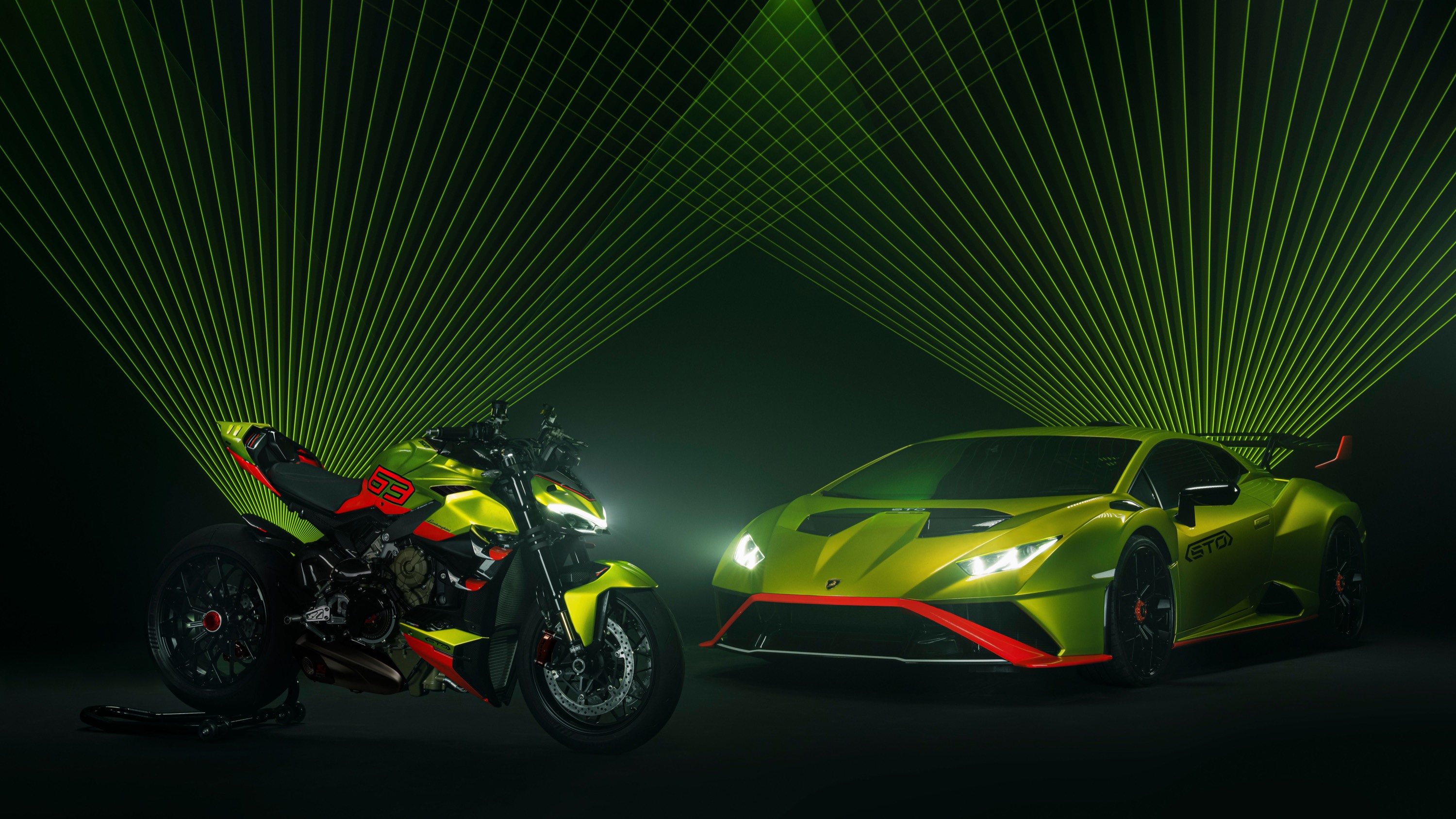
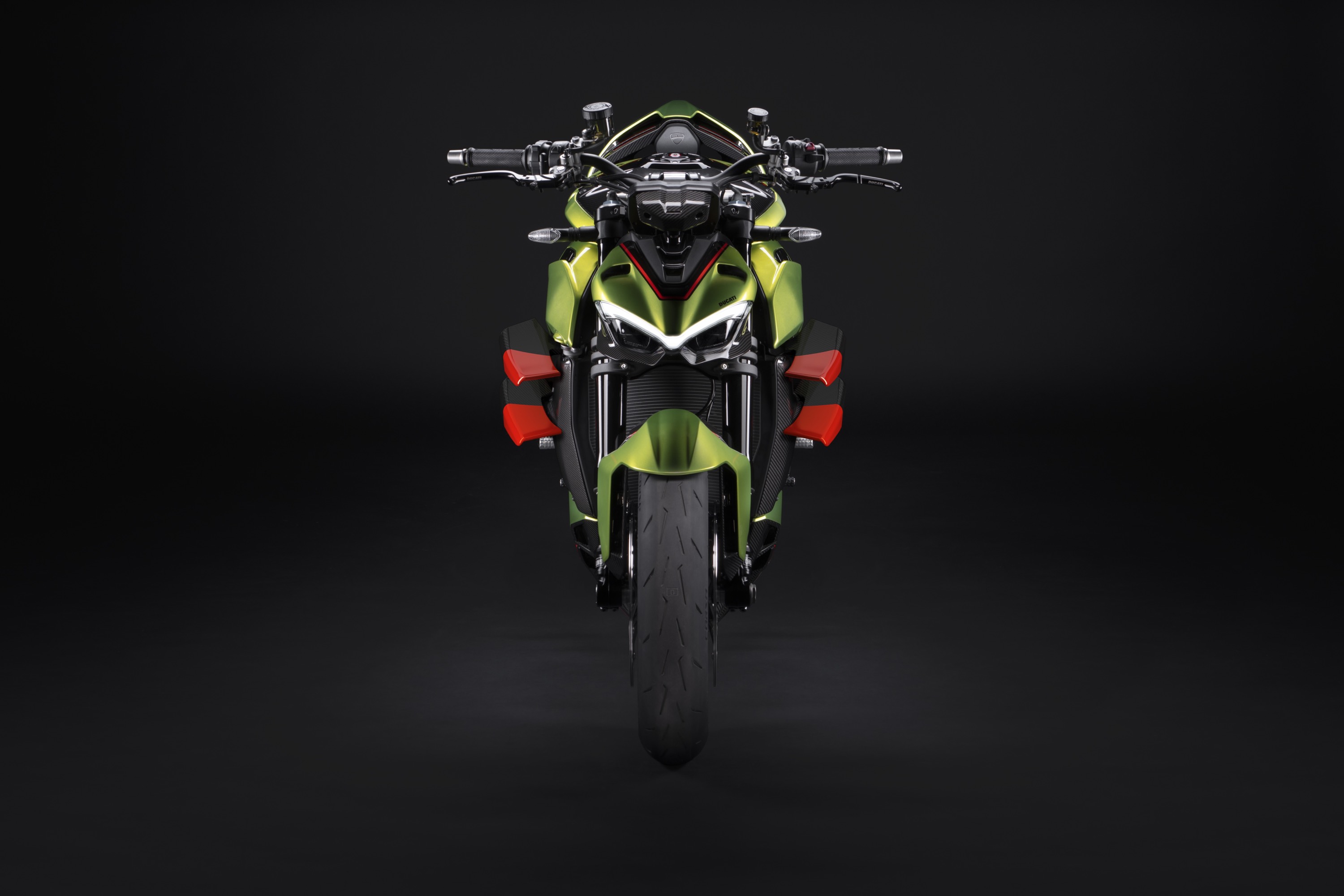
    The new Ducati Streetfighter V4 Lamborghini, inspired by the Huracán STO1 super sports car, was unveiled to the public at the San Marino Grand Prix at the Misano World Circuit Marco Simoncelli. The bike is the result of the second collaborative project between the two brands, ambassadors of Made in Italy, which in 2020 gave birth to the Ducati Diavel 1260 Lamborghini, inspired by the Sián.

    The most stunning Ducati Streetfighter V4 produced is a motorcycle that perfectly embodies the values of style, sportiness, and exclusivity shared by Ducati and Lamborghini, the two brands of excellence that have helped write the history of Italy’s “Motor Valley” and that have renewed and expanded their collaboration with this project. The result is a combination of technology, performance and beauty to deeply inspire enthusiasts from the very first look.

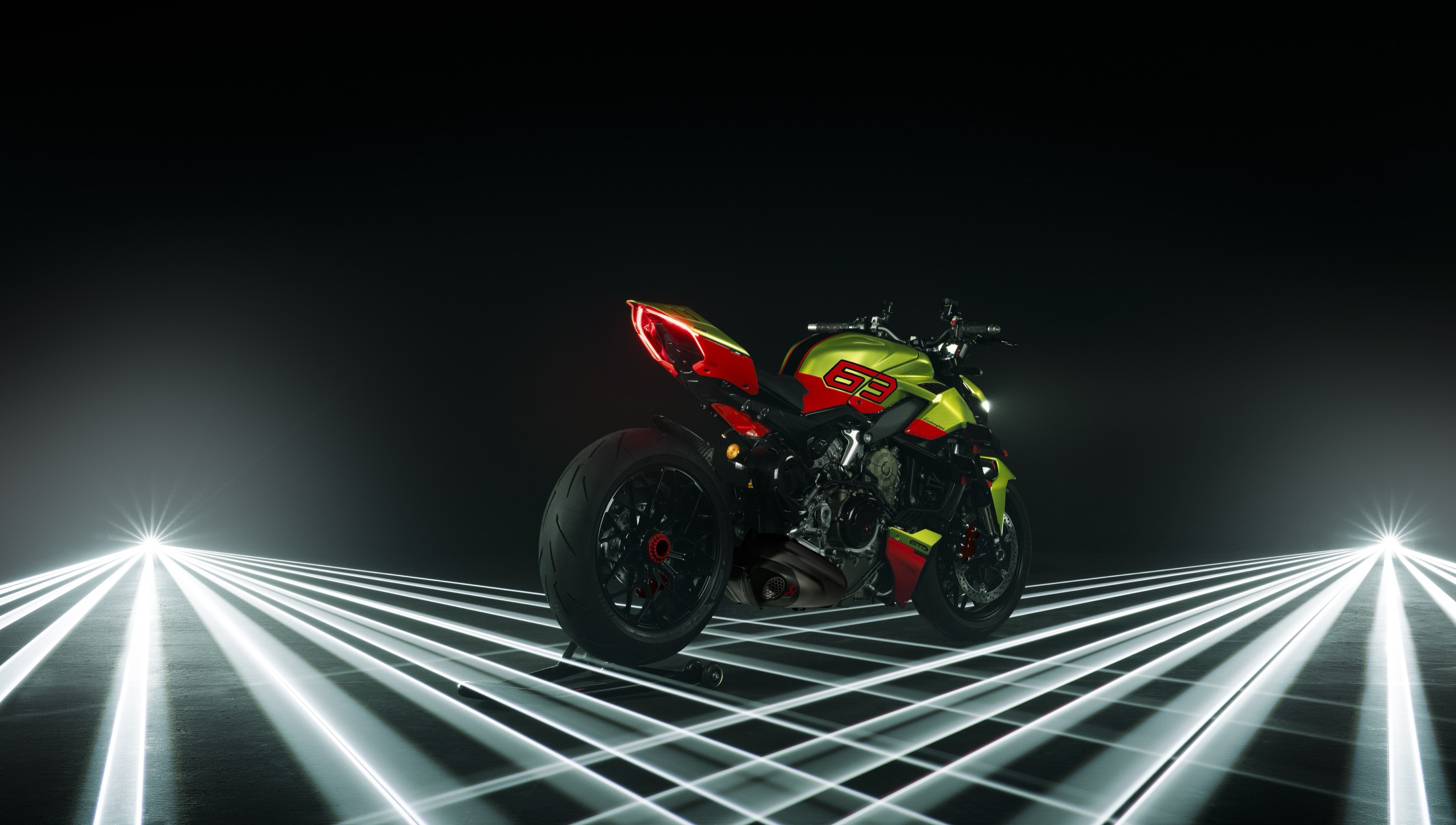
    Applying the well-known “Fight Formula” to the technical base of the Panigale V4 S 2023 and integrating elements and stylistic features that are unmistakably Lamborghini, Ducati has created an exclusive all-new model within its range. The bike is produced in a numbered limited series of 630 units and reinterprets in a Ducati key the concepts that led to the creation of the Lamborghini Huracán STO, integrating technical and stylistic elements typical of Lamborghini  DNA, including the exclusive livery in green and orange.

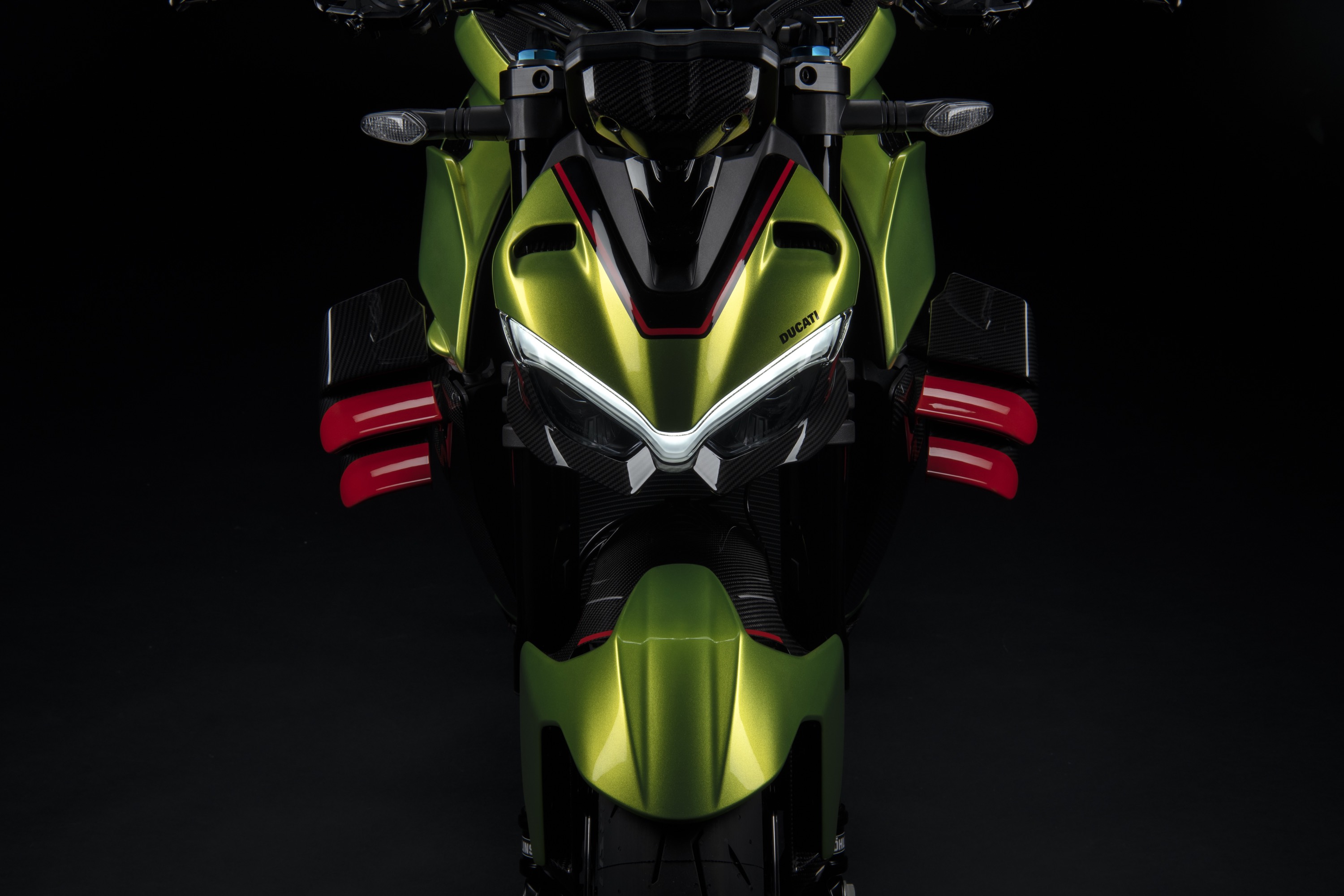
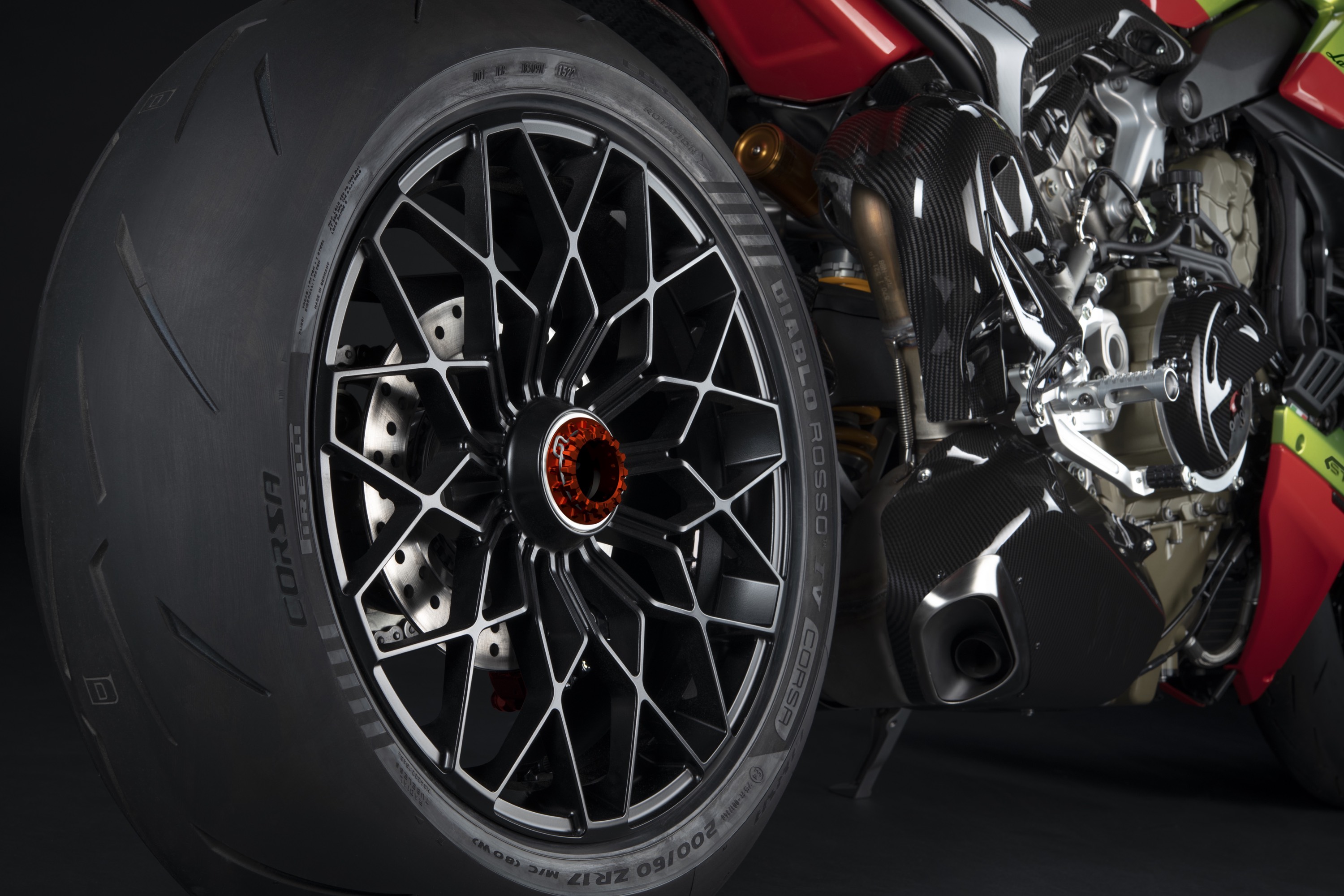
    The Ducati Style Center, in collaboration with Lamborghini’s Centro Stile, redesigned the superstructures of this special bike, drawing inspiration from the Huracán STO. It features specially-made forged wheels enhanced by the titanium clamping nut on the rear; the front fender design is inspired by the air ducts integrated in the Huracán STO’s “cofango”; the toe cap, radiator cover, wings, tank cover and tail are all made of carbon fiber, the same used for the super sports cars from Sant’Agata Bolognese.

    The livery features the STO logo and the number 63, which refers to the year in which Lamborghini was founded. This number, multiplied by ten, gives the 630 units to be produced by Ducati, each accompanied by a certificate of authenticity. The colors used for the bike are exactly the same as those used for the Huracán STO, with a base in “Verde Citrea” (green) and contrasting parts in “Arancio Dac” (orange). The model name and the progressive number are shown on a metal plate inserted in the central tank cover and an aluminum insert on the ignition key.

    There are also grille extractors and air intakes on the tank cover, toe cap and tail piece that explicitly echo the Huracán STO’s rear brake cooling ducts; the vents on the car’s front fenders; and the hood extraction vents. The bike’s seat is also inspired by the Huracán STO’s  seat finish with accents matching the superstructure. At the heart of the Ducati Streetfighter V4 Lamborghini is the 1103 cc Desmosedici Stradale engine with power of 208 hp with a dry clutch, as on the Ducati MotoGP™ and Superbike models.

    In addition to the 630 examples of Ducati Streetfighter V4 Lamborghini, Ducati will offer an even more exclusive series dedicated to 63 Lamborghini customers who, thanks to the Ducati Style Center, will be able to create unique examples by customizing their Ducati Streetfighter V4 Lamborghini with livery and rims in the same color as their car, completing the bike through Ducati’s Speciale Clienti program. It will then be possible to choose the brake caliper colors and seat details from those included in the Huracán STO palettes: yellow, red, black and California orange, in addition to the standard color scheme.

    Finally, owners of the Ducati Streetfighter V4 Lamborghini will be able to complete their look with a helmet, jacket and limited-edition bike leathers, in colorways reflecting their Ducati bike’s specification.

    1Huracán STO – Combined fuel consumption: 13.9 l/100km; Combined CO2 emissions: 331 g/km (WLTP)

     Ducati Streetfighter V4 Lamborghini - FrontDucati Streetfighter V4 Lamborghini (2023) - Side2023 Ducati Streetfighter V4 Lamborghini - Rear Angle2023 Ducati Streetfighter V4 Lamborghini - Exterior Details2023 Ducati Streetfighter V4 Lamborghini - Wheels / Rims

  • Volkswagen Golf R 20th Anniversary Edition

    Volkswagen of America today announces the highly anticipated Golf R 20th Anniversary Edition for the North American market. A world model, it celebrates 20 years of high-performance all-wheel-drive Golf vehicles, beginning with the release of the Golf R32 in Europe in 2002.

    “Twenty years is a significant milestone for the R performance brand of models, and we’re excited to share in a global celebration of two decades of R32 and Golf R heritage,” said Hein Schafer, Senior Vice President, Product Marketing and Strategy. “Being the first official worldwide special model for the Golf R, it was important to include our North American Volkswagen performance hatch enthusiasts in this birthday party for the Golf R brand.”

    The Golf R 20th Anniversary Edition builds upon the latest generation Golf R, which utilizes Volkswagen’s advanced MQB chassis and turbocharged 315-horsepower EA888 evo4 TSI® engine. Unique to the North American market, the 20th Anniversary Edition is offered with either a 6-speed manual or 7-speed DSG® dual-clutch automatic transmission.

    Select changes to the Golf R’s exterior make the 20th Anniversary Edition easily discernable without compromising the sophisticated appeal of the Golf R. Starting from the top, deleting the standard sunroof shaves weight from the Golf R’s highest point and streamlines the hatchback’s roofline. From the side, Golf R’s large 19-inch Estoril wheels are finished in Gloss Black and are fitted with 235/35 summer performance tires. As in every Golf R, a torque vectoring all-wheel-drive system is paired with an advanced DCC® adaptive damping system to help ensure power makes it to the wheels that need it in any driving situation.

    The 20th Anniversary Edition will be offered in Lapiz Blue Metallic, Deep Black Pearl, and Pure White, with a limited allocation of vehicles for each color. Subtle trim details further differentiate the special edition: The mirror caps are finished in Lapiz Blue on Pure White and Deep Black vehicles, while on those painted in Lapiz Blue, the mirror caps are gloss black. In all cases, the puddle lights project “20 R” onto the pavement below. Finally, the “R” logos—on the front and rear bumpers and front fenders—are finished in blue, while 20th Anniversary badges tastefully adorn the B-pillars.

    The subtle but deliberate nod to performance continues to the interior, where the dash panel and front door trim feature genuine carbon fiber décor inserts for the first time in a production Volkswagen vehicle. These impart a racing personality to an already sporty cabin that is appointed with an ergonomically optimized “D” shape steering wheel and supportive high-bolster sport seats. Keen eyes will note the “R” logo finished in blue on the steering wheel clasp as well. Even away from the vehicle, owners of 20th Anniversary Golf R models will be reminded of the uniqueness of the limited-edition model by the key fob, which features an “R” logo that is finished in blue.

    The 20th Anniversary Edition will go on sale in this fall, and will have an MSRP of $44,940 for the manual transmission model and $45,740 for the 7-speed DSG.

  • Audi RS Q e-tron E2

    In March 2022, the Audi RS Q e-tron won its first desert rally in Abu Dhabi, and now the next evolution is ready. The innovative prototype presents itself significantly improved for the 2022 Morocco Rally and the 2023 Dakar Rally. The body is completely new and features significantly enhanced aerodynamics. It helps lower the prototype’s weight and centre of gravity. New operating strategies further improve the efficiency of the electric drivetrain. In the interior and when changing wheels, the driver and co-driver benefit from easier operation. Following these evolutions, the RS Q e-tron now bears the abbreviation E2. It is reminiscent of the legendary Audi Sport quattro in its final development stage for Group B rallying in the 1980s.

    Second phase of the development program 

    “We’ve managed a good debut at the Dakar with the Audi RS Q e-tron and even our first stage victories in a motorsport discipline that is new to us,” says Rolf Michl, Managing Director of Audi Sport GmbH and responsible for motorsport at Audi. “The entire team is working excellently together and pulling in the same direction. As is usual at such an early stage, the drivers, co drivers and technicians quickly agreed on the next development targets. We have summarized the result in a new evolution package – the RS Q e-tron E2.” This marks the beginning of the second phase of the development program. In October, Team Audi Sport will prepare for the 2023 Dakar Rally with the new prototype in Morocco.

    Gentle in the air, light in the sand: the new body

    “The Audi RS Q e-tron E2 does not adopt a single body part from its predecessor,” says Axel Löffler, Chief Designer of the RS Q e-tron. In order to comply with the prescribed interior dimensions, the cockpit, which was previously narrowly recessed towards the roof, is now significantly wider. The front and rear hoods have also been redesigned. “We are now doing away with the underflow of the rear hood to the left and right of the B-pillars. In conjunction with modified lay-ups, i.e. optimized fabric layers of the composite materials, this solution reduces weight,” says Löffler. The T1U prototypes will have to weigh 2,100 instead of 2,000 kilograms in the future. Given that the first generation of the RS Q e-tron was overweight, it was still necessary to save several dozen kilograms. This is accompanied by the lowering of the vehicle’s centre of gravity.

    The aerodynamic concept in the area of the body below the hoods is completely new. This section is almost reminiscent of the shape of a boat’s hull: its widest point is at the height of the cockpit, while the body tapers significantly towards the front and rear. Audi has now dispensed with the part of the fenders that was behind the front wheels and formed the transition to the door. Internally, this structure was called the “elephant foot.” As a result, the designers saved more weight and optimized the air flow. “The aerodynamic aspect should not be underestimated in desert rallying either,” says Löffler. Admittedly, the new cockpit dimensions mean that the body has a larger and therefore less favourable cross-section. Nevertheless, it was possible to reduce the overall aerodynamic drag by around 15 percent, i.e. the product of the CD value and the frontal area (A). This does not change the top speed. It remains limited to 170 km/h in the regulations. Nevertheless, the improved air flow offers one major advantage. “It further reduces the energy requirements of the electrically powered car,” says Löffler. “We implemented the aerodynamic calculations entirely using computational fluid dynamics (CFD).” These computer simulations replace the time-consuming work in the wind tunnel and still deliver highly precise results.

    Even more environmentally friendly: optimized energy management 

    The electric drivetrain of the Audi RS Q e-tron E2 comprises an energy converter consisting of an internal combustion engine and a generator, as well as a high-voltage battery and two electric motors on the front and rear axles. Energy management plays a crucial role here. The electronic control system of the complex electric drivetrain proved its worth in the first rally events. Challenges only arose in extreme cases. At the Dakar Rally, for example, Audi noted short-term surpluses of power in situations where the wheels made less contact with the ground while jumping or on uneven terrain. The officials of the FIA, the world automobile federation, intervene at a threshold of 2 kilojoules of excess energy and impose sporting penalties. “By way of comparison, more than one hundred times the amount of energy flows to the motors per second within the permissible limits,” says Florian Semlinger, development engineer for embedded software, application and test bench. “We could have made it easy on ourselves and set our threshold several kilowatts lower, but that would have meant performance disadvantages. Instead, we put a lot of fine-tuning into the power controllers.” Two individual limits – one for each motor – are now recalculated by the software within milliseconds. As a result, it operates precisely along the permissible limit.

    The so-called auxiliary consumers also benefit from optimized control. The servo pump, the air conditioning cooling pump and the fans have a measurable impact on the energy balance. In the course of the debut season in 2022, the Audi and Q Motorsport rally team gained valuable experience that enables better assessment. Take the air-conditioning system, for example: It works so aggressively that it could cause the coolant to freeze when constantly running at its maximum output. In the future, the system will run in an intermittent mode. This saves energy, yet the interior temperatures only fluctuate slightly, even over longer periods. The operating strategy for the fans and the servo pump has also been optimized. For example, the systems can now be regulated differently for the lower loads on the liaison stages than on the special stages.

    Simplified operation: Ease of use in the cockpit and when changing wheels 

    The Audi drivers Mattias Ekström/Emil Bergkvist, Stéphane Peterhansel/Edouard Boulanger and Carlos Sainz/Lucas Cruz can look forward to their new workplaces. The displays are still in the driver’s field of view and located in the centre console in the usual style, and the central switch panel with its 24 fields has also been retained. However, the engineers have restructured the displays and controls. “The totality of all the functions quickly creates confusion,” says Florian Semlinger. “That’s why, for the first time, the driver and co-driver can now select from four system areas using a rotary switch.” The “Stage” theme contains all the functions that are important while driving competitively – such as the speed limiter in sections with speed limits or the air jack. The “Road” part contains, for example, turn signals and the rear-view camera, functions that are often in demand on the liaison stages. The “Error” option is used to detect, categorize and catalogue errors. The “Settings” section includes everything that is useful for the engineering team during testing or after the car arrives at the bivouac, for example, detailed temperatures of individual systems.

    Crews can now work much more easily after a puncture. Simple, flat and easily removable body components replace the previous bulky covers for the spare wheels in the flanks. The new ten spoke rims from partner Rotiform are much easier to handle. Drivers and co-drivers can grip them more easily and complete the change more safely.

    “We have combined all the important lessons in a very short time. The result of our ideas is the E2 evolution,” says Uwe Breuling, Head of Vehicle Operations at Audi Sport. “Our development team’s determined and cost-efficient work has prepared us perfectly for our second Dakar Rally.”

    Following initial testing led by Arnau Niubó Bosch, Head of Test Engineering, Audi Sport unveiled the RS Q e-tron E2 in Neuburg an der Donau on September 1. From October 1 to 6, the new technology will have to prove itself in competition for the first time at the Rally du Maroc. All three Audi driver pairings will then contest the desert rally that begins and finishes in Agadir, in the southwest of the North African country.

  • Lamborghini Diablo VT

    In 2022 Lamborghini is celebrating the V12, the legendary 12-cylinder engine that has powered its most iconic models for almost 60 years. The Diablo is one model: the first-ever Lamborghini super sports car offered in a four-wheel drive version. When it made its debut, the Diablo was so ahead of its time that it was identified as a series production hypercar. Officially presented on 21 January 1990 during Lamborghini Day at the Sporting in Monte Carlo, the 12-cylinder engine initially delivered a displacement of 5.7 liters and later 6.0 liters, producing a maximum power output of nearly 600 HP in the road versions and 655 HP in the GT1 Stradale model for the racetrack, of which only two units were made.

    The “pure” V12 combustion engine in its final form will go out of production before the end of 2022, when the last Aventador Ultimae1 is made. From next year, the heir to the Aventador will be fitted with a new plug-in hybrid version of the V12 engine.

    A commercial success that lasted 11 years

    The Diablo holds a special place in the history of Automobili Lamborghini and in the hearts of enthusiasts, and not just because of its amazing performance and the driving experience. This was the model that propelled the automaker into the modern era. Project 132 – as it was called inside the company – came into being in 1985 to replace the Countach, so it had to convey the full power of the Sant’Agata-based automaker: appear sporty and muscular yet always appealing; deliver the aesthetics Lamborghini has always been renowned for; and be future-proof, to remain the world’s fastest production car for years to come. The way it handled the road during the initial tests was astounding, a success achieved through the intense development work that involved former Rally World Champion Sandro Munari. During the course of its commercial life, which lasted until 2001, the Diablo also demonstrated its ability to transform itself and adapt to market demands and the expectation of its customers. With 2,903 units made during the 11 years it was in production, the Diablo was a huge success.

    Development of the V12 engine

    The technical cornerstone of the Diablo remains the 60° V12 engine, which was directly derived from the 1963 3.5-liter engine, increased to 5.7 liters over the years. The latter, in fact, was the engine size when the Diablo made its debut. In this configuration, the rear longitudinal position with catalytic converter generated a maximum power of 492 HP at 6800 rpm and a torque value of 580 Nm at 5200 rpm. It also boasted a Lamborghini-Weber Marelli LIE electronic fuel injection. In 1999, first with the Diablo GT and later with the Diablo 6.0 SE, the engine size was increased to 6.0 liters and thanks to improved fuel injection calibration, it reached 525 HP and 605 Nm of torque.

    Diablo second series: faster and more powerful

    The turning point for Lamborghini came in 1998, when Audi bought the company. The automaker finally had enough resources to develop a more refined industrial plan and gained access to components and technology once never dreamed of. The new owners also saw the Diablo as a product worth keeping and further developed. This led to the birth of the second series of the Diablo, designed in the brand new internal Centro Stile. Even faster and more powerful than ever thanks to the bigger V12 6-liter engine, it also boasted more luxurious finishes and increased reliability during daily driving, resulting from rigorous quality control during design, testing and production.

    1993: The year of the Diablo VT, the first four-wheel drive Lamborghini

    Originally the mechanics of the Diablo, though refined, were still traditional, consisting of rear longitudinal engine with four chain-driven camshafts, electronic fuel injection, rear-wheel drive and mechanical transmission. Power steering arrived only in 1993 and the electronics were there only to manage the engine. The Diablo VT, Lamborghini’s first four-wheel drive super sports car was presented in 1993, becoming the benchmark in terms of roadholding and driving safety in any condition.

    “VT” stands for “Viscous Traction”, because the torque transfer from the rear axle to the forecarriage is via a viscous coupling. With this system, the VT is normally a rear-wheel drive vehicle with up to 20% transfer to the front wheels only if the rear wheels slip via a viscous coupling and a propeller shaft connected to the front differential. The VT also introduced another innovation for Lamborghini: electronically-controlled suspension, with five preset operation programs to choose from.

    1995: The Diablo Roadster makes its debut, the first 12-cylinder open-top Lamborghini

    With the V12 Diablo also produced in an open top version, the Diablo started another new tradition. Actually, a few timid attempts had been made in prior years, but these remained one-off versions. In December 1995, the Diablo Roadster made its debut, sporting a carbon fiber Targa top housed over the engine cover when down.

    Racing

    Lamborghini returned to racing with the Diablo, thanks to the Super Sport Trophy – later the Super Trofeo – racing championship, where it made its debut in a side race during the 24 Hours of Le Mans in 1996. Thirty-four 550 HP Diablo SV-Rs were made for gentlemen drivers competing in one-hour races.

    Diablo featured in films

    The Diablo was featured in numerous films. One of the most memorable scenes was from the American film “Dumb & Dumber” starring Jim Carrey, Jeff Daniels and the red Diablo in which they arrive to the hotel.

    It also appeared in the 2001 film “Exit Wounds,” directed by Andrzej Bartkowiak, with “DMX” Earl Simmons and Anthony Anderson. Here a 1999 Diablo VT Roadster steals the show in the car showroom scene, bought in cash after an exhilarating engine “rev up”.

    Finally, in the video game “Need for Speed III: Hot Pursuit,” the featured car is a Diablo SV.

    1Fuel economy and emissions figures for Aventador LP 780-4 Ultimae – Combined fuel consumption: 18.0 l/100km; Combined CO2 emissions: 442 g/km (WLTP)

  • MINI Multitone Edition

    MINI has launched a brand-new limited edition for the MINI Electric; the Multitone Edition, with exclusive designs on both the exterior and interior of the car.

    Limited to just 200 examples in the UK, the MINI Multitone Edition symbolises the diversity within the MINI community and is offered with an edition-exclusive multitone roof design. Extending from the windscreen frame to the rear across the entire roof, the gradient starts with Aspen White before transitioning through the subdued grey shade of Melting Silver II then finishing in Jet Black.  The unique look created by this colour gradient is complemented in the MINI Multitone Edition by an abstract, white rainbow on the roof, which is also featured throughout the design of the special edition.

    This special look is made possible by the innovative wet-on-wet painting process used by the British MINI plant in Oxford. With this Spray Tech paint finish, the three colour shades are applied directly one after the other. Due to changing environmental conditions, deviations in the colour pattern may occur, making each MINI Multitone Edition vehicle unique.

    Offered on MINI Electric for the first time, the new MINI Multitone Edition is presented exclusively in Sage Green Metallic, which has previously only been available on the MINI Countryman.

    The black or chrome trims surrounding the headlights and MINI badge have been replaced and are offered for the first time in White alongside 17” Scissor Spoke 2-tone wheels.

    On the exterior of the vehicle, a graphic rainbow motif made up of Indian Summer Red and Sage Green colours can be found on the C-Pillar with matching-coloured designs also found on the side scuttle and door sills, and exclusive self-levelling wheel caps in a two-tone design.

    These motifs continue into the interior of the vehicle, where logos can be found on the sun visor, floor mats, cockpit facia and steering wheel. Customers of the MINI Multitone Edition will also receive a 3D printed key car in Sage Green.

    The MINI Multitone Edition is offered to market as a MINI Electric Level 2, featuring front heated seating, automatic dual zone air conditioning, sports leather steering wheel and sports seats as standard. Also standard is a 8.8” centre display screen, Apple CarPlay, MINI Navigation system, cruise control, MINI Driving Modes, rain senior with automatic headlight activation, rear view camera and rear park distance control.

    The new MINI Electric Multitone Edition is limited to just 200 units in the UK .

  • Skoda Vision 7S Concept

    Unveiling its seven-seater VISION 7S study, ŠKODA AUTO provides a first view on the brand’s new design language, which combines robustness, functionality and authenticity. The VISION 7S is also the first ŠKODA with a matt body colour. The interior ambience is characterised by sustainable materials and interactive surfaces. The concept car boasts a range of over 600 kilometres (370+ miles) in the WLTP cycle thanks to an 89 kWh battery.

    New front view with Tech-Deck Face

    The ŠKODA VISION 7S is the first model to feature the Czech carmaker’s new, striking design language. Along with the Tech-Deck Face at the front end, it sports a solid underbody and aerodynamic roof lines, enhancing its efficiency. At first glance, the long passenger compartment hints at the generous interior space.

    The front of the vehicle also incorporates familiar design elements, such as the signature ŠKODA line. The redesigned ŠKODA wordmark replaces the brand’s picturemark and is complemented by a new ambient light strip. This extends across the entire width of the vehicle at the upper edge of the front section and features illuminated graphics. The so-called Tech‑Deck Face embodies a modern reinterpretation of the familiar ŠKODA grille. Though it has similar lines, the Tech-Deck Face is significantly flatter and wider than the previous styling. The ribs have been replaced by dark glass that conceals the vehicle’s sensors.

    New T light cluster, front and rear

    The narrow headlights are positioned further outwards and arranged in two rows one above the other, extending the four-eye light cluster to form a ‘T’. The daytime running lights extend well into the wings and form the sharply defined upper line of the ‘T’, visually framing the front. The rear LED lights are also arranged in a ‘T’. Again, the upper line extends laterally into the wings. This design accent is repeated on the camera exterior mirrors as well as the sensor door handles, which are recessed into the body and arranged vertically.

    Robust bumpers with distinctive air intakes

    The bumpers at the front and rear of the ŠKODA VISION 7S are particularly striking. They are made of durable, recycled tyres. This material is also used for the wheel arch linings and adds a rugged visual highlight. Seven vertical air intakes are integrated into the front, through which air is directed to the cooling systems and brakes. The VISION 7S has nine vertical air outlets in the rear bumper. A control element in bright Flashy Orange is located in the centre of both the front and rear. These can be pulled out to serve as hooks. In addition, they can be used to safely cut off the vehicle’s high-voltage current from the outside, if required.

    High tornado line and gently sloping roof for aerodynamic efficiency

    A high tornado line separates the solid underbody from the side windows and emphasises the powerful shoulder sections through its curve. The squared-off wheel arches beneath it are prominent and clearly recessed. The wheels have a diameter of 22 inches; the aerodynamically optimized rims are almost completely closed. Additional air outlets are positioned between the wheel arches and above the side skirts. These act as running boards for the portal doors that swing up in opposite directions and also have cover grilles. These grilles channel the warm air generated from cooling the high-voltage battery to the outside. The flat roofline gently slopes to the rear and merges with a pronounced roof spoiler for high aerodynamic efficiency. The triangular D-pillar extending to the rear features a bold design. At the bottom, it bears the new ŠKODA wordmark, which also appears on the tailgate and is lit up in the same way as at the front of the vehicle. The matt metallic paint finish in the bright colour Explorer Green underscores the minimalistic look of the VISION 7S. This is also the first ŠKODA with a matt body colour.

    Sustainable materials in the interior, operation even more intuitive

    The minimalistic interior is as spacious as you would expect from ŠKODA and conveys a sense of security, which is further enhanced by the combination of dark and light materials. These are leather-free, mostly come from sustainable sources and are extremely durable thanks to some smart material combinations. One example is the floor of the VISION 7S, which is also made from recycled tyres. The interior trim is also sustainable. This is coated with a fine, matt metallic layer and thus conserves valuable resources. The fabrics are made of 100% recycled polyester yarns.

    Great emphasis was placed on further optimising usability. In addition, the vehicle’s menu structure and infotainment functions have been streamlined, and the controls on the central, free-standing touchscreen, as well as haptic keys for important or frequently used functions, are particularly intuitive.

    The right interior for every setting

    The VISION 7S represents a compelling further development of ŠKODA’s interior concept, combining a spacious, protective interior for up to seven passengers with a complete reconceptualization of the natural human-machine interaction (HMI). The highlights include two distinct interior configurations – Driving and Relaxing – and an ideal balance between haptic and digital controls. A sense of safety and protection is conveyed by the innovative child seat, which is mounted in front of the second row of seats on the centre console opposite to the direction of travel. All of this is surrounded by durable, sustainable materials and many new Simply Clever ideas. Rounding off the interior design is the unique X-shaped decorative stitching, which accentuates the SUV character.

    The interior of the VISION 7S embraces its (up to) seven passengers with the spaciousness typical of a ŠKODA as well as a feeling of safety and protection. The interior is symmetrical, giving all passengers the same generous sense of space. The upper line of the instrument cluster continues into the door panels, completing the wrap-around design and supporting the feeling of protection. In addition, the wide, horizontal dashboard extends to the doors, accentuating the airy and spacious interior.

    Two interior configurations: Driving and Relaxing

    The VISION 7S offers passengers two different interior configurations, with a rotating central touchscreen and sliding elements to create the perfect ambience for different situations – Driving and Relaxing. While driving, all the controls are in their ideal position within easy reach for the driver, and the central 14.6-inch touchscreen is oriented vertically for enhanced accessibility and information stacking. When charging or stopping, the Relax mode can be selected at the touch of a button in the centre console. The interior transforms in one elegant, synchronous movement; the steering wheel and instrument cluster slide backwards away from the driver and passengers to create additional space. The first-row seats rotate inwards and recline for extra comfort, also allowing the rear passengers to view the screen. The seats in the second row also recline. All passengers can then enjoy a more comfortable seating position and a better view of the screen, which rotates to a horizontal position to optimally display the entertainment content.

    Natural HMI operation completely re-envisioned

    For the VISION 7S, the ŠKODA Design team reconceptualised the car’s HMI from the ground up, emphasising the perfect harmony between the haptic (manual) and virtual (on-screen) controls. Everything was designed with the aim of simplifying the user experience. The control elements are intuitive, always enabling the driver to easily find and use the function they are looking for.

    In Drive mode, the driver benefits from an advanced AR head-up system displaying the most important driving data and an 8.8-inch digital instrument display for extra information.

    The steering wheel has been completely redesigned, with two solid spokes at the 12 and 6 o’clock positions. The new ŠKODA wordmark is positioned centrally. The steering wheel rim is flattened at the top and bottom, making the 8.8-inch digital instrument display easy to see. There are dedicated haptic scroll wheels for the most important functions during driving, highlighted by Flashy Orange accents for quick orientation. In Relax mode, the driver can control more sophisticated functions through the integrated touchpad on the lower spoke.

    The centre of the interior is dominated by the large, rotating 14.6-inch screen, the largest ever installed in a ŠKODA car. In Drive mode the display is oriented vertically, allowing for information to be perfectly stacked; the upper area of the screen, for example, is dedicated to important visual content such as the map and navigation guidance, while the lower area is easy to reach and control. It is supported by an ergonomically placed hand rest atop the centre console. The user can adjust the amount of information simply by swiping up or down. In addition, the menu widget can be used to scroll through various functions. For instance, the baby camera image can be placed anywhere in the user-defined area. The remaining area could be used in high resolution for the maps, for example. In Relax mode, in particular with the screen oriented horizontally, user-installed apps can be used for watching films or gaming. Given the longer distance to the screen when the seats are reclined, the infotainment system can also be operated by smartphone.

    Three rotary controls for easy usability

    The redesigned centre console features six additional buttons that give the driver direct access to the infotainment, phone, vehicle settings, navigation and app menus; the sixth button can be user-assigned. Below are three large rotary controls; the two outer dials are dedicated to climate control, while the middle one controls the screen content. It can be used to zoom in and out on the map and scroll through lists. Beneath these are two buttons for switching between the Drive and Relax modes and a dedicated volume scroll wheel. Like the steering wheel controls, the buttons and dials feature accents in Flashy Orange to aid orientation.

    Smartphones can be placed in the centre console. These are the main sources of information and customisation for the entire system and can be used as a remote trackpad. They are held in place by magnets and partially covered by the central armrest for protection. In this position, the armrest can be used to support the arm for perfect ergonomics in conjunction with the hand support under the screen.

    Passengers in the second and third row can magnetically attach their devices to the seat backrests in front of them for optimal viewing. Interactive surfaces with coloured lights shining through the fabric are integrated into the door panels; a bright light in Flashy Orange, for example, points to the door openers hidden in the lower part of the panel, while a blue or red light visualises air‑conditioning temperature changes. You can also write on the fabric with your finger – to leave short notes or for children to create little drawings.

    Maximum protection: Child seat in the safest position in the vehicle

    The position of the child seat is also innovative and mounted in the safest place in the vehicle. It is integrated into the centre console, which extends to the second row of seats, opposite to the direction of travel. This means the child is optimally protected, and the passengers in the second row can always keep an eye on him or her. An optional interior camera in the rear roof area can also transmit a video of the child to the central infotainment display. This makes it possible for the driver and front passenger to see the little ones on board at all times.

    More Simply Clever features

    The VISION 7S introduces a new series of Simply Clever features ŠKODA is famous for. The air vents on the dashboard work in a discreet, diffuse mode until more direct ventilation is needed; at the touch of a button, they slide upwards to provide a direct stream of air.

    Passengers will also find magnetic surfaces under the floating centre console, where metal ŠKODA drinks bottles or a first-aid kit can be securely attached. The VISION 7S also includes practical backpacks that are magnetically attached to the seat backrests magnetically and can be taken with the family on days out. A large panoramic glass roof floods the interior of the VISION 7S with light. In front of the central screen on the instrument cluster is a large crystal that indicates the battery and charging status of the VISION 7S using different colours. This can be seen easily from outside the car.

    Sustainable materials and ambient lighting

    The entire interior is trimmed in a mix of sustainable, durable materials. The upper part of the dashboard and doors are finished in a dark artificial leather and bordered by indirect ambient lighting that emphasises the protective wrap-around design. The lower parts, like the dashboard and the door armrests, are trimmed in a lighter artificial leather that echoes the exterior colour Explorer Green and is accentuated by direct ambient lighting. In the area where the B-pillar would be and the counter-hinged doors meet, the lower part of the door trim is drawn upwards at an angle, culminating in a crystal on both the front and rear doors. These crystals illuminate the entry into the vehicle with a running white light, for example, or warn of an oncoming vehicle or cyclist with a red light when the door is open. The central zone of the door panels is upholstered in a black fabric made from recycled polyester yarns. Recycled fabric is also used for the inner areas of the seats and on the dash. Rounding off the interior design is the unique X-shaped decorative stitching, which accentuates the SUV character.

    This is the first time ŠKODA has replaced the traditional chrome accents with a unique matt paint. All functional elements, including the controls, seatbelts and first-aid kit, are highlighted in the eye‑catching Flashy Orange colour.

    The floor and boot, which are made entirely of recycled-tyre veneer, also follow the VISION 7S’ sustainable ethos. This special material is scratch-resistant and easy to clean, underlining the car’s suitability for exploring the great outdoors as well as its practicality and family friendliness.

  • Audi enters Formula 1

    Audi Formula 1 - Front Angle

    Audi enters the premier class of motorsport. From 2026, the premium Audi brand will compete in the FIA Formula 1 World Championship with a specially developed power unit. The project will be based at Audi Sport’s facility in Neuburg near Ingolstadt. This is the first time in more than a decade that a Formula 1 power train will be built in Germany.

    Audi announced its entry at a press conference at the Formula 1 Belgian Grand Prix at Spa- Francorchamps. At the event, Markus Duesmann, chairman of the Board of Management of AUDI AG, and Oliver Hoffmann, member of the Board of Management for Technical Development, answered questions in the company of Formula 1 President and CEO Stefano Domenicali and Mohammed bin Sulayem, president of the International Automobile Federation (FIA).

    “Motorsport is an integral part of Audi’s DNA,” says Markus Duesmann. “Formula 1 is both a global stage for our brand and a highly challenging development laboratory. The combination of high performance and competition is always a driver of innovation and technology transfer in our industry. With the new rules, now is the right time for us to get involved. After all, Formula 1 and Audi both pursue clear sustainability goals.”

    The key to getting involved in the world’s most popular racing series is the clear plan to become more sustainable and cost-efficient. The new technical rules, which will apply from 2026, focus on greater electrification and advanced fuel that is more sustainable than that which is currently used. In addition to the existing cap on costs for teams, a cost cap for power unit manufacturers will be introduced in 2023. In addition, Formula 1 has set itself the ambitious goal of being a carbon-neutral racing series by 2030.

    Actively Shaping Formula 1’s Transformation

    Oliver Hoffmann, member of the Board for Technical Development, says: “In view of the major technological leaps that the series is making towards sustainability in 2026, we can speak of a new Formula 1. Formula 1 is transforming, and Audi wants to actively support this journey.

    A close link between our Formula 1 project and AUDI AG’s Technical Development department will enable synergies.”

    From 2026, the electric power output for the power units, consisting of an electric motor, battery, control electronics, and a combustion engine, will increase sharply compared to today’s Formula 1 drive systems. The electric motor will then be nearly as powerful as the combustion engine, which has an output of about 400 kW (544 horsepower). The highly efficient 1.6-liter turbo engines run on advanced fuel that is more sustainable – also a prerequisite for Audi’s entry into the series.

    202 Audi Formula 1 - Front

    High Popularity in Key Markets and with Young Target Groups

    Globally recognized, highly emotional, and technologically advanced – that’s how Formula 1 has met Audi’s exact requirements. The series holds races in all relevant markets of the brand. As a spectacular platform for the most demanding electrified racing cars in the world, it is of particular interest to car manufacturers. Audi is taking on the challenge of proving its “Vorsprung durch Technik” in this competitive environment.

    The great interest in Formula 1 is global and this racing series is one of the sporting events with the highest reach in the world. In 2021, more than 1.5 billion TV viewers watched the races. Formula 1 is popular in key markets such as China and the United States, and the trend continues to rise – even among younger target groups. On social media, Formula 1 is now experiencing the highest growth rates among the world’s most popular sports.

    Neuburg Site to Develop the Power Unit

    The power unit will be built at Audi Sport’s state-of-the-art Competence Center Motorsport in Neuburg an der Donau, not far from AUDI AG’s company headquarters located in Ingolstadt. “For the development and manufacture of the Formula 1 power train, we will build on the valuable expertise of our motorsport employees, continue to invest in our motorsports center, and also recruit highly specialized professionals,” says Audi Sport managing director Julius Seebach, who organized the entry into Formula 1 as part of Audi’s realignment toward motorsport.

    In Neuburg there are already test benches for F1 engine testing as well as for electric motor and battery testing. Additional necessary preparations are currently being made in terms of personnel, buildings, and technical infrastructure, with everything essential to be set in place by the end of the year. A separate company was recently founded for the power unit project as a wholly owned subsidiary of Audi Sport. Adam Baker will take over the management of the company and thus the Formula 1 project as CEO. As a trained engineer he has held various senior positions for manufacturers and teams in motorsport. Before joining Audi in 2021, he worked for the FIA for three years.

    Audi will announce a decision on which team they will be lining up with in 2026 by the end of this year.

    202 Audi Formula 1 - Rear

    Formula 1 Decision Governs Motorsport Focus

    Audi Sport is assembling its strengths for the Formula 1 project and as a consequence is discontinuing its LMDh project. The motorsport division had recently suspended the development of the sports car for endurance racing. Alongside customer racing, Audi Sport will continue its innovation project with the RS-Q e-tron in the Dakar Rally. Next year, Audi’s aim is to gain overall victory in the desert.

    Whether the World Rally Championship, World Sportscar Championship, U.S. motorsport, DTM, Le Mans, or Formula E – Audi Sport has set standards in many categories with numerous titles. “Formula 1 is the next major milestone in Audi’s motorsport history,” says Julius Seebach.

    Rolf Michl to succeed Julius Seebach

    Audi’s entry into Formula 1 marks the conclusion of its motorsport restructure, but also the close of a formative period at Audi Sport GmbH. managing director Julius Seebach will join AUDI AG on September 1, 2022, and will take on a new strategic business area in Technical Development, reporting directly in to the Executive Board.

    Hoffmann, who, in his role as an executive board member also serves as chairman of the Advisory Board of Audi Sport GmbH, thanked Seebach for his performance: “Julius stands for strategic foresight, consistent action, and sustainable results in challenging times.” Under his leadership, Audi Sport GmbH has repeatedly achieved record sales and earnings figures. Sales doubled with the RS model offensive and the all-electric RS e-tron GT was successfully brought to market.

    In 2020, Seebach also assumed responsibility for motorsport at Audi and resolutely made it ready for the future. Under his leadership, the most complex racing car in Audi history was developed in record time: the RS Q e-tron for the Dakar Rally. Following its successful debut with four stage wins at the Dakar Rally in January, the Audi RS Q e-tron achieved its first overall victory in Abu Dhabi in March – the first triumph of a car with an electric powertrain in a desert rally. Entering Formula 1 is the successful conclusion of his work.

    2026 Audi Formula 1- Front Angle

    Starting September 1, Seebach will be succeeded by Rolf Michl, who has been chief operating officer, Racing at Audi Sport since February. Together with Dr. Sebastian Grams, he will form the Management Board of Audi Sport GmbH. Michl has a degree in business administration and is a long-standing member of the Audi Sport family. After holding various positions in marketing at AUDI AG and Audi Sport, he took over as Head of Product Marketing RS Models in 2016. After moving to Abt Sportsline as Director Vehicle Customization, he returned to Audi Sport GmbH as Head of Sales/Marketing in 2019. Michl has played a key role in shaping the company’s portfolio and sales successes over time. Hoffmann notes that “Rolf is an authentic leader and brings with him the experience he will need from motorsport and series production.” In addition to his positions in marketing, Michl was responsible for devising and implementing the Audi Sport TT Cup in 2014.

    *Information on fuel consumption and CO2 emissions as well as efficiency classes in ranges depend on the tires/wheels used as well as the selected equipment.

  • Kia Forte

    One year after a significant product enhancement featured new front and rear design elements, a new available 10.25-inch widescreen navigation display, and an expanded roster of Advanced Driver Assistance Systems (ADAS), the Forte compact sedan returns mostly unchanged for model year 2023. The Forte is still available in four trim levels – LX (formerly FE), LXS, GT-Line, GT and maintains up to 41 MPG on the highway1. For 2023, all LX, LXS and GT-Line models with 2.0-liter engines are SULEV30 compliant. Furthermore, the GT Technology Package has been deleted. However, FCA Fusion – a combination of Front Collision Alert -Cyclist (FCA-Cyc), Electronic Parking Brake (EPB), Highway Driver Assist (HDA) and Navigation Based Smart Cruise Control (NSCC) — which was previously included in the GT Technology Package, has been added to the GT model with DCT.

    Pricing2 – MSRP (excludes $1,095.00 destination):
    LX $19,490
    LXS $19,990
    GT-Line $21,690
    GT (DCT) $24,190
    GT (MT) $24,890
    Engine:
    2.0 MPI I-4 – CVT: 147 hp/132 lb.-ft. of torque
    1.6T GDI 1-4 – 6-Speed Manual or 7-Speed DCT: 201 hp/195 lb.-ft. of torque
    Fuel Economy1 – EPA-est. MPG (City/Highway/Combined):
    LX: 30/41/34
    LXS: 28/39/32
    GT-Line: 28/39/32
    GT: 27/35/30
    GT w/MT: 22/31/26
    Highlighted Kia Drive Wise Advanced Driver Assistance Features3:
    Blind Spot Collision Avoidance Assist
    STD GT-Line, GT(DCT); OPT LXS
    Forward Collision Avoidance Assist – Ped
    STD all trims
    Highway Driving Assist
    STD GT; OPT GT-Line
    Lane Keeping Assist
    STD all trims
    Lane Following Assist
    STD all trims
    Navigation Based Smart Cruise Control
    STD GT; OPT GT-Line
    Parking Distance Warning – Reverse
    STD GT w/MT; OPT GT
    Rear Cross Traffic Collision Avoidance Assist
     STD GT-Line, GT, GT(DCT); OPT LXS
    Safe Exit Warning
    STD GT-Line, GT, GT w/MT; OPT LXS
    Dimensions:
    Overall Length: 182.7 in.
    Overall Width: 70.9 in.
    Overall Height: 56.5 in.
    Wheelbase: 106.3 in.
    • 1 Based on EPA estimates. Actual mileage will vary with options, driving conditions, driving habits and your vehicle’s condition.
    • 2 MSRP excludes destination and handling, taxes, title, license fees, options and retailer charges. Actual prices set by retailer and may vary.
    • 3 These systems are not substitutes for proper and safe driving, parking, and/or backing-up procedures. These systems may not detect every object behind or alongside the vehicle or in the vehicle’s blind spot or direction of travel. Always drive safely and use caution.
  • Mercedes-Benz AMG GT3 Edition 55

    For its 55th anniversary, AMG presents a highly exclusive race car, the Mercedes-AMG GT3 EDITION 55. Only five units of the special series will be hand-built at the race car manufactory in Affalterbach. Next to its limitation, the GT3 shines with unique technical characteristics and many specific equipment features, making it a coveted collectors’ piece, from the striking edition design via high-quality visible carbon elements up to the optimised engine performance. Moreover, the special edition comes with an EDITION 55 – 1 OF 5 box, containing an exclusive IWC time piece with engraved chassis number.

    “Motorsport is what drives us.” The words by AMG founder Hans Werner Aufrecht have been a leitmotiv for the performance and sports car brand from Affalterbach for 55 years. Accordingly numerous and legendary are the race track achievements from the past five decades, from the sensational class win of the Mercedes-Benz 300 SEL 6.8 AMG in the 24 Hours of Spa in 1971 up to the historic 1-2 by the Mercedes-AMG GT3 in this year’s running of the same race. As a homage to its rich motorsport heritage, Mercedes-AMG now presents its current GT3 Customer Racing car in a strictly limited EDITION 55.

    The quantity of the Mercedes-AMG GT3 EDITION 55 has been limited to five. To guarantee and to document the minimal production run, a specific range of numbers (“GT3.190-55”) was created for the chassis numbers of the five units. Beyond that, the special series has numerous specific characteristics compared to the car it is based on. Among others, the EDITION 55 isn’t FIA homologated and can therefore come up with more engine power: the optimised AMG 6.3 litre V8 engine delivers 650 hp, amounting to around 100 hp more than in the FIA version. Appropriately, the performance exhaust system made of Inconel comes without a silencer, generating an even more characteristic sound pattern as a result.

    A maximum of exclusivity is also in place when it comes to the colour and the design of the Mercedes-AMG GT3 EDITION 55: its special finish in MANUFAKTUR alpine grey uni with red accents perfectly complements the matte finish of the aero components in visible carbon (front diffuser, rear diffuser, rear wing including end plates, flicks, louvre, radiator grille, side skirts). The Affalterbach crest has been painted on the doors of the slick-shod special edition. Next to the AMG logo, the 55 year anniversary logo also adorns the rear wing.

    In the functional racing cockpit, the Mercedes-AMG GT3 EDITION 55 shows exclusive details. The seat embroidery includes the anniversary symbol and plaques with “EDITION 55 – 1 OF 5” inscription can be found on the centre console and the carbon seat. The matte Anthracite metallic is characteristic for the interior with the high-quality visible carbon elements harmoniously blending in, from the door sills, door covers and centre console to the dashboard. Another optical feature in the interior are the seat belts with silver accents.

    As a technical highlight, the cockpit of the Mercedes-AMG GT3 EDITION 55 includes a Data Display Unit (DDU) of the latest generation. The Bosch DDU 11 has a high-resolution graphic display to show relevant information like speed, engine speed, operating temperatures, lap times, gear and shift indication and additional information. A special eye-catcher is the appearance of the 55 year anniversary logo when the Mercedes-AMG GT3 EDITION 55 is started.

    Next to the numerous special equipment features, the exclusive AMG GT3 also comes with a tailor-made and specially designed car cover. Another highlight comes from Mercedes-AMG co-operation partner IWC Schaffhausen: exclusively for the launch of the car, the Swiss luxury watch maker has created a limited EDITION 55 box that contains a Pilot’s Watch Chronograph Edition “AMG” (Reference IW377903). The chassis number of the corresponding Mercedes-AMG GT3 EDITION 55 has been engraved on the back of the watch case made of grade 5 titanium. The box also contains a black textile strap. The high-quality time piece will be handed over in an IWC Boutique near the buyer’s residence.

    With the Mercedes-AMG GT3 EDITION 55, Mercedes-AMG is expanding its portfolio of special series at the occasion of the brand’s 55th anniversary. Next to the GT3, there are further Edition cars based on various Mercedes-AMG production models. The sales price of the Mercedes-AMG GT3 EDITION 55 is 625,000 Euros (VAT not included).

    Christoph Sagemüller, head of Mercedes-AMG Motorsport: “With the Mercedes-AMG GT3 EDITION 55, we acknowledge the 55-year history of our brand once again this year. It is a reverence to the many unforgettable motorsport moments we have been able to collect in over five decades at the race tracks of this world. We have strictly limited the production of this special edition: there are only five unites, all equipped with high-quality special features and added elements. That makes the Mercedes-AMG GT3 EDITION 55 to a collector’s piece that can hardly be exceeded in terms of exclusivity.”

    Mercedes-AMG GT3 EDITION 55*:

    Special features interior Special finish chassis: Anthracite metallic matte
    Bosch DDU 11 display with anniversary logo
    Seat embroidery with anniversary logo
    Seat belts with silver accents
    Plaque “EDITION 55 – 1 OF 5“
    Visible carbon with matte finish for dashboard, door sills, door covers, air duct, centre console, fuel tank cover
    Special features exterior Special finish: MANUFAKTUR alpine grey uni (956)
    Performance exhaust made of Inconel without silencer
    Optimised engine performance
    Painted Affalterbach crest on the doors
    Painted rear wing with AMG logo and anniversary logo
    Visible carbon with matte finish for front diffuser, rear diffuser, rear wing incl. end plates, flicks, louvre, radiator grille, side skirts
    Limited car cover with anniversary logo
    Delivery with slick tyres
    IWC Pilot’s Watch Chronograph Edition “AMG” Limitited EDITION 55 box with plaque “EDITION 55 – 1 OF 5”
    Engraved chassis number
    Additional strap
    Handing over at an IWC Boutique in the buyer’s country

    * upon specific customer request, a production with FIA homologation is possible

  • Honda celebrates 25 years of the Civic Type R

    Honda’s iconic Civic is celebrating two anniversaries this year: 50 years of continuous production and 25 years of the high-performance, race-derived Type R variant, which rewrote the rulebook on what a hot hatch should be. Despite being born as the more attainable Type R, the Civic variants embody the Type R philosophy the maximum thanks to exquisite engineering and engaging dynamics. Over six generations, the formula has evolved to deliver the ultimate front engine, front wheel drive performance hatchback to customers. One that can comfortably handle the daily commute from Monday to Friday, before tackling the circuit at weekends.

    EK9 (1997-2000): An affordable, accessible Type R for all

    EK9 (1997-2000) Honda Civic Type R

    The Type R nameplate can be traced back to the 1992 Honda NSX Type R, which raised the bar on performance and dynamic ability, but was only available in extremely limited numbers. Applying the Type R philosophy to the Civic followed a similar engineering ethic to the Integra and NSX to offer an engaging, rewarding drive. The EK9 was offered to the Japanese market only and had a high-end specification; including a hand-ported 1.6-liter DOHC VTEC engine that produced a highly impressive 116bhp-per—litre, a lightweight seam-welded shell that contributed to a total vehicle weight of just 1050kg, paired with a helical Limited Slip Differential (LSD), and unique suspension components to completely transform the driving experience. Launched to outstanding reviews, the EK9 set in motion the pursuit of the ultimate front-engine, front wheel drive performance hatchback.

    EP3 (2001 – 2005) A European take on the Type R

    EP3 (2001–2005) Honda Civic Type R

    As a result of the overwhelming success of the first-generation car, the second-generation was offered across Europe; thanks, in part, to now being manufactured in the United Kingdom. The new car introduced an all-new, and now iconic 2.0-liter DOHC i-VTEC ‘K’ series engine that redefined what a normally aspirated two-litre engine could do. It too featured uprated brakes, a precise, close-ratio six-speed transmission and a shell that made extensive use of high-tensile steel to increase torsional static rigidity by 80% over the EK9. Toe-control link strut suspension in the front and reactive-link double-wishbone suspension at the rear combined with new electric power steering (EPS) and variable gear ratio (VGR) for highly rewarding steering feel and feedback.

    FN2/ FD2 (2007-2011) Type R – two ways

    FN2-FD2 (2007-2011) Honda Civic Type R

    The third generation Civic Type R was unique in that the European and Japanese models differed dramatically. Europe received the FN2-based hatchback, which retained the proven 2.0-liter engine, but introduced a new chassis that moved the fuel tank beneath the front seats to improve interior space and flexibility. Japanese customers were instead offered the FD2 saloon, which offered an even more focused driving experience thanks to additional items such as a more powerful K20A engine, a helical LSD and powerful Brembo brakes. The saloon’s increased weight was countered by extensive use of structural adhesives instead of welding, and aluminium in both the chassis and panels.

    FK2 (2015-2017) Introducing the VTEC TurboA

    FK2 (2015-2017) Honda Civic Type R

    As market and regulatory expectations shifted, the move toward turbocharging was inevitable. Honda engineers worked meticulously to develop the K20C1 turbocharged 2.0-liter engine that offered explosive performance thanks to a 310PS output. In order to better control that significant increase in power, Honda introduced its Dual Axis Strut Suspension paired with a limited-slip differential to counter the torque-steer encountered in high output front wheel drive cars. The 2015 Civic Type-R sprinted from 0-100km/h in just 5.7 seconds and came equipped with large diameter (351mm) front discs that formed part of the high-performance Brembo braking system. The FK2 proved a formidable base for a competition car, winning several TCR Touring Car titles across the globe.

    FK8 (2017-2022) The Ultimate Sports hatchback

    FK8 (2017-2022) Honda Civic Type R

    Arriving in 2017, the FK8 was the ultimate evolution of the Civic Type R. A significant evolution of the FK2, the new car gained a host of new mechanical features such as adaptive dampers, and further revisions to the K20C1 engine to boost power to 320PS. The model also introduced downforce to the equation for an even more intense drive; the external aerodynamic package worked in unison with an advanced, almost flat underfloor, to actively contribute to negative lift. The model also made its debut in the United States, with the region leading global sales for the car.

    FL5 (2022-) Ultimate Sports 2.0

    FL5 (2022) Honda Civic Type R

    Launching later this year, the all-new generation car further evolves, matures, and refines technologies that have been developed over several generations. Whilst new technologies and refined aerodynamics have helped set the bar higher once again, a clear lineage can be traced back to the FD2 generation with the incremental revisions resulting in the fastest, most rewarding and addictive Civic Type R ever built. Already the track record holder at Suzuka, the 2022 Civic Type R is a fitting way to celebrate 30 years of the Type R nameplate.