Nissan has officially confirmed the performance figures for Juke-R. The ultimate crossover has been developed by Nissan and built by leading motorsports outfit RML with advice from Nissan Technical Centre Europe (NTC-E).
Juke-R is powered by a 3.8-litre V6 twin turbo engine with 480BHP (353 kW) and 588Nm (434 lb-ft). From 0 to 100 km/h in 3.7 seconds and a top speed of 257 km/h (160 mph). Not bad performance for a compact crossover.
The vehicle also features big 20-inch RAYS forged alloy wheels fitted with low-profile performance tires. Suspension from Nissan GT-R as well as an FIA-specification roll cage and unique split rear wing.
The interior boasts OMP race seats, all the controls and instruments from GT-R and a 7” touch-screen display is in the centre of the dashboar.
During the 22 week project, Nissan ‘opened the doors’ on the creation of Juke-R, documenting the development story from day 1 and releasing a series of 10 videos on You Tube and via the Nissan Juke Facebook page – a series which has achieved over 2.2 million views in just 10 weeks.
Today marks the release of the wrap-up video bringing together the full development story, showing the car in all its dynamic glory. The next installments are scheduled for January when the Nissan Juke-R hits the road.
Vauxhall has announced their new small SUV, which is expected to hit the market in the end of this year. The new Mokka will make its official debut at the Geneva Motor Show in March. The vehicle will enter the growing sub-compact SUV B-segment.
“The Mokka takes its design cues from larger SUVs and integrates them into a compact, yet modern form,” commented Duncan Aldred, Vauxhall’s Chairman and Managing Director.
“We are growing a compelling and diverse range of products that appeal both to retail and fleet customers, and the Mokka will complement this perfectly.”, he added.
The engine range includes a 1.6 liter naturally aspirated petrol with 115PS (85 kW) and a 1.4 liter turbo petrol with 140PS (103 kW) and 200Nm (148 lb-ft). The diesel variant is a 1.7 CDTI with 130PS (96 kW) and 300Nm (221 lb-ft). Both the 1.4 Turbo and the 1.7 CDTI can be combined either with 6-speed manual or 6-speed automatic transmissions.
The new Vauxhall Mokka will be available in Front-Wheel and All-Wheel Drive . The All-Wheel Drive System ensures a high level of stability and safety, extending Mokka’s capabilities to more rugged environments. When handling and traction are put to the test, the system automatically and seamlessly transfers power to the rear wheels.
2012 Vauxhall Mokka
Standard features that enhance the driving experience across all models include Electronic Stability Control (ESC), Traction Control (TC) as well as Hill Start Assist (HAS) and Hill Descent Control (HDC ) systems – which improve driving comfort and safety in uphill or downhill terrain.
The Vauxhall Mokka brings cutting-edge upmarket technologies to the SUV B-segment. The Advanced Adaptive Forward Lighting (AFL+) which increases driving safety is based on the 3rd generation Bi-Xenon lighting system that includes High Beam Assist (HBA). The new generation Vauxhall front camera system is also available, giving the driver access to a number of functions including Lane Departure Warning (LDW), Forward Collision Alert (FCA) and second generation Traffic Sign Recognition.
The Mokka will be available at Vauxhall dealerships in the end of 2012.
Hyundai unveiled today the all-new 2013 Veloster Turbo at the North American International Auto Show (NAIAS). Veloster Turbo is armed with 201 horsepower (248 kW). The vehicle is powerful, high-tech and fuel-efficient and all this makes it the ultimate innovation in the sport coupe segment. The 2013 Veloster Turbo will be in dealerships in the summer of 2012 packed with unique sport-tuned steering and suspension hardware set.
The new Veloster Turbo is equipped with 1.6-liter turbocharged GDI four-cylinder engine in which produces 201 horsepower at 6000 rpm and 195 lb-ft (264 Nm) of torque from 1750 – 4500 rpm with regular fuel. More importantly the vehicle is estimated to deliver 27 mpg city and best-in-class 38 mpg highway for manual transmission models! The 1.6-liter Gamma turbocharged engine includes a twin-scroll turbocharger that when combined with the GDI system, results in instantaneous power delivery. Although twin-scroll turbochargers have traditionally been used on more expensive high performance engines, Hyundai has brought this technology down its line-up from the Sonata 2.0T. In particular, twin-scroll turbocharger designs have two exhaust gas inlets divided by split walls inside the turbine housing, with both gas passages controlled by a waste-gate. A twin-scroll turbo recovers even more energy from the exhaust than a single-scroll turbocharger, thanks to a divided manifold. The twin-scroll design separates the cylinders whose exhaust gas pulses interfere with each other, and thus resulting in improved pressure distribution in the exhaust ports and a more efficient delivery of exhaust gas energy to the turbocharger’s turbine. Another important result is the improved pressure distribution in the exhaust ports and a more efficient delivery of exhaust gas energy to the turbocharger’s turbine. This in turn allows greater valve overlap, resulting in an enhanced quality and quantity of the air charge entering each cylinder. Additionally the twin-scroll turbocharger design includes other benefits over traditional, single-scroll turbocharging systems, such as improved combustion efficiency, low engine-speed efficiency, kinetic exhaust gas energy is not wasted or trapped, cooler cylinder temperatures, lower exhaust temperatures, leaner air/fuel ratio, better pressure distribution in the exhaust ports and more efficient delivery of exhaust gas energy to the turbocharger’s turbine. Furthermore Veloster’s twin-scroll turbo has great handling of exhaust gas separation at the turbine leading to improved low-end torque and faster transient torque response. Thanks to the integrated stainless-steel turbine housing with the exhaust manifold, not only is the weight and cost of the casting reduced, but also is the durability of the turbine housing also improved. Moreover heat energy recovery and thus turbo efficiency is significantly improved based on the fact that a traditional two-piece design effectively insulates some of the heat energy at the joint/gasket area.
2012 Hyundai Veloster Turbo
Furthermore the specific GDI fuel delivery system contributes to improved fuel efficiency and lower emissions. The fuel is injected by a camshaft-driven, high pressure pump that operates at pressures up to 2175 psi. Direct injection also utilizes a higher-than-normal 9.5 compression ratios, while achieving a best-in-class 125.6 horsepower-per-liter. The piston heads are “dished” to increase combustion efficiency in the cylinder.
Veloster Turbo’s is uniquely designed. The inspiration was a custom high-performance sport bike. Moreover Hyundai designers have removed the Veloster’s trapezoidal center exhaust and replaced it with two larger free flowing circular pipes. These new pipes and the new intake manifold also allowed engineers to give the engine a more robust sound. Drivers will also appreciate that the Veloster Turbo will be available in a Hyundai first Matte Gray paint. In addition a set of 18-inch gray wheels with chrome inserts completes the Veloster Turbo’s classy style. Another important feature is that Veloster Turbo includes a quicker ratio steering rack and a revised steering calibration to match, which both give drivers precise cornering, feedback and control. All Veloster Turbo’s ride on Kumho Solus KH25 215/40R18 85V tires designed to extract the best performance out of the car without compromising the ride. Good news is that all Velosters are fitted with a McPherson strut front suspension, coil springs, gas shock absorbers and a 24 mm diameter front stabilizer. Additionally, the rear suspension is a light-weight V-torsion beam, a Hyundai-first with an integrated 23 mm stabilizer bar to allow bracing of the arms for greater stiffness and to further control body roll. In order to bring more comfort, the rear suspension also uses monotube shock absorbers. All Velosters feature electric power steering that adjusts assistance instantly to changing driving conditions while improving fuel economy over a conventional steering system. Veloster’s turning diameter of 34.1 feet is better than Mini’s 35.1 feet and Mini Clubman’s 36.1 feet.
And if you wonder about the interior, it features full leather seats with the word “Turbo” stitched into the seatbacks. An exclusive Supervision Cluster offers the driver information in a larger, clearer and more interactive format. This is due to the Supervision Cluster’s two TFT screens located between the tachometer and the speedometer. As a standard there are two heated front seats.
In order to handle the power enhancements Veloster Turbo is paired with a standard six-speed manual transmission or a six-speed automatic transmission. The manual features a wider gear ratio spread (5.71 vs. 5.25) to handle the additional torque output. The high-revving turbo helps during acceleration, especially at highway speeds. The Veloster Turbo is mated to a six-speed automatic transmission with steering wheel-mounted paddle-shifter and and Shiftronic® controls rather than the base Vesloster’s EcoShift DCT. This is due to the increased torque output from the 1.6-liter Turbocharged-GDI engine. The gear ratio spread on the automatic transmission is slightly narrower than the DCT (6.0 vs. 6.38). A narrower spread maintains the engine in the power band when going from one gear to the other. The base Veloster’s EcoShift DCT is tuned for fuel efficiency and not for the performance feel needed for the Veloster Turbo.
At just 2,800 pounds, Veloster sets priority on weight efficiency, whcih allows the car Turbo to deliver a great combination of agility, performance, and fuel efficiency. The overall dimensions of the vehicle are 104.3-inch wheelbase, 167.3 inches long and 71.1 inches wide.
Of course, all Velosters have an exceptional level of standard safety features for the sporty car segment highlighted by a Vehicle Stability Management (VSM) system, which optimally manages ESC (Electronic Stability Control) and the Motor-Driven electric Power Steering (MDPS). First of all, VSM works to control two effects. The first is when a driver accelerates or brakes on a split-mu surface (slippery on one side, dry pavement on the other) and the vehicle wants to pull in one direction. In addition VSM detects this condition and sends a signal to the MDPS to apply steering assist. It counters the pull and automatically provides up to eight Newton meters of counter steering and reacts the same way during sudden lane changes or fast cornering. Further advantages concerning the safety are the six airbags—including dual front, front seat-mounted side-impact, and front and rear side curtain airbags; a state-of-the-art braking package – the package includes four-wheel disc brakes and an Anti-Lock Braking System (ABS) including Brake Assist, which provides maximum braking force when a panic stop is detected; and Electronic Brake-force Distribution (EBD), to automatically adjust the braking force to front and rear axles based on vehicle loading conditions.
The vehicle also comes standard with a multifunction seven-inch touch-screen display, which now makes it more interactive and entertaining. In addition there is included Pandora internet radio , Gracenote MediaVOCS® technology, a standard 450-watt Dimension Premium Audio system with eight speakers including an eight-inch subwoofer, external amplifier and iPod®/USB/auxiliary input jacks; XM Satellite Radio interface; a Bluetooth hands-free phone system with voice recognition, address book download and audio streaming; onboard navigation. And at last but not least it also features the unique Hyundai Blue Link Technology. As part of the Blue Link launch, Hyundai also will provide Blue Link Assurance on Blue Link-equipped vehicles, which include core safety services for an introductory period. These key safety services include: Automatic Crash Notification (ACN) and Assistance, SOS Emergency Assistance, and Enhanced Roadside Assistance.
Eventually Veloster Turbo’s is painted in an exclusive Matte Gray. Later all 2013 Velosters will be available in colors that fit the cars “own-it” attitude and characteristics of a long-distance runner, including Elite White. There will also be interior color choices such as Graphite Black Graphite Black with Blue accents and headliner graphics for non-panoramic sunroof models.
The brand Acura has just unveiled today their three new vehicles at the North American International Auto Show in Detroit: a concept version of the all-new ILX luxury compact sedan, a prototype of the 2013 RDX crossover sport utility vehicle, and the NSX Concept. The company has also announced that the next-generation NSX will feature Acura’s innovative new Sport Hybrid SH-AWD® technology and that the vehicle will be developed by Honda R&D Americas and manufactured in Ohio.
The Acura ILX Concept is the precursor to the Acura luxury compact sedan which is going to be launched in the spring of 2012. The new ILX will feature three different powertrains, including Acura’s first-ever gas-electric hybrid! The focus is on exterior styling, affordability and environmental issues. Moreover the new concept vehicle is sleek, sporty and aerodynamically efficient. As seen in the exterior of the all-new Acura ILX, the model combines luxury, performance and efficiency. Another advantage is that it has a compact, yet formal proportion, delivering a very professional image. Furthermore the lineup of ILX models will include an entry-level model powered by a 2.0-liter inline 4-cylinder engine; a high-performance model with a 2.4-liter inline 4-cylinder engine paired with a six-speed manual transmission; and a 1.5-liter gasoline-electric hybrid powertrain (Acura’s first-ever hybrid offering). The ILX will include a high–quality interior which is spacious and sporty. It will also offer a number of new valuable features such as a smart entry keyless access system and pushbutton start, Pandora internet radio interface and SMS text message function for smart connectivity with the world. In addition the ILX will have a long list of standard options, different trim levels (that will include a Technology Package), multiple transmission choices, and excellent standard safety features— including Acura’s acclaimed Advanced Compatibility Engineering™ body structure, front, side and side-curtain airbags, 4-channel anti-lock brakes and Vehicle Stability Assist™ (VSA™).
Acura ILX Concept
The second vehicle that has been just unveiled is the 2013Acura RDX. It is a prototype variant of the 2013 RDX – the second generation five-passenger crossover SUV. The goal in its design was the approach to advanced performance and fuel efficiency via a new engine; transmission and all-wheel drive system. The 2013 RDX is scheduled for launch in the spring of 2012. It will have as standard equipment a 3.5-liter V-6 engine which produces 273 horsepower (200 kW). In order to improve the performance and fuel economy, the RDX makes use of a 6-speed automatic transmission with a new lock-up torque converter. In addition the RDX also gets a new, lighter all-wheel-drive system which provides the required performance and safety with increased efficiency. The fuel economy ratings range is 20 mpg in the city and 28 mpg on the highway, which makes the front-wheel-drive models of the 2013 RDX the best fuel economy of any gasoline-powered luxury SUV in its class. Furthermore the RDX exterior incorporates a sleek, more aerodynamic body, with a longer, sculpted hood and styling that is more classy and sophisticated. Furthermore the chassis updates feature a longer wheelbase and wider track, all-new Amplitude Reactive Dampers, and a new motion adaptive electronic power steering system. Inside the 2013 RDX, new sweeping shapes, matte surface trim, and generous use of leather combine to give the RDX interior an upscale look and luxury feel. In the interior is also used sound deadening materials and Active Sound Control team. They all provide an exceptionally quiet cabin. The larger door openings, widened passenger room, increased cargo volume and a power rear tailgate make the RDX interior more accommodating and flexible. The new 2013 RDX will also receive a host of new technologies including Pandora internet radio interface, SMS text message feature, a smart entry keyless access system, pushbutton start, and a three view rear camera. There’s an optional Technology Package which features AcuraLink® Satellite Communication System, Acura Navigation System with Voice Recognition™, AcuraLink Real-Time Traffic with Traffic Rerouting™, and AcuraLink Real-Time Weather™ with radar image maps. New for 2013, the even more advanced navigation system utilizes a hard disk drive (HDD) with 60 gigabytes of storage capacity – including 15 gigabytes that can be allocated for music storage.
2013 Acura RDX Prototype
The third vehicle is Acura NSX Concept which is dynamically-styled and gives an indication of the next great performance vehicle from the Acura brand. The designers used lightweight materials and a mid-mounted V-6 engine to build the NSX Concept. The car also employs several new technologies for Acura, including application of Acura’s innovative new Sport Hybrid SH-AWD® (Super Handling All Wheel Drive™) hybrid system. In addition it makes use of the unique 2 Electric Motor Drive Unit with a bilateral torque adjustable control system. It also has the all-new hybrid all-wheel-drive system which can instantly generate negative or positive torque to the front wheels during cornering. Moreover the new Sport Hybrid SH-AWD® will offer unmatched handling performance. In addition to the handling advantages of the Sport Hybrid SH-AWD® system, a powerful next-generation VTEC® V-6 engine with direct-injection works in concert with a dual clutch transmission with built-in electric motor. This results in supercar acceleration while at the same time it also offers outstanding efficiency. While most supercars opt for huge force delivered from a large engine, the NSX Concept champions the true racing strategy of a favorable power-to-weight ratio. The new Acura supercar, expected to debut in the next three years.
The new 2012 Volkswagen E-Bugster Concept is actually the latest Beetle which is powered purely by electricity! It is the environmentally conscientious version of the famous model, now even more appealing in shape and design! The new concept vehicle was just revealed at the North American International Auto Show in Detroit. As we can see the new two-seat E-Bugster continues Beetle’s sporty theme. However this version is powered by an electric motor which provides 85 kWh of power. This means that it can accelerate the car from 0 to 100 km/h in 10.9 seconds! Yet, it offers a range of at least 110 miles from the 28.3 kWh lithium-ion batteries!
Another important feature here is that it can be completely recharged for only 35 minutes when it is in the function fast-charging. This quick charging is possible due to a new Combined Charging System. The latter was developed in co-operation with Audi, BMW, Daimler, Porsche, Ford and General Motors/Opel, and more importantly allows charging via single-phase AC sources (for example a 120-Volt US or 230-Volt European domestic outlet) or via ultra-fast DC sources at specific charging stations.
Volkswagen E-Bugster Concept
Furthermore the E-Bugster doesn’t only charge when plugged in. Here’s the deal: as soon as the driver’s foot leaves the accelerator pedal kinetic energy is transformed into electricity and stored in the battery. Isn’t that brilliant! In addition, applying the brakes increases the intensity of regeneration – a function which informs the driver through the instrument panel. Other instruments feature driving range and battery state indicators, and a measuring tool which shows how much energy the driver is requesting via the accelerator pedal.
The size of the 2012 Volkswagen E-Bugster Concept is 4,278 mm long and 1,838 mm wide, which makes it the same length as the Beetle, however 30 mm wider. On the other hand the new roof lowers the height by around 90 mm to 1,400 mm. This was done in order to give the E-Bugster more dynamic and sporty look. And it definitely does! The low, swept-back windscreen ensures maximum visibility, as does the wide rear screen, which shows that speedster-style vehicles need not be impractical.
Volkswagen E-Bugster Concept at 2012 NAIAS in Detroit
Other differences from the production Beetle are the front and rear bumpers, which have been substantially modified. In details, at the front, LED daytime running lights at the outer edges of the central air intake form a C-shape on the left that is mirrored on the right. This is a signature which is featured on all Volkswagen’s electric vehicle concepts. This is also happens at the back, where reflectors take the place of LEDs. Additionally there are 20-inch alloy wheels which were adapted from the 18-inch ‘Twister’ alloys of the production car. They come along with 235/35 tyres. Around the bottom edge of the side windows is a chrome strip that loops around the vehicle from A-pillar to A-pillar. From this chrome strip to the top of the E-Bugster’s hard top the height is a low 400mm.
The interior of the car is also as impressive as the exterior – it reflects the E-Bugster’s blend of high-tech and spottiness. In particular it includes sports seats nestling either side of a continuous centre console, plus aluminium door handles and seatbelt guides. Starting the E-Bugster is pure enjoyment and fun. Only with pressing the Start button the interior is bathed in white light, then blue light. It starts with a light pulse in the instrument cluster, from where the light emanates in a millimetre-wide strip, coursing into the doors and around the air nozzles.
Chevrolet has just introduced today their two new concept vehicles at the 2012 North American International Auto Show – Chevrolet Code 130R Concept and Chevrolet Tru 140S Concept. The first car is a four-seat coupe with a simple upright profile. It is painted in red metallic paint with matte anodized gold wheels. Moreover Code 130R includes heritage performance-inspired styling and rear-wheel drive. It also has an extremely appealing look thank to its aggressive front fascia, Chevrolet fender flares, straight body side and Chevy crossflag emblem. The designers have worked on the engine as well. They decided that the turbocharged engine will be tuned to work in tandem with eAssist technology. Thus they have managed to balance turbocharged performance with fuel economy simply by shutting off the engine at stops, recapturing braking energy, and smoothing torque during acceleration. Hence this concept takes the automotive electrification to the next level.
The second concept is Tru 140S and it is a front-wheel-drive, “affordable exotic” four-seat sporty coupe. Furthermore it is a three-door hatchback and obviously it was designed to be an attractive-yet-affordable sports car. As we can see Tru 140S is designed to look confident, exotic, expensive and fast, thank to the paint finish in matte white with Chevy performance chrome wheels featuring crossflag emblems. In addition Tru 140S is based off the same platform as the Chevrolet Cruze and the groundbreaking Chevrolet Volt electric vehicle with extended range. The goal of the designers here was to demonstrate technologies typically found in more expensive cars, including direct injection and a starter-based stop-start technology, balancing internal combustion and electrification in order to deliver high value and improved fuel economy.
Furthermore the new concepts feature options which nowadays are extremely appreciated. First of all they have sedan-sized functionality in performance coupe form that seats four passengers. Secondly, the interior connectivity and convenience feature innovative storage, WiFi, smart phone integration with Chevrolet MyLink and heads-up display. Next, the highlight is the 40 MPG with a 1.4L Turbo Ecotec engine with approximately 150 horsepower (110 kW). And eventually there is the chance of possible production price range in the low $20,000s!
CHEVROLET CODE 130R CONCEPT COUPE SPECIFICATIONS
Overview
Model:
Chevrolet Code 130R Concept Coupe
Body style / driveline:
four-passenger coupe, rear-wheel drive
EPA vehicle class:
compact car
Engine
1.4L Ecotec turbocharged DOHC I-4 w/ eAssist
Displacement (cu. in. / cc):
83 / 1364
Bore and stroke (in. / mm):
2.85 x 3.25 / 72.5 x 82.6
Block material:
cast iron
Cylinder head material:
cast aluminum
Valvetrain:
overhead camshafts, four valves per cylinder, continuously variable valve timing
Ignition system:
individual coil on plug
Fuel delivery:
sequential multi-port fuel injectors with electronic throttle control
Compression ratio:
9.5:1
Horsepower (hp / kW):
150 / 110
Torque (lb.-ft. / Nm):
148 / 200
Recommended fuel:
regular unleaded
Max engine speed (rpm):
6500
Emissions controls:
close-coupled and underfloor catalytic converters; Quick-Sync 58x ignition system; returnless fuel rail; fast light-off O2 sensor
2012 Volkswagen Jetta Hybrid is exhibited at the 2012 North American International Auto Show in Detroit.
The new highly efficient Jetta is powered by astonishing powertrain including a 1.4-litre TSI 150 PS petrol engine and a 27PS (20 kW) electric motor. This result in great improvement of the range – 45 mpg US (54 mpg Imp.) and nice performance – 0 to 60 mph in just below 9 seconds.
Furthermore, the Jetta Hybrid can go up to 2 km on pure electricity with speeds up to 70 km/h (44 mph).
The battery is made up of 60 individual cells, each with an energy capacity of five Ah. Together they produce a nominal voltage of 220 Volts and an energy capacity of 1.1 kWh and weigh 38.5 kg. Cooling is provided by an integrated fan, operated by the battery’s own management system that performs diagnostic, monitoring and safety functions, including disconnecting the battery in the event of an accident.
2012 Volkswagen Jetta Hybrid
The Jetta Hybrid weighs only 100 kg more than the non-hybrid Jetta at less than 1 500 kg in total.
Externally, the Jetta Hybrid can be identified by aerodynamic modifications including a new front spoiler, a rear diffuser and a rear spoiler that help to improve the car’s Cd value by 10 per cent. There are also new headlights with LED running lights, LED rear lights and unique 15-inch alloy wheels with low rolling resistance tyres. ‘Hybrid’ badges adorn the front wings, bootlid and modified front grille, where the Volkswagen logo is presented on a blue background for the first time.
The interior of the Hybrid is very much like that of any other Jetta, although the electric drive, along with a newly designed exhaust system, an acoustic windscreen and thicker front side windows help to make this the quietest vehicle Volkswagen has ever offered in this class.
One key interior difference is in the instruments. If the driver selects the ‘Hybrid’ menu in the multifunction display, the current drive mode is shown, while a meter indicates energy flow via arrows. The same screen also shows the battery charge state. Beneath the energy flow diagram is what is known as the ePower meter, which indicates the power provided by the electric motor.
2012 Volkswagen Jetta Hybrid
The tachometer is replaced by the Power meter, a multifunction display on the left of the instrument cluster. This informs the driver of the operation of the hybrid system: Ready, Charge, Eco, Boost or TSI. The audio system, meanwhile, has a zero emissions menu. This offers a graphical display of the past 30 minutes of driving time, with a bar showing emissions each minute: a full, 100 per cent bar represents no emissions at all.
Standard equipment on SE model features a 2Zone climate control system that works without the TSI engine running, a Premium 8 sound system, Bluetooth phone integration, MDI interface for iPod connectivity and a leather-wrapped multifunction steering wheel. Moving up to SEL1 specification adds 16-inch alloy wheels, a glass sunroof, RNS 315 satellite navigation, electric driver’s seat adjustment, heated front seats and keyless entry. The top SEL2 specification adds to this further, with 17” wheels, fog lights, bi-xenon headlights with cornering function, a reversing camera and a 400-Watt Fender sound system.
Audi has unveiled the Q3 Vail Concept in Detroit. The vehicle will share the limelight with the new generation Audi A4 at the North American International Automobile Show (January 14-22), and will combine striking, harder-edged styling with a suitably brawny 2.5-litre TFSI petrol engine delivering extreme power.
The Q3 Vail Concept is developed for young fans of winter sports who love skiing or snowboarding. It is finished in Energy Red with golden pearlescent particles. The colour is really striking, especially when it is combined with matt grey quartz-based paint for some elements.
Vertical bars made from aluminium are integrated in the single-frame grille. They extend across the full height of the grille.
The struts feature a bi-colour theme developed specifically for the Q3 Vail: their lateral edges are painted in matt quartz-based paint, and the slim front faces have a high-gloss finish.
Audi Q3 Vail Concept
In the headlights the zones in the lower area of the light-guide elements, which generate the daytime running lights, are painted anthracite. The side air inlets further emphasize the themed vehicle’s powerful appearance; their top areas are covered by solid aluminium panels. The underbody guard beneath the front end is also made from aluminium.
The Audi Q3 Vail is powered by a 2.5 litre five-cylinder TFSI engine with direct injection and turbocharging – 314PS (231 kW) and 400Nm (295 lb-ft). The performance is superb – 0 to 100 km/h in 5.5 seconds and a top speed of 262 km/h (163 mph).
The Q3 Vail stands on 255/45 section off-road tyres and 20” five-arm wheels whose visible edges have a high-gloss finish which mirrors the single-frame grille. Track width has increased by 40 mm at the front and rear compared to series production models, and the body is 30 mm higher. At the rear, the two tailpipes of the dual-branch exhaust system are integrated into the diffuser and underbody guard area.
The interior of the Audi Q3 Vail has a fittingly sporty black, grey and red colour scheme. The headlining is made from titanium grey Alcantara; large parts of the interior, including the carpet, are black. The black, ribbed floor mats are edged with narrow strips of red velvet-finish leather.
The 1954 Mercedes Benz SL 300 is an icon. Back then it was the first street car ever to feature direct fuel injection. Because of that it was also the fastest. It performed with poise and grace and it looked like supermodel. Today AMG have done a good job to commemorate it with the SLS but being Mercedes Benz descendants, one would imagine that the would do so naturally.
However, now Inden Design have dared to intervene and try to improve upon the SLS itself. AMG have already fitted a 6.2-liter V8 which develops 571 hp and 650 Nm of torque but by fine tuning the software and replacing some exhaust modules, Inden have managed to add 52 hp more making a total of 623 hp. Most likely the standard wheels wont be happy about the new found power so they have been replaced as well. Now “The Flyer “ (that is how Inden have named their project) wears four 20 inch wheels dimensioned 265/30 on the front axle and 290/30 at the back
INDEN design is a tuning house for performance cars such as Mercedes and Ferrari and is situated in Rennerod, Germany.
The Chevrolet Sail and the Chevrolet MPV Concept are the products of GM India and SAIC working together. The debut stand was at the eleventh Auto Expo in New Delhi.
The Sail is built by engineers at the GM Technical Center in Bangalore and is targeted at people from the emerging economies.
“The Chevrolet Sail hatchback will be a strong addition to GM’s mini-car portfolio in India,” said GM India President and Managing Director Lowell Paddock. “It will bring a new sense of vitality to the biggest, fastest-growing and most competitive segment in the domestic passenger car market.”
It is a dynamic looking hatchback with typically Chevrolet-ish front split front grille and the golden emblem of the brand in between. The hood has some distinguishing curves and lines that give it a 3D feel while the profile of the car (lower at the front, jumpy at the back) sends some sporty vibes.
2012 Chevrolet Sail Hatchback
Because of the noticeably high roof, there’s plenty of headroom and, with the fuel tank being in the middle, five people can easily seat themselves inside. Boot space is not sacrificed for any of this The center console houses a CD-player with AUX port while chromy motives complete the picture.
As powertrains, both diesel and petrol Smarttech engines will be offered which provide respectable power, efficiency and emissions within the accepted range.
Safety has also been addressed with a steel cage-like body construction and extra protection for the fuel-tank.
The Chevrolet MPV Concept is based on the MPV B segment in India and it is designed to accommodate large families with ease. The seats are up to eight and offer a good degree of flexibility. Best part of all is that chassis experts, Lotus have worked on developing the platform to get the most out of the materials.
Chevrolet MPV Concept
“The Chevrolet MPV Concept is designed for those who want a spacious, comfortable and well-styled vehicle to enjoy life with their loved ones,” said Paddock.
Both cars have great challenges in ahead because India (where they will be tested) has the roughest terrain and climate to offer
After an amazing season last year, Nissan are ready to stun the racing world again, beginning with the Dubai 24h race. They have a new GT-R Nismo GT-3 lined up and ready to take on the A6 category. The team that will be performing there consists of four drivers – Michael Krumm (GER), Tom Kimber-Smith (UK), Franck Mailleux (FRA) and Alex Buncombe (UK). They have many titles behind their backs some of which include the Le Mans Series LMP2 , the Intercontinental Le Mans Cup LMP2 and the Blancpain Endurance Series’ GT4 crown. So this year’s car truly has the task of crossing the finish line with royalty inside and it is rightfully named as the “Champion’s car”
“2011 was a great year for Nissan and I am very much looking forward to racing the new GT3 car in Dubai,” commented Krumm. “The Nissan GT-R took us all the way to the top in 2011 so I hope we can have a good race with the new car. It’s great to celebrate a successful 2011 for Nissan and I’m excited to see how the GT Academy guys get on in the ‘All-Gamer’ car.”
In that last bit he is talking about the first all-gamer team which is also taking place in the Dubai race. Competing in a Nissan 370Z, will be the winners of the Nissan/Playstation GT academy challenge. They have underwent rigorous training to meet the standards of a demanding race such as this one. The team comprises of two new-comers: Jann Mardenborough (UK) and Bryan Heitkotter (USA) along with the previous season One and Two winners: Lucas Ordonez (ESP) and Jordan Tresson (FRA).
Nissan GT-R Nismo GT3
A third Nissan (again a 370Z) will also be participating in next week’s race as Humaid Al Masaood (UAE), Richard Meaden (UK) and Tetsuya Tanaka (JAP) will also be representing RJN motorsport
“I have competed successfully in the previous two Dubai 24hr with my own team so to be invited to race with Nissan and their three car assault is a great honour and a new challenge,” said Al Masaood. “Although I am now racing in the USA there is something very special about racing in my local 24hr as it is this race that has helped me develop as a driver. I am looking forward to working with Nissan and my co-drivers and hopefully delivering a great result. It is really encouraging to see Nissan bringing talented young drivers into motorsport through GT Academy and I am keen to see drivers from the Gulf region be given the opportunity to start racing through such a professional programme.”
Set to start next Friday, the Dubai 24 Hour Race is an endurance race held annually at the Dubai Autodrome. It was first held in 2006 and is considered to be extremely testing for both driver and machine.
The NAIAS in Detroit is now a fact of life. Ford are also aware of this and are there to delight us with a next-generation Ford Fusion (that would be the Mondeo for Europeans later this year). Keeping pace with Ford’s innovative spirit, the Fusion boasts an array of efficient gasoline and hybrid drivetrains, an audacious design and cleverness.
It is no secret that currently Ford is grappling with other car makers for the lead position in global markets when it comes to economic vehicles and the Fusion is the latest example of that. Engine lineup consists of two EcoBoost™ four-cylinder power plants: a 1.6 with a best-in-class, non-hybrid economy returning 26 mpg urban and 37 mpg on the highway. For those that desire a bit more grunt there’s the EcoBoost l4 2.0 mated to a CVT automatic transmission that can send power trough 19 inch alloys and a dynamic all-wheel-drive which can shift torque distribution towards the back end.
The Hybrid division lures economy minded customers with the Fusion Hybrid – a 2.0 liter Atkinson-cycle engine which is not as big as the previous 2.5 one, but performance hasn’t been lost say Ford. In fact, instead of nickel-metal hydride batteries, lithium-ion ones are now used which in turn saves weight and produces more power. The end result is a speed up to 62 mph on electricity alone. The Fusion Energi Plug-in Hybrid however, is the ultimate in efficiency terms with a stunning figure of up to 100 mpg – more efficient than the Volt or Prius. Just like the other big players, Ford is now making use of a stop/start system in its vehicles which really does miracles to fuel-efficiency.
Ford Fusion (2013)
On the outside, the Fusion is not unrecognizable but some visual tweaks do leave an impression: sleeker and smother lines eliminate the “three box design” feel that is commonly present in other mid-sized saloons. The front grille has shrunken and so have the headlights. The wheelbase is longer and the overall height has increased while width is down by 35 mm.
Technological innovation manifests itself within the new multi-link rear suspension, the aerodynamic guards underneath the car which keep the noise down as well. There is also a multitude of handy gizmos that assist newbie drivers and such in every possible aspect – Being vigilant about road lanes will be a thing of the past because of the Fusion’s lane-keeping system which monitors the road ahead and alerts if the car is drifting too close to the lanes and it will even dare to adjust the steering wheel by itself if the driver fails to response. That same system also monitors the traffic ahead and keeps the car at distance from the others. Active park assist quite literally takes parking in its own hands by identifying a suitable parallel parking space, taking measures and doing the steering for you. The BLIS system uses sensors on the rear fenders that can scan otherwise blind spots to drivers and thus prevent a lane-changing disaster.
Inside the cabin distraction is brought down to a minimum with systems like SYNC and MyTouch that allow interaction with the multimedia and control system from a distance (e.x. voice activation). The dashboard has retracted nearer to the windscreen and the seats are thinner so that it is even more roomier than the predecessors.
 Nissan has officially confirmed the performance figures for Juke-R. The ultimate crossover has been developed by Nissan and built by leading motorsports outfit RML with advice from Nissan Technical Centre Europe (NTC-E).


 Vauxhall has announced their new small SUV, which is expected to hit the market in the end of this year. The new Mokka will make its official debut at the Geneva Motor Show in March. The vehicle will enter the growing sub-compact SUV B-segment.


 2012 Volkswagen Jetta Hybrid is exhibited at the 2012 North American International Auto Show in Detroit.


 Audi has unveiled the Q3 Vail Concept in Detroit. The vehicle will share the limelight with the new generation Audi A4 at the North American International Automobile Show (January 14-22), and will combine striking, harder-edged styling with a suitably brawny 2.5-litre TFSI petrol engine delivering extreme power.


 The 1954 Mercedes Benz SL 300 is an icon. Back then it was the first street car ever to feature direct fuel injection. Because of that it was also the fastest. It performed with poise and grace and it looked like supermodel. Today AMG have done a good job to commemorate it with the SLS but being Mercedes Benz descendants, one would imagine that the would do so naturally.


 The Chevrolet Sail and the Chevrolet MPV Concept are the products of GM India and SAIC working together. The debut stand was at the eleventh Auto Expo in New Delhi.


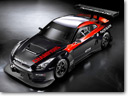 After an amazing season last year, Nissan are ready to stun the racing world again, beginning with the Dubai 24h race. They have a new GT-R Nismo GT-3 lined up and ready to take on the A6 category. The team that will be performing there consists of four drivers – Michael Krumm (GER), Tom Kimber-Smith (UK), Franck Mailleux (FRA) and Alex Buncombe (UK). They have many titles behind their backs some of which include the Le Mans Series LMP2 , the Intercontinental Le Mans Cup LMP2 and the Blancpain Endurance Series’ GT4 crown. So this year’s car truly has the task of crossing the finish line with royalty inside and it is rightfully named as the “Champion’s car”

 The NAIAS in Detroit is now a fact of life. Ford are also aware of this and are there to delight us with a next-generation Ford Fusion (that would be the Mondeo for Europeans later this year). Keeping pace with Ford’s innovative spirit, the Fusion boasts an array of efficient gasoline and hybrid drivetrains, an audacious design and cleverness.


