Category: Auto News

Auto news – automobile industry news. Articles about all the latest car models and concepts. Breaking news, uncovered secrets.

  • 2016 Corolla Hybrid is here. Along with its long nose.

    2016 Toyota Corolla Hybrid Usually Toyota combines this well-known appearance with brand’s dominant hybrid technology and launches a specific model. This time the new chosen one is the Corolla that is expected to offer better fuel economy, sharper handling and overall acceptable quality:price ratio. So, let’s see what did Toyota do good and what did Toyota not do good.

    We should mention that Toyota tries its best to deliver high-quality drivetrain systems and with its range of hybrid units, the brand really caught our eye. Definitely the efficient Prius was a big achievement for the Japanese manufacturer, but we all wonder if the same formula could be applied to other models and systems.

    The new Corolla Hybrid comes with driver-focused goodies that will be exclusive for the model, starting with handling and stability technologies, going through interior comfort and functionality and finishing with refined drivetrain system and suspension. In fact, this is the only Corolla to be fitted with electronically controlled brakes, larger front discs, three selectable driving modes and special hybrid display. Sweet.

    2016 Toyota Corolla Hybrid

    We are not sure if the Corolla Hybrid should be offered in just one specific grade, but as we dig more and more vehicle’s features, we tend to accept the absence of trim levels and personalization. However, the car is fitted with dual-zone automatic air-conditioning, auto-leveling bi-LED headlamps, LED daytime running lamps and keyless smart entry systems. Toyota team did not miss to include its own Toyota Link infotainment system and a 4.2-inch multi-task display.

    Available in one specific grade, Corolla Hybrid also offers some premium features as dual-zone automatic air-conditioning, auto-leveling bi-LED headlamps, LED daytime running lamps and keyless smart entry and ignition. Of course, let’s not forget about the satellite navigation, SUNA live traffic updates, Toyota Link, the colorful 4.2-inch multi-task display. Overall, does not sound that bad for a single grade, does it? But what about the performance rates?

    Drivetrain system

    The rates are pretty much casual and mid-end adequate. Corolla Hybrid is geared with a 1.8-liter four-cylinder Euro 5-compliant unit. It is relatively efficient and not that “superior economical” as brand itself wants it to be. Technically it’s consumption rates are measured at 4.1/100km and the maximum driving range is about 1,970 kilometers. Good thing is /and pretty much expected/ that driver can choose whether the vehicle would work with only petrol or only electric energy, or both combined. It is not something unseen, but it is a good thing that manufacturer gives some options. But the question remains: why not Euro 6-certified system?!

    SEE ALSO: Iconic 1957 BMW 507 makes exclusive comeback at Goodwood

    Additional equipment

    Also as standard features are coming seven airbags, reverse camera, stability and traction control system, anti skid brakes, not-that-ugly 16-inch alloys, black fabric upholstery and a choice of eight exterior color finishes. One of the few personalization options, by the way.

    2016 Toyota Corolla Hybrid

    And of course, for some additional not-that-small amount of cash, buyers can equip the vehicle with SUNA live traffic updates, expanded Toyota Link and additional mobility services.
    Despite some disappointing features as plastic-looking exterior components and the boring interior, we kinda like this one. So, what do you think?

    Source: Toyota 
  • Jaguar and Piecha team up for the release of very special F-Type Cabrio

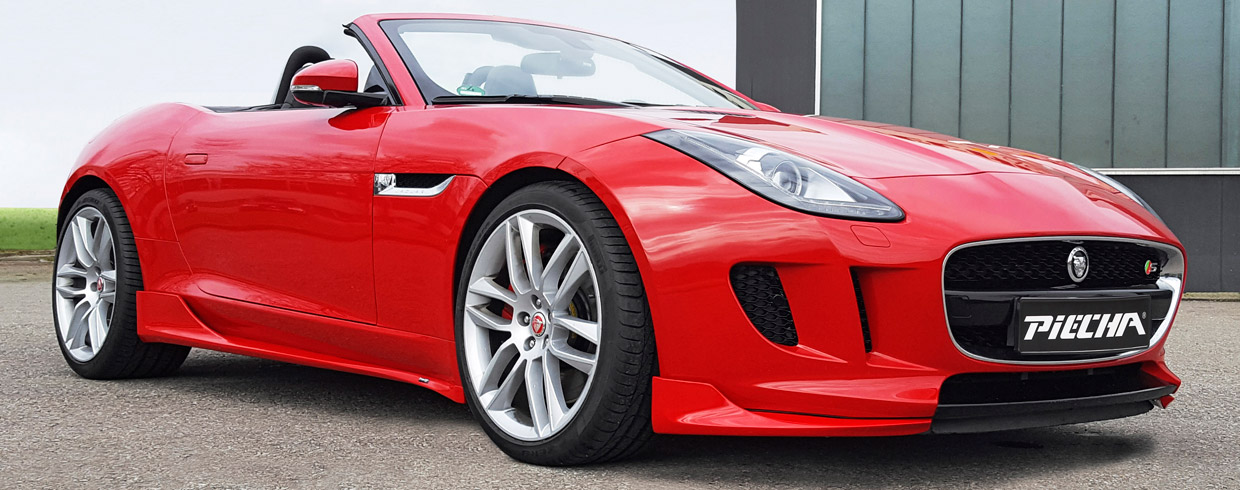
    Piecha Jaguar F-Type Cabrio side and front viewJaguar F-Type Cabrio is undoubtedly one of the most beautiful roadsters out there. As are Jaguar cars in general. And this is probably the reason why we are not seeing many tunings on it, because to change its shape would be equal to sacrilege. However, accentuating it through stylish elements might be a great idea if one wants a little more individuality to their Jag.
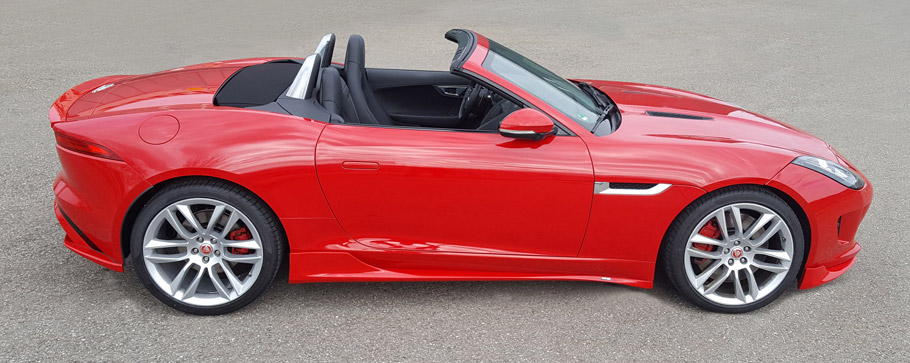
    For this purpose there are tuning brands like Piecha design, which have specialized not only on making the Jaguar F-Type more attractive and at the same time not doing the aforementioned sacrilege.

    A Modular Styling Package is Born

    The modular styling pack that Piecha have developed does exactly this. But what does it feature? For the front, the tuners have developed front cup wings that are larger than the production ones. They are available in glossy exposed carbon or painted. The same applies to the aggressive side skirts.

    SEE ALSO: PIECHA Design Recreates Jaguar F-Type R Coupe

    The rear on the other hand includes more than enough, because it harmoniously combines vision, through the discreet rear spoiler, and sound. The latter comes from the growling exhaust system with 90 mm stainless-steel tailpipes at its ends. And by the way, the tailpipes’ finish is available in two styles: high-gloss or semi-gloss chrome-plated.

    Piecha Jaguar F-Type Cabrio side view

    Lowering is an important and integral part of the tuning pack, too. The individually adjustable suspension added here offers 30mm or 40mm wheel spacers and it also helps the production wheels stand out. Wait, why having production ones, when one can go for Piecha’s 20-inch MP1 Monoblock alloys in titanium or black, or even the bigger 21-inch MP5 LXM wheels in High Gloss Silver or Satin Black.

    Since the F-Type is the most famous and beautiful cabrio, as we all have agreed on that, lastly the experts added in-house made roof module with controls, which can now open or close the top at the push of a button.

    Source: Piecha 

  • Why Volkswagen Golf R is the best car for power tuning and how Wetterauer Engineering proves that fact?

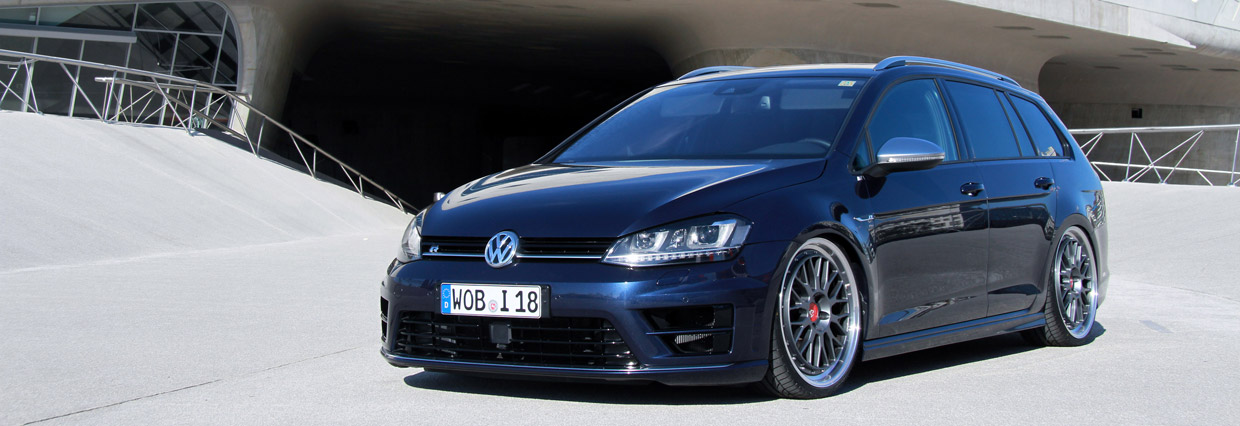
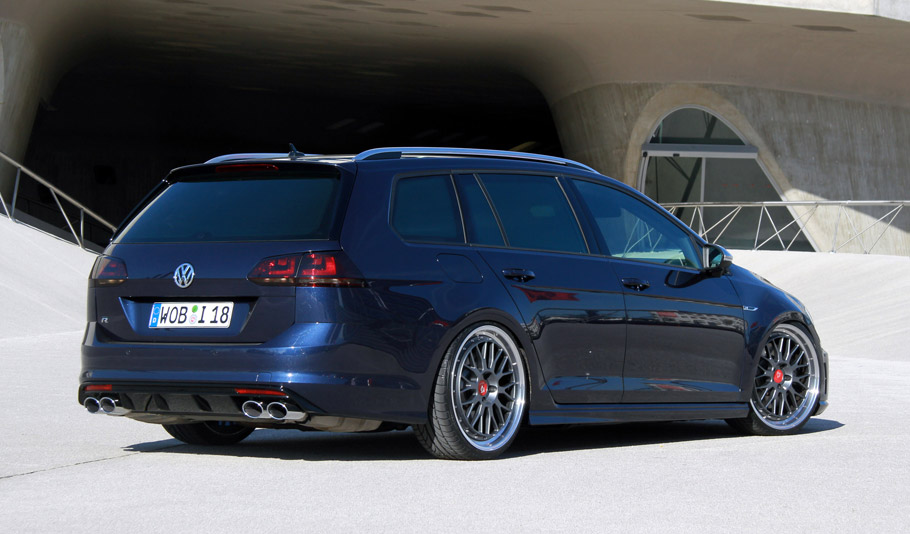
     Wetterauer Engineering Volkswagen Golf R front viewVolkswagen Golf R is probably one of the most preferred vehicles to tune and power-uprate by performance enthusiasts. Therefore it is no surprise when we see it so regularly tuned by various brands which offer abundant and versatile customization packs. Today under the spotlight is the work of the professionals at the Wetterauer Engineering, which has did their best on the seventh generation VW Golf R.

    Being at the top of the range, and supported by a turbocharged and a 4WD, the Golf R is a proud contributor of 300 hp (220 kW) and 380 Nm (280 lb-ft) of optimum torque. Although this might seem a remarkable figure for a compact car, it is also great starting point for chip tuning.

    SEE ALSO: Is the family car Volkswagen Passat B8 ready to tackle any performance challenge? 

    Taking advantage of this are the engineers at Wetterauer, who have developed a multi-stage performance upgrade for the car, making it as they say “the most potent Golf ever”. The output increase had to be significant, so they did not carry it out simply with a software remapping.

     Wetterauer Engineering Volkswagen Golf R rear view

    Hence, the Wetterauer tuners created a three staged conversion specifically for this Volkswagen. The basic ECU software on Stage 1 helps the Golf R generate an impressive 340 hp (250 kW) and 440 Nm (325 lb-ft) of torque, while the next stage is increasing these numbers to 380 hp (279 kW) and 470 Nm (347 lb-ft). It also includes a free-flow air filter. At last, the Stage 3 is making it possible for the car to make it to 400 hp (294 kW) and 510 Nm (376 lb-ft) of torque. This stage also requires hardware upgrades in the form of a free-flow sports air filter, larger diameter downpipe with sports catalyst, and a stainless steel exhaust system with four outlet pipes.

    Besides the power tuning, the Golf R variant shown here also comes with updated suspension and wheel/tyre package that optimizes handling and grip, and offers a low and purposeful stance. The coliover suspension kit comes from KW (it is Varant 3 to be more precise) and it features fully adjustable bounce, rebound and ride height.

    The wheels are sized 20-inches and are delivered by mbDESIGN LV1. They are fitted with 235/30R20 tyres. At last, but not least, SRS-Tec front wings with 25 mm wider wheel arches were installed.

    Source: Wetterauer Engineering

  • What is SOFC or e-Bio Fuel-Cell and why this is future alternative fuel technology that can save our planet?

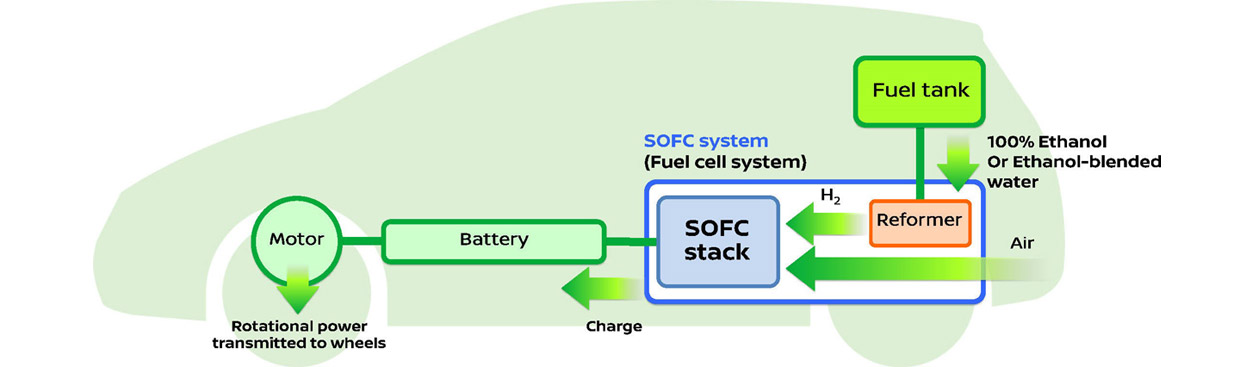
    SOFC  e-Bio Fuel-Cell technology and how it worksSOFC is a fuel cell using the reaction of multiple fuels. For instance it works with ethanol and natural gas, with oxygen in order to produce electricity with high efficiency. If you didn’t get it at first, we must distract you for a moment and reveal that this is Nissan’s new alternative fuel technology.
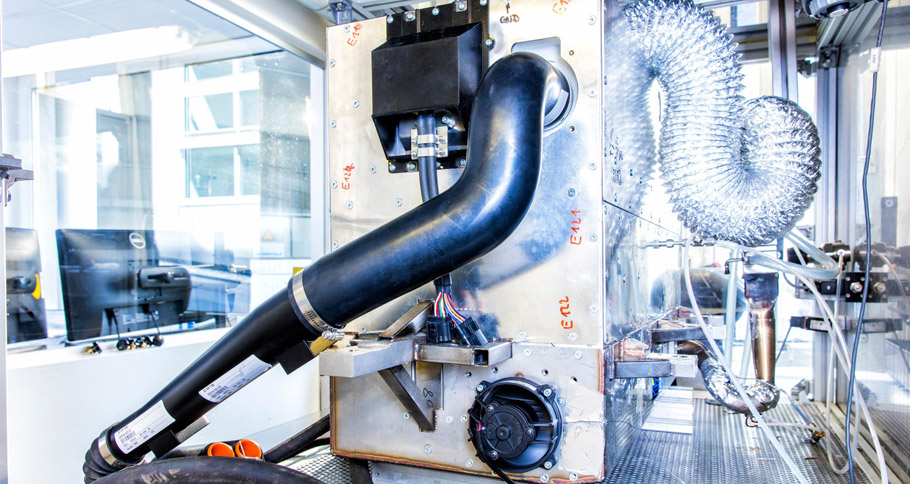
    In fact, the Japanese brand is making a big leap forward with it. Nissan is currently researching and developing the Solid Oxide Fuel-Cell-powered system (this is what SOFC stands for). It runs on bio-ethanol electric power, and in other words it is absolutely new and it is being applied for the first time for automotive use. It basically features an e-Bio Fuel-Cell with SOFC power generator. But let’s get into the details.

    What actually an e-Bio Fuel-Cell is?

    It is one of the main features in the SOFC, which generates electricity through system’s power generator using bio-ethanol that has been stored in the vehicle. The e-Bio Fuel-Cell uses hydrogen, which has been transformed from fuel with the help of the oxygen we breathe (from the atmosphere in other words). Then a subsequent electrochemical reaction happens, which produces electricity that in turn powers the machine.

    SEE ALSO: New World Record for the Nissan GT-R NISMO? [w/video] 

    The e-Bio Fuel-Cell actually uses the SOFC as its power source. This allows for greater power efficiency that is estimated of more than 600km. What is more, the distinct electric-drive features (silent drive, linear start-up and brisk acceleration) contribute for experiencing the vehicle as if it were an EV.

    The Benefit

    You might ask what is the advantage of all this? Well, it is basically and most importantly ecological. The fuel-cell systems utilize chemicals that react with oxygen, so that they can generate power without the release of hazardous byproducts.

    CO2 is usually emitted, when power is generated in a fuel-cell system. However, with the bio-ethanol system, the CO2emissions are neutralized from the growing process of bio-source making up the bio-fuel. This allows for “Carbon-Neutral Cycle” with nearly no CO2 increase whatsoever.

    What is more, the e-Bio Fuel-Cell, can not only offer eco-friendly transportation, but also create opportunities in regional energy production, while supporting the infrastructure.

    What are the Bio-ethanol Fuel Sources?

    Bio-ethanol fuels can be sourced from sugarcane and corn. As we know, these plants are widely available in countries in North and South America, and Asia; so the accessibility isn’t a problem; and through a future development of this system it could also support the local infrastructure.

    Does e-Bio Fuel-Cell have future?

    Although it is in developing stages, in the upcoming years, the e-Bio Fuel-Cell will become even more user-friendly. By the way, the running costs will be remarkably low, which will ultimately benefit the public as well as businesses.

    The e-Bio Fuel-Cell is part of “Nissan Intelligent Power” concept strategy. It aims at providing value to its customers by including systems that enable the extraction of electric power from various fuels, and at the same time it addresses the infrastructure issues tied to energy supply in every region of the world.

    If you find this article important, please share it with others!

    Nissan's first vehicle powered by SOFC e-Bio Fuel-Cell

    Source: Nissan

  • 2015 Honda Civic Type R proves itself worthy at Europe’s most famous race tracks

    2015 Honda Civic Type RHonda’s so-called “race car for the road”, the Civic Type R, has made some notable achievements at five legendary tracks in Europe.

    In fact, Honda team itself is inspired by the Civic Type R and its European dominance and the impeccable results at the Nürburgring Nordschleife back in May, 2014 and created a new challenge for the Type R.

    The high-speed campaign started on a rainy day in April at Silverstone, where the Three-time British Touring Car Championship winner Matt Neal took the wheel and set time of 2 minutes and 44.45 seconds. In fact, not content with this time, Matt and his fellow team members decided to have another shot at the track and a month later they scored a lap time of 2 minutes and 31.85 seconds. Sweet.

    Then, in early May, Honda team decided to have a try at the Spa-Franhorchamps circuit in Belgium. The well-known track, loved by many, was taken by Honda Racing member Rob Huff. He managed to set a time of 2 minutes and 56.91 seconds.

    2015 Honda Civic Type R

    After that, the team made to successful attempts at Italy’s Monza circuit. A Honda team member from WTTC squat, Norbert Michelisz tamed the beast and hit a time of 2 minutes and 15.16 seconds.

    And before the last step at the Hugaroring, the Honda squad went to the historic Estoril with Tiago Monteiro for a ride. Sadly, there was a dramatic crash at the WTCC Race of Germany that put the Honda ace out of action, but just a day later, Bruno Correia, a well-known Portuguese racer scored a time of 2 minutes and 4.08 seconds.

    SEE ALSO: 2016 Honda Civic Coupe takes home another award! Details here!

    And lastly, the team arrived in Hungary for one last ride on 6th of June. The chosen driver was once again Norbert Michelisz. He pushed the vehicle to the limit and set a benchmark of 2 minutes and 10.85 seconds. Cool.

    2015 Honda Civic Type R

    So, how do you find these achievements? Write down in the comment section below!

    Source: Honda 

  • Vauxhall VXR8 Maloo LSA vs 1903 Vauxhall 5HP and what they (surprisingly) have in common

    Vauxhall VXR8 Maloo LSA vs 1903 Vauxhall 5HP side viewVauxhall VXR8 Maloo LSA is Britain’s most powerful light commercial vehicle (LCV) and it will be also one of the main attractions at the Goodwood’s Festival of Speed next week. What is more, the VXR8 will be accommodating Vauxhall’s very first car in its generous load-bay!

    In addition, the new model is 107 times more powerful that the ancestor, called for a reason “5HP”. Built in 1903, it weighs just 272kgs (and the Maloo’s load bay is 500 kg) and can hit a maximum speed of… 25mph! If we have to compare it with the Maloo: it is barely a sixth of what it can achieve. By the way that was quite quick by early twentieth century standards.

    SEE ALSO: Iconic 1957 BMW 507 makes exclusive comeback at Goodwood

    Did you know that the Vauxhall VXR8 Maloo LSA is driven by the 6.2-litre, supercharged V8 which is also to be found in its Chevrolet Camaro ZL1 sibling? The car deploys its power through a limited slip differential to the rear wheels, producing a total of 536 hp and capable of achieving 155 mph. The 0-60 acceleration time is reached in 4.3 seconds. Maloo also benefits from a neat Launch Control system for maximum-attack starts.

    Vauxhall VXR8 Maloo LSA and 1903 Vauxhall 5HP  front view

    If we dare to compare both car’s times on the Goodwood’s famous hill climb (and although there isn’t an official timing in the First Glance class in which the Maloo can be seen this year), estimates say that it would reach the finish line of the 1.16-mile course in 55 seconds, while the 113-year-old 5HP can do this for at least three minutes.

    And despite that it seems that both vehicles have nothing in common besides the brand, there’s actually one feature which is shared by both vehicles. And very surprisingly – it is the monocoque! Since 1903 Vauxhall’s engineers joined the chassis and the lower part of the 5HP’s body into a composite steel and wood structure, effectively creating a very early form of a monocoque design. Now, this feature is employed by almost all production cars around the world.

    This year Goodwood proves to be very exciting!

    1903 VAUXHALL 5HP vs 2016 VAUXHALL VXR8 MALOO LSA

    5HP Maloo
    • Engine capacity
    978cc 6,162cc
    • Cylinders
    1 8
    • Power
    5bhp 536bhp (544PS)
    • Torque
    N/A 671Nm @3850rpm
    • Engine construction
    Integrally cast head/block All-aluminium heads/block
    • Fuel delivery
    Vauxhall spray carb Electronic fuel injection
    • Crankshaft
    2-bearing Cross-bolted, 5-bearing
    • Transmission
    Clutchless, 2-speed 6-speed manual
    • Drive
    Via chain to rear axle Via limited slip diff. to rear axle
    • Suspension – front
    Spiral springs/no dampers MacPherson Strut
    • Suspension – rear
    Spiral springs/no dampers Fully independent, multi-link
    • Steering
    By tiller / plenty of faith By wheel / rack & pinion
    • Brakes  – front
    None 367mm diameter ventilated discs
    • Brakes – rear
    Drums 372mm diameter ventilated discs
    • Wheels
    26-inch / wire construction 20-inch / alloy
    • Tyres – front
    26/3 255/35 x 20
    • Tyres – rear
    26/3 275/35 x 20
    • Top speed
    25mph 155mph (limited/est)
    • Acceleration (0-60mph)
    Uh, never… 4.3 seconds (est)
    • Fuel consumption
    38mpg (unofficial) 18.5mpg (official combined)
    • Price
    130 guineas (£136) £54,520

    Source: Vauxhall 

  • Renault’s popular best-seller is back: Meet the next-gen Clio

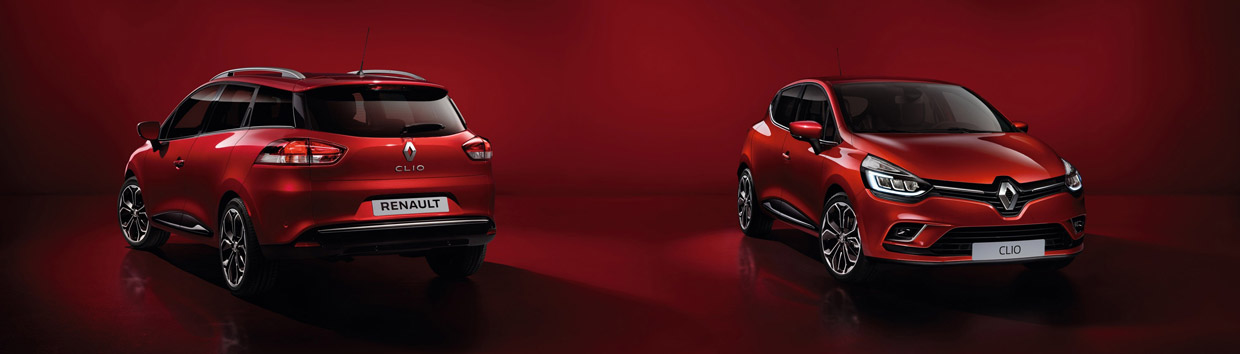
    2017 Renault Clio front and rear view Renault Clio is here with its new attributes, visual appearance and charm. It is almost ungraspable that this little cutie has been on the market for more than 26 now, but still this is a fact. The model is actually being launched this summer so we are expecting to see it on the street as soon as September, when the first deliveries will happen.
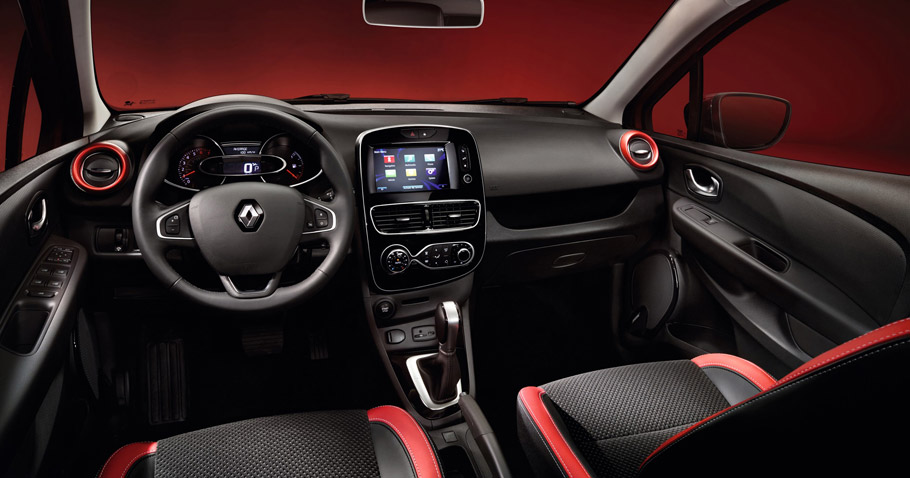
    In its fourth generation, the Clio features more aggressive appearance and a design defined by the new styling philosophy of Renault. To go into details, the car features the following dramatic changes: full-LED lighting signature with C-shaped DRLs, modern front end with lower grille and redesigned emblem, more robust rear skirt. The French brand is also offering four new body colors to the range: Intense Red (which you see on the images in the gallery below), Titanium Grey, Pearlescent White and Iron Blue.

    SEE ALSO: Renault says that the limited edition Captur Wave is stand-out sophistication, but is it so? 

    On the inside, the car has been abundantly fitted with materials that can be found on higher ranges. For instance, the upholsteries have plastics’ grain-effect finish, while the chrome trim and the matt finish are more refined.

    2017 Renault Clio  interior

    If you ask many people, it is always about driving pleasure. By the way the Clio is famous for having one of the market’s most extensive powertrain line-ups. There is exactly a choice of 11 engine/transmission combinations. The addition to the engine catalogue is the fuel-efficient 1.5 dCi 110 diesel unit connected to a six-speed manual gearbox.

    On the technology side, the fourth gen Clio is being offered with three different connected multimedia systems, namely Media Nav Evolution, Renault R-Link Evolution and the new, smart R&Go system. They are optional and must be ordered at additional cost. Other goodies include rear parking sensor, front parking sensor and a reversing camera, and even an Easy Park Assist.

    The Star: Initiale Paris

    Initiale Paris signature is there for those who love travelling comfort and amenities, and love making it with style. It is characterized by exclusive body colour Givré Grey (or metallic finish), Nappa padded leather steering wheel and gear lever, specific door panel and dashboard trimming and enveloping leather seats in either black or black-and-white.

    This variant of the model is one step forward because of its standard BOSE premium audio, LED Pure Vision head lights and C-shaped LED daytime running lights, the R-LINK Evolution multimedia system complete with connected services, reversing camera and Easy Park Assist. The car can be equipped with either of two petrols with 90hp or 120hp or two diesel units (90hp or 110hp). They can be mated to either manual or EDC dual-clutch automatic transmission.

    The new generation Renault Clio can be ordered from this summer.

    Source: Renault  

  • Quattroporte relaunched! This is why you should consider buying it

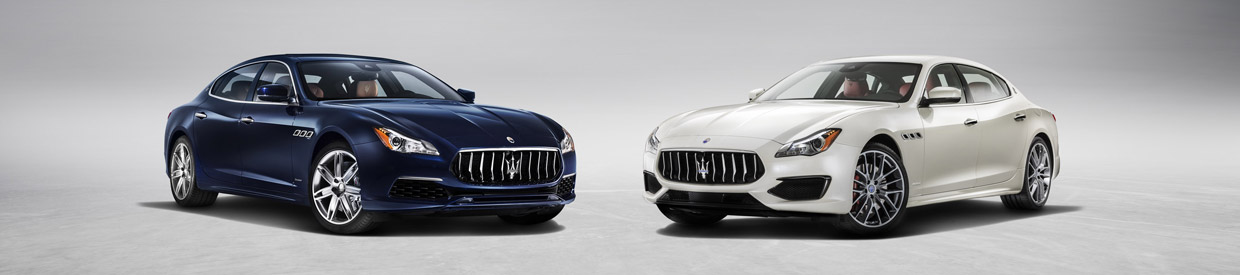
    Maserati Quattroporte GranLusso and GTS GranSports front viewWe haven’t heard for a long, long time from Maserati and it quite seemed that the brand is in its sunset. However, unexpectedly it is releasing new variants of its Quattroporte, which add more exterior styling, interior refinement and high-tech features. As a matter of fact, Maserati is actually making a new strategy with the launch of the new two trim levels, called GranLusso and GTS GranSport.
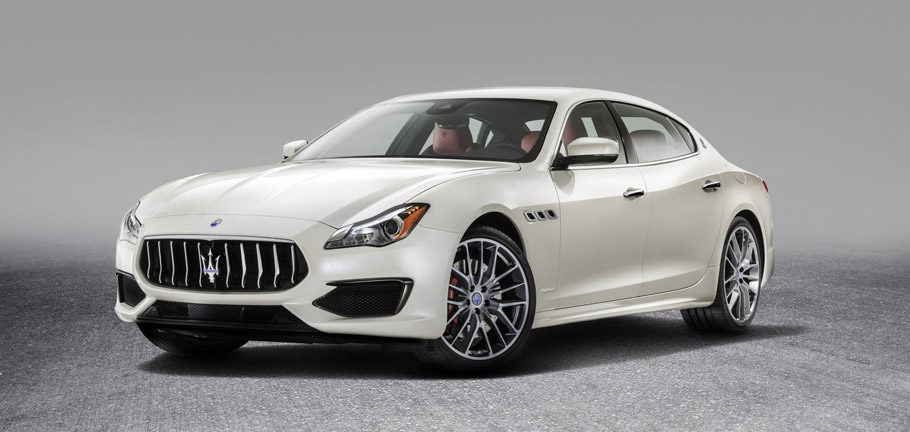
    In general, the restyled Quattroporte features new design for its bumper design, front grille with electrically adjustable Air Shutter, side skirts and exterior mirrors. The change in the latter is also functional in order to incorporate new technical elements.

    SEE ALSO: Maserati Levante to Be Unveiled to North American Audience 

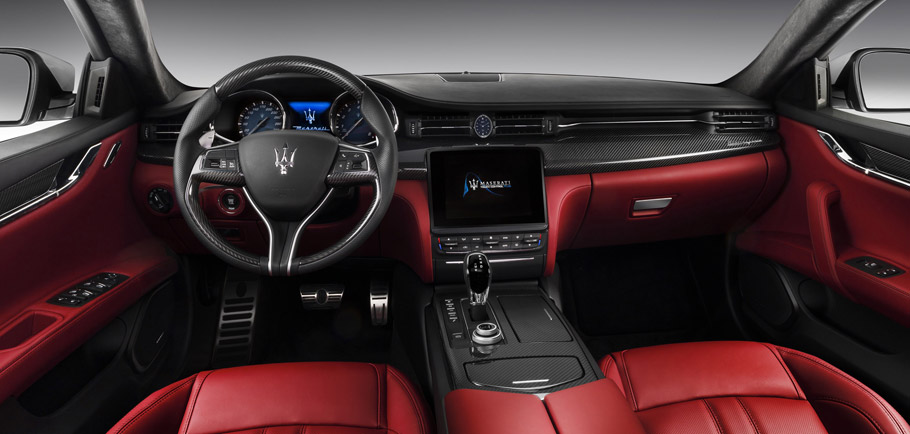
    Some of the changes on the inside include revisions to the central dashboard, which now accommodates high resolution 8.4” screen with multi touch function; to the central, lower console which adds rotary control for volume and function control; new infotainment system and etc.

    If the customer does not feel satisfied with the made changes then he or she might also want to try the package of Advanced Driver Assistance Systems, which adds Adaptive Cruise Control with Stop&Go, Lane Departure Warning, Forward Collision Warning with Advanced Brake Assist and Automated Emergency Braking. The Surround View Camera comes also at additional cost.

    GranLusso and GranSport Add Even More

    Maserati Quattroporte  GTS GranSports front view

    As mentioned, with this restyling of the flagship Quattroporte, Maserati launches a new strategy. The goal is to offer its special customers more choice with the addition of those two trim levels. Both variants are available with the Quattroporte V6 powertrain versions. However, at the top of the range sits the Quattroporte GTS, which is driven by the twin-turbo V8. Why are those trims so important? Because they are instantly recognizable thanks to their unique exterior and interior design.

    Precisely, the GranLusso stands out because of its new front lower fascia design and the body colour bumper profiles, clear rear looks and 20” Mercurio rims and black painted brake calipers. On the inside, the exclusivity of the trim is defined by the Ermenegildo Zegna Edition interior that adds a patented silk fabric on the seats, doors, headliner and sun visors; pore Radica wood on the dashboard and the leather steering wheel with wooden inserts.

    Maserati Quattroporte GTS GranSports Interior

    On the other hand, the GranSport trim is making a strong statement by highlighting the sporty character of the Quattroporte. In other words, the model looks more aggressive than ever! The front features restyled centre and side air intakes, lower fascia linked to the grille with aerodynamic inspired splits; centre fuselage and two side pockets on the rear and an aggressive black piano spoiler. Here, this edition is fitted with 21” Titano rims, behind which there are glossy black bumpers and red brake calipers.

    On the inside, the Quattroporte GranSport gets redesigned front and rear seats, sport steering wheel in carbon fibre or full leather; Piano Black wood trim on the dashboard and stainless steel sport pedals. To enance it even more, Maserati is offering the Exterior Carbon Pack, which adds external mirrors, door handles and b-pillar cover as well as front bumper in carbon fibre.

    The updated Maserati Quattroporte is available from June.

    Source: Maserati 

  • SKODA Octavia meets 2017 model season with tons of improvements

    2017 SKODA Octavia The 2017 range of SKODA Octavia becomes even more appealing, thanks to the numerous dynamics and efficiency improvements. One of the most notable changes is definitely the new high-tech, three-cylinder turbo petrol power unit and the adaptive DCC that is optional for units with 150 hp or more.

    This unit replaces the 1.2-liter one and offers 115hp (85kW) and 200Nm of torque between 2,000 and 3,500rpm. In fact, this is the first three-cylinder unit to be installed in the Octavia that features sophisticated acoustics and excellent driving dynamics.

    Combined with a 7-speed DSG, the new 1.0 TSI accelerates from 0 to 100km/h (62mph) in 9.9 seconds and has a top speed of 228km/h (126mph). The combination with a 6-speed manual reduces the sprint to 9.6 seconds.

    2017 SKODA Octavia

    Some achievements were also made on the fuel consumption efficiency that is measured at 62.8mpg with emitting 105g CO2/km with the automatic gearbox. There is also an optional aero pack with some more improvements on the fuel efficiency: it brings lowered sport chassis, active air flaps, a tailgate or roof spoiler and low rolling resistance tires. Sweet.

    SEE ALSO: We Have Told You About SKODA VisionS, But We Havent’s Told You About Brand’s Plans. Here They Are

    Additional goodies for the 2017 model season include Adaptive Dynamic Chassis Control, Electronic Valve Controls, shock absorbers, fast control unit and selectable driving modes.

    2017 SKODA Octavia

    In terms of convenience and utility features, the 2017 Octavia comes with special infotainment system with Modular Infortainment Matrix, Wi-Fi hotspot, Amundsen Infotainment navigation system and some additional SKODA Media Command apps.

    Source: SKODA 

  • Sporty, distinctive and limited, the 2017 BRZ Series.Yellow is here!

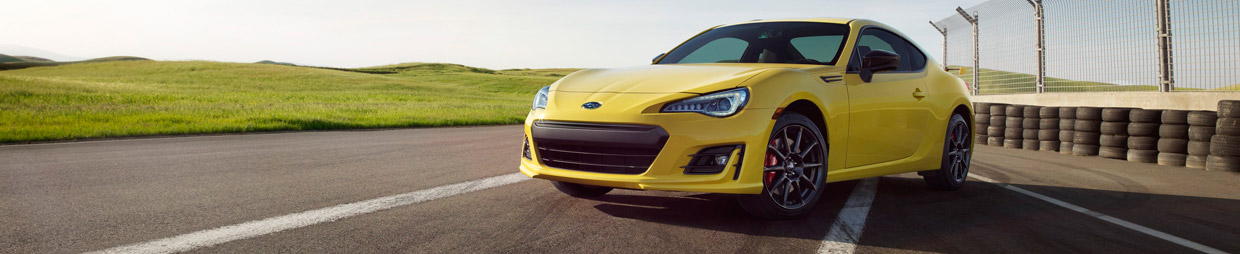
    2017 Subaru BRZ Series.YellowSubaru of America, Inc announced the 2017 BRZ Series.Yellow This special lineup, limited to 500 vehicles comes in distinctive exterior finish and is by far brand’s most exciting BRZ up to date.
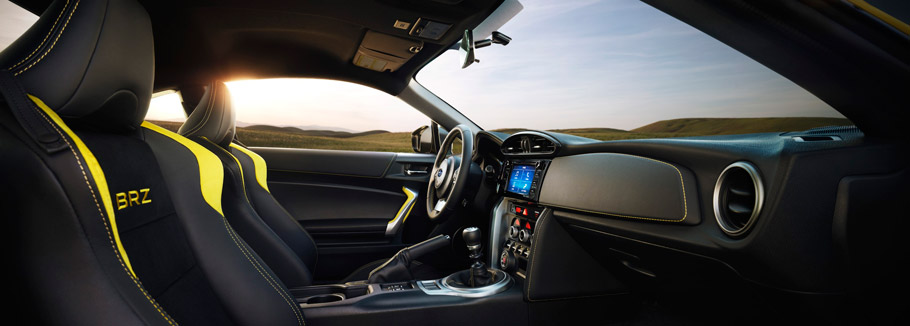
    This is a vehicle that is immediately recognizable by its yellow color, special black alloy wheels, black BRZ and SUBARU badging and black exterior mirrors. And based on the 2017 Limited model with Performance Pack, the Series.Yellow also delivers some enhanced and refined driving experience. Thanks to the upgraded Brembo four-piston calipers and rotors on the front and dual-piston calipers and rotors to the rear the vehicle offers noticeable boost in the stopping power, fade resistance and pedals feel. Furthermore, the SACHS Performance shock absorbers contribute to smoother handling and improved stability.

    BRZ Series.Yellow is geared with a 2.0-liter SUBARU BOXER power unit, mated to a 6-speed manual gearbox. Some of the improvements for 2017 include friction reduction, new aluminum intake manifold and improved exhaust manifold. These improvements boost the overall engine output to 205hp (152kW) and 156 lb-ft of torque. The engineering team also managed to improve acceleration by lowering the final drive ratio from 4.1 to 4.3:1. Sweet.

    Exterior changes

    Some of the many visual improvements and changes include new front bumper cover, fresh headlights in the style of “kono-ji” with Daytime Running Lights while  the turn signals and position lights have been integrated into the redesigned headlight for cleaner design and refined look.

    SEE ALSO: Subaru team has finally announced more details for the 2017 Forester lineup

    Furthermore, all 2017 BRZ  models receive a pedestal-style aluminum rear spoiler that matches the body color. This new design is not only beautiful and distinctive, but also contributes to vehicle’s downforce. Sweet.

    Interior improvements

    Standard for the lineup is the 4.2-inch LCD multifunction display, placed on the right of the tachometer. It displays all kinds of information about the vehicle, including lateral Gs, accelerator pedal position, braking force, steering angle, oil and water temperature, battery voltage and more.

    2017 Subaru BRZ Series.Yellow

    Series.Yellow vehicles are offered with black leather and Alcantara upholstery with contrasting yellow stitching on the seats, door and dash panels, steering wheel, knee pads and shifter boot. Of course, there are the yellow BRZ logo on the front seatback and on the carpet floor mats.

    Also, some of the technology goodies include AM/FM stereo with HD Radio, Single-disc in-dash CD player with 8 speakers, Subaru STARLINK smartphone integration with Pandora and Aha, Subaru STARLINK apps as iHeart and Stitcher, Bluetooth hands-free phone connectivity and audio streaming, SiriusXM Satellite Radio and more.

    2017 Subaru BRZ Series.Yellow is expected to hit the market in 2017.

    Source: Subaru 

  • Which are top 6 of Europe’s greatest driving roads? Ford answers in exclusive video series [part one]

    Europe’s greatest driving roads - RomaniaTraveling across Europe with a car can be very exciting and a proof for that is the special video series recently released by Ford and BP/Castrol. Dubbed under the name “Europe’s Greatest Driving Roads”, the footages explore six of the most exclusive pathways that could be found on the Old Continent.
    How were the routes chosen? With a ranking by the thrill factor they offer, the road surface, the accessibility and hospitality, of course – the scenery, and not forgetting the food and drink after the drive. Those who were lucky to take this task have actually covered nearly 10,000 miles in 12 months to identify the most breath-taking drives! A dream job, isn’t it?

    SEE ALSO: First ever Shelby GT-H prototype 50th anniversary edition goes to Barrett-Jackson 

    There are five countries featured in the series, namely: Romania, France, Germany, Spain (with two routes) and the United Kingdom. And the performance cars included in the videos are delivered by Ford, including the Mustang GT, Focus RS and Fiesta ST. Behind the wheel is the renowned car journalist Steve Sutcliffe.

    Since there are only four videos of the series released so far, we are going to feature the other two in additional articles. Here are the first four featured.

    North Yorkshire, Blakey Ridge

    httpv://youtu.be/uPIXRv0pgi0

    Driving a Ford Focus RS, Sutcliffe follows the route of an old railway line to the now quiet iron ore mines of the moors. The challenging Blakey Ridge is only 15 miles long and it’s not the longest road in the series, but the way “it winds itself across the moors, throwing blind crests and fast but ever tightening corners is completely fascinating”.

    ROMANIA, Transfăgărășan Highway

    httpv://youtu.be/5mIqlB3QOSk

    This one is built by former Romanian dictator and it is actually one of the most famous routs in Europe. It even passes the castle of Dracula, Vlad the Impaler. Here the chosen car is Ford Mustang Fastback 5.0 V8. In it Steve shows that if one is a true driving enthusiast, the Transfăgărășan is genuinely a “bucket list kind of place to visit”.

    SPAIN, Catolonia, C462

    httpv://youtu.be/stxoXE0-4zQ 

    Behind the wheel of a Ford Fiesta ST, Sutcliffe drove just over 100 km. The road winds its way north through Catalonia and ending over 100km later at La Seu D’Urgell, just south of Andorra. The very top of the C462 finds itself over 2000m and it is that point where you can stare over some of the most amazing view of the Pyrenees, visible in their entirety.

    FRANCE, the Alps, D526 & D926

    httpv://youtu.be/_YjIeyK_bSw

    This is one of the hardest stages of the Tour de France, and equally challenging in a car, says Sutcliffe who drives the Ford Mustang Convertible 2.3. Although it is one of the most grueling places, the route is also one of the most picturesque ones.

    So, if you are going to travel across Europe, then you should also know the best road opportunities that some countries can offers. These roads are for people who love cars and love driving, but also want to make an amazing road trip. The next two videos will include routes in Germany and Mallorca. Stay tuned!

    Videos Source: YouTube

    Source: Ford 

  • Elemental has the ambition to deliver the best vehicle in the segment. But will it succeed?

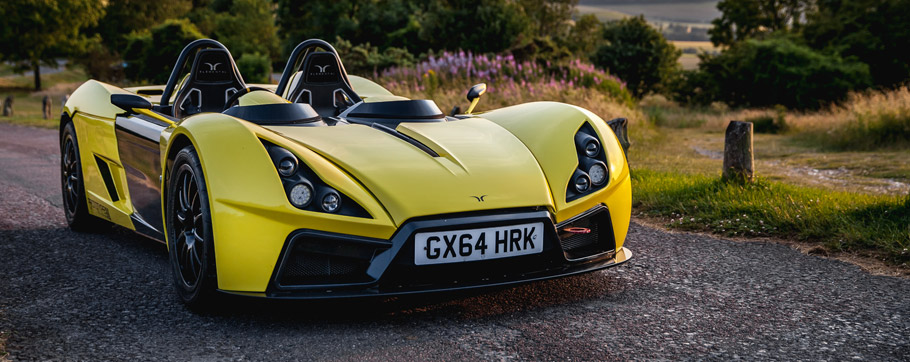
    2016 Elemental Rp1 Elemental completed the first production specification Rp1 lightweight sports vehicle at its production facility in Hambledon Hampshire.
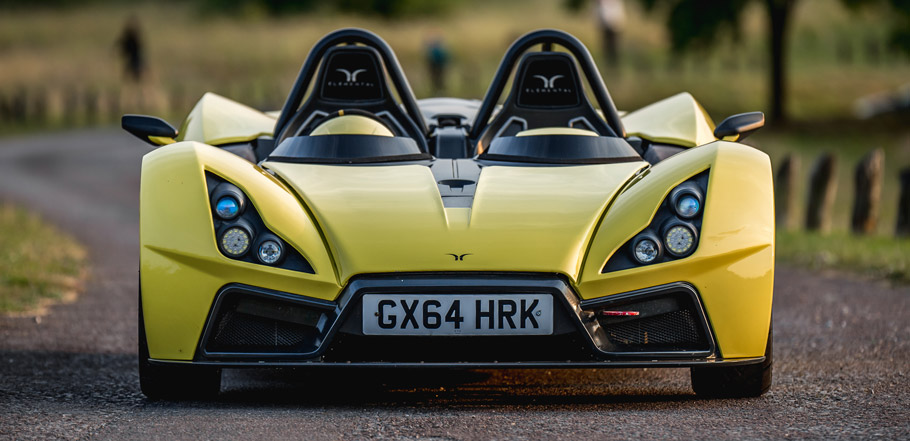
    This is a landmark for the British manufacturer who created the vehicle for over a four-year period with the intention of creating the most advanced vehicle in the segment.

    Elemental has completed its first production specification Rp1 lightweight sports car at its new production facility in Hambledon Hampshire.

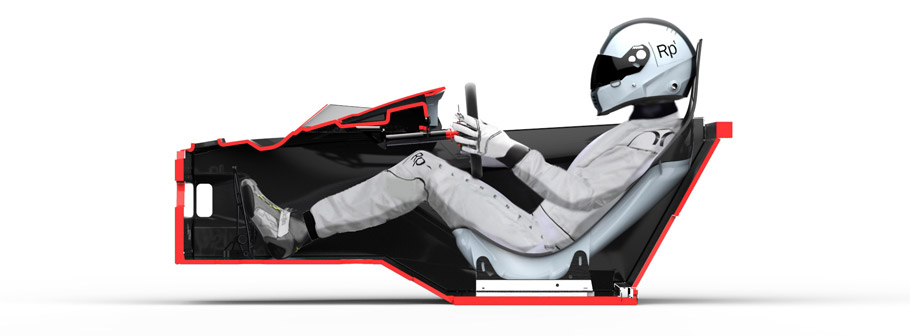
    Key element to the Rp1’s construction is brand’s patented CarbonAI tub with a weight of just 65kg that incorporates feet-up driving position: just the same seating position as in the Formula 1 cars. It is made by using high-performance F-1 grade carbon fiber and exceeds FIA structural standards for strength and rigidity.

    2016 Elemental Rp1

    Also, because of the rear diffuser, the Rp1 can generate incredible downforce and therefore exceptional levels of grip. In words of engineers, the vehicle generates 400kg of downforce when driving with 150mph (270km/h). Impressive, right?

    The suspension system also deserves some attention. It can be easily adjusted and optimized by the driver and there is even a switchable traction control as a standard feature. There are a total of five engine map settings that can meet all of driver’s requirements and can tackle down every track challenge.

    SEE ALSO: Aston Martin meets summer with some fresh offerings. Check them out!

    But this is not all. The vehicle can be specified with a choice of two turbocharged Ecoboost power units, either a 180hp (134kW) 1.0-liter three-cylinder unit and a more powerful 320hp (238kW) 2.0-liter four-cylinder that contributes to a flying start: it lets the vehicle to accelerate from 0 to 100km/h (62mph) in mere 3.2 seconds.

    2016 Elemental Rp1

    We will find out more about this vehicle at the 2016 Goodwood Festival of Speed, held between 23-26 June.

    Stick with us for further information!

    Source: Elemental