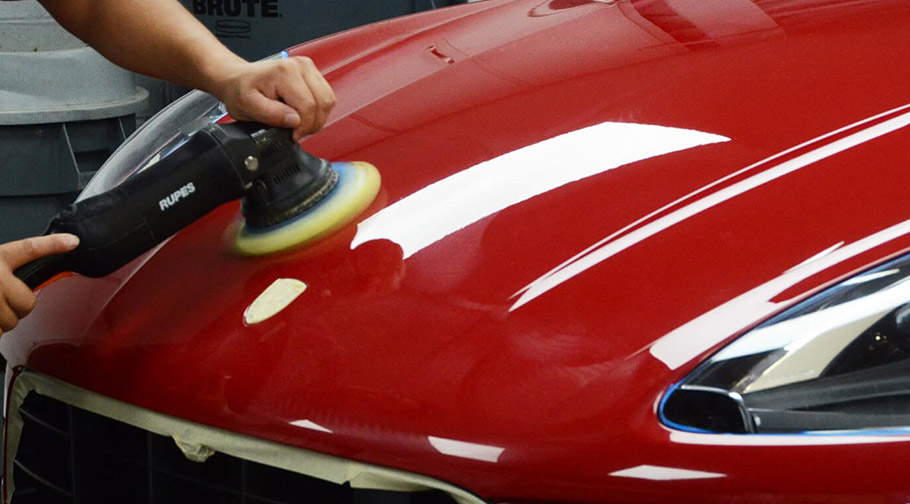
 Whenever you are faced with a detailing job of any kind with your car, you have to be able to confidently and informedly select the right tools for the job. Different kinds of buffers have been invented and created for a wide array of different purposes, and you will likely need more than one kind to complete a maintenance and paint correction job from start to finish.
Nonetheless, if you are just building up your tools supply and you are not sure where to begin with it, it is always a good a idea to get an orbital buffer for starters. They are possibly the single most beginner-friendly option out there. Here are all the bare bones essential things that you need to know about them.
When they come into use and where you can get one
The traditional orbital buffer is also known under the name “wax spreader”, because that is essentially the only thing it does. These tools have been floating around on the market since the 1940s or 50s, possibly even earlier.
They are not very expensive, relatively speaking, and you would be able to find them fairly easily at any of the standard department stores like Walmart, Target and so on. Also, the vast majority of auto parts stores will typically have them for sale, and most will feature a middle range average price of about thirty dollars (the cheapest ones will come at a handful of dust, only $15, and the most expensive ones will jump up to $70 and even more).
They actually have a pretty cool history
How about we go back in time a little bit? Back before the 1980s, all the cars, trucks, and whatever other vehicles that were built at the time, had only single stage paint applied to them, such as enamel or lacquer.
This is in direct opposition to modern day vehicles, which feature three layers stacked on top of the actual body panel. These layers are the primer coat, which is applied directly to the vehicle surface, then a coat of color base, and then a clear coat as a final protective layer which also provides that beautiful sheen.
Now, when it happened that this old 1980s paint would oxidize (develop rust patches and discoloration), you could easily use a plain old orbital buffer to get rid of these blemishes, because the structure of the old paint was comparably quite soft, unlike modern paints. Take a look at this online article for some insight into the history of car paint.
The oxidation of these old paints manifested in the earlier stages as a sort of murky white overcast on the color, as if it were covered in white chalk dust. The only way to prevent such an unsightly development was to regularly wax and polish your vehicle, which is also the biggest problem of old paints – they were actually rather high maintenance.
This oxidation trouble was removed by the orbital buffer tool, by applying some rubbing compound onto its face and then basically using that to chew away at the old paint. This would uncover a layer of fresher paint, which you would then polish and wax for a fully restored, shiny finish. Nowadays, if you wanted to restore a retro wheeler, you would also get a coat of paint sealant for protection.
They cannot remove scratches, water stains and swirls – and this is why
To begin with, even though orbital buffers are awesome when it comes to re-polishing retro colors, they do not have anywhere near the power that you would need to remove those kinds of blemishes from your vehicle. They also tend to feature faces, bonnets, or buffing pads that are too large and clunky for the purpose.
Furthermore, these types of buffers are tools of a single fixed speed. They have and “on button’ and an “off button” and that is just about all of the control that you get. The tool can function only at one predetermined speed level, which as a rule is not fast enough to be any level of effective at removing the water stains, swirls, and scratches from your clear coat finishes.
SEE ALSO: Nissan proudly reveals 370Z 50th Anniversary Edition model!
In alignment with the previous point, the traditional orbital buffer is just too slow to deal with this kind of damage. Of course, you may still apply it to the above mentioned three types of damage to the vehicle coat, but whatever you achieve will remain only on the surface. Anything deeper, and the tool will be rendered ineffective. Instead you would have to opt for a polisher or buffer that has variable speed settings which you can adjust at will, and it will need to be fairly fast at the “high speed” setting.
 The used car market is booming right now in the UK. Data from the Society of Motor Manufacturers and Traders (SMMT) might reveal a slight drop in the number of used car sales in 2018, but demand for pre-owned vehicles was much stronger than for new models. For dealers, this represents a great opportunity to “cash in”. But how do you know which are the right makes and models to be offering consumers in search of their next used car?
 When it comes to cars, everybody has a favorite, and that is why instead of buying a brand new car, some people would somewhat revive a vintage car that can hardly work. While this is deeply connected to one’s dreams, it is essential to know that restoring a wrecked vehicle is quite expensive thanks to the fact that you will have to invest heavily in buying the required parts.
 Have you been involved in a motor vehicle accident on a public road? Or was your car damaged in a public parking lot by another driver? Did you perhaps scrape your vehicle against the garage wall or bash into the post box or yard gate when manoeuvring your car in and out of your yard? How seriously is your car damaged? Is it worth repairing, or do you need to scrap your motor vehicle?
 For most people, life without a car seems almost impossible. With 88% of people in America alone owning vehicles, it’s safe to say they are almost a necessity. Often, cars become a second home as they carry supplies, athletic gear, work materials, and nearly always something to eat stashed away if not rolling around in the back seat. They transport groceries, ballerinas, man’s first best friend, and quite often you to work every day. As long as you feed them regularly and get them a checkup periodically, they are the dependable portal to all of life’s activities when you aren’t home, until they aren’t – dependable that is. Because your vehicle is important for so many of your daily activities, enjoying the safety, comfort, and security of a new car is vital to your traveling happiness.
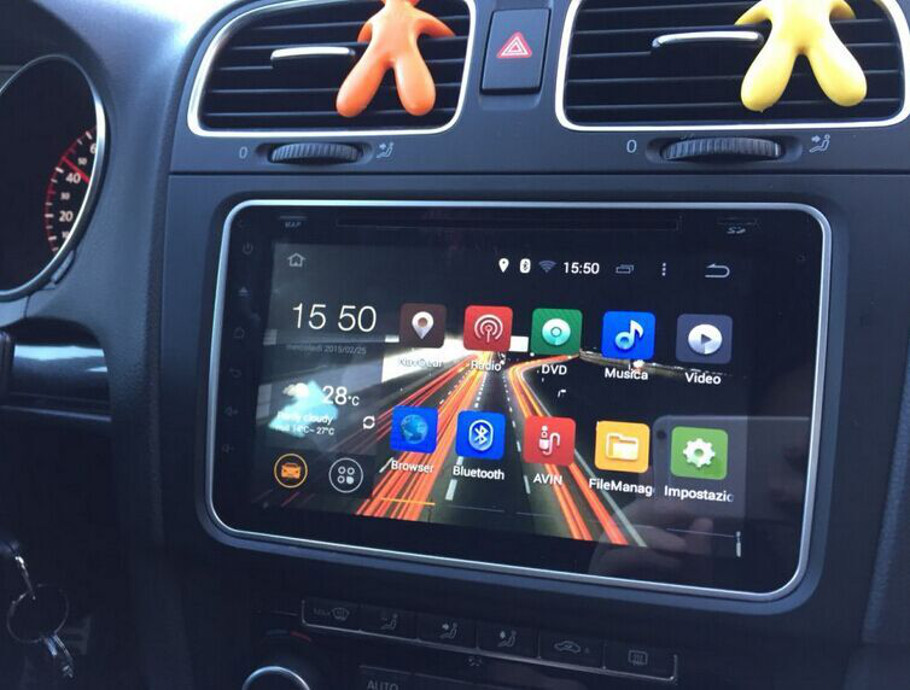 It’s often called a radio, but a “head unit” is a perhaps a better term for this audio component since it is the brains and command center for a car’s sound system. The head unit is usually located on the dash and allows you to choose things like: what station to listen to, the music volume, what song you wish to hear – along with many other functions. Here’s an in-depth look at the various elements that make up today’s automotive head units.
 If you are installing a high-end sound system in your car, you are likely considering the purchase of a separate power amplifier. Factory sound systems do have built-in audio amplifiers but they may not satisfy the needs of enthusiasts with a desire for powerful sound – that’s when separate power amplifiers come into play.



 Atalanta Motors was established in December 1936 and the company was based in Staines Middlesex. The first car of Atalanta was introduced in the spring of the next year and was the only pre-war British car that included innovative design features such as fully independent coil spring suspension, adjustable damping, full hydraulic 16“ brakes and more. All Atalanta models benefited from a lightweight construction that delivered excellent performance and revolutionary road holding. The cars gave great traction and high levels of grip. What made the company so popular was the winning of the 1939 Welsh Rally team prize.

 New car sales in the United Kingdom rose dramatically over the past 12 months. Increasing confidence in the growth of the economy urged consumers to part exchange their deteriorating bangers for dazzling new models. All manufacturers combined reported figures of 2.26 million units for 2013 in the UK, making a dramatic return to pre-recession levels.
