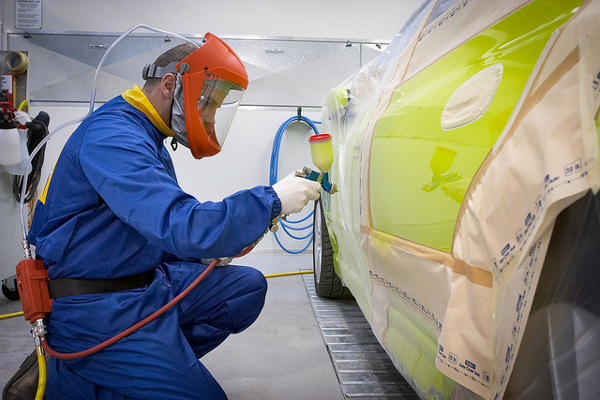
It is said that “boxer engines” get their name from the way that the pistons move. The pistons move horizontally, in an opposing, side-to-side manner sort of like two boxers punching at each other. Over the years, this unique design has been used from everything from Volkswagons, Porsches to Subarus and BMW motorcycles. Boxer engines are an elegant engine design and offer natural advantages for automotive design engineers. Let’s take a closer look at these unique engines.
Engine balance
It’s all a matter of physics. When you get pistons, rods and crankshafts spinning away in an internal combustion engine, you get a lot of vibration. With standard V-shaped engines, these vibrations can be difficult to remove because there is no natural way to cancel them out. What design engineers do with V-engines is build opposing “counterbalances” on the crankshaft and other parts. It’s a less than optimum design technique but it does work.
With boxer-type engines, however, it’s easier. The opposing pistons balance the internal engine motions out due to the opposing movements of the pistons and crankshaft. When one piston is heading toward Top Dead Center (TDC), an opposing piston is rushing to the Bottom Dead Center (BDC) of its stroke and the result is that the two forces cancel out each other out and the engine essentially runs vibration free.
Just for the record, it should be noted that there are other engine designs that naturally cancel out internal vibrations. The straight six, the straight eight, the V12 and the V16 engine types all can be designed for natural counterbalance. None of them, however, lie down flat like a boxer engine does.
It started long ago
The commercialization of the boxer design started in 1896 when Karl Benz developed the first internal combustion engine with horizontally opposed pistons. He called it the Kontra engine because the action of the opposing sides of pistons cancelled out engine vibrations. (Kontra in German means “against”). Various cars have used boxer-type engines over the years. Perhaps one of the earliest and most prolific uses was on the VW air cooled flat four, which became the standard engine of the Volkswagen Beetle and remained in production for almost 70 years before being discontinued. Porsche has long utilized boxer-style engines in their 911 and succeeding model variants.
Today the largest manufacturer using a boxer engine design is Subaru. Subaru has been using boxers for over 45 years now and uses them in all their models today. You could say that the boxer engine is part of the Subaru DNA.
Ultra-low center of gravity
A horizontally-designed engine can sit low in the engine bay because it simply isn’t as tall as other upright engines. This directly contributes to a vehicle’s low center of gravity since the center of gravity on an opposed engine is much lower to the ground compared to an in-line or V design. This allows for far better lateral acceleration when driving. In addition, the benefits to handling are enormous. Better turning/cornering capability, decreased roll, and better grip of the roadway all come natural to the flat engine.
Engine accident dismount
In the unfortunate event of a front end collision, a boxer engine can easily be designed to “dive” under the passenger compartment. Consider how safe that scenario is compared to a bulkier, V-type engine design that cannot be easily designed to dive under a vehicle. In a bad collision with a large V-6 or V-8, the engine will be pushed into the engine compartment causing considerable injury.
 The concept of the airbag, a soft pillow to land against during a crash, had been around for many years before anyone thought of using them in cars. In fact, the first patent on an inflatable crash-landing device for aircraft was actually filed during World War II. None were made during the conflict and it wasn’t until the 1980s that the technology migrated into the automotive industry.
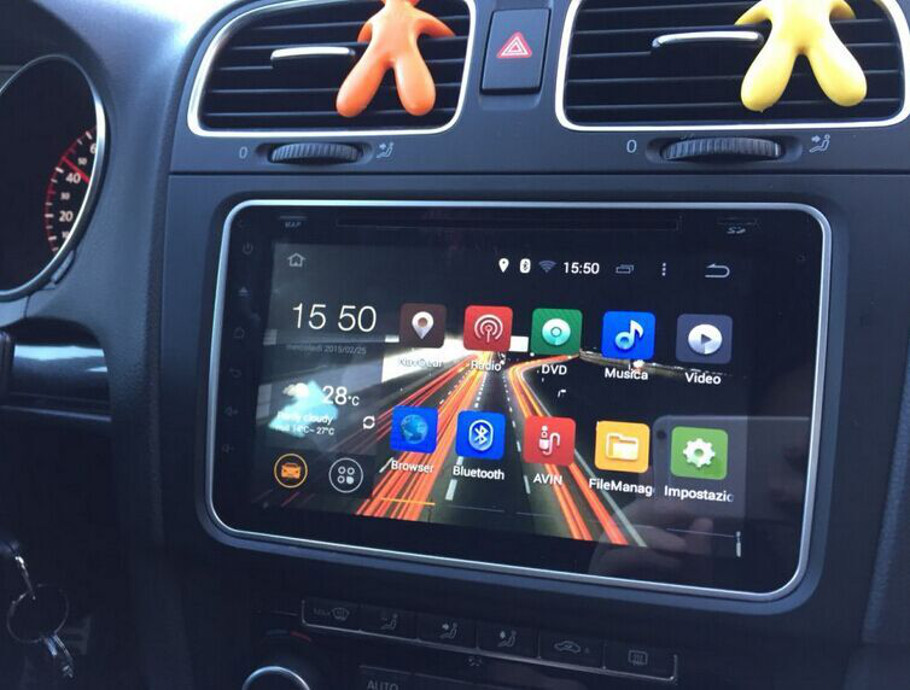 It’s often called a radio, but a “head unit” is a perhaps a better term for this audio component since it is the brains and command center for a car’s sound system. The head unit is usually located on the dash and allows you to choose things like: what station to listen to, the music volume, what song you wish to hear – along with many other functions. Here’s an in-depth look at the various elements that make up today’s automotive head units.
 If you are installing a high-end sound system in your car, you are likely considering the purchase of a separate power amplifier. Factory sound systems do have built-in audio amplifiers but they may not satisfy the needs of enthusiasts with a desire for powerful sound – that’s when separate power amplifiers come into play.
 It can be one of the most annoying things to deal with, a car battery that goes dead at random times – you never know when it will leave you stranded. And not only is that annoying, this problem can be difficult to troubleshoot too. The problem is sometimes the root cause is a bad battery, sometimes it’s the alternator, and other times it’s the car’s wiring. Frankly, in most cases you want a professional mechanic to troubleshoot this sort of thing, but here’s a few things that will help you understand the situation.


 The choice of the style of car or truck you drive is usually quite personal. Some people prefer sporty cars, some need to haul families, some need trucks, and others opt for giant hot dogs. This article concerns the last group.