Blog

  • Redefining Executive Presence: The Renegade Design Body Kit for Mercedes-Benz S63 W223

    The Mercedes-Benz S-Class has long been the undisputed benchmark for luxury sedans, a symbol of arrived success. Yet, for the discerning driver who views arrival not as a destination but a continuous statement, the stock S63 W223, powerful as it is, can feel like a starting point. Enter Renegade Design and its transformative body kit, a masterclass in elevating automotive aristocracy to sovereign levels.

    Beyond Luxury, Into Legacy

    Renegade Design approaches the S63 not as a car to be modified, but as a canvas for curated aggression. Their philosophy rejects overt garishness in favor of calculated, muscular refinement. The kit for the W223 generation is a symphony of added purpose. It artfully widens the sedan’s stance, implanting a more planted, authoritative posture that communicates motion even at a standstill. The redesigned front apron, often featuring larger intakes and integrated splitters, does more than just cool the mighty V8; it visually lowers the car’s center of gravity, hinting at the latent performance within its luxurious shell.

    The Art of Cohesive Aggression

    The magic of this transformation lies in its holistic execution. Renegade Design ensures that new side skirts flow seamlessly into pronounced rear wheel arches, creating a taut, athletic profile. The rear diffuser, typically finished in carbon fiber, integrates perfectly with the car’s original lines, framing the quad exhausts and suggesting serious aerodynamic intent. This isn’t about adding parts; it’s about re-sculpting the S63’s character. The result is a sedan that loses none of its executive elegance but gains a palpable, road-commanding presence. It becomes unmistakably unique, a bespoke suit of armor for the modern mogul.

    A Statement of Individual Sovereignty

    Ultimately, the Renegade Design body kit for the Mercedes-Benz S63 W223 answers a question few dare to ask: “What comes after perfection?” It provides an answer for the auto enthusiast who demands that their flagship sedan reflect not just their wealth, but their distinct taste and unwillingness to blend in. It transforms the S63 from the best car in the boardroom parking lot into a rolling sculpture of personalized power—a definitive statement that true luxury is, and always will be, defined by individuality.

  • Why Watercraft Adventures Are the New Weekend Obsession

    why-watercraft-adventures-are-the-new-weekend-obsession

    There’s something magical about gliding across water, like feeling the spray, hearing the engine hum, and watching the world slip by in balance and motion. In recent years, watercraft adventures have shifted from a niche hobby to a mainstream weekend obsession. Whether it’s exploring hidden coves, racing across open lakes, or simply drifting in calm waters, these experiences offer something uniquely thrilling. Here’s why more people are turning to watercraft as their go-to weekend escape.

    The Allure of Freedom and Escape

    Weekends are precious pockets of time. Many people want to break free from screens, schedules, and the usual routines. Watercraft adventures offer a portal to entirely different surroundings, and a chance to move through nature, feel open space, and let the ordinary fade away. You’re not just traveling from A to B; you’re literally skimming over the elements, opening up possibilities for spontaneous exploration.

    Versatility for Every Kind of Explorer

    One of the reasons watercraft adventures are booming is how many styles they support:

    • High-adrenaline riders push speed, tackle waves, and carve sharp turns.
    • Casual adventurers drift slowly, take in the scenery, swim, or stop at shoreline spots.
    • Family outings often include multi-seat personal watercraft that allow shared experiences on the water.
    • Fishing and touring models let people combine exploration with utility.

    This flexibility means whether you’re an experienced boater or a weekend newbie, there’s a watercraft match for your mood and skill level.

    Tech, Comfort & Accessibility Drive Growth

    Advances in marine technology have made personal watercraft safer, easier to use, and more enjoyable. Features like stability control, digital dashboards, better hull designs, and even smartphone-enabled navigation all contribute to making watercraft more accessible. As entry costs and learning curves come down, a broader range of people feel confident taking to the water.

    Maintenance, fueling, and storage are also becoming more user friendly. Many marinas and rental services now offer turnkey setups, making it easier to grab your gear and go.


    Community, Events & Shared Passion

    The rise of watercraft as a weekend staple is also shaped by community energy. Local clubs, race days, meetups, and adventure groups invite camaraderie. Stories of hidden waterways, favorite launch spots, and trip recommendations get swapped, and that social connection is addictive. People share photos, organize group outings, and use social media to showcase their best rides.

    Why the Temecula Area Is Seeing a Surge

    In regions with lakes, rivers, or accessible waterways, watercraft adventures are especially popular. For instance, SeaDoo Temecula enthusiasts have more options than ever. Whether someone is looking to own a craft or rent one for the day, the community here is thriving. For those shopping or upgrading, check out Serving Temecula Sea-Doo riders to explore the latest models available in your area.

    From Weekend Diversions to Lifestyle

    What begins as a weekend escape often evolves. Many seasoned watercraft owners develop signature routes, reliability hacks, favorite stops, and even water-based rituals. The boundary between hobby and lifestyle blurs. Weekday tasks wait, and the weekend forecast becomes the most anticipated email.


    Watercraft adventures combine speed, exploration, sensory engagement, and freedom in ways few other hobbies can. They offer escape and adrenaline, connection and solitude. No matter your style, the water is calling, and more people are listening each weekend.

    Image Source: Google Images

  • What Every Buyer Should Know Before Visiting a Dealership

    what-every-buyer-should-know-before-visiting-a-dealership

    Whether you’re buying a new or used vehicle, it’s a significant investment, and approaching the process prepared can save you both time and money. Dealerships offer a wide range of options, financing plans, and promotions, but buyers often make the mistake of walking in without a clear plan. To ensure a smooth and informed experience, here are some essential points every buyer should know before visiting a dealership.

    Research is Key

    Before stepping onto the lot, it is crucial to do your homework. Determine what type of vehicle suits your needs, whether it is a sedan for commuting, an SUV for family trips, or a truck for heavy-duty work. Online research allows you to compare models, read reviews, and understand common issues or maintenance concerns. Additionally, knowing the average market price for the vehicles you are considering helps you avoid overpaying.

    For buyers specifically looking for trucks, it is wise to explore listings beforehand. For example, searching for used trucks for sale Wichita can lead you to reliable dealerships offering a variety of options. One excellent place is used trucks for sale in Wichita KS, where you can view available inventory and get a sense of pricing before visiting in person.

    Understand Financing Options

    Many buyers focus solely on the price of the vehicle and overlook financing details. Dealerships typically offer multiple financing options, including loans and leases, with varying interest rates depending on your credit score. It is advisable to get pre-approved for a loan through your bank or credit union. This approach gives you a benchmark for interest rates and allows for more leverage when negotiating with the dealership. Knowing your budget and monthly payment comfort level prevents overspending and ensures a more realistic buying experience.

    Know the Vehicle History

    For used vehicles, understanding the car’s history is crucial. Vehicle history reports provide information about previous accidents, title status, service records, and mileage consistency. Many dealerships offer free access to these reports, but it is wise to verify details through independent services like Carfax or AutoCheck. A clear understanding of a vehicle’s past can prevent costly repairs and help you make a more confident decision.

    Inspect and Test Drive

    A physical inspection and test drive are non-negotiable steps. Look for signs of wear, rust, or damage, and ensure that all electronics, brakes, lights, and safety features function properly. During the test drive, pay attention to handling, braking, acceleration, and comfort. If possible, bring along someone knowledgeable about vehicles to provide an additional perspective. Even minor issues can indicate underlying problems, making this step essential for used vehicle purchases.

    Be Prepared to Negotiate

    Negotiation is a standard part of buying a vehicle. Dealerships expect buyers to haggle, and knowing your research allows you to make informed offers. Be confident but polite, and avoid revealing your maximum budget too early. If the dealership cannot meet your terms, be prepared to walk away. Often, this strategy results in a better deal or additional incentives.

    Review All Paperwork Carefully

    Finally, before signing any contracts, review all paperwork meticulously. Ensure that financing terms, warranties, and any additional fees are clearly outlined. Mistakes or unclear terms can lead to frustration and unexpected expenses later on.

    Image Source: Google Images


  • Top Maintenance Tips to Keep Your Vehicle Running Longer

    top-maintenance-tips-to-keep-your-vehicle-running-longer

    Keeping your car in great shape takes more than a few washes and occasional gas top-ups. For California drivers, it’s even more important to stay on top of vehicle care. With stop-and-go traffic, long commutes, and extreme heat in some areas, cars face wear sooner than you might expect. Whether you’re navigating packed freeways in Los Angeles or taking winding roads through the Bay Area, your vehicle works harder than you think.

    The good news is that regular maintenance can make a big difference. It helps your car stay reliable, perform better, and avoid unexpected repairs. Some drivers wait until something goes wrong before taking action, but that usually leads to bigger bills. Staying ahead with simple checks and timely service can help your car last longer and save you stress in the long run.

    Pay Attention to Regular Servicing

    Routine servicing keeps your car running smoothly and safely. That means oil changes, fluid checks, and regular inspections. In California, hot summers, long freeway drives, and stop-and-go traffic can wear down engines faster than in other places. These conditions put more stress on key components like the radiator, brakes, and air conditioning system.

    If you skip basic maintenance, small problems can turn into costly repairs. Worse, poor upkeep increases the chances of a breakdown, which is something no one wants during a long commute on the 405 or a road trip up the Pacific Coast Highway.

    Along with repair costs, there’s another reason to stay on top of service. When a poorly maintained vehicle breaks down or causes an accident, it can lead to higher premiums. Vehicle condition and claim history both factor into rates, which can affect the California car insurance cost for drivers over time, even if they have a clean record otherwise.

    To keep things simple, create a log of your last oil change, brake check, or fluid replacement. Your owner’s manual offers timelines based on mileage and age. Following those can help you avoid major repairs and keep the car running better and longer.

    Rotate and Check Your Tires

    Tires are easy to overlook, but they play a big role in how your car handles and stops. Regular tire rotation—usually every 5,000 to 7,500 miles—helps them wear evenly. Uneven tread can make driving less smooth and reduce tire lifespan.

    Tire pressure is another thing worth checking monthly. It affects gas mileage, grip, and safety. When tires are underinflated, they wear out faster and can overheat, especially on hot highways. You’ll find the recommended pressure listed inside the driver’s door.

    It also helps to check for visible damage. Nails, cracks, or bulges could signal the need for repair or replacement. If your steering feels off or the car pulls to one side, your alignment might be out of place.

    You don’t need expensive tools to do these checks. A basic tire pressure gauge and a penny for checking tread depth can tell you a lot. Keeping your tires in good shape supports better control and a smoother ride every time you’re on the road.

    Keep the Battery in Good Shape

    Car batteries don’t last forever, and heat can shorten their life even more. High temperatures speed up internal wear and cause fluid inside the battery to evaporate.

    Most batteries last around three to five years. If yours is getting close to that age, it’s smart to start checking it regularly. Signs of trouble include a slow engine crank, dim headlights, or needing to press the gas pedal to get the car started.

    You don’t need to be an expert to spot potential issues. Look under the hood every now and then. If you see white or blue powder on the terminals, that’s corrosion. You can clean it using a mix of baking soda and water with a toothbrush. Just make sure the engine is off and the battery is cool before starting.

    Some auto parts stores offer free battery testing. It’s quick and can save you from a surprise failure.

    Watch Your Brakes and Suspension

    Brakes are easy to take for granted until they start making noise. Brake pads wear down over time, and if ignored too long, they can damage the rotors. That means a bigger repair bill and more time in the shop.

    If you hear squeaking, grinding, or feel vibrations when braking, it’s time to get them checked. Frequent city driving wears pads faster due to constant stop-and-go traffic.

    Your suspension also matters. If the ride feels rougher than usual or the car leans to one side, something might be off. Potholes, curbs, and uneven roads can knock things out of place. A mechanic can check the shocks, struts, and alignment to keep your vehicle stable and smooth.

    Replace Filters on Time

    Filters might seem small, but they play a big part in how your car runs. The engine air filter keeps dirt and dust out of the engine. A dirty filter can lower fuel efficiency and affect how well your car accelerates.

    The cabin air filter, on the other hand, helps keep the air inside your car clean. If you’re driving in high-smog areas or near wildfires, that filter can clog faster than usual. Replacing it once or twice a year keeps your vents blowing clean, healthy air.

    Most filters are easy to access and don’t require tools. You can find guides online or ask a technician during a regular service.

    Don’t Ignore the Dashboard Lights

    Those little warning lights on your dashboard aren’t just suggestions. They’re your car’s way of telling you something’s wrong. Whether it’s a check engine light, low oil pressure, or battery alert, it’s important to take them seriously.

    You can use a basic OBD2 scanner to get a quick read on what’s going on. These devices are cheap and plug in under your dashboard. If the problem seems serious or you’re not sure what to do, visit a shop for help.

    Waiting too long can turn a small issue into something more expensive or dangerous.

    Store and Clean Your Car Properly

    Where you park your car affects how long it stays in good condition. Try to park in a garage or a shaded area. Sunlight can fade paint, crack the dashboard, and weaken rubber seals over time.

    Regular washing removes grime, pollen, and road salt, especially near coastal areas. A good wax job every few months adds another layer of protection. Inside, vacuuming carpets and wiping down surfaces helps slow down wear.

    Simple habits like these can keep your car looking better and feeling fresher over the years.

    Good maintenance doesn’t need to be complicated. By checking on your car regularly and dealing with small issues early, you can avoid bigger headaches later. The time you spend on upkeep now can help your car stay reliable for years. Whether you’re commuting every day or just running errands, a well-cared-for vehicle makes the drive a lot easier.


  • What Makes a Used Car Worth Buying?

    what-makes-a-used-car-worth-buying

    The used car market can be feel more confusing than ever. With its fair share of lemons, hidden gems, and a plethora of opinions on what’s worth buying. When talking about pre-owned vehicles, you might wonder what separates a worthy investment from a headache. With flashier, newer models constantly vying for our attention, it’s sometimes easy to overlook the infinite possibilities found in owning a well-preserved classic. Consider these guiding checkpoints when sifting through used car listings and showrooms.

    The Perks of a Used Car

    Firstly, let’s address an undeniable fact: used cars can save you loads of cash. Buying one might feel like the smarter financial move, avoiding the monstrous depreciation that slashes a new car’s value once it leaves the lot. Why chase brand new when you could have a winner at half the price?

    Moreover, the ongoing expenses associated with a used car tend to be lighter, often due to lower insurance premiums. New car insurance rates typically soar higher because of the vehicle’s current market value, but opting for a used car might mean paying significantly less. This difference can free up a good chunk of change over time.

    Insist on a Test Drive

    No playlist in the world can make up for the tranquility of a smooth ride. Feel every turn, gauge the suspension, and listen to the engine’s steady hum. RX any clanks or screeches. Rattle through city streets or weave through highway traffic; the test drive is a moment of truth. Anything less than silky smooth should warrant a second thought.

    Reliability Over Novelty

    Why should technology bells and whistles cloud your judgment? Recent years proved that reliability trumps flashy designs. A trustworthy used car can go for endless miles with low maintenance costs, if chosen well. Good carmakers have consistently produced reliable models that age like fine wine. So, make reliability part of your non-negotiables.

    Additionally, older models often boast simpler mechanical structures, which means they might be easier and less costly to repair. Cars with complicated electronics can pose challenges when issues arise, but a solid, straightforward engine and system design can keep away exorbitant repair bills. It’s a win for those who value practicality over frill.

    If you are specifically exploring options in or around Decorah, Iowa, you might find a promising selection among used Chevys near Decorah Iowa. These vehicles balance price and performance, serving as an attractive candidate for any prospective buyer.

    Check the Reviews, Trust Your Instincts

    Online reviews are one of our era’s blessings, providing endless information about a model’s performance over time. A car might sparkle under showroom lights, but if drivers assert its propensity for breakdowns, maybe you should second-guess. Filter honest feedback from the embellishments and gather consensus so your journey doesn’t end with buyer’s remorse.

    Remember, your instincts play an invaluable role in this process, too. Use reviews as a supportive tool rather than an ultimate decider. Your gut feelings about the car’s comfort and your lasting impression during the test drive are just as important. Give yourself the space to weigh these elements alongside factual evidence.

    Historical Records Matter

    A good pre-owned choice will have a transparent and positive history. Service history logs, accident reports, title check, and even previous ownership tales give vital clues about the life your potential purchase has lived. A car that’s been regularly attended to or accurately maintained should pique more interest than one with mysterious blanks in its past.

    In particular, former fleet or rental cars might have the advantage of thorough maintenance. Although they might exhibit slightly higher mileage, these cars benefit from rigorous servicing schedules. Such consistency often makes them a reliable choice, despite preconceived notions regarding their prior usage.

    Ownership Costs and Affordability

    Remember: buying doesn’t end at purchase. Consider fuel efficiency, insurance costs, parts availability, and potential repair costs down the line. Look at the bigger picture – owning a car means factoring in all related expenses over the long haul.

    Mind the Mileage

    Mileage plays a key role in used car evaluations. A decent rule of thumb: lower mileage usually means decreased wear and tear. But don’t let these figures dictate your decision entirely. Context is key, especially if you spot a high-mileage gem with a comprehensive service record. A kind owner who cared meticulously for their vehicle might have clocked thousands of miles, but that doesn’t sideline a car’s value.

    Certification: Worth the Hype?

    Certified pre-owned vehicles seemingly offer a gold standard, but not all certification programs guarantee top-tier quality. Research warranties closely. While one dealer’s certification can provide peace of mind, too much reliance on labels can be blinding.

    Conclusively, a used car doesn’t merely offer a more affordable option; it offers lessons in making informed decisions and valuing what matters most, reliability, history, and cost efficiency. While glossy brochures and sales pitches can be compelling, remember that a solid used vehicle can become one’s chariots of independence, adventures, and everyday journeys without burning a hole in your pocket.

  • How to Create the Best Estimates So Auto Repair Customers Say Yes More Often

    how-to-create-the-best-estimates-so-auto-repair-customers-say-yes-more-often

    Let’s be honest, getting customers to say yes isn’t always easy.

    You’ve done the inspection. You know the fix. But when the time comes to get the estimate approved? That’s where things often go quiet. Customers often nitpick and question charges they don’t understand, which leads to friction and sometimes refusal to pay.

    The modern auto repair world is dynamic. Repair estimates are now much more than just a number. It’s your pitch. It’s where trust is built (or lost) and where most sales are won.

    But the best shops know – a clean, transparent, and smart estimate doesn’t just improve approval rates. It’s the recipe for a better and improved customer experience.

    Rest assured, you do not have to overhaul every single thing. You just have to make some meaningful tweaks. You just have to be a bit sharper and elegant with your presentation.

    In this guide, we’ll break down the small tweaks that make a big difference, so your customers hit “approve” more often, and you keep those bays full.

    1.Speak in Plain English, Not Tech-Speak

    An underrated but meaningful aspect.

    Tech talk has its place in the back shop, not in your customer’s eyes.

    If you want to bond with your customers, technical jargon is not the way to do it.

    Replace jargon like “throttle body alignment” with “smooth performance for your throttle.” Instead of endlessly listing labor codes, say “2 hours labor for clutch kit replacement.”

    This will help you build a system where the customers will understand what you are offering.

    Clear language builds confidence and reduces questions.

    2.   Show the Customer What You See

    You might notice a frayed belt or oil leak. But customers won’t, unless you show them.

    That is when a diagnostic or vehicle inspection report comes in handy. You can include photos and videos to show customers what is really wrong with their vehicles.

    A simple snapshot of the wear you’re fixing makes your estimate feel real. Techs can add captions, which help the customer connect the visual with the service.

    Seeing is believing. And offering transparency to customers is important for every auto repair business.

    3.Turn Estimates Into Invoices, Instantly

    Nobody wants to wait at the end.

    Especially when you are running an auto repair shop, your customers are always in a hurry, and they detest waiting.

    Use auto repair estimates software that generates clear and precise estimates that leave no room for confusion. With this software, you can seamlessly include labor, parts, and tax into the invoice as well. You can send the quote directly to the customer via text or email, so they don’t even need to visit the shop.

    It feels clean and professional. There’s no waiting in the queue. Customers see it all. And approvals become payments faster.

    4.Provide Options with Tiered Services

    Customers like choices. They want options. They do not want rigid and inflexible services.

    Persuade them with a sense of urgency while presenting them with various options.

    Include options like:

    • Essential Repair: Basic fix to make it safe.
    • Recommended Maintenance: Higher-quality parts or full systems.
    • Premium Protection: Long-term, high-value solution.

    Label them clearly. Let customers decide.

    This way, you won’t have to force an upsell. But the customer can make informed and responsible decisions.

    5.Break It Down Clearly

    Complex and convoluted estimate layouts make your customers.

    Design your estimate layout like this:

    • Customer info and vehicle details at the top
    • Clear service description
    • Labor cost, parts cost, sub-totals
    • Tax and total at the bottom

    Use tables or clean bullet points. Emphasize transparency.

    When they see how their money is allocated, they feel respected.

    6.Highlight Urgency—Without Panic

    Be vocal about something that’s safety-critical. Keep calm and inform your customers responsibly.

    Paint a clear picture. Educate them thoroughly about the pros and cons of car maintenance and related services.

    Be persuasive. Say something like:

    “This part shows excessive wear. It’s safe now, but could fail in 2–3K miles.”

    You’re informing, not scaring. And honest timelines let them decide today. This way you can fill your bay and the customer can avoid any future breakdown.

    A true, win-win.

    7.Package with Customer Value in Mind

    Another great way of boosting estimates is to make their presentation not only necessary but highly lucrative.

    Consider bundling:

    • Oil + filter + multipoint check
    • AC service + cabin filter
    • Tire rotation + brake inspection

    Bundle deals and packages make sense to customers

    They look like savings. They feel premium. And they boost your average ticket value.

    What the Best Shops Are Doing in 2025


    Need some more push? Here is what the market is gravitating towards in 2025.

    • 70% of shops now offer digital estimates with visuals.
    • Shops using tiered option quotes typically see a 10–15% boost in average ticket.
    • Follow-up reminders can lift approval rates by 25%.
    • Instant invoicing tools reduce checkout friction and improve return visits.

    These stats aren’t fancy, they’re essential.

    Wrapping It Up

    Your estimates are more than numbers. They’re trust-building tools. They’re projections. They’re first impressions.

    When your estimates are clear, visual, fast, and actionable, the chances of customers saying yes increase drastically. And when you use smart tools to support that, you gain speed, efficiency, and better conversion rates.

    Start slow, and stay steady.

    Image Source: Google Images

  • 4 Tips to Keep Your Taxi Fleet on the Road Year Round

    4-tips-to-keep-your-taxi-fleet-on-the-road-year-round

    Running a taxi business comes with its fair share of challenges. One of the biggest is keeping every vehicle on the road. If taxis are kept off the road, this is going to cause everything from unhappy passengers to lost revenue.

    The issue: running a reliable taxi fleet takes constant attention.

    Harsh winter months, increased summer demand, and the wear and tear of daily city driving – all can hit those reliability efforts. To prevent issues as much as possible, here are four practical ways to keep your vehicles running smoothly through every season.

    Tip #1: Prioritise Preventive Maintenance

    Reactive repairs – aka those that need to be done ASAP – are expensive. Preventive maintenance, on the other hand, can stop small problems from developing into major issues. That’s why implementing a regular service schedule for the likes of oil changes and tyres helps keep your fleet in good health year-round.

    You should also take seasonal needs into account. For example, in winter, it’s wise to inspect battery health and switch to winter tyres. For the summer, you should monitor coolant levels and air conditioning systems.

    Another recommendation: encourage drivers to report dashboard warnings and vehicle noises early. After all, a quick fix today could save you a full breakdown tomorrow.

    Tip #2: Use Telematics to Spot Trouble Early

    It’s easy to think telematics is only about tracking vehicle location. However, that’s certainly not the case. It also supplies vital data about how your vehicles are performing. Engine diagnostics, idling time, and even tyre pressure alerts can support you in identifying when a vehicle might be due for a check-up.

    A company like Radius offers fleet telematics solutions that allow you to:

    • Monitor vehicle health in real time
    • Schedule servicing based on mileage rather than guesswork
    • Get alerts for fault codes before they become serious

    This insight reduces breakdowns and lowers repair costs. Importantly, it also keeps more vehicles on the road where they belong.

    Tip #3: Train Drivers to Protect the Vehicles

    Drivers play a direct role in vehicle wear and tear. Aside from impacting fuel economy, it can be easy to overlook how the likes of harsh braking and excessive idling can accelerate mechanical issues. A well-trained driver avoids such issues and extends the life of your vehicle.

    In terms of training, consider offering seasonal driver refreshers. You can discuss the likes of wet weather braking techniques and how to handle snow, fog, and extreme heat. Pairing this with performance feedback from telematics data encourages both accountability and safer driving habits.

    Tip #4: Have a Contingency Plan for Downtime

    From time to time, even the best-maintained fleet will face unexpected issues. The key is being prepared when that happens. Here’s how you can stay ahead:

    • Partner with a reliable garage for priority repair turnaround.
    • Use tracking tools to quickly reroute nearby drivers to cover missed jobs.
    • Stay connected with mobile and broadband services so dispatchers can react instantly.
    • If budget allows, keep a small reserve fleet to cover emergencies.

    By putting backup systems in place, you reduce disruption to service. This keeps customers satisfied, even when things go wrong behind the scenes.


  • The Hidden Costs of a DUI for High-End Car Owners

    the-hidden-costs-of-a-dui-for-high-end-car-owners

    When you drive a luxury vehicle, you’ve invested significantly in quality, performance, and prestige. However, a DUI conviction can create financial consequences that extend far beyond the standard penalties most drivers face. High-end car owners often discover that their expensive vehicles amplify the costs of a DUI in ways they never anticipated.

    Enhanced Legal Defense Costs

    High-end car owners typically have more at stake financially and professionally, making aggressive legal defense crucial. While a standard DUI defense might cost $5,000 to $10,000, luxury car owners often invest significantly more in their legal representation. Expert witnesses, accident reconstruction specialists, and comprehensive legal strategies can easily push defense costs into the $20,000 to $50,000 range.

    The complexity of defending against DUI charges while protecting valuable assets and professional standing requires experienced legal counsel. A Scottsdale DUI lawyer at the Law Offices of Aaron M. Black understands the unique challenges facing high-net-worth individuals and can provide the sophisticated defense strategy necessary to protect both legal interests and financial assets.

    Luxury car owners may also need to consider civil liability issues, particularly if their expensive vehicle was involved in an accident. The higher value of the vehicle can increase potential civil damages, making comprehensive legal representation even more critical.

    The Premium Insurance Nightmare

    Insurance companies view DUI convictions as a red flag, but when you own a high-value vehicle, the impact becomes exponentially worse. Standard car owners might see their premiums double or triple after a DUI, but luxury car owners often face increases of 400% or more. The combination of high vehicle value and impaired driving history creates a perfect storm for insurance companies.

    Your premium Ferrari, Lamborghini, or high-end BMW that once cost $300 per month to insure could suddenly require $1,500 monthly payments. Some insurance companies may refuse to cover luxury vehicles for drivers with DUI convictions altogether, forcing owners into high-risk insurance pools where coverage is both expensive and limited.

    The situation becomes even more complex when considering comprehensive and collision coverage on vehicles worth $100,000 or more. Insurance companies calculate risk based on replacement costs, and when that risk is compounded by a DUI conviction, the financial burden can become overwhelming.

    Vehicle Impoundment and Storage Costs

    High-end vehicles face unique challenges during the impoundment process following a DUI arrest. Standard impound lots charge daily storage fees, but luxury cars often require specialized storage facilities with climate control and enhanced security measures. These premium storage solutions can cost $100 to $200 per day, compared to $20 to $50 for standard vehicles.

    The impoundment period can extend for weeks or even months, depending on the legal proceedings and administrative requirements. During this time, your expensive vehicle sits accumulating storage fees while also being exposed to potential damage from inexperienced handlers or inadequate facilities. Many luxury car owners discover that impound lot operators lack the expertise to properly handle high-performance vehicles, leading to additional repair costs.

    Furthermore, retrieving an impounded luxury vehicle often requires special equipment or flatbed towing services, adding hundreds of dollars to the recovery process. The delicate nature of many high-end vehicles means they cannot be towed using standard methods without risking significant damage.

    Professional and Social Reputation Damage

    Luxury car ownership often correlates with high-profile careers and social positions where reputation matters significantly. A DUI conviction can have far-reaching consequences that extend well beyond legal penalties. Business executives, medical professionals, attorneys, and other high-earning individuals may face professional licensing issues, partnership problems, or client confidence concerns.

    The financial impact of reputation damage can be substantial. Lost business opportunities, damaged professional relationships, and the need for reputation management services can cost tens of thousands of dollars. Some luxury car owners find themselves needing to hire public relations firms or reputation management companies to mitigate the professional fallout from their DUI conviction.

    Additionally, the social stigma associated with a DUI can affect networking opportunities, club memberships, and social standing within affluent communities. These intangible costs can have long-term financial implications that are difficult to quantify but impossible to ignore.

    Asset Protection Concerns

    High-end car owners often have significant assets to protect, making the civil liability aspects of a DUI particularly concerning. If the DUI incident involved an accident, the expensive vehicle itself can become evidence of the owner’s financial capacity to pay damages. Plaintiffs’ attorneys often view luxury car ownership as an indicator of deep pockets, leading to higher settlement demands and more aggressive litigation strategies.

    The potential for asset seizure or liens against valuable property adds another layer of financial risk. Luxury car owners may need to implement asset protection strategies that can cost thousands of dollars in legal and financial planning fees.

    Long-Term Financial Planning Implications

    The financial consequences of a DUI for luxury car owners extend well beyond immediate penalties and costs. Future vehicle purchases may be affected by insurance considerations, with some high-end manufacturers requiring proof of insurability before completing sales. Financing options for expensive vehicles may also be limited for individuals with DUI convictions on their records.

    Leasing luxury vehicles becomes more complicated and expensive when insurance costs are factored into the equation. Many luxury car lessors require specific insurance coverage levels that become prohibitively expensive for drivers with DUI convictions.

    The Technology Factor

    Modern luxury vehicles often include advanced technology systems that can complicate DUI cases. Many high-end cars have sophisticated data recording systems that can provide evidence about driving patterns, speed, and vehicle performance leading up to an arrest. This technology can be both beneficial and detrimental to a defense strategy, requiring specialized legal expertise to properly address.

    Conclusion

    The hidden costs of a DUI for high-end car owners create a complex web of financial consequences that can persist for years. From dramatically increased insurance premiums to professional reputation damage, the true cost of a DUI conviction extends far beyond court fines and legal fees. Understanding these potential consequences emphasizes the importance of both prevention and, when necessary, aggressive legal defense to minimize the long-term financial impact of DUI charges.

    Image Source: Google Images

  • What Is the GM SUV and Truck Recall About?

    gm-suv-truck-recall-explained

    The Core Issue: Engine Failure Risk

    The recall targets vehicles equipped with the 6.2L V8 L87 gasoline engine, which may contain defective connecting rods or crankshaft components. These parts are critical to engine function, and flaws can lead to:

    • Engine knocking or banging
    • Sudden loss of propulsion
    • Check engine light activation
    • Abnormal shifting or high RPMs
    • Complete engine failure

    According to GM and the National Highway Traffic Safety Administration (NHTSA), these issues can increase the risk of a crash.

    Which Models Are Affected?

    The recall spans model years 2021 through 2024 and includes the following vehicles:

    Cadillac

    • Escalade
    • Escalade ESV

    Chevrolet

    • Silverado 1500
    • Suburban
    • Tahoe

    GMC

    • Sierra 1500
    • Yukon
    • Yukon XL

    In total, the recall affects:

    • 126,027 Cadillacs
    • 174,208 Chevrolets
    • 297,395 GMCs

    Why This Recall Matters for Used Vehicle Buyers

    1. Safety Concerns

    Engine failure while driving can be dangerous. If you’re buying a used GM SUV or truck, you need to ensure the vehicle has been inspected and repaired if necessary.

    2. Resale Value

    Vehicles with unresolved recalls may have diminished resale value. Buyers should factor this into negotiations.

    3. Warranty and Repair Costs

    GM is offering free inspections and repairs for affected vehicles. In some cases, engines will be replaced entirely. Vehicles that pass inspection will receive an oil change with higher-viscosity oil and new filters

    How to Check If a Vehicle Is Affected

    Before purchasing a used GM SUV or truck, follow these steps:

    1. Get the VIN (Vehicle Identification Number) from the seller.
    2. Visit the NHTSA Recall Lookup Tool at nhtsa.gov/recalls.
    3. Enter the VIN to see if the vehicle is part of the recall.

    You can also contact:

    • Chevrolet Customer Service: 1-800-222-1020
    • GMC Customer Service: 1-800-462-8782
    • Cadillac Customer Service: 1-800-458-8006

    What Should Buyers Ask Sellers?

    When evaluating a used GM SUV or truck, ask these key questions:

    1. Has the vehicle been inspected for the recall?

    • Expected Answer: Yes, with documentation from a GM dealership.
    • Follow-up: Can I see the service records?

    2. Was the engine repaired or replaced?

    • Expected Answer: If the vehicle failed inspection, the engine should have been replaced.
    • Follow-up: Is there a warranty on the new engine?

    3. Are there any remaining recalls?

    • Expected Answer: No, if the vehicle is up to date.
    • Follow-up: Can you provide a recent recall report?

    What If You Already Own an Affected Vehicle?

    If your vehicle is among those recalled:

    1. Schedule an inspection at a GM dealership.
    2. Listen for warning signs like knocking or hesitation.
    3. Avoid long trips until the vehicle is cleared or repaired.

    GM has stated that vehicles passing inspection will receive extended warranty coverage on the engine

    Tips for Buying a Used GM SUV or Truck in 2025

    Do Your Homework

    Use the VIN to check for recalls, service history, and accident reports.

    Buy from Reputable Dealers

    Certified pre-owned (CPO) vehicles are more likely to have completed recall repairs.

    Request a Pre-Purchase Inspection

    Have a trusted mechanic inspect the vehicle, especially the engine.

    Negotiate Based on Recall Status

    If the vehicle hasn’t been inspected or repaired, use that as leverage in price negotiations.

    Other Common Questions Buyers Might Have

    Q: Will this recall affect insurance rates?

    A: Not directly, but unresolved recalls can impact claims if an accident is linked to the defect.

    Q: Can I still drive the vehicle if it’s under recall?

    A: Yes, but it’s not recommended until it’s inspected. Engine failure can occur without warning.

    Q: What if the seller refuses to provide recall documentation?

    A: Walk away. Transparency is key when buying a used vehicle.

    Conclusion

    The used GM SUV and Truck recall is a serious issue that affects some of the most popular full-size vehicles on the market. Whether you’re a current owner or a prospective buyer, staying informed is essential. By understanding the risks, checking recall status, and asking the right questions, you can make a safe and smart purchase.

    Image Source: Google Images

  • Audi Q6 e-tron offroad concept

    Audi is redefining electric off-road potential with its striking Q6 e-tron concept, a vehicle built to merge raw capability with emotional design. This prototype isn’t just about power—though its dual motors churn out 380 kW—it’s engineered to conquer extremes. A reimagined portal axle system, distinct from traditional designs, amplifies torque at the wheels by 50%, allowing the vehicle to scale gradients as steep as 45 degrees. To put that into perspective: while most off-roaders might tackle rugged trails, this concept crawls up near-vertical challenges with ease.

    The Q6’s bold stance comes from a 160 mm lift in ride height and a track widened by 250 mm, giving it an almost imposing presence. But beneath the rugged exterior lies Audi’s signature innovation. Engineers started with a simple question: How do you craft an electric vehicle that thrills? Their answer was a ground-up redesign of portal axles, integrated into both front and rear hubs. The result? A jaw-dropping 13,400 Nm of combined torque at the wheels—enough to redefine what “off-road performance” means, even for a brand synonymous with Vorsprung durch Technik (progress through engineering).

    Built on Audi’s Premium Platform Electric (PPE), the same foundation as the production Q6 e-tron, this concept doesn’t sacrifice efficiency for brawn. While its top speed is capped at 175 km/h—plenty for off-grid adventures—the focus remains on pushing boundaries. Later this decade, Audi plans to showcase the concept’s capabilities in action at events like the 2025 F.A.T. Ice Race, with teasers rolling out on their social channels. For now, it stands as a tantalizing glimpse into an electric future where adventure isn’t just possible—it’s electrified.

  • Exploring the 2025 Black Widow Lifted Trucks: Power Meets Style

    exploring-the-2025-black-widow-lifted-trucks-power-meets-style

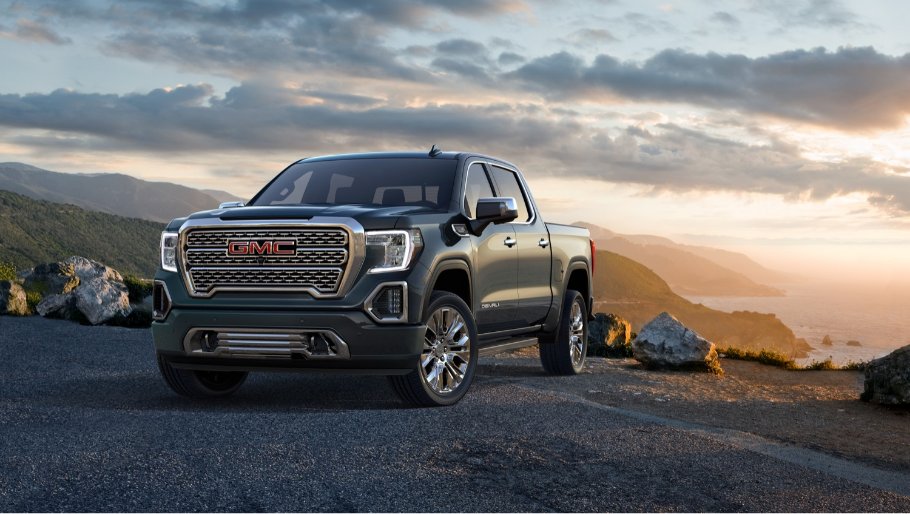
    The 2025 Black Widow Lifted Trucks redefine what it means to own a pickup, delivering bold aesthetics, unrivaled power, and modern comfort. Designed for off-road enthusiasts and city drivers alike, these trucks set a new standard in versatility and performance.

    A Bold Look That Commands Attention

    The 2025 Black Widow trucks are built to turn heads, with standout features like:

    • Aggressive Lift Kits: A 6-inch lift elevates your ride, offering superior ground clearance and a dominant stance.
    • Oversized Wheels and Tires: 22-inch alloy wheels paired with 35-inch all-terrain tires ensure both rugged capability and refined styling.
    • Custom Exterior Details: Fender flares, signature Black Widow badging, and LED lighting make these trucks unmistakable on the road or trail.
    • Dynamic Color Options: From Stealth Black to Metallic Red, the palette is as bold as the trucks themselves.

    Interior Comfort Redefined

    Inside, the Black Widow trucks are a sanctuary of luxury and technology:

    • Leather Upholstery: Premium materials with Black Widow accents provide comfort and durability.
    • Advanced Infotainment: A 12-inch touchscreen with seamless smartphone integration and premium audio.
    • Practical Additions: All-weather mats and spacious seating accommodate rugged adventures and everyday drives alike.
    • Customizable Lighting: Ambient lighting to suit your mood, whether you’re on the road or parked under the stars.

    Power and Performance Beyond Compare

    The heart of the Black Widow lineup lies in its impressive performance options:

    • 5.3L V8 Engine: Balancing power and efficiency with 355 horsepower.
    • 6.2L V8 Engine: Delivering 420 horsepower for an adrenaline-filled experience.
    • Supercharged Edition: Over 700 horsepower for those who crave extreme performance.
    • Enhanced Suspension: FOX Racing components ensure smooth handling across any terrain.

    Advanced Tech for Safety and Convenience

    The 2025 Black Widow trucks come equipped with the latest in driver assistance and technology:

    • 360-Degree Camera System: Simplifies parking and navigation in tight spaces.
    • Driver Assistance Features: Includes adaptive cruise control, lane-keeping assist, and blind-spot monitoring.
    • Off-Road Optimization: Trail-ready settings adjust suspension and throttle for peak performance.
    • Smart Connectivity: Wireless charging and multiple USB ports keep you powered up on the go.

    Customization at Your Fingertips

    No two Black Widow trucks are alike, thanks to extensive personalization options:

    • Exhaust systems for a signature growl.
    • Unique exterior graphics and paint schemes.
    • Functional upgrades like roof racks and bed accessories.

    Pricing and Availability

    Starting at $75,000, these exclusive trucks cater to drivers who demand more. Premium packages and custom builds can elevate prices to over $100,000. With limited production runs, Black Widow trucks are a rare blend of power, prestige, and personality.

    Why the 2025 Black Widow Lifted Truck?

    The 2025 Black Widow Lifted Trucks are more than vehicles; they’re statements. Whether you’re navigating challenging trails or cruising the city streets, these trucks combine rugged performance with undeniable style. For drivers who refuse to settle, the Black Widow lineup is the ultimate choice.

    Image Source: Google Images

  • Skoda Enyaq RS Race Concept

    Škoda Motorsport presents a new all-electric racing car concept: the Enyaq RS Race. Rooted in the Czech brand’s racing DNA, this concept supports the development of innovative technologies and sustainable materials, serving as a pilot project for future production models. The lower and wider concept car incorporates innovative, sustainable biocomposite parts that provide the same rigidity and weight advantages as carbon fibre, contributing to an overall weight reduction of 316 kg compared to the Škoda Enyaq Coupé vRS on which it is based.

    Johannes Neft, Škoda Auto Board Member for Technical Development, says: “The Škoda Enyaq RS Race was developed completely in-house by Škoda Motorsport. Based on the Enyaq Coupé vRS production model, the car features a distinctive design with strong racing DNA, enhanced aerodynamics and excellent acceleration. In terms of sustainable solutions, the new concept car also serves as a pilot project for future innovations in series production. The biocomposite parts have led to a significant weight reduction, and we are trialling them in motorsport, including in the current Škoda Fabia RS Rally2, with a view to future implementation.”

    An all-electric race car defined by the motorsport DNA of the Škoda Fabia RS Rally2
    Škoda Motorsport engineers have developed an all-electric racing car that closely matches the handling and interior space of the successful Škoda Fabia RS Rally2. Škoda’s racing DNA and the rigorous demands of motorsport continue to push the boundaries of technical innovation.

    Development of the Enyaq RS Race began in 2023. The project showcases Škoda’s activities in the field of electrified motorsport, driving progress towards a more sustainable future. Based on the Škoda Enyaq Coupé vRS, the concept car uses the same electric powertrain but is 70 mm lower, 72 mm wider at the front, and 116 mm wider at the rear. Most importantly, it is significantly lighter than the production model. Biocomposite parts, incorporating flax fibres in both the body and interior, help to reduce the car’s weight. Additionally, the concept benefits from numerous visual and technical modifications, including a wider, lowered chassis, redesigned bumpers, as well as modified shock absorbers and springs. A completely new high-performance braking system, racing seats, and a roll cage ensure the highest possible active and passive safety. The darkened front headlights feature the distinctive Škoda Motorsport logo, with the headlight housings modified to accommodate the larger wheels. The rear lights have also been darkened. In the Škoda grille, the production model’s Crystal Face has been replaced by a single elongated LED strip connecting the two headlights.

    Biocomposite parts: reducing weight and enhancing sustainability
    To reduce the weight compared to the production model, Škoda Motorsport engineers employed innovative and sustainable materials, removing all components not needed for the car’s intended use. Additionally, they incorporated side and rear windows made of lightweight polycarbonate. These measures together resulted in total weight savings of 316 kg. The sustainable biocomposite parts, developed in collaboration with Škoda’s motorsport partner Bcomp, are used in the bodywork, including the bumpers, fenders, roof, roof vent, and rear wing. These lightweight materials are also applied in the interior, such as the dashboard, door panels, and footrests for the driver and passenger. Additionally, the standard model’s panoramic glass roof was replaced with a biocomposite panel.

    Sustainable flax fibre components: a carbon alternative
    A total of 16 vehicle components are made from sustainable materials, with natural flax fibres replacing carbon in both the interior and the exterior. These are tested under the most challenging racing conditions, for instance in the Škoda Fabia RS Rally2, alongside sustainable lubricants for engines, motors, transmissions and dampers. One example is AmpliTex, a technical reinforcement fabric made from renewable flax fibres grown in Europe. These woven fibres not only reduce vibrations in the interior and contribute to weight reduction but also serve as a visually appealing design element. Moreover, the fibres are processed mechanically rather than chemically, and flax cultivation has a significantly lower impact on the soil compared to other crops.

    Bcomp’s PowerRibs™ technology utilises extremely lightweight, high-performance natural fibres also made from flax. PowerRibs™ combine maximum stiffness and minimum weight by creating a 3D structure to reinforce the thin-walled panels of the car body. The benefits include raw material savings, weight reduction, and lower production costs due to using fewer consumables. The material offers comparable rigidity and weight advantages to carbon fibre while reducing CO2 emissions by approximately 85%. This is the first time Škoda Auto has used this material for large, complex components such as the front wings, side panel and bumpers. The engineers also made extensive use of 3D printing in preparing and producing the prototype, using recycled materials such as nylon and CO2-neutral biodegradable biopolymer filaments.

    Aerodynamic optimisation of the bodywork
    To create the body of the Enyaq RS Race, individual bodywork parts were taken from the production line, redesigned from scratch, and reassembled. In addition to the roll cage made of high-strength chrome-molybdenum steel—which reinforces the body and protects the occupants—the concept car features other safety elements derived from the Škoda Fabia RS Rally2. These include Atech racing seats with six-point seatbelts, safety door filling, and an automatic fire extinguisher. Like WRC rally cars, green and red lights on either side of the vehicle indicate the status of the high-voltage system. The ride height has been lowered by 70 mm, and special protective skids on the underside of the vehicle prevent excessive wear to the chassis components and protect the battery.

    The aerodynamics package includes a large rear wing, an aerodynamically optimised roof, and a NACA air intake channelling air into the interior. Small winglets at the rear of the roof direct airflow straight onto the rear wing. The air intake for the cooling system has also been redesigned, with the front section now completely solid and air drawn in through the lower part of the bumper, necessitating a tilted radiator wall. Redesigned bumpers with two additional air curtains at the front, wider fenders, and a new rear diffuser along with the large rear wing increase the downforce, improving drivability at higher speeds. Turbulence around the wheels is minimised by wing-shaped air-guiding elements, while ventilation grilles in the front and rear wheel arches enhance both aerodynamics and brake cooling. The Enyaq RS Race can also be fitted with aerodynamically optimised wheels.

    Race-ready adjustments: handbrake, suspension, and limited-slip differentials
    Škoda Motorsport experts have adapted several components of the Enyaq RS Race. For example, the production model’s brake system has been replaced with a high-performance setup, featuring carbon-ceramic brake discs, ten-piston callipers at the front, four-piston callipers at the rear and a new brake cooling system. Moreover, the concept car has been fitted with a rally-type hydraulic handbrake with a long lever and the pedal system from the Škoda Fabia RS Rally2. Instead of the standard DCC suspension, a special sports suspension has been installed, allowing for individual adjustments to spring stiffness, compression, and rebound settings.

    The 20-inch wheels are fitted with low-profile tyres. The two electric motors, delivering a combined output of 250 kW, and the 82 kWh battery are identical to those in the production model. Like the Škoda Enyaq Coupé vRS, the top speed is 112 mph (180 km/h), but the lighter Enyaq RS Race can now accelerate from 0 to 62 mph in under five seconds.

    Enhanced steering and controls for on-track performance
    The completely redesigned interior is inspired by the Škoda Fabia RS Rally2 and also includes a modified infotainment system. Featuring new buttons, the racing steering wheel resembles the one from the successful customer rally car. Instead of the progressive rack-and-pinion steering used in the Enyaq Coupé vRS, the Enyaq RS Race is fitted with linear steering, with adjustable steering weight controlled via software, and the drive ratio has been optimised for racing performance. The drive selector and central panel for starting the car and activating the automatic fire extinguishing system are positioned between the seats in this two-seater vehicle.

    Havas sound system: amplified for an authentic motorsport experience
    The Enyaq RS Race features a Havas premium sound system that incorporates a digital sound amplifier to deliver the characteristic, exhilarating motorsport sound. This entirely new system is significantly louder than the unit in the production Enyaq Coupé vRS model, and its note can be changed. The sound is also activated at speeds above 18 mph, ensuring an exciting acoustic experience throughout the drive.