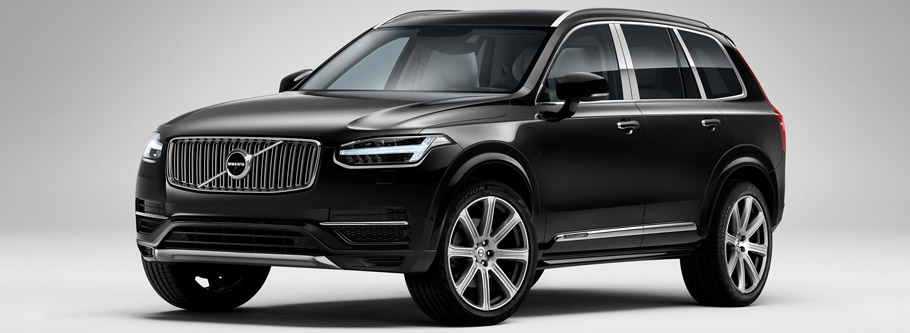
 Volvo Cars, the premium car maker has announced that the whole brand chases a new goal. This time the achievement is to sell up to one million electric vehicles by 2025. We still don’t know that much about Volvo’s intentions, but what we do know is that part of the plan is to offer at least two hybrid versions of every single model in its whole vehicle lineup and releasing its first all-electric car by 2019. Impressive.
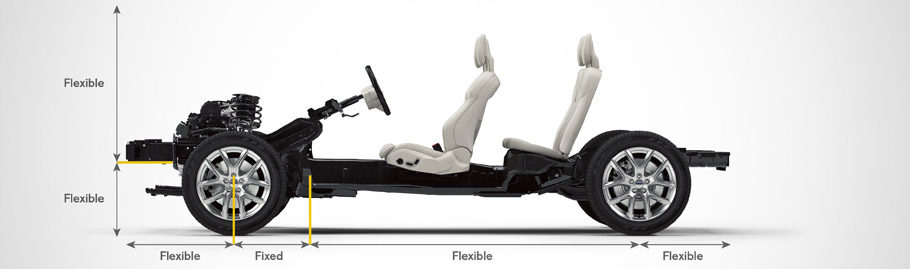
In fact, Volvo Cars has been passionately working on all kinds of eco-friendly vehicles and system, along with creating safer and safer cars for the last few years. As we have told you, the Swedish manufacturer recently showcased two all-new vehicle architectures, the Scalable Product Architecture (SPA) and the Compact Modulator Architecture (CMA) and also announced its ambitious plan to reduce car crash injuries and deaths to zero by 2020.
SEE ALSO: Volvo Releases the Swedish Beasts: 2017 V90 and S90 Are Available For Order
The large 90 series, along with the 60 series will be built on SPA and Volvo intends to launch a global lineup of the smaller 40 series, based on CMA. And of course, all of these vehicles will be electrified in order to achieve the big goal.
Fun thing is that this new brand commitment has been named “omtanke” that in Swedish means “consideration” and “caring”.
It looks as Volvo team is definitely dedicated and passionate about delivering such eco-friendly and safe vehicles. So, what do you think about this campaign? Is the Swedish manufacturer going to deliver us what is promised, or is it all just a big advertising campaign?

Source: Volvo Cars
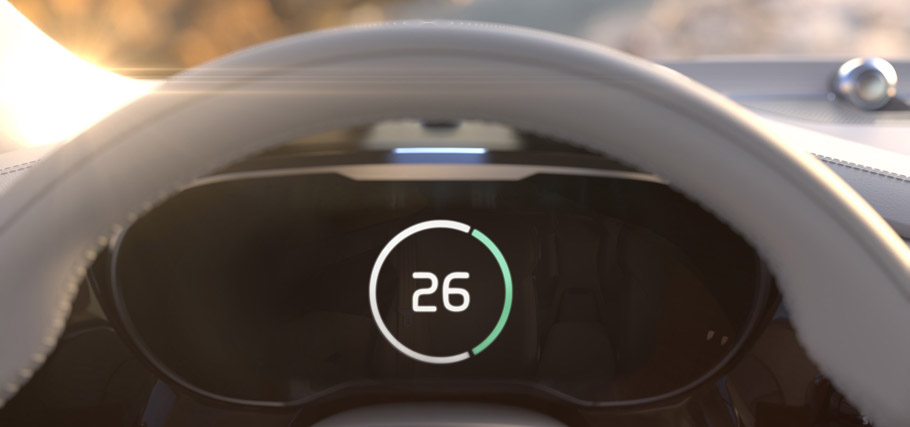 Volvo Cars plans to announce the concept of “Time Machine” on November 18, 2015 at the Los Angeles Auto Show. This machine will be compatitble with brand’s latest technology of Scalable Product Architecture (SPA) that will be part of the standard equipment for the 2016 Volvo XC90 and numerous future brand models.
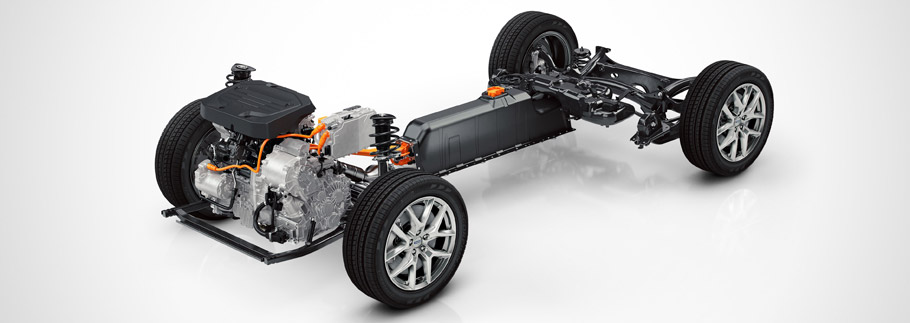
 Volvo Cars will extend its range of compact vehicles with new segments of the so-called Compact Modular Arhitecture (CMA). It is expected to be equally or even more advanced than the Scalable Product Architecture (SPA) and it is also expected that the first car on CMA will be launched in 2017.


 The 2011 Le Mans 24 Hours is the biggest upcoming motor sport event. That’s why Team Peugeot Total had a test day held on 24th April, which is crucial to acquire important data necessary to ensure it arrives at Le Mans with the best possible car set-up.


