 Automation is often highly regarded as the pinnacle of technological capabilities. It means that our machines have free agency, can govern themselves and their own conduct, and in many respects outstrip the human capacity for time spent working and focusing. After all, AI doesn’t fatigue, and self-driving cars endlessly strive to fulfil their respective roles.
That said, it’s true that many people would still rather buy a trusted motor from Imperial Cars than fully invest in self-driving cars. This is in large part due to trust, as well as familiarity with the way the older cars run. Though the UK wants fully autonomous cars on the road by 2021, the transition will be hard won for. There needs to a build up to this change, rather than a stark and jarring shift.
Consequently, to help ease into the idea of fully autonomous cars, here’s a few of the car technologies that’re likely influenced by the idea of self-driving vehicles.
GPS
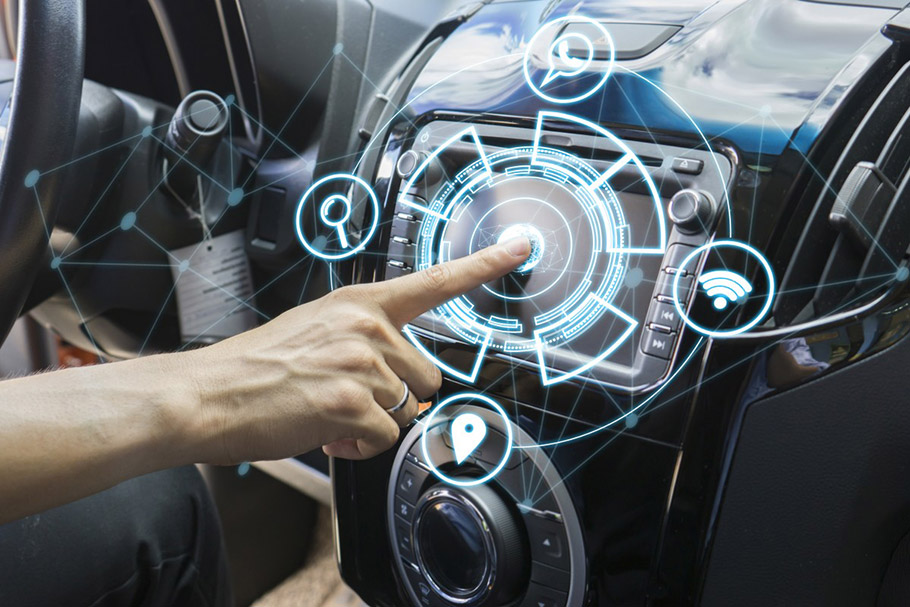
In most cars, GPS systems operate independently. They aren’t a service that’s technologically imbedded into the vehicle itself, though they can be in the more expensive and flashier cars out there. Either way however, it’s true that drivers often consider their GPS trackers to be a direct link of sorts between themselves and their vehicles. The car tells them where to go, and the driver obeys.
It seems odd to say, but something of a bond can be found here. Of course, it’s no real tangible relationship, but the driver does come around to feeling dependent on their GPS systems; it’s another presence, informing them on what to do and where to turn. The driver may well input a location, but in the end it’s the GPS that takes the lead here. Once it’s implemented into the cars systems, on some level, the car is thinking for itself.
Sensors
As a driver, there’re fewer stressful experiences than parallel parking and worrying about blind spots. There’s a lot of trust that needs to be put in fellow road users in order to ensure a safe, accident free trip. However, it’s a simple truth that people are prone to human error; no one is above and beyond it. Every now and then, mistakes are made – the severity of which often depends on luck.
Well, today’s vehicles come equipped with sensors to mitigate many of these risks. As soon as a car enters a blind spot, or you’re edging too close to another vehicle in your parking efforts, alarms immediately get triggered. Danger is averted because of the car’s intervention, rather than reliance on your own senses. This doesn’t mean the car is fully independent, but it’s another building block to achieving that in that they sense and flag danger.
Car Sharing Apps
One of the main appeals of self-driving vehicles is the fact that, obviously, they do all the legwork for you. Well, it’s not too dissimilar from the event of Uber; you simply download an app, and a car comes straight to you and takes you to wherever you may wish to go. Granted, there is a fully human driver at the wheel, but it’s how he or she is summoned which is telling.
It’s the technology that fuels the dynamic here that’s interesting. It’s essentially an on-demand service, just like a self-driving vehicle would be too. The opening of an app, a few swipes of the screen or presses of a couple of buttons, and you’re being taken to wherever you need to go without your intervention or concern. In a sense, Uber itself can be considered something of a stepping stone to self-driving vehicles as far that feeling of instant travel goes, and the app technologies contribute significantly here.
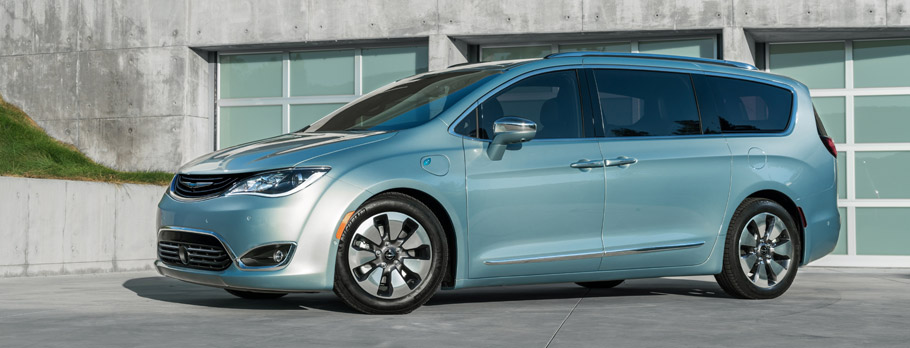
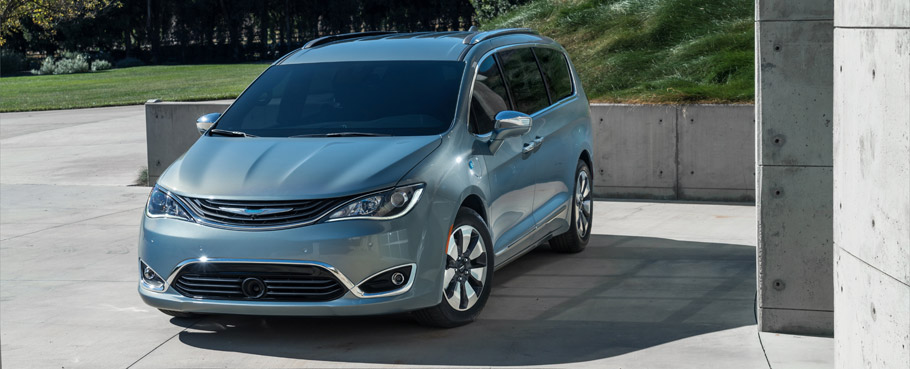 The Google Self-Driving Car Project and FCA announced that the advanced Google technology will be incorporated into the all-new 2017 Chrysler Pacifica Hybrid minivan to expand and improve Google’s self-driving test project. As you might know, this is the first time that Google chooses to work directly with an automaker in order to deliver technologies and advanced systems.