Tag: Gran Turismo

  • Ferrari Vision Gran Turismo Concept

    The Ferrari Vision Gran Turismo, a closed-wheel single-seater, is the first Ferrari concept car created specifically for the virtual motor sport world. The car’s design has its roots firmly in Maranello’s unparalleled racing tradition, with the number 75 on its flanks reflecting that noble heritage. The launch of the Ferrari Vision Gran Turismo in fact brings the 75th anniversary celebrations of when the marque’s first-ever racing car, the 125 S, exited the iconic factory gates in 1947, to an official close.

    To mark that occasion, this model not only signifies an important step for Ferrari in the virtual environment, where it will inspire new generations of passionate drivers and enthusiasts, but also redefines the company’s stylistic language. It represents a futuristic design manifesto for Ferrari’s road and racing cars, embodying the maximum expression of formal beauty and innovation, and providing a stimulus for both the engineers and drivers (real and virtual) of tomorrow.

    The Ferrari Vision Gran Turismo’s design was penned by the Ferrari Centro Stile under the direction of Flavio Manzoni, and takes its inspiration directly from legendary 1960s and 70s’ Ferrari Sports Prototypes, which enjoyed huge success in endurance races such as the 24 Hours of Le Mans (won by the Prancing Horse a total of nine times), and the 24 Hours of Daytona. Featuring dramatic proportions and futuristic lines, the car succeeds in its stylistic mission by effortlessly embodying the DNA of masterpieces such as the 330 P3 and 512 S, simultaneously paying homage to the Prancing Horse’s glorious racing history and affording a tantalising glimpse of the future evolution of closed-wheel racing cars.

    The design of the Ferrari Vision Gran Turismo was conceived around the idea of a speed form with very geometric, sharp, angular lines that nevertheless underlie a very organic shape. This contrast has a disruptive effect, as the plasticity of the external and internal surfaces binds with the geometric precision of the lines, creating a car with an immediately recognisable character, the architecture of which centres around an advanced aerodynamic concept based on two imposing side channels. This solution has been patented by Ferrari and directs the airflow from the front underbody, around the cockpit and over the striking side pods. This solution generates extremely efficient aerodynamic downforce thanks to the variation in momentum and the suction created by the central part of the underbody. The rear aerodynamics were developed using concepts inspired by the Ferrari 499P, particularly in terms of the diffuser and the rear biplane wing. Lastly, the front S-Duct and the integrated air vents on the wheelarches further boost aerodynamic efficiency and high-speed stability.

    The Ferrari Vision Gran Turismo sports the same 120-degree 3-litre turbo V6 architecture adopted on the 296 GTB, 296 GTS and 296 GT3 that also powers the new 499P. However, in this installation, there were no technical regulation constraints to comply with, so it was further honed to unleash genuinely extreme performance. In this particular configuration, the engine is tuned to deliver a massive 1030 cv at 9000 rpm, with an additional 240 kW (326 cv) available from three electric motors, one on the rear axle and one on each of the front wheels. Ferrari worked with Gran Turismo to ensure that the exhilarating engine sound of this innovative powertrain is faithfully reproduced to give SIM racers an even more realistic racing experience.

    The bodyshell of the Ferrari Vision Gran Turismo appears as if suspended over the flat, carbon-fibre underbody which incorporates all the car’s technical components, thus giving purity to the shape. The chassis is designed to emphasise the car’s lateral dynamics in on-the-limit handling. The powertrain layout guarantees an optimal front-rear weight balance and an extremely low centre of gravity to the benefit of the AWD. The elasto-kinematic suspension set-up was developed around the performance characteristics of the tyres used in Gran Turismo™ together with the car’s aerodynamic balance, the aim being to guarantee superlative performance on both torturously winding city circuits and traditional endurance race tracks.

    The suspension is designed to maintain the tyre contact patch to ensure maximum traction, thereby allowing the Ferrari Vision Gran Turismo to deliver 1100 Nm of rear torque from the combined ICE and MGU-K to the road. The result? Peerless performance. Cutting-edge electronic vehicle controls endow the car with the unrivalled cornering agility and handling balance that Ferrari’s road and racing cars have long been renowned for. The in-game experience is thus designed to faithfully replicate Ferrari’s in-car driving thrills, conveying an accurate feeling of the limits achievable and enhancing the car’s performance.

    The car also boasts hybrid technology that benefits from the unique expertise in electric boost and energy recovery strategies Ferrari has developed in Formula 1. Constantly balancing the state of charge of the battery allows the driver to make full use of the combined power available from the ICE and electric motors, so that maximum performance is available both during qualifying laps as well as over consecutive racing laps.

    The interior design is an extension of the exterior, with a purist, minimalist approach delivering optimal functionality and driver ergonomics. The dashboard lines are clean and spare and, just like the see-through engine cover framing the hybrid V6 powertrain, incorporate transparent high-tech materials to reveal the mechanical components of the sophisticated modern steering wheel. The HMI is designed for immediacy and ease of use so that the driver can always concentrate fully on the road ahead.

    Unveiled during the Gran Turismo World Finals in Monte-Carlo, the Ferrari Vision Gran Turismo will become available to all users of GT7 from the 23rd of December 2022. However, starting right after the unveiling on the 27th of November at 19:00 CET, GT7 users will be able to take part in a viewers’ campaign quiz through the game, with the winning participant receiving the Ferrari Vision Gran Turismo as a gift on the 15th of December. On the same date, the full-scale design study will make its first public appearance at the Ferrari Museum in Maranello, where it will be displayed alongside the current exhibition dedicated to the marque’s exclusive one-off models until March 2023.

    TECHNICAL SPECIFICATIONS

    POWERTRAIN

    Type V6 – 120°, twin turbo, all-wheel drive
    Total displacement 3000 cc
    Max. ICE power output 1030 cv @ 9000 rpm
    Max. ICE torque 900 Nm at 5500 rpm
    Max. power output hybrid system 240 kW (326 cv)

    WEIGHT

    Dry weight 1250 kg
    Weight distribution 43.5% front / 56.5% rear

    TRANSMISSION AND GEARBOX

    F1 dual-clutch gearbox, eight speed

    PERFORMANCE

    Maximum speed
    0-100 km/h
    0-200 km/h
    Fiorano lap time
    > 350 km/h
    < 2.0 s
    < 5.0 s
    < 1 ’10”
  • McLaren Solus GT

    McLaren Automotive today reveals the McLaren Solus GT, the stunning realization of a concept car from the screens of virtual racing into an extreme expression of track driving engagement that will exhilarate in the real world.

    A special commission for just 25 customers – with all cars already sold – the single-seat, closed-cockpit track car was unveiled during Monterey Car Week in California by Michael Leiters, McLaren Automotive Chief Executive Officer.

    Engineered to reality by drawing on the full range of McLaren’s experience and expertise across the highest levels of motorsport and supercar and hypercar development, the Solus GT brings to life the futuristic McLaren concept that featured in the Gran Turismo SPORT video game.

    At less than 2,205lbs in weight and with aerodynamic performance including downforce in excess of 2,645lbs, the Solus GT – which is powered by a naturally aspirated 5.2-liter V10 engine – is capable of the fastest lap times of any McLaren outside of single-seater racing and delivers a driving experience close to the engagement and sensation of driving a Formula 1 car.

    “The McLaren Solus GT is the realization of a radical McLaren concept vehicle originally created for the world of virtual racing. Engineered free of any restrictions from road or race regulations, but with the full spectrum of McLaren’s expertise to bring it to reality, it epitomizes our pioneering spirit.”
    Michael Leiters, Chief Executive Officer, McLaren Automotive

    The striking exterior design, which is remarkably faithful to its virtual inspiration, is based on proven aerodynamic principles and McLaren’s ‘everything for a reason’ design ethos, honed by additional CFD (Computational Fluid Dynamics) and wind-tunnel aerodynamic research.

    The list of distinctive external features is lengthy, with the sliding canopy above the single, central seat being one of the most striking. The wheels are shrouded in aerodynamic pods and located by suspension arms. A large front splitter feeds air into ground-effect tunnels before it exits the car via a full diffuser. A motorsport-inspired intake above the cockpit integrated into the design of the roll hoop cover feeds cold air into the engine, while also providing an engaging induction sound. Race car design also inspired the sidepods which house the Solus GT’s radiators.

    A twin-element, fixed rear wing is key to a downforce figure that exceeds the overall weight of the car. The downforce to drag ratio is also optimized, aiding straight-line performance as well as enhancing cornering abilities.

    The Solus GT experience begins even before the engine is started, with the driver opening the distinctive cockpit canopy that slides forward through a shallow arc to allow access. This is nothing like a conventional car door, or even the signature dihedral doors of other McLaren cars, rather more like stepping into a jet fighter plane.

    The means of getting into the car adds to the sense of occasion provided by the single seat that dominates an interior focused solely on the driver and performance. The seat position is fixed – the 25 Solus GT owners experience their own motorsport-style ‘seat fitting’ – with the pedal box adjustable as in a race car, although with the convenience of a remote system operated from the seating position.

    The steering wheel – the design of which is unique among McLaren production cars – takes its inspiration from Formula 1, with dash display and essential controls integrated to suit the tight confines of a single-seater track car. Beyond the steering wheel is a view through the glass ‘bubble’, with integrated halo-style cockpit protection – mounted to which is a rear-view display fed by a wide-angle camera placed within the roll hoop. The perfectly symmetrical 180-degree line of sight provided by the central driving position is further aided by the dramatically styled wheel pods in helping the driver to position the car on a track.

    To further enhance the exhilaration for Solus GT customers, McLaren is offering a full ‘racing driver experience’. This includes a driving seat molded to the driver’s individual body shape; an FIA-homologated race suit, helmet and HANS device bespoke to each owner, and radio-enabled ear inserts. A full driver-development coaching program will also be available to help customers fully exploit the potential of their new track hypercar.

    The Solus GT is powered by a unique 5.2-liter V10, constructed using low-volume, machined components, that revs to more than 10,000rpm and delivers extreme performance and thrilling driver engagement. The engine’s responsiveness is enhanced by the use of barrel-driven throttles for each cylinder – a system only suitable for track application – and is entirely gear-driven, with no chains or belts for camshaft or ancillary systems.

    In addition to having power and torque outputs in excess respectively of 829bhp and 479lb ft, the engine was also chosen for its structural qualities; for the first time in a McLaren production car, the engine is an integral part of the chassis. Conventional practice in race car construction, this design approach optimizes weight reduction by negating the need for additional chassis structures or subframes behind the carbon fibre monocoque.

    The race-derived seven-speed sequential gearbox, which features a bespoke casting and casing – the latter manufactured from aluminum with magnesium panels – is mounted to the back of the engine with the rear suspension fixed to the gearbox casing. Internally, straight-cut gears engaged via a multi-plate carbon fibre clutch are ideally suited to the aggressive shifts demanded in a track application. The system is fully automated and software controlled, removing the need for the driver to operate the clutch, aiding pit-lane pull-away.

    In common with every McLaren since 1981, the Solus GT is based around a carbon-fibre monocoque, in this case one created using specialist low-volume production methods including a carbon ‘pre-preg’ process for higher structural strength and a high uniformity of finish to the material. The front and rear chassis structures are also made from carbon fibre, with the engine and gearbox forming the rest of the chassis.

    Carbon fibre is not the only high-value material in the Solus GT. Further embracing technologies used in the top tiers of motorsport, 3D-printed titanium components have been used for the halo cockpit protection structure and roll hoop. This is the first time the approach has been adopted for structural elements in a McLaren production car, allowing a tailored design as well reducing weight.

    The suspension system incorporates double wishbones with inboard torsion bar damping, operated via pushrods at the front and pullrods at the rear. Both axles are linked by anti-roll bars, with tuning options available to the driver. Fabricated from steel for enhanced durability, the front suspension links are encased in aerodynamic carbon fibre shrouds similar to the approach in Formula 1.

    Housed within the distinctive wheel pods are 18-inch forged aluminum wheels with center locking nuts, shod with Le Mans Prototype-specification tires available in both slick and wet compounds. Braking is provided by 6-piston monobloc machined aluminum calipers and carbon brake discs and pads. Bias between the front and rear brakes can be adjusted in the cockpit by the driver.

    Traditional performance metrics are not as relevant for a track car, but with a target time of 2.5 seconds for 0-62mph acceleration and a maximum speed of more than 200mph – in combination with the car’s light weight and strong aerodynamic abilities – the McLaren Solus GT has the performance credentials needed for an extreme track machine.

    In incorporating every element that has made McLaren a world-beating automotive force, the Solus GT is also a showcase for the craftmanship available to McLaren customers from McLaren Special Operations (MSO). With a project such as this, the MSO service goes beyond the car itself to a level of luxury customer engagement and accessibility unique to McLaren. A bespoking process ensures every Solus GT is unique and regular updates on the development program, including access to prototype drive sessions that can influence the driving characteristics of the car ahead of production, are offered.

    Solus GT track events are planned, and all cars will be delivered with a flight case to allow owners to support their own track activities. This includes a comprehensive set of tools, vehicle jacks, stands, radio sets and a coolant pre-heater.

    The McLaren Solus GT is currently at the track-testing stage of its development process. The first of 25 customer cars – all of which are sold – will be delivered in 2023.

    The McLaren Solus GT in detail

    A concept for the virtual world becomes reality

    • Originally a virtual concept driven by millions in the Gran Turismo SPORT video game; now a reality as the astonishing McLaren Solus GT
    • Striking single, center-seat cockpit and strong focus on aerodynamic principles throughout
    • Showcases McLaren signature design features, including ‘hammerhead’ front, teardrop-shaped cabin and ‘shrink-wrapped’ bodywork

    The roots of the McLaren Solus GT are in a stunning concept that featured in the  Gran Turismo SPORT video game.

    From the original design sketches through to the virtual gaming triumph and now the astonishing machine that an exclusive few customers will enjoy on track, this is a car that epitomizes the ‘everything for a reason’ design philosophy and relentless pursuit of engineering excellence within every McLaren. From the outset, the concept was based on proven aerodynamic principles, with a sports-prototype racecar package as its foundation.

    The bodywork is very much a technical sculpture, shrink-wrapped over the high-performance engineering package and the two full-length ground effect tunnels. These contain distinctive air intakes at the front and a NACA duct – a low-drag air inlet – which also acts as a step, accelerating the airflow into the radiators.

    From the front, the distinctive McLaren ‘hammerhead’ nose helps to separate airflow from the underbody ground effects and the full-length diffuser. The visibility from the wraparound canopy screen of the teardrop cockpit is outstanding, with an uncluttered, 180-degree view of a track. The wheel pods in each corner are not only a dominating design feature, they also allow overall weight-reduction and individually ‘work’ the airflow with a distinctive tear-drop shape that ends in a dramatic blade-like rear edge to calm the turbulent air in the wake of each tire and mitigate pressure build-up within the wheel well.

    The rear of the car features a full clam that provides easy access to the engine bay, with super-low trailing bodywork edges that employ the same principles as the Speedtail in order to minimize base pressure across the back of the car, reducing drag.

    Engineering a virtual design into extreme reality

    • Naturally-aspirated V10 engine chosen to optimize performance, driver engagement and packaging
    • Aerodynamic performance integrated into bodywork surfaces to preserve overall shape using CFD and wind-tunnel research
    • Heavily optimized structural work includes monocoque geometry

    The original engineering brief for the McLaren Solus GT was to turn a prestigious virtual gaming concept into an extremely powerful and highly exclusive McLaren hypercar. This was to be a track-only car, with motorsport engineering expertise and a V10 powertrain coming together to deliver the supreme driver engagement demanded for a no-compromises experience.

    The racing-derived engine was chosen for reasons of packaging as well as performance; a pared-down track car with minimal weight and shrink-wrapped bodywork meant having the engine as part of the chassis was a natural choice. This construction technique is rarely seen in production cars for NVH (Noise, Vibration, Harshness) reasons, but in a focused track car it gives many benefits, not least added feedback and exhilarating engagement for the driver.

    Once the program parameters were set, the engineering team faced the challenge of integrating real-world aerodynamic performance into the original design surfaces. This was resolved with extensive CFD and wind-tunnel work to prove the aerodynamic, cooling and efficiency properties of the concept.

    Racing-inspired chassis design and construction

    • Bespoke monocoque structure employs Formula 1 chassis technologies, with front and rear carbon structures
    • Low-volume, carbon ‘pre-preg’ process provides strength, rigidity and quality of finish
    • Engine and gearbox are stressed chassis members; carbon crash structure is incorporated into gearbox
    • 3D printing techniques used for structural components – titanium halo protection and rollover bar

    Like every McLaren built in the last 40 years, the Solus GT features a carbon-fibre monocoque at its heart. However, the single-seat cockpit and production-based engineering processes demanded a bespoke approach embracing the differing disciplines of competition and road car construction and the resulting design takes greater inspiration from motorsport than other McLaren Automotive products, with the monocoque using Formula 1 and sportscar racing chassis technologies. The front and rear impact structures are made from carbon fibre – traditionally McLaren Automotive chassis structures feature aluminum structures fixed to the passenger cell – and with the engine and gearbox both stressed chassis members, there is no requirement for a rear subframe.

    The construction of the chassis employs specialist low-volume production methods including a carbon ‘pre-preg’ process whereby the carbon fibre is pre-impregnated with a resin system that simplifies the curing process. The material is ready to lay into the mold before heat and pressure treatment is applied, allowing the higher structural strength demanded by a track-only car. The process also allows a high uniformity of finish to the material that enhances visual appeal.

    The chassis of the Solus GT also features 3D-printed titanium components, including the halo cockpit protection structure and roll hoop. While previously used by McLaren Automotive– notably for the exhaust system of the Elva – this is the first use of the technology for structural components in a McLaren production car and demonstrates the absolute focus applied to finding the best solutions for the Solus GT.

    Refined and optimized bodywork and aerodynamics

    • Carbon fibre bodywork incorporates aerodynamic surfaces including front splitter, individual wheel pods, structural floor with ground-effect tunnels and fixed, twin-element, high-downforce rear wing
    • Huge downforce generated – at 2,645lbs, greater than the weight of the car – with drag penalty minimized for straight-line speed
    • Formula 1-inspired, carbon fibre suspension aero shrouds, air intakes and sidepod-mounted radiators

    Despite the freedom the development team enjoyed in exploring the boundaries of possibilities for the Solus GT as a track car, the exterior design of the virtual reality concept did impose restrictions on what could be done if the real car was to retain the ‘wow factor’ of the car that featured in Gran Turismo SPORT.

    As befits an ultra-lightweight track-only car, the bodywork of Solus GT is made from carbon fibre; the complex shapes and swooping lines achieved without the weight penalties that would come from the use of conventional metal panels. The form of these has been finely honed – ironically in virtual reality – to ensure stability and maximize aerodynamic efficiency for both straight line-speed and downforce.

    A large front splitter feeds air into ground-effect tunnels in the full structural floor, which has been designed to accept high aerodynamic loads. The air exits the car via a full diffuser. The front wheels are outboard of the main bodywork, with the suspension wishbones exposed to the airflow and shrouded in aerodynamically-shaped carbon fibre that directs air towards the sidepod-mounted radiators. The sidepod-siting of the high-temperature radiators is directly inspired by motorsport, providing a direct cooling solution for engine fluids and reducing frontal surface area.

    A motorsport-inspired air intake above the cockpit, which is integrated into the design of the roll hoop cover, takes in cold and flow-conditioned air above the car while also creating a pleasingly engaging engine induction sound.

    The twin-element, fixed rear wing is one of the more distinctive visual features of Solus GT. Designed to maximize downforce over the rear of the car, it works alongside the combination of high-downforce ground effect and low pitch sensitivity from the motorsport-derived suspension system, to negate the need for active front or rear wings and so help to keep weight down.

    Overall, the aerodynamic package downforce exceeds the total weight of the car, but the downforce to drag ratio is also optimized, aiding straight-line performance and enhancing cornering speeds.

    Unique, single central seat interior

    • Driver enters car via sliding canopy incorporating Formula 1-style halo cockpit protection device
    • Single-seat cockpit with fixed seat and adjustable pedals
    • Main driver controls and TFT instrument display mounted on carbon-fibre-structured steering wheel
    • Rear wide-angle camera located above roll-hoop, linked to driver view screen

    The Solus GT McLaren driving experience begins even before the V10 engine is started – simply stepping into the cockpit is an event in itself. Instead of signature McLaren dihedral doors, a sliding canopy – more akin to that of a fighter jet – is opened using a mechanical lever. The spring-loaded canopy moves through a shallow arc, lifting clear of the cockpit and sliding forwards to allow easy access to the driving seat.

    Recent technological safety innovations from the top tiers of motorsport are integrated in the design, with the canopy reinforced by a halo-style structure to protect the driver. An escape hatch is also built into the canopy to allow safe departure from the cockpit should the sliding mechanism be obstructed.

    The interior is purpose-built for extreme track performance; an owner can specify their car with an entirely bespoke environment, but it will remain focused on the driving experience. The molded seat is fitted with a 6-point harness and is fixed in position; instead, the pedal box is adjustable as in a race car, but with the convenience of being able to be operated from a sitting position.

    To ensure the single seat is a perfect fit for the customer, MSO has adopted a process taken from motorsport which is yet another example of the full range of McLaren expertise being available for the Solus GT. A phenolic resin-based system with advanced micro-bead technology is used to create a mold from which the seat is created, ensuring in turn that the driver remains comfortable in the car throughout the most intense track driving sessions.

    Almost all controls are concentrated on the steering wheel, which is constructed from carbon fibre. Inspired directly by motorsport, all essential functions are easily reached with both hands on the wheel. A full HVAC air system also keeps the driver fully alert throughout the driving experience.

    Above the driver’s head are switches for vehicle ignition and the fully plumbed-in emergency fire extinguisher. This area also houses the rear-view display, streamed in real-time from a camera located on the roll hoop behind the driver’s head. The wide-angle camera provides a comprehensive rear view of the track to allow traffic to pass on a slowing-down lap or aid pit-lane maneuvering.

    Powertrain with a proven motorsport pedigree

    • Motorsport-derived, naturally-aspirated 5.2 liter V10 engine that revs to over 10,000rpm
    • McLaren-specific engine, with crank, cylinder capacity, air intake and exhaust system all bespoke to Solus GT
    • Gear-driven camshaft and ancillary systems, with no chains or belts in the engine
    • Barrel throttles for individual cylinders sharpen throttle response

    The 5.2-liter V10 engine specified to power the McLaren Solus GT is incorporated into the vehicle chassis structure. The engine capacity is unique to the Solus GT, as are the air intake and exhaust system. The induction system directs air towards barrel throttles that are individual to each cylinder – a technology that is not suitable for road use but offers clear advantages in engine performance, including improved throttle response.

    The engine also incorporates low-volume machined components optimized for performance and is entirely gear-driven; there are no chains or belts for ancillary systems. Output is greater than 829bhp, with the full benefit of the ram effect provided by the high air intake and the engine revving past 10,000rpm. Maximum torque is in excess of 479lb ft.

    The resulting performance is a target acceleration time of 2.5 seconds from standstill to 62mph and a maximum speed in excess of 200mph, despite the Solus GT generating downforce that exceeds its weight.

    Competition gearbox

    • Seven-speed sequential gearbox
    • Incorporates bespoke casting and aluminum casing with magnesium panels; rear suspension locates to gearbox
    • Uses motorsport-derived straight-cut gears
    • Carbon fibre clutch with automated software control for combination of both aggressive shift strategy and user-friendly operation

    The Solus GT has a seven-speed sequential gearbox, with race-proven internals located within a bespoke casting and casing, designed as a mounting point for the rear suspension. The casing is made from aluminum, with magnesium panels optimizing weight.

    Originally designed for LMP sportscar applications, the gearbox internals include straight-cut gears, a technology not usually incorporated in production cars for reasons of NVH refinement but acknowledged as providing greater efficiency than helical-cut gears in a high-performance track car.

    The gearbox is engaged by a carbon fibre clutch, designed to complement aggressive gearshift strategy demanded in a track application. It is though also fully automated and controlled by software – removing the need for a pedal or lever-operated clutch control – to aid the driver when pulling away from the pit-lane.

    Track-focused suspension design

    • Formula 1-inspired suspension design incorporates double wishbones and front pushrod and rear pullrod activated torsion bars
    • Manually adjustable four-way dampers
    • Incorporates anti-roll bars, ride-height springs and a heave spring and damper system

    The McLaren Solus GT was designed from the outset as a track-only car and its suspension follows the principles of motorsport engineering, starting with the wheels located via double wishbones. With the front wheels mounted outboard of the main body, the front damping is inboard with pushrods operating torsion bars and corner dampers. At the rear, the bars are linked to pullrods, and the rear suspension is mounted to the gearbox casing.

    The wishbones and rods are fabricated from steel for enhanced durability, but the front suspension links are encased in carbon fibre shrouds for aerodynamic efficiency. The system also incorporates ride height springs and a heave spring and damper system. This is employed to provide stiffness at speed by limiting vertical movement, the effect of this is to create a more aerodynamically stable profile, making the car’s dynamic behavior at speed more predictable and therefore increasing driver confidence on high-speed tracks.

    Housed within the distinctive wheel pods are 18-inch forged aluminum wheels with center locking nuts, shod with Le Mans Prototype-specification tires available in both slick and wet compounds. Braking is provided by 6-piston monobloc machined aluminum calipers with carbon brake discs and pads. Bias between the front and rear brakes can be adjusted by the driver in the cockpit.

    Each axle is linked by anti-roll bars, which are connected via drop links. Both bars are adjustable.

    The complete – and bespoke – MSO customer journey

    • Complete customer journey includes involvement in product development
    • Fully bespoke product – each car is unique
    • Full racing driver experience available, including bespoke driver-wear and tailored seat

    Solus GT showcases the level of craftmanship available to McLaren customers through McLaren Special Operations.

    From the beginning of the development process, individual presentations were given to customers wishing to secure one of the 25 cars available. This has previously taken place only for purchasers of the McLaren Sabre, a car homologated for the US market only, whereas with Solus GT being a track-only product, the customer base is global.

    The 25 Solus GT depositors have also been involved throughout in the finer details of the car’s development from the virtual world to the real world, with new, MSO-developed software at the core of realizing the vision of each customer. This bespoke, individual approach reflects an intimate accessibility to McLaren that goes beyond even the usual levels of luxury experience and engagement.

  • 75 years of Gran Turismo Maserati celebrates the A6 1500

    Maserati A6 1500 Gran Turismo - Front Angle

    Gran Turismo is a way of life: a type of high-performance car, suitable for long distances and comfortable journeys.

    It all began 75 years ago with the Maserati A6 1500, a model with a revolutionary spirit, the forerunner of a class of car that had never been seen before. It would go on to influence the automotive landscape all over the world, and successive generations of Maserati road cars.

    In March 1947, the Geneva Motor Show witnessed the launch of the first Gran Turismo in history: the Tipo A6 (taking its name from the project), better known as the A6 1500 Gran Turismo.

    Accorded an enthusiastic welcome by professionals and the public, the Tipo A6 represented the first step in a story in which Maserati has revamped the technology and design. The brand has held true to its hallmarks of elegance and high performance, ubiquitous in every model in the range and continuing in the next generation of the GranTurismo, the Trident brand’s first 100% electric car, due to be launched onto the market in 2023.

    The history of the A6 1500 dates back to even earlier than 1947.

    It actually goes all the way back to 1941 and the design of a sedan with a fixed head engine and twin camshaft, which had to be a close descendant of the 6CM’s, if of course revisited with Gran Turismo in mind. The upshot was an outstanding engine with a maximum output of 65 hp, with its single Weber 36DCR carburettor giving the car a top speed of 150 km/h.

    The project was named A6, A for ‘Alfieri’, 6 for the number of cylinders.

    It also featured independent wheel front suspension, with oscillating trapeziums and coil springs, rigid beam with leaf springs in the rear, hydraulically controlled brakes and disc wheels (spoked on request), with a 3.5” channel, 16” in diameter, and 5.50-16 tyres.

    Intended for the Geneva Motor Show, the first model was produced in February 1947 by the Pininfarina bodyshop, bearing its characteristic mechanically operated retractable inside headlights. However, the clearest innovation from the past was its tubular chassis with circular cross-section components, to adopt some of the most fashionable trends at the time.

    Not only was it the retractable headlights and chassis that would attract the attention of the public in Geneva, but also the plexiglass sunroof and a bonnet that could be raised from both sides or removed.

    Resounding compliments and awards quickly led to the decision to give the green light to production, albeit with certain changes from the prototype. These included the restoration of more conventional lights, framed in chrome plating. The Extra Lusso version also featured a new, more modern grille and larger side windows.

    Production of the A6 1500 Gran Turismo continued until 1950, with a cosmetic update taking place in 1948. Pininfarina would also make further changes to the bodywork: the embossed trim was removed from the front fenders, and two rear seats were added to the cabin.

    Despite the relatively limited number of units produced, 58 over its 4 years, the A6 1500 was a milestone in Maserati history. At that point, the brand began to establish itself as a producer of tailor-made, high-quality road cars, with sport in its DNA. The glorious Pininfarina-designed bodywork would then go on to inspire successive generations of Maserati cars: a high-class, timeless design that continues to resound to this day in the current range, and will take the brand forward into the future. While the A6 1500 represented the beginning of the Maserati epic of road cars, like passing the baton, the new GranTurismo will mark the brand’s entry into the world of Full-Electric with Folgore, and will light the fuse of a new, innovative energy.

  • Jaguar Vision Gran Turismo SV

    2021-Jaguar-Vision-Gran-Turismo-SV1

    A maximum speed of 255mph, an aerodynamic design honed to perfection and race-winning powertrain technology define the Jaguar Vision Gran Turismo SV – the latest all-electric virtual race car developed for Gran Turismo, and built in the real-world as full-scale design study.

    The Jaguar Vision Gran Turismo Coupé – the first all-electric Jaguar sports car created for the globally-renowned Gran Turismo series revealed in October 2019 – has already proved highly successful, attracting gamers with its radical, heritage-inspired design, driver-focused interior, and outstanding ride and handling.

    Yet to the team from Jaguar Design, SV and Jaguar Racing, the Vision GT Coupé represented only the starting point for development of the Vision GT SV. It was an opportunity to re-evaluate everything that could improve performance and in doing so, re-think what an electric Jaguar endurance race car could be.

    Fundamental to that process was detailed analysis of gamer feedback from online videos and forums. This ‘virtual world testing’ combined with many hours ‘behind the wheel’ enabled the design and engineering teams to determine exactly how to optimise the Vision GT SV to create the perfect electric gaming endurance race car.

    Julian Thomson, Design Director, Jaguar, said: “Jaguars created for the race track and the road have always shared the same DNA – whether that’s the D-type and XKSS, or the I-PACE and the I-TYPE. So, when the design team behind the Vision GT Coupé were asked to create the ultimate electric gaming endurance racer for Gran Turismo, they worked with engineers from SV and Jaguar Racing to create something really special.

    “The Vision GT SV is a dramatic and visually arresting car which showcases what’s possible when the traditional boundaries governing real-world car design are completely removed. In bringing this car to life with a full-size design study we’ve been able to showcase the most extreme version of an electric Jaguar race car that is inspired by the past but looks fearlessly to the future.”

    Designed as the ultimate virtual endurance racer, the Jaguar Vision GT SV pays homage to its illustrious forebears not only in a host of styling and surfacing references but in its unique circuit board livery which nods to milestones such as the Le Mans debuts of the C-type and D-type in 1951 and 1954 respectively.

    Engineered by experts:

    The streamlined, lightweight composite body structure now houses four Jaguar Racing and SV-designed electric motors to the Coupé’s three, generating a combined output of 1,903PS (1,400kW) and 3,360Nm of instant torque with the traction and dynamics benefits of intelligent all-wheel drive and torque vectoring. Acceleration from 0-60mph takes just 1.65 seconds, on the way to a maximum speed of 255mph.

    The task of harnessing the Gran Turismo SV’s power to deliver an even more exhilarating racing experience for gamers fell to Jaguar’s SV engineering team.

    Jamal Hameedi, Engineering Director, Jaguar SV, said: “We were given one objective: take everything that makes the Jaguar Vision GT Coupé so special – the performance, the handling and the soundtrack – and take it to another level.

    “The team didn’t just achieve that target – they exceeded it, developing a virtual electric car which really could compete successfully in the extremes of 24-hour endurance racing. Not only that, they were able to see their work in the virtual world, turned into reality with the production of the stunning full-scale model which will no doubt excite gamers about what’s to come in Gran Turismo.”

    The Vision GT Coupé’s elegant silhouette is still clearly recognisable in the GT SV, including the curvature of the C-type and D-type-inspired fenders, and – even with the additional motor driving the front axle – the wheelbase remains unchanged at 2,721mm.

    Measuring 5,540mm from nose to tail, the GT SV is 861mm longer overall – a change driven entirely by aerodynamics. To deliver the increased downforce needed for greater traction for faster cornering and increased high speed stability on long straights, the GT SV has a new front splitter and a new deployable rear wing.

    To solve the often conflicting requirements of increasing downforce while also minimising drag, the SV team worked with Jaguar’s designers to develop a full suite of features which work together to improve dynamics, stability, performance and efficiency.

    In addition to the larger, more effective splitter – which produces downforce over the front axle – apertures in the front valance channel air across the face of the front wheels to reduce turbulence and help air to flow cleanly towards the rear of the car. Air passing through the wheel wells is also smoothed towards the rear via exit vents in the fenders.

    The completely enclosed, sculpted underbody – which includes a keel element behind the front axle to aid high-speed stability – accelerates airflow, reducing its pressure and therefore helping to reduce lift, before it exits at the rear via a large venturi.

    The single most effective aero feature developed for the GT SV is its deployable rear wing, inspired by endurance racing cars from Jaguar’s rich lineage, including the XJR-14. Meticulously developed from concept to final design through many iterations, the wing’s main, fixed, section wraps over and around the back of the car, blending smoothly into the rear haunches.

    The wing is designed as an integral element of the sculpted bodywork while also providing the aerodynamic performance required for endurance racing: two moveable sections automatically rise at speed to deliver extra downforce when needed but drop back to their nominal positions to minimise drag.

    As a result, the GT SV has a drag coefficient of Cd 0.398 – remarkably low for a race car – but also generates 483kg of downforce at 200mph.

    Micheal O’Regan, Aerodynamics Senior Engineer, Jaguar SV, said: “All the aerodynamic features have been painstakingly optimised through cutting-edge computational fluid dynamics analysis – in exactly the same way we do with real-world projects such as the Jaguar I-TYPE Formula E race cars.

    “What I’m most proud of is how we’ve developed the GT SV into a credible electric race car with performance on a par with current endurance race cars – and in such a short space of time.”

    Electrifying performance:

    Jaguar Racing engineers developed the GT SV’s extraordinary quad-motor all-electric propulsion system. They also designed the system for the first Jaguar Vision GT car, applying all of their knowledge and experience from developing the Jaguar I-TYPE over six successive seasons.

    The work was split into two main projects: A second 407PS (300kW) motor to the front axle to deliver the higher power and torque ratings required. Then the thermal management system was further improved to cope with the higher loads and to ensure that sustained high speeds and extreme acceleration could be maintained throughout an endurance race.

    With one motor driving each wheel, the GT SV’s propulsion system generates a combined output of 1,903PS (1,400kW) and 3,360Nm torque. Each motor has its own single-speed transmission: these are designed to give the strength and robustness needed for the high torque ratings, together with minimal mass and friction for optimum efficiency, and the capability to deliver the car’s 255mph top speed.

    As well as electric all-wheel drive the one motor per wheel configuration also enables infinite control of lateral and longitudinal torque distribution, delivering a step-change in torque vectoring capability for even greater traction, agility, and control.

    Power comes from a state-of-the-art lithium-ion battery pack which is housed low down in the GT SV’s light, stiff body structure, delivering a low centre of gravity, a low roll centre and near-perfect weight distribution.

    James Barclay, Team Director, Jaguar Racing, said: “Working on the development of Jaguar’s Formula E I-TYPE race cars in parallel with the Vision Gran Turismo SV has given the Jaguar Racing engineers an unprecedented opportunity to apply their expertise to two incredible electric race cars – our most advanced Formula E car yet, and an endurance racer for the virtual world.

    “Both have been designed and developed using state-of-the-art simulation tools to push all-electric powertrain and software technology to the limit, and we can’t wait to see them perform in Season 7 and Gran Turismo.”

    The thermal management system is enhanced by an additional liquid nitrogen circuit which provides extra capacity to enable the battery to provide maximum power for longer while remaining within its ideal temperature range. The nitrogen cooling is also linked to the boost button within the cabin to ensure that even during the most demanding operating conditions the battery will not exceed its upper temperature limit.

    The ultimate virtual driving experience:

    The unique, powertrain soundscape so fundamental to the visceral driving experience of the Jaguar Vision GT Coupé has been further enhanced for the GT SV version. Reflecting the increase in power and torque from the four electric motors to its precursor’s three, the GT SV generates a sound that is even more purposeful and distinctive, and is authentically yet futuristically Jaguar. Building to a crescendo at the 40,000rpm redline, it reflects the GT SV’s true racing DNA and delivers unrivalled driver reward.

    The experience is heightened by an interior designed for racing. The pure, sweeping surfaces within the cockpit truly envelop the driver and position the instruments and perfectly weighted controls exactly where they need to be. Every component is beautifully crafted with absolute precision from advanced lightweight materials, including the new TYPEFIBRE fabrics used to cover the two sculpted composite seats. TYPEFIBRE is an innovative system of performance materials being developed by Jaguar to deliver a lighter alternative to leather with outstanding comfort and durability. TYPEFIBRE fabrics will be tested by Jaguar Racing in the I-TYPE 5 during season 7 of the ABB FIA Formula E World Championship.

  • 2017 BMW 3 Series Gran Turismo gets significant updates. Here is what you should expect

    2017 BMW 3 Series Gran Turismo front view with the M Series2017 BMW 3 Series Gran Turismo is one of the most attractive models out there. It is currently being prepared to be officially launched on the market this summer, and for that reason the Bavarian company has added some significant updates, which the new customers would most definitely enjoy.

    Besides the benefit of the coupe-like appearance mixed with the spaciousness of a sedan and the boot capacity of a station wagon, the 3 Series Gran Turismo can now show-off with refinements on its exterior, three additional petrol and five diesel engines (by the way they offer more hp) as well as interior infused with high quality materials, new user interface for the Navigation system Professional and even improved smartphone connectivity feature.

    18 Engines Out There

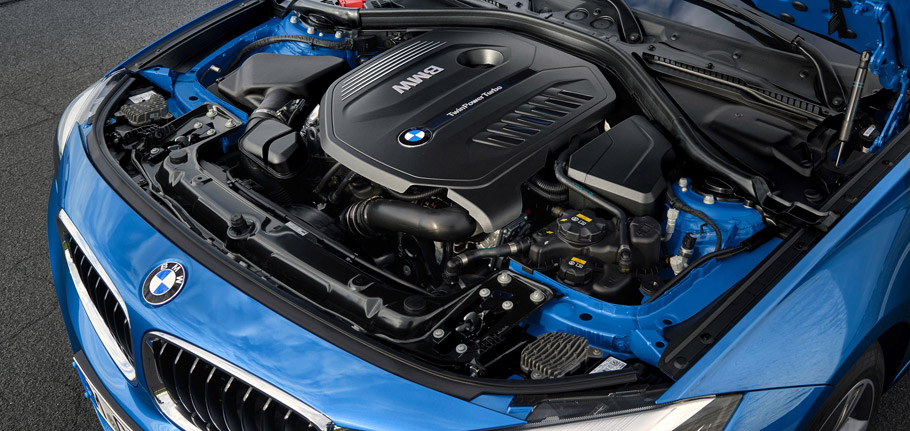
    2017 BMW 3 Series Gran Turismo engine

    Yes, there is a total of 18 engine, transmission and drive configurations to choose for the BMW 3 Series Gran Turismo. The offer significant output gains but lower fuel consumption. As mentioned there are three new petrol units developing from 184 hp (135 kW) to 326 hp (240 kW), while the five new diesel variants produce 150 hp (110 kW) and 313 hp (230 kW). All come with the classical rear-wheel drive or BMW xDrive all-wheel drive, with six-speed manual or eight-speed Steptronic automatic transmission.

    SEE ALSO: What happens when you power your BMW M2 with M4’s engine? 

    The efficiency gains have been raised and the CO2 fumes are lowered considerably, says BMW. The numbers show improvements from 4.5 per cent in the BMW 318d Gran Turismo to 13,8 per cent for the BMW 320d Gran Turismo.

    Exterior & Interior Updates

    2017 BMW 3 Series Gran Turismo front view

    The first noticeable change is that the 2017 BMW 3 Series Gran Turismo is around 200 millimetres longer than the other members of the BMW 3 Series family. It also seems that the front and the rear have been made more dynamic and sportier. The front for instance gets new standard-fitted LED headlights and foglamps, as the rear features updated LEDs too.

    The interior offers sophistication with its abundantly treated cabin, including additional chrome around the interior controls, new decorative wood elements, and more colours and leather trim variants. Inside is also more spacious, because of a wheelbase lengthened by 110 millimetres (now 2,920 millimetres). At the back, the boot offers 520 to 1,600 litres of load space.

    The latest BMW Navigation system Professional will be offered as an option here. It benefits from more intuitive menu and it is easier for operation. Added convenience is now delivered for the smartphones, which can now also be charged and connected to the car’s external aerial wirelessly via an inductive tray.

    Three Equipment Lines

    If we have already convinced you to buy the new 2017 BMW 3 Series Gran Turismo, then you should also know that there is another choice to make. And it is the trim level. You can choose between Sport Line, Luxury Line and M Sport variants. Of course the latter comes in Estoril Blue shade, exclusively (the car featured in the gallery below).

    There is a lot to be happy about the new 3 Series GT, isn’t it?

    Source: BMW 

  • 2015 Bugatti Vision Gran Turismo Concept is Here and it is Real!

    2015 Bugatti Vision Gran Turismo ConceptBugatti fans and gamers now have one more reason to look forward to the 66th International Motor Show (IAA) in Frankfurt. Especially for this show, Bugatti team has transformed a what was just a mere idea to a mind-twisting reality. Now the brand will present its virtual concept Bugatti Vision Gran Turismo which was developed in cooperation with Polyphony Digital Inc. This whole project is a big tribute to the great racing tradition of the 1920s and 1930s and all the victories in Le Mans 24-hour races.

    The designers and engineers have transferred the most important characteristics of Bugatti’s design into the virtual sports vehicle. As you can see, the Bugatti Vision Gran Turismo has all these well-known Bugatti lines and recognizable symbols. For example, the vehicle comes with the famous horse shoe on the front grille. It is further flanked by the eight-eyed stylish headlights which were especially developed for the Gran Turismo model.

    2015 Bugatti Vision Gran Turismo Concept

    Another typical Bugatti element is the centre fin, which originated on the notorious Type 57 Atlantic from 1936. Now the designers come up with two versions: one on the front and rear wings and one running the length of the roof, where it makes an important contribution the vehicle’s dynamic stability.

    In fact, there is one more interesting detail. This is the NACA roof air intaker which has not only stylish shape but also gives that critical contribution to the control of the aerodynamics. How cool is that? The vehicle also has a strong trailing edge which provides longitudinal-dynamic stability, and contributes to the overall performance.

    Bugatti Vision Gran Turismo will be displayed from 17 to 27 September 2015 at the Bugatti exhibit in hall 3.0 of the IAA

    2015 Bugatti Vision Gran Turismo Concept

    Source: Bugatti

  • FCA Teases SRT Tomahawk Vision Gran Turismo [VIDEO]

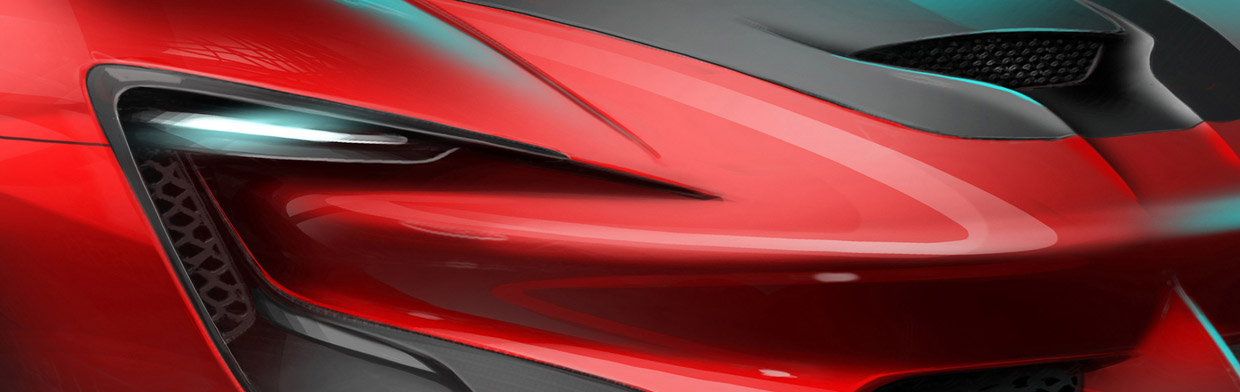
    FCA or Fiat Chrysler Automobiles was so good to announce its participation in the Gran Tourismo PlayStation3 game. Here are four pictures and a video which show the car that they are currently teasing – the SRT Tomahawk Vision Gran Turismo. The hybrid powered vehicle is going to be released exclusively for the GT6 and although there is literally no information accompanying the pictures we surely know that it is a single-seater.

    As mentioned above it will be also driven by a hybrid powertrain, obviously showing relation to its not so long ago revealed sibling. From the images and video we can also see that the virtual vehicle will light its way via LED headlights.

    SEE ALSO: Peugeot Mysterious Concept is a Vision Gran Turismo [VIDEO]

    And you can also take a look at the unique and carbon-infused hood scoop. The picture that displays the rear of the Tomahawk says that it will feature a special exhaust system with five-tailpipes. Can you imagine the output now?

    At the back there is also a huge rear diffuser and our overall expectation is that this car is to see this car with a lot of carbon fiber! I’m pretty sure we won’t be disappointed.

    At last, FCA said that the official reveal of the SRT Tomahawk Vision Gran Turismo will happen “soon”. Until then we will have to wait impatiently.

    httpv://youtu.be/iSEZSJH_sQo

    Video Source: YouTube

    Source: Fiat Chrysler Automobiles

  • Peugeot Gives with More Information on its Mysterious Supercar Concept

    Peugeot GT6 Virtual Car Do you remember when we told you about the mysterious Peugeot concept car? Well, we received further information about it. To be precise, it’s not written details, but pictures which actually tell a lot more. If with the previously released video, the French manufacturer invited us to solve the mystery behind the new project. These photos and sketches actually reveal and confirm a lot more.

    The first thing they support is that this concept will probably be the next vehicle featured in the Gran Turismo 6 game. The video teaser told us that we should expect a car which blends the codes of the GT supercar and the prototype sports car.

    SEE ALSO: Can You Guess Which is Peugeot’s Mystery Concept Car? [VIDEO]

     The two sketches that you can view in the gallery below fortify this statement. They reveal that the vehicle will have a very low ride, concept-like exterior, wide and muscular stance and supreme performance.

    Later today, Peugeot released three other teaser images, displaying select parts of the car like the front fascia and wheels. We can also get the impression of this dark silverfish paint scheme, which will be accentuated via red highlights, seen on the front bumper and complementing the Mustang-inspired rear lights.

    These details actually tell us that the car will probably stay only a reality in the virtual world, so we do want to play with it in the GT6 video game. However, it’s so nice to be surprised by a full scale model, although it would probably be just only one.

    There are no additional details disclosed. “Coming soon” is the only promise that Peugeot has given us.

    Source: Peugeot via Facebook 

  • Can You Guess Which is Peugeot’s Mystery Concept Car? [VIDEO]

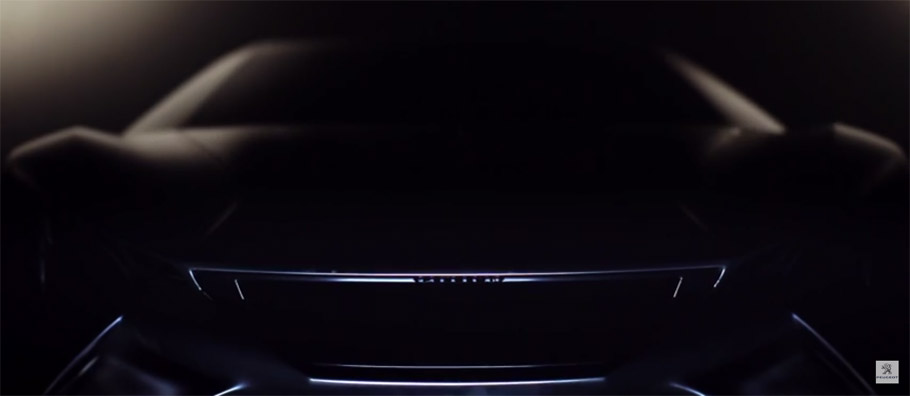
    Peugeot Mystery Concept Car TeaserWith the video below Peugeot invites us to actively solve the mystery about an upcoming project. The teaser we found on YouTube tells us the story of Peugeot’s mystery concept car. What we can get from it as information, since there is none, is that it is a vehicle which blends the codes of the GT supercar and the prototype sports car. What’s also confirmed is that it will be revealed very soon.

    From what we can see, this video comes to promote a future model in the Gran Turismo 6 video game. Just take a look at the sketches in the beginning and you will be assured of that. Or this is just my conjecture.

    The sketches also reveal that the car will have a very low ride, concept-like exterior, wide and muscular stance and supreme performance. Still, the car remains under cover, so we have to wait a little longer to get the real impression.

    Well, the only thing that we were allowed to see in this video is the typical Peugeot’s grille, and there is nothing new to that. Unfortunately, there are no additional details disclosed. Just consider the facts that even the automaker and Gilles Vidal, who is company’s style director, calls it a “mystery concept car”. “Coming soon” is what we have as a promised launch date, so stay tuned!

    httpv://youtu.be/vE23Pq3APzk

    Source: Peugeot via YouTube

  • Aston Martin Teases DP-100 Vision Gran Turismo

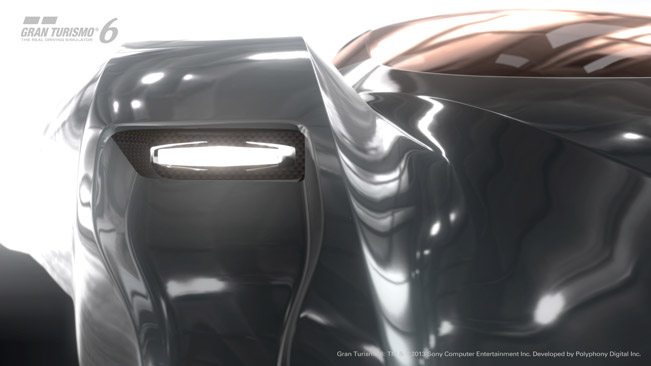
    Aston-Martin-DP-100-Vision-Gran-Turismo-THUMBAston Martin DP-100 Vision Gran Turismo is the name of Aston Martin’s entry in the Gran Turismo 6 video game for PlayStation3. It is in the shape of Design Prototype 100 (DP-100) and has just been teased with couple of images. It will make its official debut at the Goodwood Festival of Speed on Friday, 27th of June. DP-100 was developed in-house by the Design team at Aston Martin. As the other cars in the game, this one is a new virtual-only GT racer, which will be available for PS3 customers to download in July.
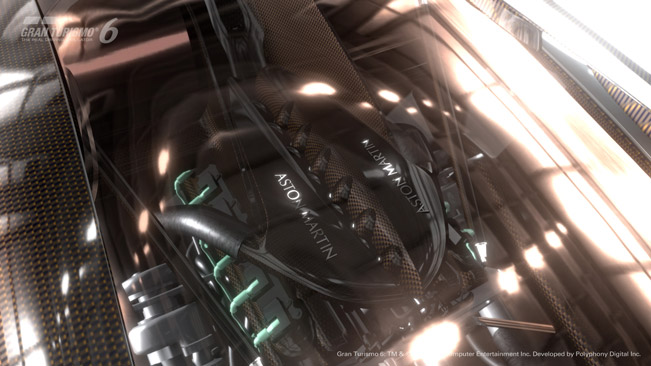
    We can say much when observing the first teaser image except for that we see the curvaceous body of the prototype and it’s typical for Gran Turismo cars menace look. However, judging on from the second picture, we are almost sure of seeing a V12 engine, which includes a lot of carbon fiber.

    This year Gran Turismo video game series celebrates its 15th anniversary. Next to Aston Martin DP-100 the PS3 user will enjoy driving virtual concept vehicles from rival firms such as BMW, Nissan, Mitsubishi, Volkswagen and other.

    This year’s Goodwood Festival of Speedstarts tomorrow and will last until 29th of June.

    Source: Aston Martin

  • Nissan Vision Gran Turismo Concept

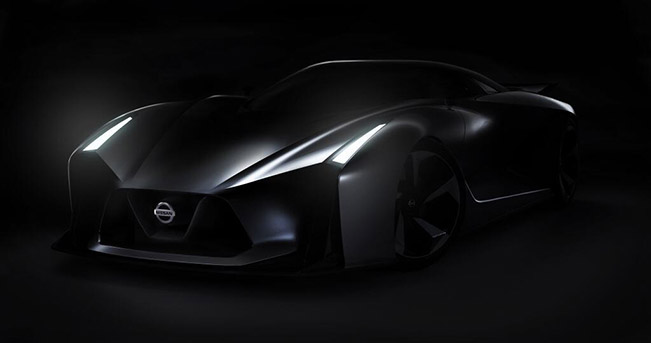
    Nissan has published a new picture of Vision Gran Turismo Concept on Twitter. The Japan manufacturer didn’t release any further information, but the interesting sports car resembles a GT-R from the future.

    There is a strange V-motion front fascia and slender headlights. The huge air-intakes are going to deliver enough air for the expected extremely powerful engine, which will power the upcoming Nissan GT-R. It is rumored to have over 800HP (588 kW), which is considerably more than the current most powerful version – Nismo having 600HP.

    The drivetrain of the new Nissan GT-R will consist of the well-known VR38DETT 3.8 liter twin-turbo V6 engine and an electric motor. Of course, a KERS-like system will be installed thanks to Williams F1 Team.

    The Vision Gran Turismo Concept boasts a  double bubble roof flowing into the rear end. There are also aggressive side skirts and huge five-spoke alloy wheels probably measuring 20” or 21”.

    Nissan will unveil more information on June 16th as well as more pictures and details.

    Stay tuned!

    Source: Nissan

  • Virtual Reality: BMW Vision Gran Turismo [VIDEO]

    BMW-Vision-Gran-Turismo-THUMBBMW Vision Gran Turismo is just too good to be true. It is a virtual race car which races on the racetrack in Gran Turismo 6. The latter is an acclaimed racing title available exclusively on PlayStation3. Of course, the vehicle was created by BMW Group Design. It is powered by a virtual three-litre six-cylinder inline engine, developed by BMW M GmbH. The unit delivers peak performance of nearly 550 horsepower (404 kW). The car also promises fast laps and optimum handling and control.

    The virtual the BMW Vision Gran Turismo has crisp proportions and a dynamic silhouette. The front and rear spoilers ensure optimum down-force, while all air conduction elements reduce drag. They also lower the vehicle’s total weight via the use of carbon fibre. The paint finish in BMW M colours traces the flow of the airstream.

    As mentioned, this unique BMW is powered by the three-litre six-cylinder inline engine which utilizes M TwinPower Turbo technology. The 549 hp are delivered between 6,200 min-1 and 7,300 min-1. The peak torque is 680 Nm (502 lbb-ft) and is developed at just 1,900 rpm.

    The powertrain is coupled with a sequential six-speed transmission, and is operated by gearshift paddles on the steering wheel. The engine power is distributed to the driven rear axle. All in all, BMW Vision Gran Turismo weighs only 1,180 kilograms, and includes a perfect 50:50 axle load distribution.

    The video game “Gran Turismo” was introduced in 1998. It is one of the biggest and most famous award-winning racing simulations. It offers a wide range of realistic racetrack options and authentic-looking HD graphic images.

    httpv://youtu.be/_obcI-bIS4Y

    httpv://youtu.be/a8U89-JtMlI

    Video Source: YouTube

    Souce: BMW