Tag: Cars

  • The Best Air Fresheners for Your Car: Picks for a Fresh Smelling Ride

    the-best-air-fresheners-for-your-car-picks-for-a-fresh-smelling-ride

    It’s 7 a.m., and all you can smell on your morning commute is stale food, pet hair, and body odor. That stinky air keeps recirculating through the car vents. It’s not just torture for you, but any passengers who have the displeasure of riding along with you.

    But fear not, there are plenty of solutions out there. And most of them are cheap and easy to install. So sit back and explore some of the best air freshener solutions for your car taking into account scent variety, longevity, and overall effectiveness.

    Febreze Car Vent Clips

    Why It’s Great: Febreze Car Vent Clips are a popular choice due to their ease of use and variety of scents. Simply clip one onto your car’s air vent, and it will release a fresh fragrance every time you turn on the AC or heat. The scent intensity is adjustable, allowing you to control how strong or subtle you want the aroma. They’re cheap and readily available at any automotive or big-box retail chain.

    Scent Options: From classic linen and sky to more exotic choices like Gain Original and Island Fresh, they’ve cornered the market on “clean” scents.

    Longevity: Each clip lasts up to 30 days, providing a month of consistent freshness.

    Little Trees Air Fresheners

    Why It’s Great: The iconic Little Trees are a staple in the world of car air fresheners. Known for their distinctive tree shape and wide range of fragrances, they offer a nostalgic yet effective solution to keeping your car smelling great. Hang them from a rearview mirror and let the fragrance dissipate throughout your vehicle.

    If the classic tree isn’t to your liking, there are several other companies out there. California Scents and Chemical Guys offer their versions of these hanging air fresheners. Or if you’ve got a little extra scratch and a creative design, you can find a company to make some custom air fresheners to really impress your passengers.

    Scent Options: The company boasts over 40 different scents, including black ice, the most popular air freshener scent in the world.

    Longevity: While companies claim weeks of fresh scent coming from their hanging air fresheners, the truth is you can expect around a week or two of actual fragrance before the paper dries out. And that’s with ideal conditions. But at around a dollar apiece, that’s pretty good bang for your buck.

    PURGGO Car Air Freshener

    Why It’s Great: PURGGO offers a natural, non-toxic air freshening solution that uses bamboo charcoal to absorb odors instead of masking them. This is an excellent choice for those who prefer an eco-friendly product with no synthetic fragrances or chemicals. Or for people who smoke or come from jobs where they can track a smell with them into the car.

    Scent Options: PURGGO air fresheners do not release any fragrance, which is perfect for individuals sensitive to strong scents or who prefer a more neutral environment.

    Longevity: One of its standout features is its longevity. A single PURGGO freshener can last over a year, making it a cost-effective and environmentally friendly option. After the year is up, you can even dump the bamboo charcoal into your garden as it makes a great fertilizer.

    Chemical Guys New Car Smell Premium Air Freshener

    Why It’s Great: If you want to bring back that new car smell you enjoyed when you purchased your vehicle, the Chemical Guys New Car Smell Premium Air Freshener is for you. This spray formula is designed to mimic the aroma of a new car interior, providing a quick and potent burst of freshness. It even includes some odor-eating enzymes that help clear out those pesky odors at the same time. It’s a pretty good deal at just over $10 a bottle.

    Scent Options: The spray is only available in “New Car” at the moment.

    Longevity: Each spray is intense, but it doesn’t have the longevity of other products on the market. You’ll need to keep the bottle handy and spray your car down every few days to keep it smelling new.

    California Scents Spillproof Can Air Fresheners

    Why It’s Great: These small aluminum cans (shaped like an old tuna can) are filled with scent-saturated pads and designed to sit discreetly under your seat. The spill-proof design makes it hassle-free, and at a few bucks each, they’re highly affordable. With such an easy-to-use design, you can even use these cans in lockers, bathrooms, or any other confined space that needs a little freshening up.

    Scent Options: Available in a wide array of scents, including cherry, coronado cherry, and their trademark Laguna breeze.

    Longevity: Each can lasts up to 60 days, providing two months of fragrance. You can get a little more time out of it by not opening the can entirely at first. And when you’re done, the aluminum can is 100% recyclable.

    Ozium Smoke & Odors Eliminator Gel

    Why It’s Great: Ozium is a well-known brand in odor elimination, particularly for those who want to neutralize smoke or other persistent odors. Their gel air freshener is designed to eliminate smells rather than cover them up, making it a top choice for smokers or those transporting pets.

    Scent Options: This air freshener doesn’t utilize a fragrance but instead works by killing active odor particles already in the car.

    Longevity: The gel formula can last up to a month, depending on the level of odor control needed.

    InnoGear USB Oil Diffuser

    Why It’s Great: Now that almost every car made in the past 10 years has a USB port handy, this air freshener utilizes it to inject some fresh scents into your vehicle. Shaped to fit in your cup holder, it works a bit like a Glade Plug-in by warming up some oil and dispursing it through the air. And when it comes to strength, you’re fully in control by determining how many drops of oil to use.

    Scent Options: USB oil diffusers can use any essential oil out there. So the scent options are endless.

    Longevity: The beauty of being USB-operated is that the diffuser will only run when your car is running. There is no waste here. They’ll last until the water and oil has fully burned out, at which point you need to remove the cap and add some more.

    Moso Natural Air Purifying Bag

    Why It’s Great: Another excellent eco-friendly option, the Moso Natural Air Purifying Bag uses 100% activated bamboo charcoal to purify the air. It’s perfect for those who want a chemical-free, fragrance-free option that effectively absorbs odors, allergens, and pollutants.

    Scent Options: This product is scent-free, which appeals to those who prefer a neutral environment.

    Longevity: The Moso bag can last up to two years. To maintain effectiveness, simply place it in the sun once a month to rejuvenate the charcoal.

    How to Decide

    We’ve covered many great options for not just covering up the nasty odors in your car but breathing some fresh life into it too. But the best air freshener for your car depends on your specific needs and preferences. If you want a powerful scent, look toward vent clips and paper air fresheners that emit fragrances. If you’re sensitive to strong smells, use a passive option odor-eliminator like a charcoal bag.

    Whether you want a powerful scent, a neutral odor eliminator, or an eco-friendly option, there’s a product out there to suit your taste. Try a few different types to see which one you like best, and enjoy a fresh-smelling car every time you drive!

    Image Source: Google Images

  • Maximizing Vehicle Performance with Modern DAQ Systems

    maximizing-vehicle-performance-with-modern-daq-systems

    In today’s fast-paced automotive world, squeezing every ounce of performance from a vehicle is not just a luxury but a necessity. The secret weapon? Data Acquisition (DAQ) systems. DAQ systems gather crucial data in real time from various sensors and components, offering valuable insights for optimizing vehicle performance. Let’s dive into how modern DAQ systems are revolutionizing the automotive industry.

    Understanding DAQ Systems

    Data Acquisition systems are designed to collect, analyze, and store data from various sensors installed in a vehicle. These sensors monitor parameters such as temperature, pressure, speed, and force. The data collected is then processed and used to fine-tune vehicle systems, enhancing performance and safety.

    Real-time Data Streaming

    One of the most significant advancements in modern DAQ systems is real-time data streaming. This feature allows engineers to monitor vehicle performance instantaneously, identifying issues as they occur. Real-time data streaming is crucial for applications such as motorsports, where split-second decisions can make a substantial difference.

    The Evolution of DAQ Systems

    DAQ systems have come a long way since their inception. Early systems were bulky, slow, and limited in functionality. Today, modern DAQ systems are compact, fast, and feature-rich. They offer real-time data streaming, wireless connectivity, and cloud integration, making them indispensable tools for engineers and researchers. To better understand the advancements made over the years, it’s useful to explore more about DAQ systems and their applications. These systems have transformed data collection methods, offering precise and comprehensive data that was once difficult to acquire.

    Wireless Connectivity

    Gone are the days of cumbersome cables and connectors. Modern DAQ systems often come with wireless connectivity options such as Wi-Fi, Bluetooth, and cellular networks. Wireless connectivity simplifies the installation process and allows for remote monitoring and data collection, providing greater flexibility and convenience.

    Cloud Integration

    Cloud integration is another game-changer in the world of DAQ systems. By uploading data to the cloud, engineers and technicians can access and analyze it from anywhere in the world. This capability facilitates collaborative efforts, speeds up decision-making, and enhances overall efficiency.

    Integration with Autonomous Driving Systems

    Another exciting application of DAQ systems is their integration with autonomous driving technologies. As self-driving cars become more prevalent, the need for accurate and reliable data grows. DAQ systems play a critical role in providing the data needed for the vehicle’s AI algorithms to make real-time decisions, ensuring both safety and performance.

    Applications in Motorsports

    Motorsports teams are among the most avid users of modern DAQ systems. In racing, every millisecond counts, and detailed data analysis can provide a competitive edge. DAQ systems help teams monitor tire pressure, engine performance, and aerodynamic efficiency, enabling them to make informed adjustments and improve lap times.

    Enhancing Road Vehicle Performance

    While DAQ systems are highly valued in motorsports, they also play a crucial role in enhancing the performance of everyday road vehicles. Manufacturers use DAQ systems during the development and testing phases to optimize engine performance, fuel efficiency, and emissions. Additionally, DAQ systems are utilized in aftermarket performance tuning to achieve the best possible results.

    Improving Vehicle Diagnostics

    Vehicle diagnostics have also greatly benefited from modern DAQ systems. These systems are capable of providing detailed information about the vehicle’s health and identifying issues that may not be obvious through regular inspections. This leads to better maintenance practices and reduced downtime for vehicles, which is particularly beneficial for commercial fleets.

    Environmental Impact

    Lastly, DAQ systems contribute to reducing the environmental impact of vehicles. By providing data that helps optimize fuel consumption and reduce emissions, DAQ systems support the development of greener technologies. This not only benefits car manufacturers but also contributes to global efforts in combating climate change.

    Future Trends

    The future of DAQ systems looks promising, with ongoing advancements in sensor technology, data processing, and artificial intelligence. Emerging trends include predictive maintenance, where DAQ systems can forecast and prevent potential issues before they arise, and the integration of machine learning algorithms for more sophisticated data analysis.

    Conclusion

    Modern DAQ systems are transforming the automotive landscape, offering valuable insights for maximizing vehicle performance. From motorsports to everyday road vehicles, DAQ systems provide the data needed to drive innovation and achieve new levels of efficiency and performance. As technology continues to evolve, we can expect DAQ systems to become even more integral to the automotive industry.

  • How to Transform a Standard Sedan Into a Sweet Ride

    how-to-transform-a-standard-sedan-into-a-sweet-rideEveryone loves flashy sports cars or luxury vehicles, but not everyone can afford to own one. The good news is that even if you have a standard sedan, there are many ways that you can turn an ordinary car into a vehicle that turns heads. Whether you are into performance or aesthetics, here are some ways you can turn your sedan from least to beast.

     

    1. Upgrade your Wheels and Tires

    First things first, stock standard tires are boring! Swap them out for something a little more meaty, like 18 inch rims that give your ride a tougher stance. Think matt black, chrome, or gunmetal finishes that look more commanding. If you feel extra bold, go for red or orange for a powerful vibe adjustment. Pair these with performance tires that not only look chunky but grip the road and give you sharper handling.


    2. Lower the Suspension

    Going high or low with the suspension changes the entire attitude of your vehicle. To give your sedan a meaner image, drop the suspension and bring your ride closer to the ground. This gets rid of that unsightly wheel gap and lets your car hug the road a little closer. With the lower center of gravity, you now have a street warrior that has improved grip and stability. Plus, a lower ride just looks so much cooler.


    3. Add a Body Kit

    Need a quick fix? Slap on a body kit! Body kits usually come with front and rear bumpers, side skirts, and even spoilers or scoops. Choose a kit with bold and aggressive lines to give our car a fierce presence. Think beefy bumpers, sleek side skirts, and a rear spoiler for a little extra style. A good body kit not only makes your car look better but also adds functional aerodynamics, allowing it to take to the streets faster and safer.


    4. Level Up the Lighting

    If you want your sedan to look as striking at night as it does in the day, you must level up your lighting. Ditch stock headlights for LED or HID units that cut through the night with flair. Add some LED running lights to enhance the mood, even in the daytime. And, for those who like a little more drama, underglow lights will get you plenty of attention in the dark. And don’t forget to upgrade to smoked or clear lens tail lights to complete the look.


    5. Tint the Windows

    While you want your lights to be eye-catching, you certainly don’t want anyone looking into your vehicle. Give your sedan a stealthy and mysterious look with a solid window tint that blocks out prying eyes. Window tints also cut down on glare and help keep the interior of your car cool in the summer. That said, note that there are regulations regarding window tints in the USA, so check your state limits for legal visible light transmission (VLT) percentages.


    6. Add a Performance Exhaust

    Unleash the beast with a performance exhaust system! These exhausts let your engine vent freely, enhancing your power on the road. Of course, its signature deep, throaty growl is one of its best features and is guaranteed to add a rugged aspect to your drive. Furthermore, the stainless steel pipes are resistant to corrosion and add a sleek, high-performance look that any driver behind you will admire.


    7. Get a Custom Paint Job

    A special paint job will take your vehicle from drab to fab. Skip the default factory colors and go for something that truly stands out—matte black for a strong silent style or a metallic finish for that extra rizz. Be sure to choose high-quality paint and send your car to a professional painter for a flawless finish that lasts. Another less permanent option is to choose a vinyl wrap, which will also allow you to apply more complex patterns.


    8. Upgrade the Interior

    While you work on the exterior of your baby, don’t forget to make her beautiful on the inside as well. Upgrade the standard seats to sports seats or custom leather and you will be surprised how that little attention to detail on the stitching elevates the feel of your ride. Other custom trim can include custom shift knobs, floor mats, and dash trims; there are plenty of places to work in your personal style.


    9. Install New Electronics

    Cutting-edge electronics can add a luxury tech touch to an ordinary car. Start with an infotainment system with a large touchscreen and smartphone integration. Add a set of powerful speakers and a subwoofer to turn your ride into a rolling music venue. Advanced features like rearview cameras, parking sensors, and GPS navigation are must-haves. You can also go a little further and pop in an under-the-hood upgrade like a performance ECU tune.


    10. Regular Maintenance

    Finally, regular tender loving care is the only way to keep your vehicle looking and performing at its best. Send your car to the auto shop for scheduled detailing and maintenance to preserve all your mods and keep them working well. Regular washing, waxing, and interior cleaning will keep your ride looking like it is fresh out of the showroom. So, if you are sick of your sedan, why not pick up some of the above upgrades and take it to the next level?


  • Taking the Scenic Route: 8 Must-Have Features in Your Next Road Trip Car

    taking-the-scenic-route-8-must-have-features-in-your-next-road-trip-car

    Choosing the right car for a road trip can make all the difference. Long drives require more than a reliable engine; you need features like ample space, advanced safety, and modern conveniences to enjoy your time on the road.

    This article explores must-have features for your next road trip car that help guarantee every mile is enjoyable and hassle-free. From spacious interiors to advanced infotainment systems, having the right features can turn a good trip into a great one.

    Whether you’re planning a weekend getaway or a cross-country adventure, these tips will guide you to the perfect vehicle.

    1. A Spacious Interior and Comfortable Seating

    Long hours on the road require seats that provide ample support and adjustability to keep everyone comfortable.

    Look for features like multi-way adjustable seats, lumbar support, and high-quality seat materials. Ample legroom and headroom are also a must-have for maintaining comfort during extended drives.

    For example, a used Jaguar SUV will provide a luxurious and spacious interior without breaking the bank. These vehicles also often come with premium materials and advanced seat adjustments so that all your passengers can enjoy a comfortable ride.

    Prioritizing a spacious and comfortable interior will make your road trip more enjoyable, reduce fatigue, and keep everyone in good spirits throughout the journey.

    2. Advanced Safety Features

    Advanced safety features can make your road trip worry-free. Modern cars offer systems like adaptive cruise control, lane-keeping assist, and blind-spot monitoring to enhance driver awareness and reduce the risk of accidents.

    Features such as automatic emergency braking and pedestrian detection add an extra layer of security. These technologies work together to provide peace of mind and allow drivers to focus on enjoying the journey.

    3. Reliable Navigation System

    Vehicles with integrated navigation systems that offer real-time traffic updates, easy route planning, and a large, clear display can ensure a smooth trip from Point A to Point B.

    In some models, integrated navigation systems are especially sophisticated and user-friendly. These features help you avoid traffic jams, find the quickest routes, and explore new destinations without getting lost.

    4. Ample Cargo Space

    Ample cargo space is crucial for accommodating all your luggage and gear on a road trip. Features like foldable seats, roof racks, and underfloor storage maximize the available space and give you the freedom to pack everything you need.

    SUVs typically offer generous cargo capacity, making them ideal for road trips. Guaranteeing your vehicle has enough space for all your essentials helps keep the cabin clutter-free and passengers comfortable.

    5. Infotainment System

    A quality infotainment system enhances the road trip experience by keeping passengers entertained and connected. Look for features such as touchscreens, smartphone integration (like Apple CarPlay and Android Auto), and high-quality sound systems.

    These systems allow easy access to music, navigation, and hands-free calls. Luxury vehicles often come equipped with advanced infotainment options to help everyone stay entertained throughout the journey.

    6. Fuel Efficiency

    Fuel efficiency is another crucial consideration for long road trips because it reduces fuel costs and the need for frequent stops. Choose vehicles that offer impressive miles per gallon (MPG) ratings and consider hybrid options for improved efficiency.

    Efficient models help you travel farther on less fuel, making your journey more economical. Additionally, if you’re buying used cars for a larger fleet or commercial project, using high-quality fuel, antifreeze, and lubricants from companies like Cadence Petroleum can help support your vehicle’s performance and longevity.

    Look for cars that balance performance with reasonable fuel efficiency and provide a smooth, cost-effective drive.

    7. All-Wheel Drive Capability

    All-wheel drive (AWD) capability is essential for road trips that involve diverse terrains and weather conditions. AWD provides better traction and stability, which makes it easier to handle rough roads, rain, or snow.

    Large vehicles often come with AWD options, enhancing safety and performance on various surfaces. Having AWD ensures that your car can tackle any road condition confidently and explore new destinations without worry.

    8. Climate Control System

    A reliable climate control system should have features like dual-zone or tri-zone climate control, which allow passengers to adjust settings independently for personalized comfort. Seat warmers and ventilated seats also enhance comfort in varying weather conditions.

    If you can, look for vehicles that offer sophisticated climate control systems. These systems ensure consistent cabin temperatures throughout the journey. Prioritizing a sophisticated climate control system is one way to guarantee that all passengers stay comfortable, regardless of external weather conditions.

    Ready for the Road

    Equipping your road trip car with essential features like advanced safety, reliable navigation, and ample cargo space ensures a comfortable and enjoyable journey. Whether opting for a spacious SUV or a fuel-efficient model, these must-have features prepare you for unforgettable adventures on the open road.

    Image Source: Google Images

  • Discovering the Best Used Cars, SUVs, and Trucks at Dealerships: What to Expect and Why It’s Worth It

    discovering-the-best-used-cars-suvs-and-trucks-at-dealerships-what-to-expect-and-why-its-worth-it

    In today’s automotive market, purchasing a used vehicle offers an array of benefits that go beyond just cost savings. Dealerships, in particular, provide a secure and reliable way to find the perfect used car, SUV, or truck to meet your needs. Let’s dive into why buying from a dealership is a great choice and what options you can expect.

    The Advantages of Buying Used from a Dealership

    1. Quality Assurance and Inspections Dealerships often have stringent inspection processes for their used vehicles, ensuring that each car, SUV, or truck meets high standards of quality and reliability. Certified Pre-Owned (CPO) programs are a great example, where vehicles undergo comprehensive checks and come with extended warranties. This gives buyers peace of mind knowing their vehicle has been thoroughly vetted.

    2. Variety and Availability Dealerships typically have a diverse inventory of used vehicles, ranging from compact cars and family SUVs to rugged trucks. This variety allows customers to compare different models and brands in one location, making it easier to find a vehicle that fits their lifestyle and budget.

    3. Financing Options Unlike private sellers, dealerships offer financing options, which can be especially helpful if you’re not able to pay for the vehicle outright. They often have partnerships with banks and financial institutions, enabling them to offer competitive loan rates and flexible payment plans. This convenience simplifies the purchasing process and makes it more accessible.

    4. Trade-In Opportunities Dealerships often provide trade-in services, allowing you to trade your current vehicle for credit towards your new purchase. This can significantly reduce the overall cost and make upgrading to a newer model more affordable.

    5. Professional Expertise and Support Dealerships employ knowledgeable sales staff and certified technicians who can answer your questions and provide valuable insights. They can help you understand the features and benefits of different models, ensuring you make an informed decision.

    Options Available at Dealerships

    1. Sedans and Compact Cars For those looking for fuel efficiency and easy maneuverability, dealerships offer a wide selection of sedans and compact cars. Models like the Toyota Camry, Honda Civic, and Ford Focus are popular choices known for their reliability and performance.

    2. SUVs If you need more space and versatility, SUVs are an excellent option. Dealerships carry a range of used SUVs, from compact models like the Subaru Forester to full-size options like the Chevrolet Tahoe. These vehicles are ideal for families, outdoor enthusiasts, and anyone needing extra cargo space.

    3. Trucks For those requiring power and durability, dealerships have an array of trucks to choose from. Models such as the Ford F-150, Chevrolet Silverado, and Ram 1500 are renowned for their towing capacity and rugged performance, making them perfect for work and play.

    4. Luxury Vehicles For buyers looking to indulge in a bit of luxury, dealerships often have used luxury cars and SUVs from brands like BMW, Mercedes-Benz, and Lexus. These vehicles offer premium features and superior comfort at a more accessible price point compared to new models.

    5. Hybrid and Electric Vehicles With the growing focus on sustainability, many dealerships also offer used hybrid and electric vehicles. Models like the Toyota Prius, Chevrolet Bolt, and Tesla Model 3 provide eco-friendly options without sacrificing performance.

    Making the Right Choice

    When considering a used vehicle, visiting a dealership offers numerous benefits that can make your buying experience both enjoyable and secure. With rigorous inspections, a variety of options, financing assistance, and expert support, dealerships ensure that you find the perfect vehicle to suit your needs and budget.

    Conclusion

    Buying using a used car, SUV, or truck at a dealership is a smart choice for anyone looking for reliability, variety, and professional service. Whether you need a compact car for city driving, a spacious SUV for family adventures, or a powerful truck for work, dealerships have you covered. Explore the options available and take advantage of the benefits that come with purchasing from a trusted dealership. Happy car hunting!

    For more information and to browse current inventories, visit your local dealerships or their websites. Start your journey towards finding the perfect used vehicle today!

    Image Source: Google Images 

  • Is Removing Your DPF Worth It? A Comprehensive Guide

    is-removing-your-dpf-worth-it-a-comprehensive-guide

    Introduction

    Diesel Particulate Filters (DPF) are currently among the most important parts of diesel vehicles because they help in controlling emission of hazardous substances. Currently, due to the increased environmental legislations, DPF systems are now required in many parts of the globe. Nonetheless, there are certain car owners who opt for the removal of DPF for better performance and minimising the vehicle repairing expenses. This definitive guide will look into the role of the DPF, the advantages and disadvantages of its removal, possible reasons why one may consider the removal of the DPF together with a look at the DynoVox DPF Delete Pipe.

    Understanding the DPF System

    Diesel Particulate Filter (DPF) is a filter which is used to accumulate soot particles produced by diesel engines in the exhaust gases. Thus, the DPF captures these particles and decreases the emission of pollutants into the environment by a great extent. It periodically has to go through a process referred to as regeneration whereby the soot collected is burnt and transformed into other products such as carbon dioxide and water steam.

    How DPF Regeneration Works

    There are two types of regeneration: There are two types of voice, according to the level of the information processing in passive and active. Passive regeneration happens automatically when the car is being used and the exhaust temperature is high enough to burn the soot out of the filter. The other method of regeneration is active where more fuel is introduced into the exhaust system to raise the temperature and initiate the burning of the trapped pollutants.

    Importance of the DPF

    Due to the increasing need to adhere to environmental rules and enhance the quality of the air that is in the ambiance, DPFs are very important. They are crucial especially in cities where diesel vehicles have a high emission rate on the roads. Due to their ability to cut down on particulate matter emissions, DPFs are beneficial to the health of the public and the environment.

    Pros and Cons of DPF Removal

    Although DPF removal has its advantages it has numerous disadvantages that come with it. Knowing the advantages and disadvantages of something helps one make a wise decision.

    Pros of DPF Removal

    Improved Performance

    The removal of the DPF can also increase engine power output which is one of the main reasons why people remove the filter. By removing the DPF, you also release the back pressure in the exhaust, which in turn makes the engine to work with more ease. This can lead to higher horsepower and torque which may lead to a lot of improvements in the performance of the vehicle.

    Reduced Maintenance Costs

    DPFs need to be serviced to be in good condition to function as expected. Eventually, they may get jammed with soot and this calls for costly cleaning or replacement of the filters. Thus, the owners can get rid of these costs and risks and, therefore, save some money.

    Enhanced Fuel Efficiency

    Some people have noted that they get better fuel consumption when the DPF has been unplugged. This is because when installing the filter the engine does not have to work as hard as when expelling the gases through the regular system which could save fuel.

    Cons of DPF Removal

    Environmental Impact

    Opening the DPF means that more particulate matter will be emitted to the atmosphere thus increasing air pollution and its effects. This is rather contradictory to the goals of environmental protection laws and rules meant at controlling emission of hazardous substances.

    Legal Consequences

    Many areas have outlawed the deletion or modification of emission controls, which includes the DPF. Some of the consequences of using vehicles with defective DPFs include; the vehicles may fail emission tests which can attract fines and penalties. Also, driving a vehicle without a DPF can result to the confiscation of the vehicle in some regions.

    Potential Engine Damage

    DPFs are mounted within the vehicle exhaust and the engine control module. This leads to the trouble with sensors and control units of the engine, which can cause malfunctions and serious damage in the future after DPF is disconnected.

    Factors to Consider Before Removing the DPF

    The following are the factors to consider before removing the DPF:

    Before coming to a decision to remove the DPF, there are several factors that one must consider.

    Legal Considerations

    Emissions Regulations

    It is advised to check your state’s laws concerning emissions to find out if you are allowed to have DPF removed. In most countries, it is against the law to manipulate the emission control systems and this attracts severe legal consequences. It is important that one has to know the consequences of changing something legally.

    Inspection and Compliance

    Vehicles without DPF may have problem in passing emission test. It can also cause problems in the renewal of car registration or any standard checks that are mandatory. It is advisable to know the inspection regulations in your area.

    Performance and Maintenance Considerations

    Engine Compatibility

    All engines are not suitable for DPF removal. Some of the contemporary engines cannot work efficiently without DPF and may develop problems if this component is tampered with. It is recommended to seek the advice of a professional mechanic or a specialist to know if your car is fit to have the DPF removed.

    Maintenance Costs

    Although the DPF can be removed to avoid some costs of maintenance, it can result to incurring more costs in other aspects. For instance, in case the DPF is not present, the exhaust system might need to be cleaned more often to avoid soot deposition. Before acting, it is recommended to take into account the possible future expenses for maintenance.

    DynoVox DPF Delete Pipe

    When people opt for this procedure and want to remove DPF, then it becomes imperative to select a quality DPF delete pipe. DynoVox has an assortment of DPF delete pipes intended for diesel vehicles and this also includes some of the popular vehicles such as the Ford F-250.

    Quality and Durability

    DynoVox DPF delete pipes are made from good quality material which is very durable. These are built with the ability to last long in the exhaust system environment to provide the best performance. These pipes are manufactured to match the specifications of your car’s exhaust system to help solve the DPF issues effectively.

    Performance Enhancement

    DynoVox DPF delete pipes are produced to enhance the exhaust gas circulation and to minimize back stress. This can lead to considerable increases in horsepower and torque, which simply means that the car is going to perform better. Most of the users have complained of enhanced throttle control and acceleration after installing a DynoVox DPF delete pipe.

    Warranty and Support

    Divya’s, in sum, has a warranty along with good support for its products including DynoVox. This way, when you are transacting, you will be comfortable knowing you are paying for quality, from a reputable company. This option eliminates concerns pertaining to material deficiency as well as workmanship, for the benefit of the invested amount.

    Price and Value

    Altogether, although DynoVox pipes for DPF delete may not be the cheapest in market availability they prove to be very worthwhile. This is because while buying them, clients are awarded quality, performance enhancement, and warranty support which are factors that make the purchase worthwhile. You should also refrain from items at this extreme because, while they are cheap to acquire, they may also be of poor quality and come with other problems afterwards.

    Conclusion

    Selecting whether or not to have your DPF eliminated involves much concerning aspects. There are also some advantages for the company, including the possible increased performance and lower maintaining costs, but there are also many disadvantages, based on the environmental effects and legal issues.

    That’s why before communicating with the DPF it is important to acquaint themselves with its purpose and possible consequences of its removal. It always helps to get the opinion of a mechanic or a specialist so be sure to talk to one.


    For the one who has decided the DPF removal is the right thing, the best materials for the DPF delete pipe can be found at the DynoVox. The following pipes are ideal in delivering performance while at the same time considering the issue of durability as well as reliability.

    All in all, the decision to have your DPF system removed should take into consideration the advantages and disadvantages, legal implications, and other requirements of your car. So when both options seem to be favorable, by taking time to balance these factors you will be in a position to make a good choice depending on priorities.

  • Innovative Solutions in the Junk Car Industry

    innovative-solutions-in-the-junk-car-industry

    The junk car industry has historically been seen as a repository for old, unusable vehicles. However, recent innovations have transformed this sector into a thriving platform for sustainable practices and technological advancements. In this blog post, we’ll take a look into some of the most exciting developments reshaping the junk car landscape. From eco-friendly disposal methods to digital solutions, the future of junk cars is surprisingly bright.

    Digital Solutions and Platforms

    The digitization of the junk car industry has streamlined operations and improved customer experiences. Platforms now use AI to match car owners with recycling centers, providing a more efficient means of junk car disposal. Additionally, blockchain technology ensures transparency and traceability throughout the recycling process. For those wondering how to sell your junk car, these digital solutions offer a straightforward and accessible way to ensure their vehicles are disposed of responsibly and sustainably.

    Community Initiatives and Collaborations

    Local communities and organizations play a vital role in promoting responsible junk car disposal. Various initiatives encourage residents to participate in car recycling drives, often providing incentives. Collaborative efforts between municipalities and recycling centers like community recycling drives, incentive programs, and municipal collaborations have proven effective in tackling environmental issues on a larger scale.

    Eco-Friendly Disposal Methods

    One of the most pressing issues in the junk car industry is environmental sustainability. Traditional disposal methods contribute significantly to pollution, but modern approaches are taking a greener path. Companies are now employing bio-remediation techniques to clean up hazardous substances. Essentially, they use natural organisms like bacteria and fungi to break down harmful materials. In addition to bio-remediation techniques, recycling car parts is a big factor in reducing landfill waste.

    New Business Models Emerging

    As the junk car industry evolves, new business models are emerging to capitalize on the changing landscape. Subscription services for car recycling are being introduced, allowing customers to pay a monthly fee for regular, scheduled pick-ups of their scrap vehicles. These services aim to make it more convenient for people to dispose of their junk cars responsibly, thereby increasing recycling rates and reducing environmental impact.

    Advanced Recycling Technologies

    Recycling isn’t just about melting down metal parts anymore. Innovations in material recovery allow for a highly efficient re-use of various car components. For instance, advanced shredders and separators are more effective in isolating valuable materials like aluminum, steel, and even rare metals found in catalyst converters. These processes not only reduce waste but also lower the cost of manufacturing new vehicles.

    Global Collaboration for Sustainability

    The junk car industry is also seeing increased global collaboration aimed at sustainability. International partnerships are being formed to share best practices and technologies, allowing countries to learn from one another and implement the most effective recycling methods. These collaborations are critical for addressing global environmental challenges and ensuring that the junk car industry remains sustainable in the long run.

    Upcycling and Creative Reuse

    Not all junk cars end up in scrapyards; some find new life through upcycling. Creative individuals and organizations repurpose old car parts into furniture, art, and even new automotive projects. This trend not only diverts waste from landfills but also adds artistic value to discarded materials.

    The Future of the Junk Car Industry

    Looking ahead, the junk car industry is poised for even more innovation. Promising areas include the development of biodegradable car parts and further advancements in automation for dismantling vehicles. With a focus on sustainability and technology, the industry is set to remain an essential component of the automotive lifecycle.

    AI-Driven Predictive Maintenance

    Another exciting development is the use of AI-driven predictive maintenance in the recycling process. By analyzing data from various sensors and historical maintenance records, AI algorithms can predict which car parts are most likely to fail and when. This information can be used to optimize the recycling process, ensuring that valuable materials are recovered efficiently and reducing the overall cost of recycling.

    Final Thoughts

    The junk car industry is undergoing a remarkable transformation thanks to innovative solutions aimed at sustainability and efficiency. From eco-friendly disposal methods to advanced recycling technologies, digital solutions, and community-driven initiatives, the sector is adapting to meet modern challenges. As these trends continue to evolve, the face of the junk car industry will undoubtedly keep changing for the better.

  • Road Safety Tips to Avoid Car Accidents in California

    road-safety-tips-to-avoid-car-accidents-in-california

    Driving in California can be challenging given the high traffic volume and diverse road conditions. To maximize your safety on the road, always practice defensive driving. California’s varied landscape—from bustling cities to mountainous regions—requires drivers to adapt quickly. Adhering to speed limits and being mindful of weather conditions can significantly reduce the risk of accidents.

    Never underestimate the importance of routine vehicle maintenance. Ensuring that your brakes, tires, and lights are in good working order can prevent many common causes of accidents. Prioritize these checks to keep yourself and others safe.

    Understanding Road Safety Laws in California

    California has specific road safety laws designed to protect all road users. This section highlights key aspects such as speed limits, rights and responsibilities of drivers, and navigating distinctive roadways.

    Evaluate the Legal Speed Limits

    California mandates speed limits based on road types and conditions:

    • Freeways: Typically 65-70 mph unless otherwise posted.
    • Residential Areas: Generally 25-35 mph.
    • School Zones: 25 mph when children are present.

    These limits are strictly enforced, and exceeding them can lead to steep fines and points on a driver’s license.

    Know Your Rights and Responsibilities

    Drivers in California have specific rights and responsibilities to ensure safer roadways. They must:

    • Hold Valid Insurance: Minimum liability insurance is required.
    • Obey Traffic Signals and Signs: Ignoring traffic rules can lead to accidents and legal consequences.
    • Yield to Pedestrians: Always stop for pedestrians at crosswalks.

    Navigate California’s Unique Roadways Securely

    California boasts diverse road types, each with unique challenges:

    • Mountain Roads: Expect sharp turns and steep inclines; drive cautiously.
    • Coastal Highways: Be prepared for fog and slick conditions.
    • Urban Streets: Deal with heavy traffic, pedestrians, and cyclists; remain extra vigilant.

    Driving safely in these conditions reduces accident rates and liability. Awareness of these specific roadway characteristics is crucial.

    Preventive Measures and Best Practices

    Ensuring road safety in California involves adopting defensive driving techniques, maintaining and ensuring vehicle safety, and minimizing distractions while driving.

    Adopt Defensive Driving Techniques

    Defensive driving techniques can significantly reduce the risk of accidents. Drivers should maintain a safe following distance, use signals early, and monitor blind spots. They can also adapt to weather conditions by reducing speed and increasing caution during rain or fog.

    Frequent checks on mirrors and avoiding aggressive driving behavior like speeding or sudden lane changes are indispensable. Keeping safe driving practices can prevent potential accidents and, subsequently, lower car accident settlement amounts.

    Vehicle Maintenance and Safety

    Regular vehicle maintenance is a cornerstone of road safety. Routine checks on brakes, tires, lights, and fluid levels can prevent mechanical failures that might lead to accidents. Tires should be properly inflated and have adequate tread to ensure stability on the road.

    Schedule regular inspections by a certified mechanic to identify and resolve potential issues. Ensuring that the windshield wipers are functional and that there is adequate windshield washer fluid is critical, especially during inclement weather.

    Distraction-Free Driving

    Minimizing distractions while driving is essential for safety. Smartphones, navigation systems, and even in-car entertainment should be used judiciously. It’s best to set up GPS routes or playlists before starting the journey.

    Encouraging a practice where the driver focuses only on the road helps reduce accident risks. Along with reducing the chance of collisions, such habits can positively affect car accident settlement amounts by establishing responsible driving behavior.

    Image Source: Google Images

  • Why Might You Need an Emergency Locksmith for Your Car?

    why-might-you-need-an-emergency-locksmith-for-your-car

    There are many situations in which you might need the help of an emergency locksmith expert locksmiths, such as those at American Best Locksmith, offer a wide range of services that help you resolve vehicle related emergencies quickly and easily.

    Learning about the situations that an emergency locksmith can help you with enables you to call for help as soon as possible when you’re in trouble. Below, we have covered the reasons why you might need to call an emergency locksmith for your car.

    You’re Locked Out of Your Car

    One of the most common reasons why people contact emergency locksmiths is to help with unlocking their vehicles.

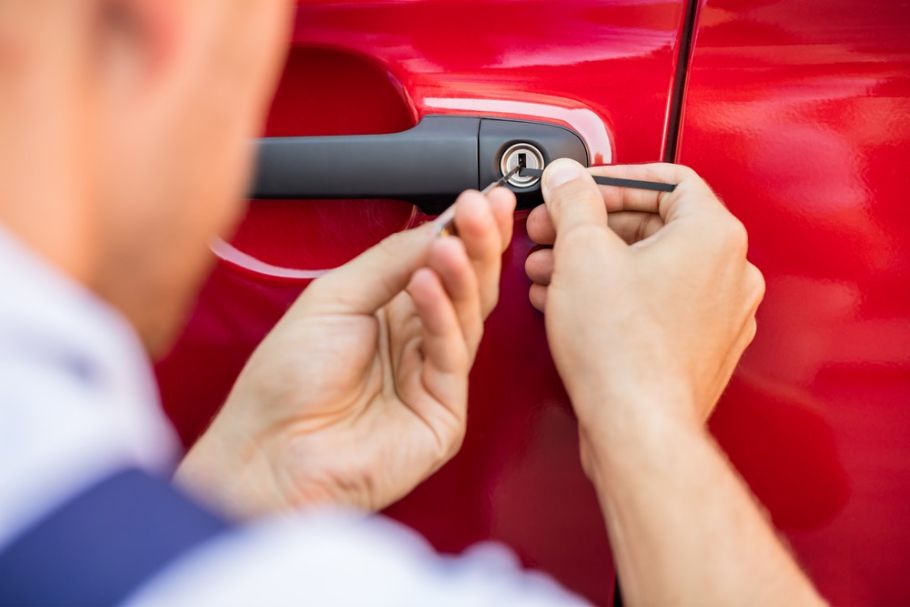
    If you have accidentally locked your car and left the keys inside or your key fob no longer works, an emergency locksmith can use specialised tools to open your car without using the key or key fob. Whether you’ve got a Ford, Fiat, Cadillac, or Aston Martin, a locksmith will know how to get into your car without damaging it so you can retrieve your keys.

    By regaining access to your car quickly with the help of a locksmith, you can avoid delays and continue with your tasks and errands.

    Your Key or Key Fob is Broken

    Unfortunately, car keys and gobs can break seemingly out of nowhere, leaving you unable to access your vehicle. If you don’t have a spare set of keys or an extra fob, you may be stuck without your car until you can take your key to the nearest repair shop.

    This is where an emergency locksmith can save the day. An emergency locksmith is able to reset any damaged keys and key fobs to restore their full function. You don’t need to wait for several days before you can gain access to your vehicle again, as your chosen locksmith will sort your keys out there and then.

    Your Keys Have Been Stolen

    If somebody has stolen your car keys, you might be unable to access your vehicle. Not only is this extremely inconvenient, but it also poses a security risk and may put your safety in question.

    Calling an emergency locksmith can offer protection by maintaining your safety and your vehicle’s safety. They can rekey your car’s lock so the old keys that were stolen no longer work in your vehicle.

    An emergency locksmith can also change the ignition port in your vehicle, disabling the old keys from working and preventing the person who stole your keys from being able to turn your car on and drive it away. The locksmith will then provide you with a new set of keys that matches the new ignition in your car.

    Faulty Ignitions

    If you’re having trouble with your car’s ignition, you might be unable to start your vehicle. Ignition troubles can stem from a broken key insertion or switch or damage to the ignition’s electrical circuit.

    An emergency locksmith will take a look at your ignition and determine the problem. They will then find the best resolution to the diagnosis so your ignition works once again, and you can continue using your vehicle.

    Image Source: Google Images

  • Why Your Ride Deserves an Upgrade: 4 Secrets to Boosting Your Car’s Performance and Style

    why-your-ride-deserves-an-upgrade-4-secrets-to-boosting-your-cars-performance-and-style

    Who doesn’t love the thrill of hitting the road in a car that feels brand new, even if it’s not? Upgrading your vehicle is more than just a tweak here and there; it’s about reimagining your entire driving experience. Whether you’re looking to enhance your car’s performance, boost its street appeal, or make your daily commute more luxurious, this guide is your ticket to a cooler, faster, and more enjoyable ride. Let’s dive into car modifications, where every adjustment is a step towards perfection.

    Boosting Your Engine’s Horsepower

    Upgrading your engine’s horsepower can drastically improve acceleration, making your car quicker off the line and more responsive when you need that sudden burst of speed. Start with a cold air intake system and a performance exhaust. These mods allow your engine to breathe better and more efficiently, translating to more power and a delightful roar that turns heads.

    Upgrading to a performance chip or a power programmer can also offer a significant return on horsepower. These devices adjust your car’s factory settings, like fuel-to-air ratio and ignition timing, squeezing out extra performance without needing mechanical alterations. It’s a simple start, but for those who crave a bit more thrill, consider turbocharging or supercharging your setup. While these might be more complex and pricier, the surge in power is an undeniable adrenaline rush that’s hard to match.

    Revamping the Interior for Ultimate Comfort and Style

    Think of your vehicle’s cabin as your second living room, which deserves comfort, luxury, and a dash of your personal style. Start with the seats—upgrading to sport or racing seats not only adds a luxe aesthetic but also provides better support and comfort during those long drives or speedy adventures.

    Next, consider upgrading your dashboard’s tech. A high-quality audio system, the latest touch-screen infotainment center, and ambient lighting can transform your driving experience from ordinary to extraordinary. Don’t overlook the smaller details either; custom gear shifts, steering wheels, and pedal pads can substantially affect how you connect with your car.

    Don’t neglect the interior. Whether it’s your Land Rover Defender, Porsche Cayenne II, or anything else, it can be specifically tailored to enhance your vehicle’s rugged and refined aspects. Whether you add bespoke storage compartments for your off-road trips or enhance the upholstery to suit your personal taste, every detail counts in making your Defender uniquely yours.

    The Art of Exterior Mods: Making a Statement on the Streets

    The exterior of your car is the first thing people notice—it’s your rolling introduction. Modifying the exterior isn’t just about aesthetic appeal; it’s about creating a presence that matches the performance under the hood. A well-chosen body kit can enhance your vehicle’s visual appeal and improve its aerodynamics. Lowering the suspension not only gives your car a more aggressive stance but can also enhance handling by lowering the center of gravity.

    When it comes to painting and detailing, the sky’s the limit. Fresh paint in a unique shade or a custom vinyl wrap can completely transform your car’s look, making it a one-of-a-kind masterpiece on wheels. Don’t underestimate the power of lighting—upgrading to LED headlights or adding under-car lighting can not only improve visibility but also add a futuristic touch to your ride.

    The key to successful exterior mods is coherence. Every modification should complement the others, creating a unified look that screams speed and style. Whether you’re aiming for sleek and elegant or bold and brash, ensure that each modification contributes to the overall theme you’re aiming for.

    Navigating the World of Replacement Parts

    When modifying your car, the quality of the parts you choose can make or break your project. This is particularly true when it comes to replacement parts. Opting for high-quality replacement parts not only ensures durability but also maintains the integrity of your car’s performance.

    Begin by understanding the difference between OEM (Original Equipment Manufacturer) parts and aftermarket parts. OEM parts are made by the car’s manufacturer and guarantee a perfect fit and reliable performance, preserving your vehicle’s warranty. On the other hand, aftermarket parts offer a wider variety of options and are generally less expensive, providing an opportunity to customize your vehicle more extensively.

    When selecting parts, especially for critical components like brakes, suspension, or the engine, it’s crucial to choose reputable brands known for their quality and durability. A lower price tag might be tempting, but the potential cost in terms of reliability and safety can be significant.

    For those driving luxury or performance-focused brands, the emphasis on quality becomes even more critical. For instance, when looking for Audi OEM parts, it’s essential to source from authorized dealers or trusted vendors who provide parts that meet the stringent standards set by Audi. This ensures that your vehicle maintains its high-performance standards and operational safety, which are paramount.

    Each tweak and replacement part transforms not just your vehicle but your entire driving experience. By choosing the right upgrades and focusing on quality components, you ensure that your car not only looks exceptional but performs at its best. Ultimately, every modification is a step towards crafting a unique ride that truly expresses who you are on the road.

    Image Source: Google Images

  • Understanding VIN Decoders: A Comprehensive Guide

    understanding-vin-decoders-a-comprehensive-guide

    In the automotive world, Vehicle Identification Numbers (VINs) serve as unique fingerprints for vehicles, providing a wealth of information about their origin, specifications, and history. For those who need to decode these intricate numbers, a VIN decoder is an invaluable tool. This comprehensive guide will delve into the intricacies of VINs, the functionality and importance of VIN decoders, and how they are used across various sectors.

    The Anatomy of a VIN

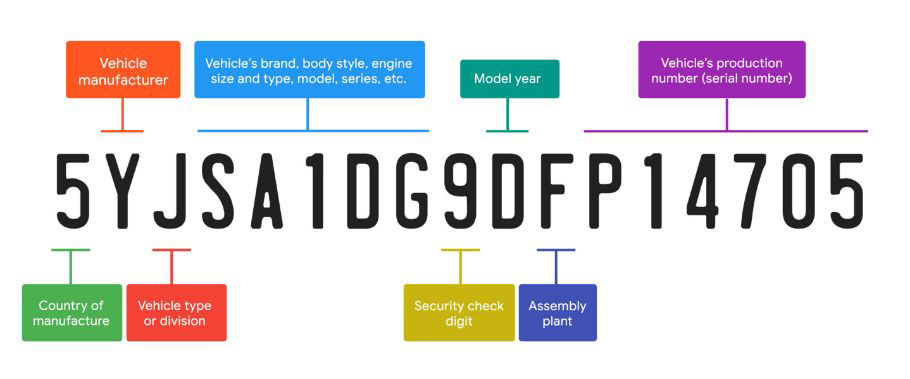
    A VIN is a 17-character string of letters and numbers that uniquely identifies a vehicle. Standardized globally since 1981, each character or group of characters in a VIN has a specific meaning, helping to pinpoint details about the vehicle’s manufacture and features.

    Breakdown of a VIN

    1. World Manufacturer Identifier (WMI):
      1. Characters 1-3: These three characters identify the manufacturer and the country of origin. For instance, a VIN starting with “1HG” indicates a Honda manufactured in the USA.
    2. Vehicle Descriptor Section (VDS):
      1. Characters 4-8: This section describes the vehicle type and may include information about the model, body type, engine type, and other pertinent details.
    3. Check Digit:
      1. Character 9: This is a security code that ensures the VIN is valid. It’s calculated through a specific algorithm to prevent fraudulent VINs.
    4. Vehicle Identifier Section (VIS):
      1. Characters 10-17: This section includes the vehicle’s model year, the plant where it was manufactured, and a unique serial number. For example, the tenth character might indicate the model year, such as “A” for 1980 or “L” for 1990.

    The Role of a VIN Decoder

    A VIN decoder translates the complex alphanumeric VIN into understandable information. This tool is essential for various stakeholders, including car buyers, sellers, mechanics, insurers, and law enforcement agencies.

    How a VIN Decoder Works

    A VIN decoder operates by parsing each segment of the VIN according to its predefined significance. Here’s a step-by-step overview:

    1. Input: The user enters the 17-character VIN into the decoder tool.
    2. Parsing: The tool breaks down the VIN into its constituent sections – WMI, VDS, and VIS.
    3. Analysis: Each segment is analyzed based on a comprehensive database that maps characters to specific meanings.
    4. Output: The decoded information is displayed, providing details such as the manufacturer, model, engine type, production year, and more.

    The Importance of VIN Decoders

    VIN decoders are indispensable in numerous scenarios:

    1. Vehicle Purchase:
      1. History Check: Prospective buyers can use VIN decoders to access a vehicle’s history, including previous ownership, accident reports, and any outstanding recalls.
      2. Specification Verification: Buyers can verify that the vehicle’s specifications match the seller’s claims, ensuring transparency and preventing fraud.
    2. Insurance:
      1. Accurate Pricing: Insurers use VIN decoders to determine the precise details of a vehicle, which helps in accurately assessing its value and risk profile.
      2. Claims Processing: In case of an accident, the VIN provides a quick way to retrieve the vehicle’s details for processing claims.
    3. Repairs and Maintenance:
      1. Part Matching: Mechanics can use VIN decoders to find compatible parts for repairs and maintenance, ensuring the correct components are used.
      2. Service History: Decoders help in tracking the service history of a vehicle, assisting in diagnosing recurring issues and planning maintenance schedules.
    4. Law Enforcement:
      1. Theft Recovery: Police use VIN decoders to track stolen vehicles and confirm the identity of recovered vehicles.
      2. Crime Investigation: VINs can help link vehicles to crimes, aiding in investigations and legal proceedings.

    Using a VIN Decoder: A Practical Example

    To illustrate the practical use of a VIN decoder, let’s consider a hypothetical VIN: 1HGCM82633A123456.

    1. WMI (1HG): Indicates the vehicle is a Honda manufactured in the USA.
    2. VDS (CM826): This could signify a specific model, engine type, and body style.
    3. Check Digit (8): Ensures the VIN’s authenticity.
    4. VIS (263A123456):
      1. Character 10 (3): Represents the model year, which is 2003.
      2. Characters 11-17 (A123456): Indicates the manufacturing plant and the vehicle’s unique serial number.

    Using a VIN decoder, we can deduce that the vehicle is a 2003 Honda Accord manufactured in the USA, with a specific engine and body type. Further decoding might reveal additional details about the engine displacement, transmission type, and optional features.

    Types of VIN Decoders

    VIN decoders come in various forms, each suited to different needs:

    1. Online VIN Decoders: These are web-based tools where users can enter a VIN and receive instant results. They are widely accessible and often free, though some offer premium services for detailed reports.
    2. Mobile Apps: Mobile VIN decoder apps provide the convenience of decoding on the go. These apps can scan VINs directly using the phone’s camera, making them useful for quick checks during vehicle inspections.
    3. Desktop Software: Professional-grade VIN decoding software is used by dealerships, mechanics, and insurers for in-depth analysis and integration with other business systems.
    4. Integrated Systems: Many enterprise systems, such as those used by large dealerships and insurance companies, have built-in VIN decoding capabilities that streamline operations and data management.

    The Evolution of VIN Decoding

    The concept of VINs and their decoding has evolved significantly over the years:

    1. Pre-1981: Before the standardization of VINs, manufacturers used different formats, making it difficult to track and decode vehicle information reliably.
    2. Post-1981: The introduction of a standardized 17-character VIN improved consistency, making it easier to develop universal decoding tools.
    3. Digital Era: The advent of digital technology brought online VIN decoders and mobile apps, making VIN decoding more accessible and user-friendly.
    4. Integration and Automation: Today, VIN decoding is often integrated with other systems, allowing for automated data retrieval and processing, enhancing efficiency in various sectors.

    Challenges and Future of VIN Decoding

    Despite its advancements, VIN decoding faces certain challenges and opportunities for future development:

    1. Data Accuracy and Consistency: Ensuring the accuracy and consistency of VIN data remains a challenge, especially with older vehicles and international models.
    2. Technological Integration: As vehicles become more technologically advanced, integrating new data points (such as those from electric and autonomous vehicles) into the VIN decoding process will be crucial.
    3. Enhanced Security: Protecting against VIN cloning and fraud is an ongoing concern. Future developments may include more robust security features in VINs.
    4. Global Standardization: While the 17-character VIN is a global standard, variations in regional regulations and practices can create inconsistencies. Further harmonization of standards could improve the reliability of VIN decoding worldwide.

    Conclusion

    VIN decoders are essential tools in the automotive industry, providing critical information about vehicles’ identity, specifications, and history. From aiding car buyers in making informed decisions to assisting law enforcement in tracking stolen vehicles, VIN decoders serve numerous vital functions. As technology advances, these tools will continue to evolve, offering even more detailed and accurate insights into the vehicles that shape our world. By understanding and utilizing VIN decoders, stakeholders can enhance transparency, efficiency, and security in the automotive sector.

    Image Source: Google Images

  • Guiding You Through the Complexity of Accident Lawsuits

    guiding-you-through-the-complexity-of-accident-lawsuits

    Navigating the legal aftermath of an automobile accident can be an intricate process fraught with challenges. Victims of car accidents often find themselves thrust into the world of accident lawsuits, a realm where the knowledge of statutes, insurance policies, and procedural norms is vital. An understanding of these elements is crucial in order to secure proper compensation for damages and injuries sustained. The litigation journey begins with the crucial step of establishing fault and proceeds with the meticulous documentation of losses for a convincing claim.

    Understanding Accident Lawsuits

    Accident lawsuits can be intricate, often involving the determination of fault, liability, and the pursuit of just compensation. They require a thorough understanding of personal injury law and a strategic gathering of evidence.

    Legal Foundations and Liability

    Motorcycle accidents often lead to lawsuits driven by the negligence principle under personal injury law. Negligence requires proving that someone’s carelessness led to another’s harm. In such cases, traffic laws and the statute of limitations are fundamental.

    • Fault: Determines who is legally responsible.
    • Liability: May be shared among parties, affecting compensation.
    • Negligence: Includes breach of a duty of care resulting in injury.
    • Personal Injury Law: Governs how damages are to be compensated.
    • Statute of Limitations: Timeline within which a lawsuit must be filed.

    Roles and Responsibilities

    The plaintiff and defendant occupy central roles. The plaintiff, often represented by a personal injury attorney or a car accident attorney, files the lawsuit. Defendants, typically insured, rely on legal representation provided by insurance companies.

    • Plaintiff: The injured party.
    • Defendant: The party accused of causing the injury.
    • Attorney: Legal representative handling the case.
    • Insurance Companies: May be involved in settlement negotiations.
    • Judge and Jury: Oversee the trial procedures and verdict. 

    Gathering and Managing Evidence

    Effective evidence collection is pivotal for substantiating claims. This includes acquiring the police report, medical records, witness testimony, and possibly consulting expert witnesses for accident reconstruction.

    • Evidence: Supports claims of liability and damages.
    • Police Report: An initial evaluation of the accident scene.
    • Medical Records: Document injuries and treatment.
    • Witness Testimony: Provides accounts from those who observed the incident.
    • Expert Witnesses: Offer specialized knowledge, e.g., in accident reconstruction.

    Negotiations and Settlement

    In accident lawsuits, the phase of negotiations and settlement can offer an alternative to a lengthy court trial by reaching an amicable agreement between the parties involved. This process requires skilled attorneys to navigate complex discussions concerning liability and compensation.

    Conducting Effective Negotiations

    To conduct effective negotiations, Tijerina Legal Group, PC leverages their expertise in personal injury claims. Their car accident attorneys lead the process by meticulously preparing each case, establishing the extent of injuries and damages incurred, and devising negotiation strategies. Key elements include:

    • Assessment of Damages
      • Detailed documentation of property and injury-related expenses.
      • Computation of non-economic damages like pain and suffering.
    • Liability Analysis
      • Investigation to attribute negligence and determine liability.
      • Examination of liability insurance and uninsured motorist coverage.
    • Communication with Insurance Companies
      • Interactions with the insurance adjuster to present the insurance claim.
      • Dispute resolution techniques to challenge any low settlement offers.

    Settlement Dynamics

    Settlement discussions pivot on multiple dynamics where the objective is to arrive at a fair compensation without proceeding to trial. The insurance company plays a critical role, often making an initial offer that an experienced attorney can negotiate upwards.

    Assessing Offers:

    • Evaluation of the long-term impact of injuries.
    • Comparison against similar car accident lawsuits.
    • Potential jury verdict predictions influence settlement amounts.
    • Attorneys use this as leverage during negotiations.

    The Role of the Jury:

    Alternatives to Court Proceedings

    When direct negotiations reach an impasse, alternatives such as mediation and arbitration can be explored. These alternatives often save time and resources, while still involving crucial decision-makers.

    • Mediation: A neutral third-party mediates the negotiation process, encouraging mutual concessions.
    • Arbitration: A binding or non-binding arbitration where an arbitrator, akin to a judge in a civil court, renders a decision.

    Image Source: Google Images