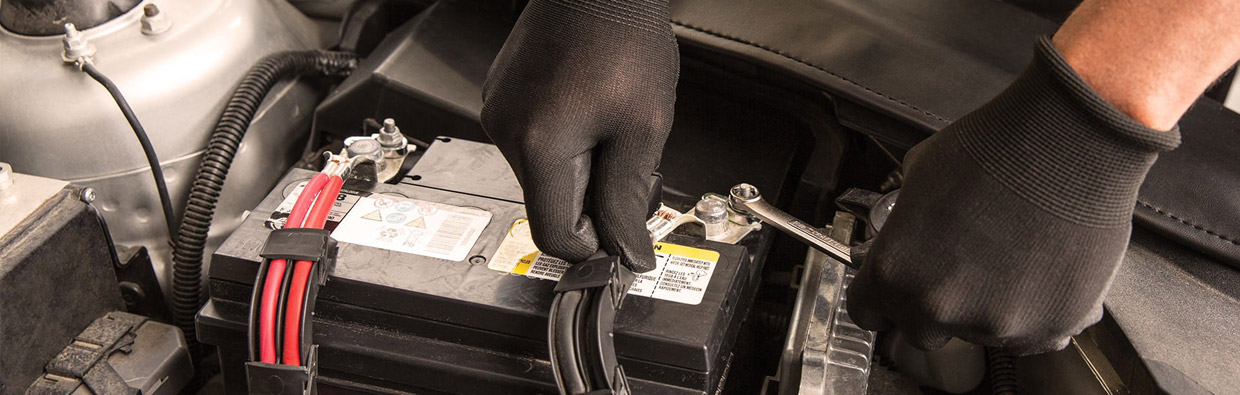
Tag: car battery

  • Why Does My Car Battery Keep Going Dead?

     Car Battery Change It can be one of the most annoying things to deal with, a car battery that goes dead at random times – you never know when it will leave you stranded. And not only is that annoying, this problem can be difficult to troubleshoot too. The problem is sometimes the root cause is a bad battery, sometimes it’s the alternator, and other times it’s the car’s wiring. Frankly, in most cases you want a professional mechanic to troubleshoot this sort of thing, but here’s a few things that will help you understand the situation.

    First, let’s look at what we are dealing with – It’s just a battery. Just like an AA cell, it has a positive terminal, a negative terminal and electrons flow from one terminal to the other. The primary function of a car battery is to start the engine by powering the starter motor and provide electric power to run the engine. In addition to its primary function, it also provides electric power to the lights, horn, heater, and all the other electronic gadgets in the car.
     Car Battery Sad Looking Technician

    If your battery keeps going dead on you, consider the following:

    Short-Term Driving:  Driving your car on short trips too often can contribute to a battery with a poor charge. This is because the most taxing use of the battery in your vehicle is the initial engine starting phase (10-20 seconds) and when short trips are the norm, you never give it enough time to get fully charged. When in doubt, drive around for 10 mins or more just to keep a good charge in the battery.

    A Faulty Charging System: It’s the responsibility of the alternator in your car to keep the battery charged. If it malfunctions and provides a charge that’s too high or too low, then you can have a problem. Technically a fully charged battery produces 12.6VDC voltage. The service manager at www.sheridanford.com told us that to charge a car battery properly, an alternator must pump out some 13.4V-14.7VDC. If the alternator isn’t working properly (i.e. isn’t putting out 13.4V-14.7VDC) then it may be failing to charge the car battery properly. This can occur due to a loose connection, a bad circuit, or just a faulty alternator. A qualified automotive mechanic can easily check this for you.
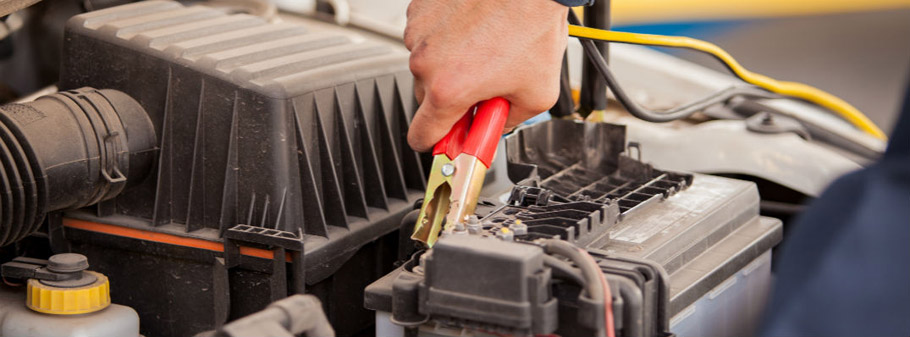
    Technician Charging

    Extreme Temperatures: Extreme cold and/or heat can stress the internal chemistry and structure of a car battery and induce premature failure and random dying. In most cases, there isn’t much you can do about temperature extremes but it’s a factor that you should know about. Chemically what goes on is called “sulfation”. It’s a build-up of lead sulfate crystals which can shorten the life of the battery and lengthen the amount of time needed to charge it. If your battery is heavily sulfated and you don’t drive your car a lot, as we discussed before, the battery may never get fully charged.

    Excessive Current Draw: There are devices in your car that will draw a small amount of current to stay on, things like your clock circuit and other items. Normally this sort of thing won’t kill your battery however, if you have an excessive current draw due to a wiring short circuit or some other kind of fault, then your battery may lose its charge before you get a chance to drive your car again. Of course, leaving a light in your car on will do the same thing (as we all know!).

    When in doubt, consult a professional mechanic to find out what the problem is.

    Article Source: Sheridan Ford
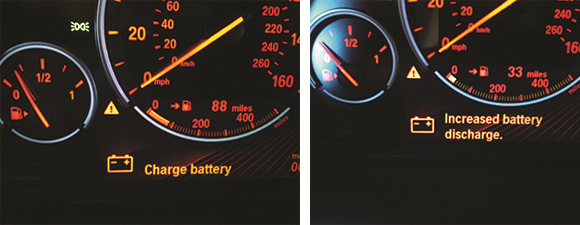
  • Why Is My Car Battery Always Dying?

    It can be one of the most annoying things to deal with; a car battery that seems to randomly die. The problem with troubleshooting this sort of thing is that sometimes the problem is the battery, sometimes it’s the alternator, and sometimes the car’s wiring. Even seasoned mechanics can be confused when troubleshooting a randomly dying battery. That being said, if you have a battery that goes kaput on you occasionally, he’s a few things to know.

    First, let’s look at what we are dealing with – It’s just a big battery. It has a positive terminal, a negative terminal and electrons flow through wires from one terminal to the other. Car batteries only have 12 volts so they can’t shock you.

    The primary function of a car battery is to start the engine by powering the starter motor and provide electric power to run the engine. In addition to its primary function, it also provides electric power to the lights, horn, heater, and all the other electronic gadgets in the car.

    The average battery life is in the 3-4 year range and it should start your car consistently. If it doesn’t do that, consider the following:

    A Faulty Charging System: It’s the responsibility of the alternator in your car to keep the battery charged. If it provides a charge that’s too high or too low, then you can have a problem. Technically a fully charged battery produces some 12.6VDC voltage. The service manager at springfieldchryslerdodgejeepram told us that to charge a battery properly, an alternator must pump out 13.4V-14.7VDC. If the alternator isn’t working (i.e. isn’t putting out 13.4V-14.7VDC) then it may be failing to charge the battery properly. This can occur due to a loose connection, a bad circuit, or just a faulty alternator. A qualified automotive mechanic can easily check this for you.

    Short-Term Driving: Driving your car often on short trips can contribute to a battery failing to keep a charge. This is because the most taxing use of the battery in your vehicle is the initial engine starting phase (10-20 seconds) and you never give it enough time to get fully charged. When in doubt, drive around for 10 mins or so just to keep a decent charge.

    Extreme Temperatures: Extreme cold and/or heat can stress the internal chemistry and structure of a car battery and induce premature failure and random dying. In most cases, there isn’t much you can do about temperature extremes but it’s a factor that you should know about. Chemically what goes on is called “sulfation”. It’s a build-up of lead sulfate crystals which can shorten the life of the battery and lengthen the amount of time needed to charge it. If your battery is heavily sulfated and you don’t drive your car a lot, the battery may never get fully charged.

    Excessive Current Draw: There are devices in your car that will draw a small amount of current to stay on, things like your clock circuit and other items. Normally this sort of thing won’t kill your battery however, if you have an excessive current draw due to a short circuit or fault of some sort, then your battery may die before you get a chance to drive your car again. Of course, leaving a light in your car on will do the same thing (as we all know).

    Constantly replacing batteries in your car or having a battery that is randomly dying means something is wrong. When in doubt, consult a professional mechanic to find out what the problem is.

    Article Source: Springfield Chrysler Dodge