Nowadays the automotive industries enhance further their environmental friendly technologies and work on the development of vehicles which produce less CO2 emissions. The hybrid cars are a consequence of this philosophy. They include two engines – one electric and one fuel powered, and this is how they minimize the fuel consumption in drastic levels. In addition they also include a special system which stores more energy in a battery included in the vehicle. The fact that it includes two engines is probably the most controversial one, and it raises many negative and positive feedbacks in the customers of such vehicles around the world. Can they be considered as car of the future? It is only a matter of time to be understood. However, let’s review the advantages and disadvantages of this technology.

PROs:
First of all the main advantage is that such car is fuel efficient. It effectively spares you a lot of money on fuel. The second one, as you already know, is that hybrid vehicles produce far less toxic emissions and thus are considered as environmentally friendly. Third, with a hybrid, you can enjoy the city driving even more. There are several reasons for this: the mileage ratings of such car are higher in the city. For instance, when you are caught in the traffic and you stop, the battery generates more electricity which can be successfully utilized during the lower speeds. Next to be mentioned is that the hybrid car is unbelievably silent. It is even so silent that when you drive it, some times you doubt that it is working. Yes, you got it – the electric engine is completely soundless. Another benefit that you can get form a hybrid is its battery is durable. Test made on different hybrid vehicles show that after a considerable amount of kilometers driven, the cars battery performance is almost the same. And at last one of the best things about the hybrids is that they need far less maintenance, than an ordinary car. What I have in mind here is that due to the two engines, the gasoline one needs less care. And for example, you need to change the oil in more kilometers traveled, compared to normal car.

CONs:
Now, let us see the other side of the hybrid technologies and review some disadvantages. The general disadvantage of hybrid cars is that their retail price is extremely expensive in comparison to the ordinary cars. Another negative issue here is that those vehicles have far greater weight and the reason for this are the heavy batteries mounted in them. Third, they aren’t as fast as normal cars. However there are also some major disadvantages here, which are concerning some safety factors. Because they are made from lighter materials and store some additional voltage in their batteries, they tend to be very risky in accidents. Furthermore, hybrids are not very convenient, while driving on the highway. What I mean hear is that they have lower highway mileage and compared to some diesel vehicles, they produce the same fuel efficiency.
To sum up, the cars of the future seem to be very beneficial when driving in the city area for example. They also produce less CO2 emission, which nowadays is a major factor that must be taken straightly at hand. Moreover, although their retail price is far greater, compared to an ordinary car, when you make the basic mathematics, the fuel that it consumes during its utilization will spare you a lot. At last, although it is not a convenient car during long traveling, it is the perfect vehicle for an environmentally conscientious person.
Take a look at the hybrid vehicles which, which some popular brands are currently producing:


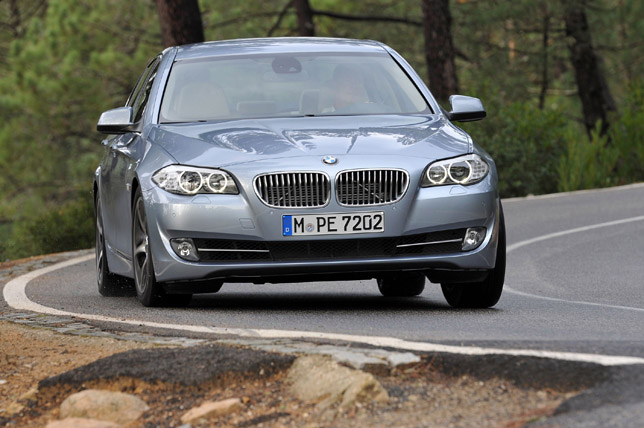
 BMW has released full specs of the new F10 ActiveHybrid 5. The highly efficient executive saloon has which a combustion engine and electric motor providing perfect dynamics at decent price.