Author: autoview

  • Caring for Your Vehicle When You Travel: 4 Tips

    caring-for-your-vehicle-when-you-travel-4-tips

    We all love a good road trip, and they can make your vacation time all the more special. Having the freedom to move around as you please during your holiday and getting to enjoy the scenic route when you travel simply can’t be replaced.

    However, long-distance trips and general vacationing can be hard on your vehicle, and it’s important that you’re aware of the ways in which you need to take extra special care of it. Here are a few tips to keep in mind next time you find yourself heading out of town or planning a long road trip.

    Leave it at Home

    When it comes down to it, the best possible option for your car’s safety and longevity is to leave it out of your holiday plans. Putting extra mileage on your vehicle and exposing it to the elements isn’t always worth it, so if you have the option to leave it safely in the garage, this might be the best choice in some situations.

    Consider other forms of transportation, such as public transport like buses, trains, or even renting a car when you get there. You can add a touch of luxury to your trip by hiring an Executive Car Service LAX and having yourself delivered by a driver to your hotel. There are loads of benefits to leaving your car at home, too, such as minimising your carbon footprint and negating some of the stress of driving while you’re really just trying to relax.

    Plan Your Route and Stops

    If you do decide that driving yourself is your best choice, then make sure you’re prepared. By planning your route and regular stops, you can avoid excessive wear and tear on your car, save time, and make the trip more enjoyable.

    Your own safety is also an important factor here – driving for too long is incredibly tiring, and it will be important for you to stop every few hours to stretch your legs and shake off the fatigue. Use your GPS app to plan your route, and look for fun places to stop along the way to let your car’s engine cool off while you grab a snack.

    Pack an Emergency Kit

    Even in a well-maintained car, unexpected accidents can happen on the road. Having an emergency kit on hand can make a whole array of potential mishaps a little easier to cope with.

    Make sure you pack your luggage carefully, and pack items like a flashlight, jumper cables, a tyre inflator, basic tools, first aid supplies, and an extra phone charger somewhere in your car. You can also throw in a blanket and some snacks just in case you get stuck somewhere – think of items like energy bars and jerky or other snacks that won’t go bad.

    Protect Your Car from the Elements

    Finally, remember that if you’re driving long distance, there’s a strong chance your car can get damaged from prolonged exposure to the elements – like the hot sun beating down on it.


    This can damage your seat covers and cause paint damage, so think about investing in car sun shades or covers to put over your seats.

     Image Source: Google Images

  • Intersection Accidents: Design Solutions and Traffic Engineering Approaches

    intersection-accidents-design-solutions-and-traffic-engineering-approaches

    Intersection accidents are a critical concern for urban planners and traffic engineers worldwide. These incidents not only cause significant disruptions in traffic flow but also pose a severe threat to the safety of motorists, cyclists, and pedestrians—often necessitating the help of a car accident lawyer. In this blog post, we explore innovative design solutions and traffic engineering approaches aimed at reducing the frequency and severity of intersection accidents.

    Roundabouts

    Roundabouts are a clever way to make intersections safer. They’re designed to cut down on places where cars might crash into each other, making traversal smoother and safer for everyone on the road.

    Instead of cars crossing paths head-on like in regular intersections, in a roundabout, vehicles move in a circular motion around a central point. This means there are fewer chances for cars to collide because they’re all flowing in the same direction. It’s like a well-choreographed dance where everyone keeps moving without bumping into each other.

    Research backs up how effective roundabouts are at preventing accidents. Some studies have found that when traditional intersections are swapped out for roundabouts, crashes can drop by as much as 40%. So, they’re not just convenient, they’re also a big win for safety on the road. 

    Advanced Traffic Signal Timing

    Traffic signal timing plays a crucial role in managing intersection safety. Engineers can optimize signal timing to minimize the waiting time for vehicles and reduce the chances of red-light running. Adaptive signal control technology adjusts the timing of lights based on real-time traffic conditions, further enhancing safety and efficiency.

    Dedicated Turning Lanes and Protected Phases

    The addition of dedicated turning lanes at intersections helps separate different traffic movements, reducing the likelihood of collisions. Protected turn phases in traffic signals give drivers a specific time to turn safely, without having to navigate oncoming traffic or pedestrians.

    Pedestrian and Cyclist Safety Measures

    Intersections must also cater to the safety of non-motorized users. Raised crosswalks, pedestrian refuge islands, and clear signage can significantly improve pedestrian safety. For cyclists, bike boxes at intersections provide a safe space ahead of vehicular traffic, reducing the risk of collisions. 

    Intelligent Transportation Systems (ITS)

    ITS technologies, such as traffic cameras and vehicle-to-infrastructure communication, can detect potential hazards and alert drivers to avoid accidents. These systems can also manage traffic flow dynamically, adapting to changing conditions to maintain safety at intersections. For example, if there’s an accident up ahead, these systems can warn drivers to steer clear, helping prevent more accidents.

    ITS doesn’t stop there. It’s also smart about managing traffic. It can adjust traffic lights on the fly, depending on how many cars are coming and going, to keep things moving safely through intersections. So, it’s all about using technology to keep us safe and make our journeys a little less stressful.

    Conclusion

    In conclusion, intersection accidents present a complex challenge that requires a multifaceted approach. By combining innovative design solutions with advanced traffic engineering techniques, we can create safer intersections that protect all road users. As we continue to develop and implement these strategies, the goal of achieving zero intersection accidents becomes increasingly attainable.

  • Facing DUI Charges in Tucson: Legal Pathways and Considerations

    facing-dui-charges-in-tucson-legal-pathways-and-considerations

    Driving under the influence (DUI) is a serious offense that can lead to severe consequences including hefty fines, license suspension, and even imprisonment. In Tucson, Arizona, law enforcement officers are stringent in enforcing DUI laws to ensure road safety. Individuals who find themselves facing DUI charges often seek the services of a DUI lawyer, who specializes in the legal proceedings associated with drinking and driving offenses.

    Tucson DUI lawyers are dedicated legal professionals who provide counsel and representation to those accused of DUI. They have a deep understanding of both state and federal motor vehicle laws, as well as the court system and administrative procedures involved in DUI cases. Their expertise allows them to navigate the complexities of DUI law and to advocate effectively for their clients’ rights throughout the legal process.

    The presence of a proficient DUI lawyer can dramatically influence the outcome of a case. They work diligently to evaluate evidence, challenge the prosecution’s case, negotiate with authorities, and guide clients through the myriad of legal options and possible defenses. Their goal is to mitigate the impact of DUI charges on the client’s life, aiming for reduced penalties or even a dismissal of charges where possible.

    Understanding DUI Law in Tucson

    Tucson DUI laws are strict and emphasize safety. Legal representation understands these complexities and guides individuals through the legal process.

    DUI Charges and Classifications

    Driving under the influence (DUI) in Tucson is a serious offense with varying degrees of severity, depending on specific circumstances. Charges are classified as:

    • Standard DUI: BAC at or above 0.08% but less than 0.15%.
    • Extreme DUI: BAC at or above 0.15% but less than 0.20%.
    • Super Extreme DUI: BAC of 0.20% and higher.

    First offenses carry different penalties than repeat offenses, including fines, jail time, and license suspension.

    Blood Alcohol Content (BAC) Limits

    Tucson enforces the following BAC limits:

    • 21 years or older: 0.08%
    • Commercial drivers: 0.04%
    • Under 21 years: Any detectable amount of alcohol is illegal.

    Penalties escalate with higher BAC levels and prior DUI convictions.

    Implied Consent Law

    Implied consent is a foundational concept in Tucson’s DUI law. Drivers automatically consent to BAC testing when they use the roads. Refusal to comply results in mandatory suspensions:

    • First refusal: 12 months’ license suspension.
    • Subsequent refusal within 84 months: 24 months’ license suspension.

    Those facing DUI charges in Tucson can seek a lawyer experienced in local DUI law for legal assistance.

    Finding the Right Tucson DUI Lawyer

    Choosing the right Tucson DUI lawyer is essential for ensuring a strong defense. It involves considering their experience, client feedback, and communication skills.

    Experience and Specialization

    Experience: A lawyer’s number of years practicing DUI law indicates their level of familiarity with similar cases. Look for attorneys with a significant focus on DUI cases.

    Specialization: Ensure the lawyer has a focus on or specializes in DUI defense. This specialization suggests a deep understanding of DUI laws and defense strategies.

    Client Testimonials and Case Results

    • Client Testimonials: Read through previous clients’ feedback to gauge satisfaction with the lawyer’s services.
    • Case Results: Successful case outcomes provide a track record of the lawyer’s performance in court. Look for a history of reduced or dismissed charges.

    Communication and Legal Strategy

    Communication: A competent lawyer should have clear and regular communication with clients, explaining legal concepts in an understandable manner.

    Legal Strategy: Each DUI case is unique. A proficient lawyer tailors strategies based on the specific details of a case, rather than using a one-size-fits-all approach.


  • Aston Martin Vantage GT4

    Aston Martin is thrilled to announce the arrival of the brand new Vantage GT4, the latest addition to their formidable racing lineup. This track-focused beast is built for both professional racers and passionate enthusiasts, offering a thrilling and competitive experience.

    Building on the success of its predecessor, the new Vantage GT4 boasts significant performance upgrades derived from the stunning new Vantage road car. It features a host of improvements across the chassis, aerodynamics, drivetrain, and efficiency, making it a true force to be reckoned with on the racetrack.

    Born to Win

    Aston Martin Chief Brand Officer, Marco Mattiacci, hails the Vantage GT4 as a “born winner,” highlighting its class-leading power and technology inspired by the new Vantage road car. This close collaboration between road and race car programs translates into exceptional performance on the track, further solidifying Aston Martin’s commitment to motorsports at all levels.

    Engineered for Excellence

    Developed and built by Aston Martin Racing (AMR), the official GT racing partner since 2005, the Vantage GT4 benefits from their unmatched experience and knowledge. Drawing inspiration from the championship-winning predecessor, the new car incorporates advancements from the Vantage road car to deliver even greater speed and efficiency. While adhering to strict regulations, the Vantage GT4 retains around 80% of the road car’s core structure and mechanics, ensuring a familiar and reliable base.

    Precision on the Track

    The 4.0-liter twin-turbo V8 engine and transmission are derived from the road car, featuring modifications to the electronic control systems for optimal performance and precise control. Bespoke software transforms the eight-speed transmission into a six-speed paddle shift, perfectly tailored for racing applications. New two-way adjustable KW dampers, developed in partnership with the renowned suspension manufacturer, offer exceptional precision and control, while maintaining the driver-friendly characteristics that made the previous Vantage GT4 so popular.

    Aerodynamic Advantage

    The Vantage GT4’s stunning design closely resembles the road car, with subtle yet effective aerodynamic modifications. Utilizing advanced Computational Fluid Dynamics (CFD) and collaborating with Aston Martin’s Design department, AMR crafted a high-performance aerodynamic package that seamlessly integrates with the car’s aesthetics. Larger front splitter and a new rear wing, permitted by GT4 regulations, generate increased downforce and reduced drag for superior handling and speed.

    Ready to Race

    The new Vantage GT4 successfully completed its development program and made its international racing debut at the Rolex 24 Hours at Daytona. Production is already underway, with several cars delivered to customer teams and over 40 units ordered for the 2024 season.

    A Legacy of Success

    Since its debut in 2009, the Aston Martin Vantage GT4 has established itself as a dominant force in GT racing, consistently securing victories in various series and endurance events worldwide. Building on this winning legacy, the new Vantage GT4 is poised to continue this tradition, offering a fast, reliable, and exploitable package for racers of all levels to challenge for victory.

  • McLaren Artura Spider

    McLaren has unveiled the Artura Spider, its first-ever convertible with a high-performance hybrid powertrain. This exciting new model joins the Artura coupe, offering the same exhilarating performance with the added exhilaration of open-air driving.

    Enhanced Power and Performance:

    Both the Spider and the coupe benefit from significant upgrades to power, performance, and driver engagement. The hybrid powertrain has been recalibrated, delivering a combined 700 horsepower, a 20-horsepower increase from the previous version. This translates to thrilling acceleration, with the Spider hitting 0-62 mph in just 3.0 seconds.

    Lightweight Champion:

    Despite the addition of the retractable hardtop, the Artura Spider remains incredibly lightweight. At just 1,457 kg (dry weight), it’s the lightest car in its class by a significant margin. This exceptional weight-to-power ratio translates to razor-sharp handling and exhilarating performance.

    Open-Air Bliss:

    The electrically operated retractable hardtop opens and closes in just 11 seconds, transforming the Artura from a sleek coupe to a thrilling open-air roadster. Whether cruising down the highway or attacking a winding road, the Spider offers an unforgettable driving experience.

    Refined Driving Dynamics:

    The Artura Spider benefits from a series of enhancements designed to deliver exceptional handling and driver engagement. New engine mounts and revised dampers improve stability and responsiveness, while the latest Pirelli Cyber Tyre technology provides real-time tire pressure data for optimal performance.

    Choice and Customization:

    The Artura Spider is available in a wide range of exterior and interior options, allowing you to personalize your car to your individual style. From a vibrant palette of exterior paint colors to luxurious interior materials, you can create an Artura Spider that reflects your personality.

    The Artura Spider and the new Artura coupe are now available to order, with deliveries starting in mid-2024 depending on your region.

    McLaren Artura Spider technical specification

    Engine configuration M630 V6 engine, 2,993cc twin-turbocharged, hybrid drivetrain with axial flux electric motor
    Drivetrain layout Longitudinal mid-engined, RWD
    Power PS (bhp/kW) @ rpm 700 (690/515)*: 605PS (596/445) @7,500rpm from petrol engine, 95PS (94/70) from electric motor1
    Torque Nm (lb ft) @ rpm 720 (531): 585 (431) @2,250-7,000rpm from petrol engine, 225 (166) from electric motor1
    Transmission 8-Speed SSG (reverse using E-motor) with Electronic Differential (E-Diff).Electric, Comfort, Sport and Track modes
    Steering Electro-hydraulic; power-assisted
    Chassis MCLA carbon fibre monocoque with aluminium front and rear frames and chassis structures
    Suspension Independent adaptive dampers, front: dual aluminium wishbones, rear: upper wishbone and lower multi-link setup.Proactive Damping Control (PDC). Comfort, Sport and Track modes
    Brakes Carbon Ceramic Discs (390mm front; 380mm rear) with forged aluminium brake calipers (6-piston front monobloc; 4-piston rear)
    Wheels (inches) Front: 19 x 9J; Rear: 20 x 11J
    Tyres Pirelli P-ZERO™, Pirelli P-ZERO™ Corsa and  Pirelli P-ZERO™ Winter tyres with Pirelli CyberTyre® technologyFront: 235/35/ZR19 91YRear: 295/35/ZR20 105Y
    Length, mm (inches) 4,539 (179)
    Wheelbase, mm (inches) 2,640 (104)
    Height, mm (inches) 1,193 (47)
    Width, with mirrors, mm (inches) 2,080 (82)
    Width, mirrors folded, mm (inches) 1,976 (78)
    Width, without mirrors, mm (inches) 1,913 (75)
    Track (to contact patch centre), mm (inches) Front: 1650 (65); Rear: 1613 (64)
    Lightest dry weight, kg (lbs) 1,457 (3,212)
    DIN Kerb weight [fluids + 90% fuel], kg(lbs) 1,560 (3,439)
    Fuel tank capacity, litres (UK/USA gallons) 65 (14.3/17.2)
    Usable battery capacity (kW/h) 7.4
    Battery charge time 2.5 hours (via EVSE cable) to 80%
    Luggage capacity, litres (Wet/DIN) 160/124

    Performance data

    0-97km/h (0-60mph) 3.0 seconds
    0-100km/h (0-62mph) 3.0 seconds
    0-200km/h (0-124mph) 8.4 seconds
    0-300km/h (0-186mph) 21.6 seconds
    0-400m / ¼ mile 10.8 seconds
    Maximum speed (km/h/mph) 330/205 – electronically limited
    Electric-only range (km/miles) 33/21
    200-0km/h (124mph-0) braking, metres (ft) 124 (407)
    100-0km/h (62mph-0) braking, metres (ft) 31 (102)

    Efficiency

    CO2 emissions, g/km WLTP EU (combined) 108
    Fuel consumption, WTLP EU I/100km/UK MPG
    Weighted combined 4.8/58.9
    Fuel Economy, US
    Electricity (MPGe) 45
    Gasoline only MPG 19
    All-electric range (miles) 11
    Total range (miles) 340

    Warranty

    Vehicle (years/miles) 5/unlimited
    Battery (years/miles) 6/45,000
    Roadside assistance (years/miles) 5/unlimited
    Corrosion (years/miles) 10/unlimited
    Service plan 3 years
  • MG 3

    All-New MG3: A Hybrid Hot Hatch with Style and Substance
    The MG3 is back, completely revamped and ready to take on the supermini segment with its innovative hybrid powertrain.

    More Power, More Efficiency:

    This isn’t your average hybrid. The MG3 boasts the fastest acceleration in its class, hitting 0-62mph in just 8 seconds. This impressive performance comes courtesy of a state-of-the-art hybrid system featuring a powerful electric motor and a larger battery than most rivals, allowing for extended electric-only driving.

    Spacious and Tech-Savvy:

    Despite its compact size, the MG3 offers surprisingly spacious interiors, making it perfect for city dwellers. The interior boasts a dual-screen setup with a 7-inch digital instrument cluster and a 10.25-inch infotainment touchscreen, keeping you connected and informed on the go. Apple CarPlay and Android Auto come standard, while a suite of advanced safety features keeps you protected.

    Multiple Drive Modes:

    The MG3 adapts to your driving style with three selectable modes: Eco, Standard, and Sport. Choose Eco for optimal fuel economy, Standard for a balanced blend, or Sport to unleash the full potential of the combined electric and petrol power.

    Refined and Stylish:

    The MG3 engineers haven’t forgotten about comfort. The chassis and suspension have been meticulously tuned for a smooth and enjoyable ride, while the use of high-quality materials ensures a quiet and refined cabin experience.

    Two Trims, Packed with Features:

    The MG3 comes in two trim levels, SE and Trophy, both loaded with features like air conditioning, a six-speaker sound system, rear parking sensors and camera, and a plethora of USB ports. Higher trims add leather upholstery, keyless entry, and heated seats for an extra touch of luxury.

    A Bold New Look:

    The MG3 gets a complete makeover with a fresh, contemporary design. It’s bigger than before, offering more space and the largest boot capacity in the hybrid B-segment class. Choose from a range of stylish features like alloy wheels, LED headlights, and various exciting colors to personalize your ride.

    The MG3 is more than just a hybrid supermini; it’s a dynamic and efficient package that offers exceptional value, technology, and style.

    Technical Data

    MG3 Hybrid+
    Powertrain Hybrid+
    Engine 1.5-litre Atkinson-cycle four-cylinder petrol
    Engine power (kW) 75 (max)
    Engine torque (Nm) 128 (max)
    Electric motor power (kW) 100 (max)
    Electric motor torque (Nm) 250 (max)
    Combined output – power (kW) 143 (max)
    Transmission Three-speed automatic
    Battery capacity 1.83kWh – 350V
    Driven wheels Front
    Max speed (mph) 106
    0-62mph (seconds) 8.0
    CO2 (g/km) 100*
    Fuel economy (mpg) 64*
    Height (mm) 1,502
    Length (mm) 4,113
    Width (mm) 1,797
    Wheelbase (mm) 2,570
    Kerb weight (kg) 1,298
    Boot capacity (litres) 293
    No. of seats 5

    * Subject to WLTP homologation

  • Vanlife: Should You Convert A Van Or Buy A Camper?

    vanlife-should-you-convert-a-van-or-buy-a-camper

    The van life movement is picking up steam for the freedom, simplicity, and the thrill of adventure that it provides. Many people dream of hitting the road and living life on their own terms, surrounded by nature and the endless possibilities that come with it.

    One of the first big decisions they face is whether to put in the work and convert a van into a cozy living space themselves, or to buy a camper that’s already set up and ready to go. This choice can be tough, as both options have their own set of benefits and challenges. In this article, we will give you a guide to help you decide.

    Customization and comfort

    One of the best reasons to choose a conversion over buying a camper is that you can customize it to your exact specifications. You can set up the ideal bed position, an ergonomic kitchen, and place the van awning exactly where you want it. Your imagination and skills are the only limits to how personalized your van can become.

    On the other hand, buying a pre-made camper offers the convenience of immediate use. There’s no waiting around since you can start your adventure as soon as you get the keys. These campers come with a set layout and features designed to meet most peoples’ needs for life on the road. However, the trade-off is that you might not get everything exactly the way you’d like it.

    While there’s a range of models with various amenities, you might find the customization options limited compared to doing your own van conversion. Yet, for many, the ease of jumping straight into the van life without the time and effort of a conversion is a huge plus.

    Time and effort

    Converting a van demands a significant amount of time, not only in the physical act of conversion but also in the planning and problem-solving stages. If you decide to take on this project, it involves learning a variety of new skills, from carpentry and electrical work to plumbing.

    The time commitment can vary widely, often stretching over months or even longer, depending on the complexity of the design and the amount of free time available for the project.

    Buying a camper allows you to skip all of the time required to do a conversion and hit the road as soon as your travel plans are complete.

    What does it cost?

    When it comes to choosing between converting a van and buying a pre-made camper, cost is a major factor. The initial investment for a van conversion includes the price of the van itself plus all the materials needed for the conversion. Depending on the van’s condition, you could end up spending more than the cost of a new camper.

    On the other hand, a pre-made camper comes with a higher upfront cost. These vehicles are ready to go and equipped with everything you need for van life, which is reflected in the price.

  • Must-Have Spare Parts for DIY Car Maintenance

    must-have-spare-parts-for-diy-car-maintenance

    Executing basic car maintenance tasks such as oil changes, fluid top-offs, and spark plug replacements becomes almost second nature with a bit of practice. Equipping your workspace with essential tools not only prepares you but also streamlines the process, ensuring you can efficiently tackle DIY car maintenance. Prior to initiating any maintenance or repair task, understanding the specific tools required is crucial.

    For example, a routine oil change might seem straightforward, but lacking an appropriate oil catch pan could lead to unwanted spills in your work area. When dealing with various car components – be it the wheels, engine, or body – the right set of tools can significantly simplify your work. This is particularly true for those new to DIY automotive tasks, where using the correct equipment can make a world of difference compared to attempting unfamiliar tasks with ill-suited tools.

    To ensure your next DIY repair session unfolds smoothly, here’s a list of indispensable tools that should be part of your DIY automotive maintenance kit. Whether it’s a Nissan or a Toyota, these tools are universally vital for any car model or make.

    Vehicle Jack

    A Vehicle Jack stands as a cornerstone in the realm of DIY automotive maintenance, granting indispensable access to a vehicle’s lower realms. Essential for a spectrum of tasks from oil changes to brake repairs, the right vehicle jack, such as the Liftmaster 3-Ton Floor Jack, transforms challenging undercarriage access into a straightforward endeavour. Designed to fit securely under the vehicle’s frame, it smoothly elevates the car, ensuring safe removal of wheels and facilitating unimpeded access to otherwise hard-to-reach areas without risking damage to vital components.

    Tire Pressure Gauge

    A Tire Pressure Gauge is a more subtle yet equally vital element in your automotive maintenance toolkit. Though it may not command the spotlight like a vehicle jack, its role in prolonging your vehicle’s health and ensuring optimal performance is undeniable. Tyres not properly inflated compromise not just the vehicle’s handling but also accelerate wear, highlighting the importance of regular tyre pressure checks.

    Equipping your garage with a reliable tyre pressure gauge enables easy monitoring and adjustment of your tyres’ pressure, ensuring they are always in the ideal range for safe and efficient driving. This simple, yet effective tool, whether a compact pencil-style gauge or a more advanced digital model, is indispensable for maintaining tire integrity and vehicle safety.

    Tire Iron and Breaker Bar

    The inclusion of both a Tire Iron and a Breaker Bar in your toolkit elevates your repair capabilities significantly, especially when dealing with tenacious nuts and bolts. Utilising a tyre iron is pivotal during tyre changes, allowing for the efficient removal and secure reattachment of lug nuts. On the other hand, a breaker bar becomes an invaluable ally when faced with seized or rusted connections.

    Its design affords you the extra leverage needed to smoothly loosen stubborn components without undue strain. Together, these tools not only simplify the task at hand but also safeguard against potential damage during the maintenance process.

    Wheel Chocks

    To bolster safety and stability during automotive repairs, Wheel Chocks serve as an essential addition to any DIY maintenance toolkit. While wheel ramps or jacks effectively lift the vehicle for comprehensive access, the inherent risk of the car shifting or rolling, even with the parking brake engaged, cannot be overlooked. Employing wheel chocks provides a robust solution to this issue.

    These compact, yet sturdy, devices are designed to be positioned under the vehicle’s rear wheels, firmly anchoring it in place and preventing any unwanted movement. This simple step significantly enhances safety, granting peace of mind to DIY enthusiasts as they work.

    Torque Wrench

    An indispensable addition to your toolkit is the Torque Wrench, which is especially critical when replacing spark plugs. This precision instrument is engineered to tighten nuts and bolts to a pre-defined torque level, ensuring each fastener is neither too loose nor excessively tight. Over-tightening can inadvertently harm engine components, turning an otherwise simple maintenance task into a costly and time-consuming repair job.

    Thus, investing in a quality torque wrench is a wise decision for any DIY auto maintenance aficionado, preventing unnecessary wear and offering peace of mind during each repair session.

    Spark Plug Gap Tool

    When tending to spark plug replacement, the incorporation of a Spark Plug Gap Tool into your arsenal is non-negotiable. This seemingly modest device plays a pivotal role in ensuring new spark plugs are gapped correctly, aligning with the manufacturer’s specifications. An improper gap between the centre and side electrodes can lead to suboptimal performance, increased fuel consumption, and accelerated wear.

    A spark plug gap tool not only checks but also adjusts the gap, guaranteeing your engine runs smoothly and efficiently. This tool exemplifies the adage that sometimes it’s the smallest additions to your toolkit that make the biggest difference in vehicle maintenance.

    Ratcheting Socket Wrench Set

    Equipping your DIY toolkit with a quality Ratcheting Socket Wrench Set is akin to unlocking a new level of efficiency and precision in automotive tasks. Whether you are tightening battery connections, mounting accessories, or performing an intricate engine repair, the versatility of a ratchet and socket set cannot be overstated. Its ability to adjust to different sizes and the leverage provided by the ratcheting mechanism make it indispensable for both tight spaces and robust applications.

    Opting for a comprehensive set ensures you’re prepared for any task. The seamless integration of sockets with their ratcheting wrench promotes a smoother workflow, allowing you to tackle a vast array of bolts and nuts with confidence and precision.

    Pliers

    In the realm of automotive repairs, Pliers may not headline as frequently as a socket wrench set, yet their value cannot be overstressed. With their ability to infiltrate tight spots that larger tools can’t manage, pliers play a crucial role in any well-rounded toolkit. Specifically, Needle-Nose Pliers excel in precision tasks, reaching into the engine’s nooks and crannies with ease.

    Similarly, Angled Pliers are indispensable for maneuvering around obstacles, showcasing their versatility and effectiveness in diverse automotive situations. Their inclusion ensures you’re well-equipped for those intricate tasks where finesse and precision are paramount.

    Essential Oil Filter Wrench

    Among the inaugural tasks on the DIY automotive maintenance learning curve, alongside tire and windshield wiper replacement, is mastering the oil change. A task that might appear daunting initially can be made significantly simpler with the right tools. A quintessential example is the Oil Filter Wrench, an innovative tool designed for effortless engagement with the oil filter’s slick surface.

    Without such a wrench in your kit, you might find yourself labouring over the oil filter for longer than necessary during oil changes. Investing in a reliable oil filter wrench not only streamlines the process but also accentuates the ease of routine maintenance.

    Image Source: Google Images

  • Ford Mustang Dark Horse Matte Clear Film

    Get ready to customize your ride like never before with the all-new factory Matte Clear Film for the 2024 Mustang. This sweet option gives your Mustang a sleek, satin finish while keeping the paint job protected.

    This ain’t just about looks, though. The Matte Clear Film joins a whole bunch of other ways to personalize your Mustang, like picking your wheels, interior color, seatbelt color, and even the paint for your brake calipers.

    Want the film? It’s available on all Mustang coupe models (EcoBoost, GT, and Dark Horse) and comes in any factory paint color. First deliveries start in June for coupes, and convertibles will get the option later this year.

    “For 60 years, Mustang has been about freedom and expressing yourself,” said Laurie Transou, Mustang Chief Program Engineer. “This new Matte Clear Film is just another way to make your Mustang truly yours.”

    This tough film can handle anything you throw at it, from car washes to road salt, bird droppings, and even bugs. It’s made by PPG and comes with the same 3-year/36,000-mile warranty as all 2024 Mustangs.

    Ready to order? You can starting February 27th, and it’ll set you back $5,995. Just a heads up: if you order the film for the Mustang Dark Horse, you won’t get the standard hood stripe or be able to choose the painted racing stripe. It’s also not available with the GT California Special package or the optional graphics packages on the Mustang EcoBoost and GT.

  • Renault 5 E-Tech

    The All-New Renault 5 E-Tech Electric: A Fusion of Retro Charm and Modern Innovation

    The Renault 5 nameplate, synonymous with innovation and style since the 1970s, is back with a thrilling electric twist. The Renault 5 E-Tech electric seamlessly blends the iconic design elements of its predecessor with cutting-edge technology, creating a compact EV that’s as fun to drive as it is easy on the environment.

    A Legacy of Pushing Boundaries:

    The original Renault 5, a sales phenomenon from 1972 to 1985, was known for its impressive fuel efficiency, even achieving sub-5 liter/100km consumption at highway speeds. It also remarkably offered an electric version as early as 1974, demonstrating Renault’s commitment to sustainable mobility long before it became mainstream.

    A Design Language Steeped in History:

    The Renault 5 E-Tech electric evokes a sense of nostalgia with its design cues that pay homage to the original. The evocative rectangular headlights and taillights, the characteristic wheel arches, and the vibrant color palette instantly connect the car to its heritage. However, the 18-inch wheels, sleek lines, and spacious interior firmly place it in the modern automotive landscape.

    Beyond the Captivating Looks:

    The Renault 5 E-Tech electric isn’t just a pretty face; it boasts impressive performance and functionality:

    • Range: With two battery options (52 kWh and 40 kWh), drivers can choose between a range of up to 400 km (248 miles) on a single charge (WLTP), making it perfect for everyday commutes and weekend getaways.
    • Performance: Experience the thrill of electric driving with two motor options (110 kW or 90 kW) offering instant torque and exhilarating acceleration. The 110 kW motor propels the car from 0 to 62 mph in under 8 seconds.
    • Charging: The car seamlessly integrates with both AC and DC charging infrastructure. DC fast charging allows you to reach 80% battery level in just 30 minutes, perfect for quick top-ups on the go.
    • Tech-Savvy Interior: The cabin features the latest in-car technology, including the OpenR Link multimedia system with Google built-in, a digital instrument cluster, and a comprehensive suite of driver assistance systems to enhance safety and comfort.
    • Express Yourself: Unleash your individuality with a wide range of unique accessories. Customize the interior with 3D-printed storage compartments and add a personal touch with the interchangeable “e-pop shifter” tip – a playful nod to a lipstick case.

    More Than Just a Car, It’s a Statement:

    The Renault 5 E-Tech electric is more than just a transportation solution; it’s a statement piece for the environmentally conscious driver who appreciates timeless design and a touch of personality. With its sustainable credentials, innovative features, and playful spirit, the Renault 5 E-Tech electric is poised to become a beloved icon of the electric era, just like its legendary predecessor.

    Specifications

    Dimensions and weight

    Length: 3.92m
    Width: 1.77m
    Height: 1.50m
    Wheelbase: 2.54m
    Front overhang: 749mm
    Rear overhang: 633mm
    Ground clearance: 145mm
    Weight: from 1,450kg (52 kWh version) and 1,350kg (40 kWh version)
    Boot capacity: 326 litres

    Motors and batteries

    Wound rotor synchronous electric motor

    • 90 kW (120hp / 225Nm)
    • 110 kW (150hp / 245Nm)

    Lithium-ion battery

    • Comfort range 52 kWh (range up to 400km / 248 miles WLTP)
    • Urban range 40 kWh (range up to 300km / 186 miles WLTP)

    Chargers

    • 11 kW AC bidirectional for both the 90 and 110 kW motors
    • up to 80 kW DC for the 90 kW motor
    • up to 100 kW DC for the 110 kW motor

    Performance (110 kW / 52 kWh version)

    0 to 62 mph                  < 8 sec
    50 to 75 mph                < 7 sec
    Top speed                     93 mph

  • Advancements in Car Safety Technologies: Reducing the Chance of Accidents

    advancements-in-car-safety-technologies-reducing-the-chance-of-accidents

    Nashville’s busy streets witness countless drives every day, but with the city’s growing population comes increased traffic and heightened safety concerns.

    Thankfully, the automotive industry’s relentless pursuit of innovation has resulted in remarkable advancements in car safety technologies, significantly reducing the likelihood of accidents on Nashville’s roads.

    From collision avoidance systems to cutting-edge autonomous features, these innovations are transforming vehicles into safer modes of transportation tailored to the unique needs of Nashville’s drivers.

    Evolution of Car Safety Technologies

    Early Innovations

    Car safety has come a long way since the introduction of seat belts and airbags. These early innovations laid the foundation for future advancements in automotive safety.

    Integration of Advanced Electronics

    In today’s vehicles, the integration of advanced electronics plays a vital role in enhancing safety. With sensors, cameras, and radars, cars can now detect potential hazards on Nashville’s busy streets and respond proactively, mitigating risks and preventing accidents.

    Rise of Autonomous Features

    Autonomous driving features, such as lane-keeping assist and adaptive cruise control, are revolutionizing car safety. These systems utilize AI and machine learning algorithms to enhance driver awareness and responsiveness, reducing the likelihood of accidents caused by human error.

    Key Technological Innovations

    Collision Avoidance Systems

    Collision avoidance systems use sensors and cameras to detect obstacles in the vehicle’s path. By alerting the driver and applying automatic braking if necessary, these systems help prevent rear-end collisions and pedestrian accidents.

    Blind Spot Monitoring for Highway Safety

    With Nashville’s highways being major thoroughfares, blind spot monitoring systems are invaluable, providing drivers with timely alerts about vehicles in adjacent lanes and reducing the risk of side-impact collisions during lane changes.

    Automatic Emergency Braking

    Automatic emergency braking systems can detect imminent collisions and apply the brakes if the driver fails to react in time.

    By reducing the severity of impacts or avoiding them altogether, these systems save lives and prevent injuries.

    Adaptive Headlights

    Adaptive headlights adjust their brightness and direction based on driving conditions, improving visibility and reducing glare for both the driver and other road users.

    This technology enhances nighttime driving safety and reduces the risk of accidents caused by poor visibility.

    Vehicle-to-Vehicle Communication

    Vehicle-to-vehicle communication systems enable cars to exchange data about their speed, position, and direction of travel.

    This real-time information allows vehicles to anticipate potential collisions and take evasive action, reducing the likelihood of accidents in congested traffic or at intersections.

    Implications for Road Safety

    The widespread adoption of these technological innovations has had a profound impact on road safety.

    Studies have shown significant reductions in accidents, injuries, and fatalities attributable to advancements in car safety technologies.

    Governments, automotive manufacturers, and safety advocates continue to promote the implementation of these systems to further enhance road safety.

    Dealing With Car Accidents in Nashville

    Despite the strides in car safety, accidents can still occur on Nashville’s roads. If involved in a car accident, Nashville drivers should:

    Ensure Safety

    Move to a safe location away from traffic if possible and turn on hazard lights to alert other drivers promptly of the situation.

    Check for Injuries

    Assess yourself and passengers for injuries and call emergency services if medical attention is required, prioritizing the well-being of everyone involved.

    Exchange Information

    Exchange contact and insurance information with other involved parties and gather witness accounts if possible to ensure a comprehensive understanding of the incident.

    Document the Scene

    Take photos of the accident scene, including vehicle damage and road conditions, to support insurance claims and legal proceedings, providing thorough evidence for accurate assessment.

    Notify Authorities

    Report the accident to the police and cooperate with their investigation, providing accurate information and statements to facilitate a swift and comprehensive resolution.

    Seek Legal Advice

    Consult with a qualified attorney to understand your rights and obligations following a car accident, especially if there are disputes or injuries involved.

    If you hire a Nashville car accident lawyer, they will make sure your legal interests are protected throughout the process.

    Conclusion

    Technological innovations in car safety are instrumental in reducing the risk of accidents and saving lives on the road.

    From collision avoidance systems to autonomous features, these advancements continue to enhance the driving experience and make roads safer for everyone.

    By embracing these technologies and practicing safe driving habits, we can work towards a future where car accidents are a rarity rather than a reality.

    Image Source: Google Images

  • Types of Trucks and Their Uses in the Industry

    types-of-trucks-and-their-uses-in-the-industry

    Many types of trucks can be used to haul freight. Each comes with its own advantages, though some may only be right in certain scenarios. If you’re starting a trucking company, it helps to know how each of these trucks can be useful for your transportation needs.

    Flatbeds

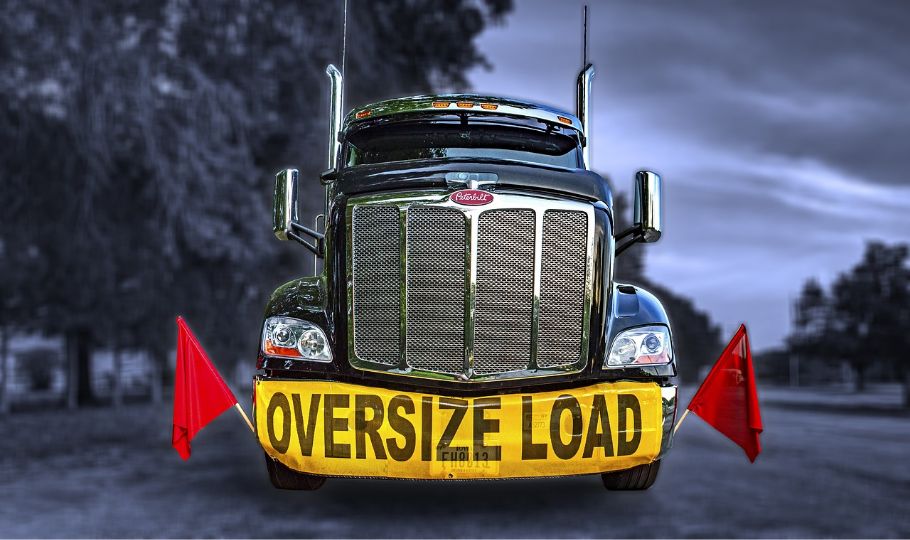
    Flatbed trucks have an open bed or platform in the back. There is no enclosure, allowing for the transport of large, bulky, or oversized cargo. Flatbeds are ideal for heavy machinery, steel pipes, lumber, and construction materials. The design of this truck makes it easy to load and unload, and it can accommodate a wide variety of items in varying shapes and sizes. When using flatbed trucks, you may need to apply for overweight and oversize permits before sending the freight on its way.

    Reefers

    Reefers, or refrigerated trucks, are the best option if you need to transport temperature-sensitive items. Medications, food, and other perishable goods will require a refrigerated truck.

    Reefer trucks have refrigeration units that keep the cargo compartment at a set temperature. This allows goods that can spoil to travel long distances without compromising quality.

    Straight Trucks

    Straight trucks have the cab and cargo area mounted on the same chassis. They are best for delivering cargo to local or regional destinations and are easier to maneuver. Straight trucks are often used to ship packages and household items. They often feature ramps or liftgates to help with loading and unloading.

    Tankers

    Tanker trucks are used to move gasses and liquids to their destinations. They often transport petroleum, chemicals, or water. Driving a tanker truck requires you to take extra precautions to comply with regulations for safety.

    Semi-Trucks

    Semi-trucks or semis are among the most commonly used trucks in the industry. These have a cab and a semi-trailer attached with a hitch that makes it easier to ship large quantities of freight. There are many sizes and styles of semi-trucks, but most of them are versatile enough to transport a variety of goods.

    Dump Trucks

    Dump trucks are adept at hauling gravel, sand, dirt, and debris. They have platforms that make it easy to raise and lower for offloading loose bulk materials. Dump trucks are most often used for construction, mining, and waste management needs.

    Box Trucks

    Box trucks may be best for transporting items short or medium distances. They get their name from their distinctive square, or box, shape. A box truck may be ideal when you need to haul smaller goods, such as for retail, restaurants, or distribution facilities.

    These are also the types of trucks commonly used for moving. They are easier to maneuver and have greater measures for protecting the items within during transit.

    These are just a few of the types of trucks that are used in the trucking industry. Your fleet may require a variety of different trucks or use all the same type, depending on what you need to transport and where.