Author: autoview

  • 2023 Ford F-150 Rattler Offers Customers Distinctive Styling, Rugged Off-Road Capability

    2023-ford-f-150-rattler

    Today Ford introduces the F-150 Rattler, a distinctive, rugged, entry-level addition to its 2023 F-150 lineup for adventure-seeking customers looking for a stylish truck with standard four-wheel drive for exceptional off-road capability.

    “Our new F-150 Rattler offers aspiring adventurers an off-road option with expressive looks and capability in one package,” said Todd Eckert, Ford truck group marketing manager. “This truck builds off the F-150 off-road legacy while allowing us to introduce new customers to the right blend of styling and value in the F-150 lineup.”

    The F-150 Rattler package is built off the XL series, with FX4 content featuring skid plates to help ensure Built Ford Tough protection for a confident off-road experience, electronic rear-locking differential for enhanced traction, hill descent control for precision throttle and braking on steep descents, and specially tuned off-road shock absorbers for increased stability over tough terrain. In addition, F-150 Rattler features rugged all-terrain tires for versatility and capability.

    Distinctive looks reflect the capabilities of the F-150 Rattler package, with a dual exhaust system that combines aggressive styling with a bold sound, plus painted 18-inch aluminum wheels that add to the truck’s solid, sporty stance. F-150 Rattler badging on the fender vents and rattlesnake-inspired graphics amplify its unmistakable appearance.

    Onyx seats featuring burnished bronze accents and impeccable stitching match the trim on the instrument panel to create a unique interior in keeping with the desert-inspired theme of the new F-150 Rattler. Exterior colors include Oxford White, Avalanche, Iconic Silver, Carbonized Gray, Antimatter Blue, Stone Gray, Agate Black and Rapid Red TriCoat*.

    The 2023 F-150 Rattler goes on sale this fall.

  • Aston Martin Works marks the anniversary of a true British classic

    1992 Aston Martin Virage - Front Angle

    Aston Martin Works – the heritage home of the great British luxury car maker – is marking 30 years since the dramatic debut of, arguably, one of the marque’s most memorable and desired ‘niche’ models: the Aston Martin Virage and Virage Volante 6.3-litre conversion.

    Created as a comprehensive upgrade package for the ‘standard’ Virage – launched in 1989 to worldwide acclaim, not least for being the first entirely new Aston Martin in 20 years – the 6.3-litre conversion was made available by the brand’s Customer Service Division – now known as Aston Martin Works – in the early months of 1992.

    Embracing the ‘more is more’ ethos of the time, the 6.3-litre conversion made the Virage among the most potent sports cars of its day with suspension, braking and comprehensive styling changes complementing the huge uptick in power and performance.

    The Virage 6.3 has its roots firmly in the marque’s motorsport activities of the time. The late 1980s saw Aston Martin return to sports car racing after a 25-year hiatus with its AMR1 Group C machines contesting the World Sports Prototype Championship in 1989. The racing programme saw the capacity of Aston Martin’s all-alloy V8 increase from its standard 5.3 to 6.0 and, later, 6.3-litres. Naturally, then, when the Virage debuted with the V8 in four-valve form it was only logical that it should in due course be offered with the option of 6.3-litre power.

    And what a difference that engine upgrade made! At its launch the standard Virage Coupe’s 5,340 cc V8 was good for around 330 bhp at 5,300 rpm, and 350 lb/ft of torque at 4,000 rpm – hardly modest by the standards of the day.

    However, with the 6.3 conversion the Virage became nothing less than brutally powerful. That reworked 6,347 cc engine now gave 500 bhp at a heady 6,000 rpm, while torque grew to 480 lb/ft at 5,800 rpm – with 400 lb/ft of that on offer at only 2,500 rpm meaning a largely flat torque curve to boot.

    The numbers are breathtaking. This 1,969 kg machine – 4,737 mm from nose to tail and a few millimetres shy of two metres wide – could sprint from rest to 62 mph in 5.1 seconds. 0-100 mph took a mere 11.5 seconds while the top speed was an entirely adequate 174 mph.

    The engine featured specially manufactured Cosworth racing pistons, a new crankshaft, modified cylinder heads and new inlet camshafts. These were combined with modified Weber/Alpha sequential fuel injection, a comprehensively re-mapped engine management system and special exhaust catalysts.

    Suspension and brakes

    The 6.3 conversion’s dramatic increase in power and performance naturally necessitated a corresponding upgrade in the Virage’s suspension and braking capabilities.

    The wishbone/coil spring front suspension and the de Dion rear tube, with radius arms and Watt linkage, featured newly-designed rose joints all round together with uprated springs, bespoke dampers, a larger front anti-roll bar, and the fitment of an anti-roll bar at the rear. Detail geometry changes and improved steering rack mountings further improved driver feedback.

    The 6.3 conversion boasted five-spoke 10.5×18-inch OZ alloy wheels while the 285/45 ZR Goodyear Eagle tyres were tasked with transmitting that prodigious power to the tarmac.

    Bringing two tonnes of Aston Martin to a controlled halt from 174 mph was no mean feat, either, and to that end the 6.3 conversion was fitted with ventilated and cross-drilled disc brakes all round, derived from the AMR1 Group C sports car and featuring an electronically controlled four-channel anti-lock system. Indeed, at 14 inches in diameter the front discs were at the time the largest fitted to any production car in the world and, with their four cylinder racing calipers, provided the immense stopping power demanded by physics.

    Styling

    To accommodate the significantly increased wheel and tyre sizes, the standard Virage’s wheel arches were substantially flared using hand-crafted aluminium panels. These were complemented by extended side sills, a deeper front air dam, an extended rear valance and a prominent boot spoiler.

    Inside, the 6.3 conversions retained all the creature comforts of the day synonymous with Aston Martin luxury such as Connolly hide trim on the seats. Options included such hi-tech features as a mini-disc player and even a mini television receiver with video monitor for rear seat passengers.

    At the time of the 6.3 conversion’s introduction in 1992 the standard Virage was retailing at around £140,000 excluding options. The cost of the conversion added £60,000 to that figure.

    While the precise number of Virage and Virage Volante 6.3 conversions carried out remains unconfirmed, it is thought that as many as 60 conversions were created over the course of a couple of years. The opaqueness around the number of cars built is due largely to a number of special, coach-built Virage models that carried some or all of the constituent parts of the conventional 6.3 conversion. Nevertheless, it is clear that the revisions did make a significant impact on the brand and its customers.

    Aston Martin sold a grand total of 46 cars in 1992 – all Virage – and of those a good number would certainly have then visited what is today Aston Martin Works for the 6.3 conversion work to be carried out over the course of 12 weeks or so, per car.

    Aston Martin Historian, Steve Waddingham, explained: “The Virage and Volante 6.3 conversion came at a testing time for Aston Martin. The business had experienced a boom in the late 1980s, but with the economic downturn of the early 90s sales were harder to come by.

    “This ingenious offering created by the brand’s Customer Service Division – now Aston Martin Works – not only created a huge amount of positive media interest in the marque but also provided many of our well-heeled customers with the opportunity to acquire an iconic road car with real motorsport heritage.”

    Paul Spires, President of Aston Martin Works, was himself involved in the Virage 6.3 conversion project and remembers driving the development and demonstration vehicle, affectionately known today as ‘Minky’.

    He said: “The Virage 6.3 conversion was, and remains, a superb example of the capabilities of the department that is now Aston Martin Works.

    “The car was comprehensively re-engineered, and restyled, right here in Newport Pagnell. It remains a true testament to the ingenuity and vision of the Aston Martin business and I’m thrilled – but also a little shocked from a personal point of view – that we are able to celebrate its 30th anniversary in 2022.”

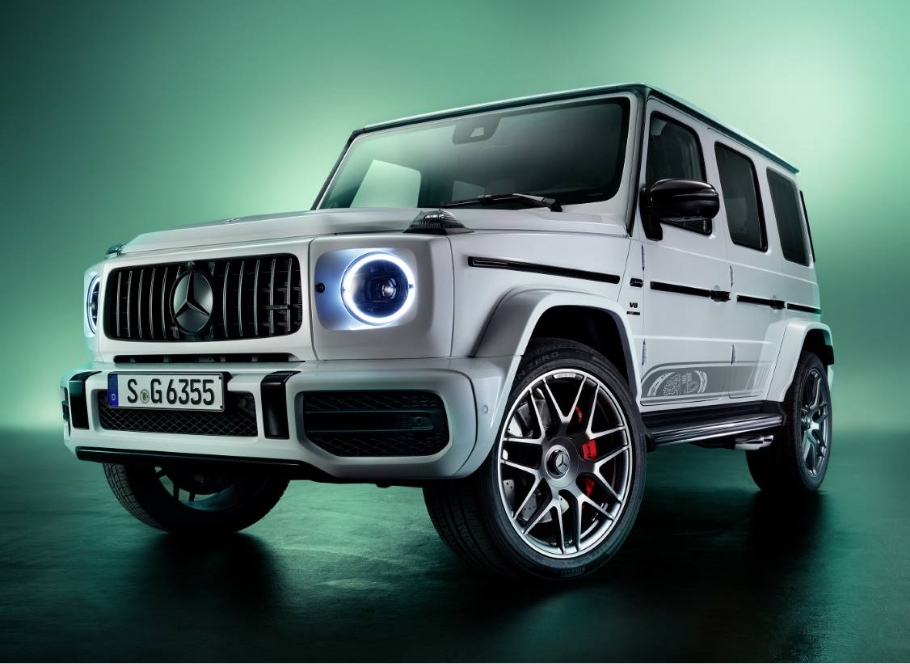
  • Mercedes-AMG G 63 “Edition 55” – exclusive model to mark “55 years of AMG” anniversary

    Mercedes-AMG G 63 Edition 55 - Front Angle

    For 55 years these three letters have signified top-level performance, exclusivity, and high driving dynamics worldwide. The G-Class has held a unique position in the AMG portfolio for over two decades and represents the pinnacle of off-road driving performance. Its cult status makes it the ideal ambassador to ring in the 55th anniversary of the performance luxury brand with the Mercedes-AMG G 63 “Edition 55.” Exquisite details underline Mercedes-AMG’s claim to offer customers the highest possible individuality and exclusivity. Limited to 55 units in the U.S., the anniversary model will be available later this year.

    “From a two-man start-up in 1967 to a state-of-the-art development site including its own engine manufacturing facility for high-performance vehicles and more than 2000 excellently qualified employees in 2022, the success story of Mercedes-AMG over the past 55 years is simply impressive. The same applies to the G-Class, which has remained true to itself for over four decades in the course of its unique career. Its storied history and genuine character makes it the perfect first well-wisher for me on our 55th birthday. And just as the G-Class will lose none of its original character in its future all-electric variant, Mercedes-AMG is also ensuring the hallmark driving performance made in Affalterbach in its electrified future. The departure into the next 55 years of the company’s history will certainly be as exciting and challenging as the task our company founders Hans Werner Aufrecht and Erhard Melcher set themselves back then,” says Philipp Schiemer, Chairman of the Board of Management of Mercedes-AMG GmbH.

    The 2022 Mercedes-AMG G 63 “Edition 55” is finished in Obsidian Black metallic and features the AMG emblem. 22-inch AMG forged wheels in a cross-spoke design with a matte grey paint finish and a high-sheen rim flange, as well as the AMG Night Package and AMG Night Package II provide visual contrast. The fuel filler cap in silver chrome with AMG lettering further exemplifies the exceptional attention to detail.

    The interior is characterized by contrasting black and red elements. Stainless steel door sill trims with red illuminated AMG lettering welcome the driver. To match, the black AMG floor mats made of high-quality velour feature red contrasting stitching and “Edition 55” lettering woven in red. The AMG Performance steering wheel in Microfiber also commemorates the anniversary with the “AMG” and “55” badges, making this special model an exclusive collector’s item. AMG seats are finished in two-tone Nappa Leather in Classic Red/Black. The exclusive ambience of the interior is rounded off by AMG matte carbon trim elements.

    The G 63 “Edition 55” also includes a customized AMG Indoor Car Cover, made from a breathable, tear- resistant synthetic fiber fabric with an antistatic inner fabric made of flannel.

    55 years of the Mercedes-AMG success story

    Founded in 1967 by engineers Hans Werner Aufrecht and Erhard Melcher, the company has continued to build on its position as a highly successful performance and sports car brand through numerous successes in motorsport and the development of unique road cars. Today the Affalterbach-based company is a wholly owned subsidiary of Mercedes-Benz Group AG and is the Group’s sporting spearhead. For each of the more than 2,000 employees the focus is on the brand promise of “Driving Performance,” which unites the core strengths of AMG: cutting-edge technology and a passion for dynamic, emotionally-appealing products.

    The current Mercedes-AMG portfolio comprises more than 50 vehicles with a power range from 302 hp (AMG CLA 45 Coupe and GLA 45) to 831 hp of system power in the first performance hybrid from Affalterbach, the Mercedes-AMG GT 63 S E PERFORMANCE. The selection ranges from performance vehicles in various body styles to completely independently developed sports cars such as the Mercedes-AMG GT 4-Door Coupe and the new Mercedes-AMG SL. The range of powertrains has also been continuously developed in line with market requirements and customer wishes, and currently offers efficiency-optimized combustion engines with four, six or eight cylinders. In addition, Mercedes-AMG is consistently pursuing the path of the Future of Driving Performance: under the label E PERFORMANCE, performance hybrids are offered with an independent drive layout and technology derived from Formula 1. The portfolio also includes the all-electric AMG EQS and EQE, derivatives based on the Group’s “EVA2” platform. In the near future, completely independently developed battery-electric AMG models will also follow, which will be based on a new electrical architecture (AMG.EA) that has been developed completely in-house.

    With 145,979 vehicles delivered globally in 2021 and growth of 16.7 percent, Mercedes-AMG has started the anniversary year with a record figure.

    Over two decades of the high-performance G-Class

    The first production model of an AMG variant of the G-Class was launched globally in 1999 to mark the 20th anniversary of the off-road legend. The G 55 AMG marked the beginning of a new, highly successful chapter in G-Class history. The 5.5-liter naturally aspirated eight-cylinder engine with three-valve technology and dual ignition produced 349 hp and 387 lb-ft of torque at 3,000 rpm. In 2004 the high-performance model received an even more powerful V8 supercharged engine with 469 hp. Another highlight was the 2015 introduction of the G 65 AMG. Its 621 hp V12 engine achieved an impressive 738 lb-ft of torque.

    The current Mercedes-AMG G 63 continues the success story. Its unique position among performance SUVs is underpinned by the powerful drive, AMG RIDE CONTROL suspension, AMG-specific driving programs and luxurious interior. The Handcrafted AMG 4.0L V8 Biturbo engine with 577 hp and 627 lb-ft of torque, 40:60 ratio all-wheel drive with three differential locks, extremely fast-shifting nine-speed automatic transmission, double-wishbone independent front suspension and adaptive adjustable damping deliver on the AMG brand promise of “Driving Performance” on- and off-road.

  • Mercedes-AMG GT Track Series: limited edition, unlimited performance

    Mercedes-AMG GT Track Series

    The most powerful customer sports car ever developed by Mercedes-AMG: the Mercedes-AMG GT Track Series, conceptualized for use during track day events. With the exclusive limited edition, the Mercedes-AMG motorsport department is celebrating the 55th anniversary of the Affalterbach- based company. Limited to 55 units, the Mercedes-AMG GT Track Series serves as a memento to AMG founders Hans Werner Aufrecht and Erhard Melcher and their philosophy: making the best even better yet. The result is an uncompromised, exclusive performance car that reflects the automotive constructors’ art of Mercedes-AMG in a unique way.

    1. New Mercedes-AMG GT Track Series is limited to 55 units
    2. Most powerful customer sports car ever to be developed by Mercedes-AMG
    3. Extension of AMG portfolio by an exclusive member for track day events

    The Mercedes-AMG GT Track Series is extending the GT legacy with a new iconic model. The legendary top performer, Mercedes-AMG GT Black Series, served as the basis for the development. Similar to the GT Black Series, the GT Track Series stands out for its unique vehicle concept aimed at top-level performance, combined with the racetrack-proven qualities of the GT3 and GT4 models. Ineligible for road use approval, the GT Track Series underlines its high exclusivity by means of numerous unique technical and visual features.

    Fascinating performance offer

    The heart of the Mercedes-AMG GT Track Series is the Handcrafted AMG 4.0L V8 Biturbo engine from the Mercedes-AMG GT Black Series, the engineers from Affalterbach enhanced its impressive performance figures even further. For instance, thanks to custom motorsport injectors and a specific engine application, the power unit equipped with a flat-plane crankshaft now delivers 778 hp and 627 lb-ft.

    The sequential Hewland HLS 6-speed racing gearbox with adjustable differential transfers the power to the rear axle. Like in all the models from the GT family, it has been installed on the rear axle in transaxle configuration and has a torsion and torque resistant connection to the engine by means of a carbon fiber torque tube. The suspension of the Mercedes-AMG GT Track Series features comprehensively adjustable four-way Bilstein dampers. As is common in motorsport, they each have a high-speed and low-speed setting in the rebound and compression levels and allow for adjustments of the ride height. In addition, the anti-roll bars are individually adjustable.

    In combination with the underlying car concept, these high-performance components result in highly precise handling with unmistakable feedback. This allows drivers of all skill levels to quickly build up confidence in the vehicle.

    Optimized aerodynamics combined with a powerful design

    The design and aerodynamics of the Mercedes-AMG GT Track Series strictly follow the performance philosophy. The hood, fenders, side sills, trunk lid and rear bumper are made of carbon fiber and largely contribute to the high driving dynamics. Another important effect of the material mix is the reduction of the curb weight of the vehicle to 3,086 lb.

    The integrated louvers of the carbon wing on the front axle provide a higher downforce. The side sills with elements of black visible carbon, transitioning into vertical blades both at the front and the rear, significantly contribute to an optimal airflow around the vehicle. To ensure effective cooling of the rear brakes, the sills also incorporate cooling air ducts. The rear bumper with double diffuser and lateral wheel arch air outlets also speaks to the racing DNA of the Mercedes-AMG GT Track Series.

    The front of the exclusive model is characterized by the AMG specific radiator grille, which ensures optimum air flow to the radiator. The high-downforce front splitter was developed exclusively for the GT Track Series. It is complemented by a modified, mechanically adjustable racing rear wing that is based on the aero element of the GT Black Series. It was further developed to improve the downforce on the rear axle.

    Another direct motorsport derivative is the exclusive characteristic hood with large air outlet. It guides the hot air from the engine bay, increases the overall downforce while contributing to the cooling of the engine at the same time.

    Another special development for the Mercedes-AMG GT Track Series are the exclusive high-sheen milled and forged 18-inch wheels, the common wheel rim size for GT race cars. All the usual competition tire types can be used.

    A special visual highlight is the exclusive semi-gloss special finish in MANUFAKTUR Cirrus Silver Magno with design elements in red and anthracite. Another highlight that emphasizes the exclusivity of this GT model is the integration of the AMG emblem in the upper area of the front fascia.

    Comprehensive safety package and motorsport specific interior

    Like in the GT3 and GT4, user and service friendly racing electronics have been installed in the GT Track Series as well. They include a racing specific traction control and a motorsport ABS, each adjustable across 12 levels (level 1: maximum TC/ABS activity, level 11: minimum TC/ABS activity, level 12: off).

    The brake components are motorsport-proven as well. The GT Track Series comes with steel brakes (front axle: 15.4″/rear axle: 14″). A brake beam has been installed for adjusting the brake balance. The carbon brake air ducts and the dimensionally stable brake air lines guarantee optimal cooling of the performance brake system in the process.

    Proven within the GT family, the safety concept has been applied in the interior: the roll cage of high-tensile steel is bolted to the aluminum space frame and an extrication hatch has been placed in the roof. The carbon driver safety cell has large dimensions and is even offering taller drivers sufficient room to move. Moreover, it has a five-point safety harness and customizable ergonomic seat. As a result, the driver safety cell meets the latest FIA standards and offers a considerably higher protection level than usual race seats. A powerful motorsport fire extinguisher system and driver safety nets complement the comprehensive safety concept of the GT Track Series.

    During the design process of the interior, the Mercedes-AMG engineers have paid particular attention to the purpose of the vehicle: the GT Track Series has been assembled as a thoroughbred motorsport vehicle and therefore does without any typical comfort elements. To achieve the 3,086 lb curb weight, the search for any components like padding materials, interior fairing or electric windows is in vain.

    The steering wheel, exclusively developed for the GT Track Series in cooperation with the sim racing experts at Cube Controls, has a wide adjustment range and numerous control opportunities. The pedals can also be adjusted and can be individually adapted to the driver’s physique. The dashboard with visible carbon and a matte finish includes a fully programmable BOSCH DDU 11 Driver Display Unit, designed for intuitive operation and user-friendliness. Moreover, it incorporates a comprehensive data logging system for motorsport purposes, for instance a lap trigger to keep track of lap times. The GT Track Series is one of the first cars around to feature the newly developed system.

    55 years of Mercedes-AMG – 55 Mercedes-AMG GT Track Series

    The Mercedes-AMG GT Track Series stands for maximum exclusivity. The special series is limited to 55 units, each of them built by hand in Affalterbach. Thus, Mercedes-AMG reminisces about the founding of the company by Hans Werner Aufrecht and Erhard Melcher in 1967, exactly 55 years ago. A high-quality embossed “1 of 55” plaque in the interior identifies every Mercedes-AMG GT Track Series as a unique piece from the special edition. The “Track Series” embroidery on the driver’s seat and on the limited car cover also refer to the exclusivity of the GT Track Series.

    Comprehensive service and support included

    Mercedes-AMG GT Track Series owners benefit from a comprehensive service and support range that is continually being developed and expanded. It also includes such privileges that normally are exclusive to the Mercedes-AMG Motorsport customer teams: a technical training prior to delivery of the vehicle, individual engineer support during track days and club sport activities upon request, a service hot line during race weekends as well as logistical services such as an optimal spare parts supply.

    Technical support is guaranteed by the motorsport experts at HWA AG, carrying out services and rebuilds as Mercedes-AMG’s development and production partner. The exclusive online-based ordering and information system “Customer Service Portal” is in place for ordering accessories and spare parts as well as providing all technical documentation.

    Direct sales from Affalterbach

    Worldwide sales of the Mercedes-AMG GT Track Series is being handled from Affalterbach where Mercedes-AMG has its headquarters. Customer delivery of the special edition starts in the second quarter of 2022. The list price of the Mercedes-AMG GT Track Series including air conditioning is € 369,000 plus VAT. A spare parts starter set, seat and helmet ventilation system, drinking system and passenger safety cell are available as options. Further equipment options are available upon request.

    The Mercedes-AMG GT Track Series at a glance:

    Engine Handcrafted AMG 4.0L V8 Biturbo engine
    Displacement 3,982 cc
    Output 778 hp
    Torque 627 lb-ft
    Drive Transaxle configuration: front engine, gearbox on the rear axle, connected by Torque Tube
    Gearbox Sequential AMG 6-speed competition gearbox with mechanical (adjustable) self-locking differential and magnesium casing as well as
    shift paddles on the steering wheel, pneumatically operated
    Bodywork Aluminum space frame;
    roll cage of high-tensile steel
    Safety Carbon driver safety cell to latest FIA standards, individualized seat and integrated headrest as well as extrication hatch in the roof;
    powerful motorsport fire extinguisher system
    Suspension Aluminum double wishbones front and rear;
    shock absorbers with adjustable rebound and compression
    Electronics Motorsport electronics with torque control;
    optimized driver aid systems: AMG TRACTION CONTROL, competition ABS, Race-Start Control; service-friendly durable motorsport wiring
    Steering Electro-mechanical power steering
    Brakes Competition brake system with adjustable ABS; self-ventilating composite brake discs with special cooling air guidance; brake calipers with 6 pistons at the front and 4 pistons at the rear; brake
    disc diameter: 15.4″ (390 mm) front / 14″ (355 mm) rear
    Wheels AMG light alloy wheels, front: 12×18″, rear: 13×18″, forged
    Tires front: 325/660-18 / rear: 325/705-18
    Weight 3,086 lb (1,400 kg)
    Fuel tank capacity 31.7 gal (motorsport safety tank)
    Price 369,000 Euros (ex Affalterbach, VAT not included)

    Christoph Sagemüller, head of Mercedes-AMG Motorsport: “Everything on the GT Track Series is subordinated to the performance philosophy that has been the dominating theme in the conception of our cars since the founding of Mercedes-AMG 55 years ago. Our customers require the suitable vehicle for every kind of activity. Therefore, expanding our portfolio with an exclusive club sport car was logical. But we have even gone one step further, offering our customers not just an outstanding product with excellent performance and quality, but also a strictly limited special edition model.”

    Stefan Wendl, head of Mercedes-AMG Customer Racing: “For the development of the Mercedes-AMG GT Track Series, we set ourselves the aspiring goal of being able to provide ambitious motorsport customers with a matured and highly exclusive track tool. Our engineers and motorsport experts have accomplished this in an impressive way. I am looking forward to our customers setting new personal records with the
    GT Track Series at racetracks around the world.”

  • Alpine A110 range

    2022 Alpine A110 - Front Angle

    Today, Alpine is unveiling its new A110 range consisting of the A110, the New A110 GT and the New A110 S. All three revised versions of the A110 line-up are characteristically Alpine, and each has its own distinctive character and purpose. In their own way, they treat drivers to three kinds of Alpine experience.

    They are as light and agile as any car with an Alpine badge and come with a four-cylinder 1.8-litre turbocharged engine, paired with a Getrag seven-speed automatic gearbox with a dual wet clutch to deliver the iconic Alpine experience.

    The entry-level model, the A110 features the Alpine chassis and a 252hp engine offering similar driving characteristics to the original Berlinette – it is light, lively and precise, and delivers an agile and vibrant drive on all roads.

    The New Alpine A110 GT is the range’s Grand Tourisme sports coupe. With 300hp and renowned Alpine chassis, it strikes a fine balance between performance and comfort. Versatile and elegant, the A110 GT is a sports car perfectly suited to everyday and long-distance driving, as well as more involved drives on twisty roads.

    The New Alpine A110 S sits at the top of the revised range, focused on performance with 300hp and a unique Sports chassis. Optional semi-slick tyres and a new custom-made aerodynamic body kit brings enhanced thrills, precision and enjoyment – especially on track.

    The New A110 range starts from £49,905 OTR and is available now to order.

    SHARPER ENGINE CALIBRATION

    To maximise driving pleasure, each version of the Alpine A110 comes with three driver-selectable modes: Normal, Sport and Track.

    Normal mode is geared more towards comfort, while Sport mode is optimised for more dynamic driving and gear shifting – including the capability of shifting gears down and increasing engine revs (for the kind of smart boost you get from double clutching) between shifting up through the transmission.

    The throttle and engine response, power steering’s sensitivity, gear-shifting rules, and exhaust valve activation all change according to the mode the driver selects. This also applies to the ESC system, which can also be deactivated at the touch of a button.

    The New A110 GT and New A110 S engine’s calibration has been improved to push maximum power to 300hp at higher engine speeds (6,300rpm), add 20Nm (340Nm torque as low as 2,400rpm) and reach the enhanced top speed in seventh gear, while the automatic gearbox is also engineered to boost performance.

    Another all-new feature is found when initialising the Launch Control procedure, with one of the cylinders temporarily disabled to produce a more engaging engine note.

    NEW INFOTAINMENT AND CONNECTIVITY

    Alpine is fitting its new A110 range with a new multimedia system including a seven-inch touchscreen, Bluetooth connectivity and two USB outlets. It is smartphone-inspired, intuitive with customisable widgets, and compatible with Apple CarPlay and Android Auto.

    The controls behind the steering wheel activate voice recognition so that you can control your smartphone’s operating system or run Google Online Search for addresses. The onboard navigation system provides a wealth of information in real time, including traffic updates and upcoming service stations including fuel prices.

    The Alpine Telematics menu (standard on the New A110 S) includes real-time readings or bar charts displaying key metrics such as turbo pressure, gearbox temperature, torque, power, steering wheel angle and acceleration, while the built-in chronograph keeps track of performance on circuits.

    The Alpine multimedia system is available, depending on the version, with a standard audio system, Focal audio system (two speakers + two tweeters) and Focal Premium audio system (two speakers + two tweeters + one subwoofer).

    The new Alpine multimedia system is compatible with FOTA (Firmware Over The Air) remote updates. This connectivity ensures the system is always operating in as up-to-date format as possible and will make it possible to add a Wi-Fi connection in the near future.

    NEW ALPINE A110 S: THE ESSENCE OF A SPORTS CAR

    POWER
    (hp)
    TORQUE
    (Nm)
    COMBINED MPG
    (WLTP)
    CO2 EMISSIONS
    (g/km)
    0-62mph
    (secs)
    TOP SPEED (mph) PRICE
    (OTR £)
    A110 S 300 340 at 2,400 to 6,000rpm 34.5-33.6 153-160 4.2 170 £59,955
    • Power-to-weight ratio: 3.7kg/hp
    • Sport chassis: recalibrated anti-roll bars and springs, purpose-engineered axle geometry, 50 per cent stiffer coil springs, shock absorbers adjusted accordingly, hollow anti-roll bars to minimise weight (and 100 per cent firmer), 4mm lower ride height, hydraulic steering wheel stops for optimal body control
    • Unladen kerb mass: 1,109kg to 1,140kg
    • Exhaust system: Sport
    • Brembo high-performance braking system, 320mm diameter dual material discs at the front and rear, orange callipers Bright black 18-inch GT Race rims
    • Michelin Pilot Sport 4 tyres (215/40 R18 at the front and 245/40 R18 at the rear)
    • Sabelt Sport adjustable seats in black microfibre and leather with orange overstitching, fitted on two visible rails

    The exterior design of the New A110 S provides more than a clue as to its sporty, intensely Alpine driving experience.

    Exterior equipment includes chromium black Alpine lettering, bright 18-inch GT Race rims with black detailing, 215/40 R18 front tyres and 245/40 18 rear tyres, and orange brake callipers. Additional S badging completes the added detailing over the rest of the A110 range, while optional carbon aerodynamic body kit details are available, as well as Fire Orange paintwork with contrasting Deep Black roof.

    Under the skin, the New A110 S delivers on its visual promise with an uncompromising mechanical specification – 300hp, uprated Sports chassis, brakes and exhaust – to deliver an enthusiastic and exhilarating drive on any road, at any speed.

    The New A110 S is also available with optional Michelin PS Cup 2 Connect semi-slick tyres, while the optional Aero Kit pushes the top speed up to 170mph. The kit is comprised of a carbon rear spoiler improving aerodynamic support, a carbon front blade and longer front fairings under the car to step up the efficiency of the rear diffuser and flat floor. With the Aero Kit fitted, the New A110 S can deliver its full potential on track. Its stability at its enhanced top speed comes from the 60kg extra load on the front wheels (from the carbon blade) and 81kg extra load at the back (from the carbon spoiler), adding up to a total of 141kg extra downforce.

    The interior comes with top-of-the-range fittings including adjustable Sabelt Sport seats, aluminium Sport pedals, and a microfibre covered interior with orange overstitching if the driver opts for the Microfibre pack and Racing Seats. The orange seatbelts, all-microfibre seat upholstery and fittings to add a harness are unique to the New A110 S.

    “The New Alpine A110 S is the first A110 with a rear spoiler. We ran the A110 S through many wind tunnel tests, which showed that it needed substantial aerodynamic support to reach its maximum speed. The Aero Kit is our answer to that challenge. The A110 S peaks at 170mph, has fantastic looks and is set to be a star on the tracks that takes on any race against the clock.”
    Antony Villain, Director of Design, Alpine

    NEW ALPINE A110 GT: GRAND TOURISME, FRENCH STYLE

    POWER
    (hp)
    TORQUE
    (Nm)
    COMBINED MPG
    (WLTP)
    CO2 EMISSIONS
    (g/km)
    0-62mph
    (secs)
    TOP SPEED
    (mph)
    PRICE
    (OTR £)
    A110 GT 300 340 at 2,400 to 6,000rpm 34.5-33.6 153-160 4.2 170 £59,355
    • Alpine chassis, double-triangulated front and rear suspension
    • Unladen kerb mass: 1,119kg to 1,140kg
    • Sport exhaust system
    • Brembo high-performance braking system, 320mm diameter discs at the front and rear, blue callipers
    • Légende 18-inch diamond-cut black rims
    • Michelin Pilot Sport 4 205/40 R18 tyres at the front and 235/40 R18 tyres at the rear
    • Adjustable Comfort seats on six rails, covered in black or brown leather with blue overstitching

    The distinctive features of the New A110 GT include the Thunder Grey launch colour, enhanced with subtle GT badging on the back and the door sills. The New A110 GT offers an unparalleled blend of performance and elegance with its Alpine chassis and 300hp powertrain.

    The sleek exterior silhouette, sophisticated interior and sharp mechanical features deliver a tantalising combination. Standard features bring enhanced comfort and convenience, including Park Assist with front and rear sensors and rear-view camera, plus adjustable leather Comfort seats with blue overstitching.

    ALPINE A110: THE ORIGINAL

    POWER
    (hp)
    TORQUE
    (Nm)
    COMBINED MPG
    (WLTP)
    CO2 EMISSIONS
    (g/km)
    0-62mph
    (secs)
    TOP SPEED (mph) PRICE
    (OTR £)
    A110 252 320 2,000 to 4,800rpm 35.1-33.6 152-158 4.5 170 £49,905
    • Alpine chassis, double-triangulated front and rear suspension
    • Unladen kerb mass: 1,102 to 1,140kg
    • Brembo 296mm diameter front and rear brakes, Charcoal Black callipers
    • 17-inch rims
    • Michelin Pilot Sport 4 205/45 R17 tyres at the front and 235/45 R17 tyres at the rear
    • Adjustable Sport seats covered in black microfibre and leather with grey overstitching, fitted on two rails
    • New Alpine multimedia system with enhanced connectivity

    The entry model to the A110 range has been renamed simply as the A110. Its agility and acceleration are unparalleled thanks to a combination of a lightweight and balanced chassis. Its mass has been optimally spread out – 44 per cent at the front, 56 per cent at the rear with the engine in a central-back position – and it is lighter at 1,102kg unladen. It comes with the Alpine chassis and Sport seats, and its communicative dynamics and efficiency in all circumstances provide uncompromised driving pleasure.

    STANDARD SPECIFICATION

    A110

    Technology

    • Alpine multimedia system with touchscreen: navigation, AndroidAuto™ and Apple Carplay™, Bluetooth® compatibility, connected services, USB and Jack plugs
    • Two USB ports
    • Compact aluminium brake calipers with integrated parking brake
    • Standard tyres Michelin® PS4
    • Cruise control with speed limiter
    • Driving mode selector (Normal/Sport/Track)
    • Front and rear braking system (296mm diameter)
    • Double-wishbone suspension system at front and rear

    Comfort

    • Keyless start
    • Automatic climate control
    • 100-litre rear boot volume
    • 96-litre front boot volume
    • Adjustable steering wheel for reach and rake

    Safety and security

    • Hill-start assist (HSA)
    • Driver and passenger airbags
    • Anti-lock braking system (ABS)
    • Emergency brake assist
    • Deactivatable stability control system
    • Tyre inflation kit: compressor and cartridge
    • Anti-theft alarm pre-equipment
    • Tyre pressure sensors

    Exterior

    • 17-inch 10-spoke wheels
    • LED front headlamps
    • LED tail lights with dynamic indicators stop lights and reversing lights
    • Chrome centre exhaust
    • Chrome headlamps
    • Rear diffuser
    • Anthracite Grey Brembo® brake calipers
    • Standard tyres Michelin® PS4
    • Front and rear braking system (296mm diameter)
    • Double-wishbone suspension system at front and rear

    Interior

    • 7-speed dual-clutch automatic transmission
    • Aluminium paddle shifters on steering column
    • Aluminium driver footrest
    • Stainless steel door sills
    • Sabelt® Sport one-piece bucket seats (mixed leather/microfibre)
    • Contrasting grey stitching
    • Leather steering wheel


    New A110 GT (in addition to A110)

    Technology

    • Focal® audio system
    • Front and rear parking sensors, reversing camera with audible signal

    Exterior design

    • 18-inch “Legende” wheels with black diamond cut finish
    • Alpine blue Brembo® brake calipers

    Interior design

    • French flag on the door panels
    • Sabelt® Six-way Comfort bucket seats


    New A110 S (in addition to A110 and New A110 GT)

    Technology

    • Alpine telematics
    • Rear parking sensors
    • Active sport exhaust

    Comfort

    • Keyless start
    • Automatic climate control
    • Electric, heated, aspherical wing mirrors

    Exterior

    • 18″ GT Race wheels in matte black finish
    • Carbon/carbon/orange flags on C-pillars
    • Orange Brembo® brake calipers
    • Active sport exhaust

    Interior

    • Carbon/carbon/orange flags on the door panels
    • Sabelt® Sport one-piece bucket seats (mixed leather/microfibre)

    The Alpine A110, New A110 GT and New A110 S models are available in Glacier White, Iridescent White, Abyss Blue, Alpine Blue, Deep Black, Thunder Grey, Thunder Grey matte finish, and Fire Orange tones. The New A110 S also comes exclusively with the all-new optional dual-colour body finished in Fire Orange with contrasting Deep Black roof.

    In addition, the Atelier Alpine catalogue offers a range of 22 exclusive ‘heritage’ colours evoking the legend of the brand.

    AVAILABLE OPTIONS

    A110 New A110 GT New A110 S
    DRIVING
    Rear parking sensors O  – l
    A110 Front and rear parking sensors O  – –
    A110 S Front and rear parking sensors –  – O
    A110 Front and rear parking sensors, reversing camera with audible signal O l –
    A110S Front and rear parking sensors, reversing camera with audible signal – l O
    Track tyres Michelin® PS2 CUP  –  – O
    High-performance front and rear Brembo® braking system (320 mm     diameter) O l l
    Active sport exhaust O l l
    DESIGN
    Exterior design
    18“ “Fuchs” forged wheels (2) O – –
    – O O
    18“ “Fuchs” forged wheels in Thunder Grey (2) O – –
    – O O
    18’’ “Grand Prix” wheels with black diamond cut finish O – –
    – O –
    18“ “GT Race” wheels with black diamond cut finish – – O
    18“ “Sérac” wheels with black diamond cut finish O – –
    – O –
    Aero Kit : front splitter + rear spoiler in carbon fibre – – O
    Iridescent White O O O
    Blue Abyss O O O
    Alpine Blue O O O
    Thunder Grey O O O
    Thunder Grey matt finish – O O
    Deep Black O O O
    Fire Orange O O O
    Glossy carbon roof – O O


    A110 New A110 GT New A110 S
    Exterior design
    French flags on C-pillars l l O
    Black Headlamps – O O
    Blue Alpine Brembo® brake calipers O l O
    Anthracite Grey Brembo® brake calipers l O O
    Chrome Alpine logo on the front wings O O –
    Interior design
    Orange seat belt – – O
    Roof lining in black microfiber – O O
    A110 GT Microfiber pack: steering wheel, roof lining, center console and dashboard in black microfiber – O –
    A110 S Microfiber pack: steering wheel, roof lining, center console and dashboard in black microfiber – – O
    French flag on the door panels l l O
    Black leather interior harmony l O –
    Sabelt® Racing one-piece bucket seats (microfiber) – – O
    Blue Alpine logo in centre of steering wheel O O O
    Aluminium sport pedals O O l
    Aluminium passenger footrest – O l
    Racing Harness Mount – – O
    Contrasting Blue Alpine stitching O l O(3)
    Contrasting grey stitching l O O
    Floormat with Alpine logo O O O
    COMFORT AND MULTIMEDIA
    Comfort
    Storage package: cargo net behind the driver seat + storage case O O O
    Mirror package: foldable exterior wing mirrors and interior anti-glare system O O O
    Six-way Sabelt® Comfort seats (heated) O(4) O –
    Comfort Pack : six-way Sabelt® Comfort bucket seats, 18“ “Sérac” wheels with black diamond cut finish, aluminium sport pedals, front and rear parking sensors, reversing camera and Focal® audio system. O – –
    Multimédia
    Alpine Telematics O O l
    Focal® audio system O l l
    Focal® Premium audio system – O O


    A110 New A110 GT New A110 S
    ATELIER ALPINE – PERSONALISATION PROGRAMME
    Brembo® brake Calipers : Light grey / Vibrant Gold / Red / Yellow O O O
    Alloy Wheels 18″ – GT Race: Gloss White / Gloss Black / Vibrant Gold – – O
    Alloy Wheels 18″ – Légende: Gloss White / Gloss Black / Vibrant Gold – O –
    Alloy Wheels 18″ – Sérac: Gloss White / Gloss Black / Vibrant Gold O – –
    – O –
    Heritage Colours : selection of 22 brand-new body colours drawn from Alpine’s own history O O O
    Two-tone colour: Deep black contrasting roof + pillars (Only available with fire Orange body paint) – – O
    Two-tone colour with carbon roof: carbon roof + deep black contrasting pillars (Only available with Fire Orange body paint) – – O

    *  MRRP = Manufacturer’s Recommended Retail Price. The prices are subject to change without notice.

    (1) Fuel consumption and CO2 emissions are certified using a standard, regulated method. It is identical for all manufacturers and allows vehicles to be compared. Actual fuel consumption depends on vehicle use, equipment and the user’s driving style.

    (2) Must be combined with the option “high-performance braking system.

    (3) Bleu Alpine stitchings not available on racing seats

    (4) Must be combined with the option “Comfort Pack”

    TECHNICAL SPECIFICATIONS

      A110 New A110 GT New A110 S
    ENGINE
    Cylinders 4
    Valves per cylinder 4
    Size 1,798cm3
    Max engine power 185 kW (252 hp) at 6,000rpm 221 kW (300 hp) at 6,300rpm
    Max torque 320Nm from 2,000 to 4,800rpm 340Nm from 2,400 to 6,000rpm
    Fuel Petrol
    TRANSMISSION
    Type Rear wheel drive
    Gearbox Automatic, dual clutch, 7 speeds
    CHASSIS
    Chassis Aluminium structure (96%)
    Front/rear axles Double-triangulated suspension / Hydraulic compression stops
    Body Coupe, engine in central-back position
    Turning circle between pavements 11.4 metres
    Brakes Fixed aluminium 4-piston callipers front, fixed single-piston callipers rear
    Front brake disc diameter 296mm 320mm
    Rear brake disc diameter 296mm 320mm
    Front tyres 205/45 R17 205/40 R18 215/40 R18
    Rear tyres 235/45 R17 235/40 R18 245/40 R18
    WEIGHT
    Unladen kerbside (min – max) 1,102 kg – 1,140kg 1,119 kg – 1,140kg 1,109 kg – 1,140kg
    Max permissible mass (laden) 1,360kg
    PERFORMANCE
    Max speed 250km/h 250km/h 260 / 275*km/h
    0-100 km/h 4.5 s 4.2 s 4.2 s
    0-1000 metres 23.2 s 22.4 s 22.4 s
    CONSUMPTION/EMISSIONS(1)
    Homologation procedure WLTP(2)
    Fuel tank capacity 45 l
    CO2 emissions, combined cycle 152-158g/km 153-160g/km 153-160g/km
    Consumption, combined cycle 35.1-33.6mpg 34.5-33.6mpg 34.5-33.6mpg

    * with the optional Aero Kit

  • Maserati Grecale Global Premiere

    Maserati Grecale Modena - Front Angle

    Grecale strikes the right balance between versatility, elegance, performance and innovation, guaranteeing performance, comfort and safety, all at the same time. These features are combined with off-road capabilities and uncompromising driving pleasure. Developed at the Maserati Innovation Lab in Modena, the new SUV is produced at the Cassino plant.

    Grecale is a range within the range, the Trident brand’s fullest ever. An extremely wide range of engines is available: conventional internal combustion, hybrid and, in a year’s time, Grecale will also be the first full-electric SUV in Maserati history.

    Three versions will be rolled out at launch: GT, powered by a four-cylinder mild hybrid engine capable of delivering 300 hp (296 hp US/CAN); Modena, with a four-cylinder 330-hp (325 hp US/CAN) mild hybrid engine; and the powerful Trofeo, equipped with a high-performance 3.0L 530-hp (523 hp US/CAN) petrol V6 based on the Nettuno engine fitted to the MC20.  To complete the range, the Grecale Folgore, the 100% electric version with 400V technology.

    The new SUV stands out in terms of spaciousness and comfort, boasting an impressive set of “best-in-class” features. It is best-in-class in terms of interior space, driveability, handling, acceleration (0-100 km/h in 3.8 seconds – 0-60 mph in 3.6 seconds on the Trofeo), top speed (285 km/h – 177 mph again on the Trofeo), sound quality and extensive use of fine materials such as wood, carbon fibre and leather.

    Its dimensions are a major factor: in the GT version, Grecale is 4,846 mm long (191 inches) with a wheelbase of 2,901 mm (114 inches), a height of 1,670 mm (66 inches), a width of 2,163 mm (85 inches) (including wing mirrors), with a rear wheel track of 1,948 mm (77 inches) (and even greater in the Trofeo).

    The design of Grecale embraces Maserati’s new visual symbol, which distinguishes every new model since the MC20. The front features a low and imposing grille. The profile is notable for its contrast between purity and technique, with a highly fluid body featuring meandering, visual forms and its technical components highlighted by the use of carbon fibre. In the rear, the boomerang taillights are inspired by the Giugiaro 3200 GT and fit in with the trapezoidal line, made even more striking by the coupé effect of the cabin and its finish like a sports car’s.

    Inside, in the cabin, the standout tech specs include the traditional Maserati clockface. Digital for the first time, it transforms into a veritable in-car concierge, courtesy of voice control.

    Everything becomes touch-based, with extreme aesthetic cleanliness. The technology is controlled from the displays: the large 12.3” central screen, the largest ever seen in a Maserati, another 8.8” display for the extra controls and a third for the passengers in the rear seats.

    The in-car experience is managed from the Maserati Intelligent Assistant (MIA) Multimedia system, from the state-of-the-art infotainment and from Maserati Connect. The in-car sound is pushed to the absolute limits of enjoyment by an all-round sound experience, ensured by the typical Maserati roar and the immersive Sonus faber 3D sound system. The Sonus faber system – as standard at Premium level – includes 14 speakers, or 21 speakers on demand at High Premium level.

    Every journey is transformed into a unique adventure that combines dynamic comfort and an unforgettable driving experience, made possible by the extraordinary handling provided by the new, 100% Maserati Vehicle Dynamic Control Module (VDCM) system and the 360° control it offers over the car. The option of complete control translates into a clear distinction between the various DRIVE MODES: COMFORT, GT, SPORT, CORSA (Trofeo only) and OFF-ROAD.

    For Grecale’s World Premiere – a special digital event on the brand’s website (houseof.maserati.com) – Matilda De Angelis and Alessandro Borghi – Brand Ambassadors and internationally renowned Italian actors – were selected to embody and explain how the new model represents the everyday exceptional.

    Also in attendance was the Italian artist Dardust, with an exclusive backing track to part of the digital event. The engineers at the Maserati Innovation Lab in Modena have worked directly with Dardust to design the in-car sound. A joint effort that has taken shape in a transfer between technology and sound design, to customise the “chimes” – the sound alerts received by the user as part of the extraordinary driving experience aboard Grecale.

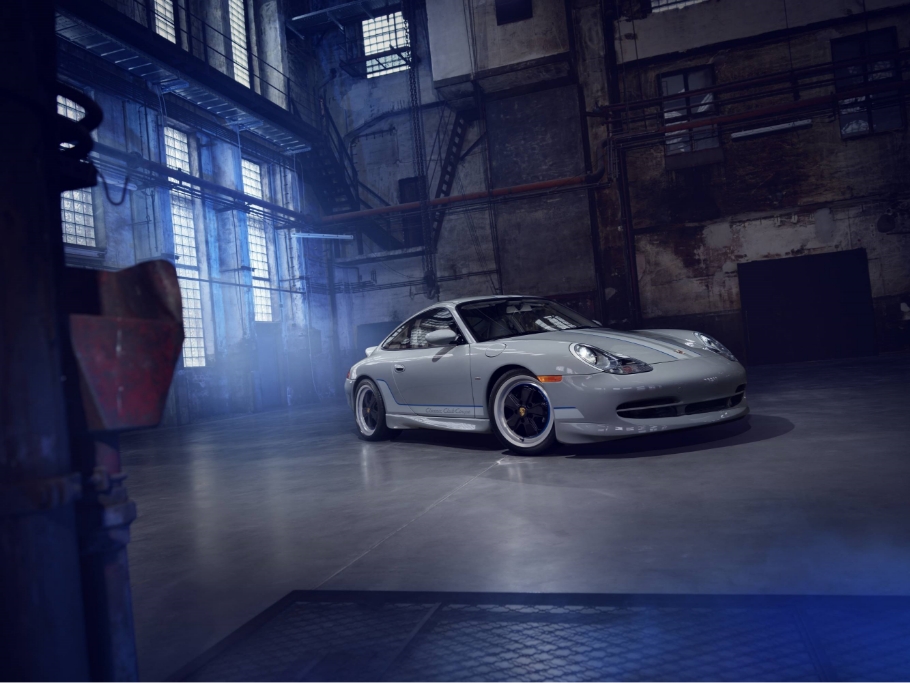
  • The Porsche 911 Classic Club Coupe

    2022 Porsche 911 Classic Club Coupe - Front Angle

    Introducing the Porsche 911 Classic Club Coupe, a one-of-one restoration project completed by Porsche Classic in collaboration with the Porsche Club of America (PCA). That this is a unique car will not surprise anyone who sees it, but a “No. 001/001” badge on the dashboard underscores its scarcity. A ducktail spoiler reminiscent of the 1972 911 Carrera RS 2.7, a double-bubble roof, 18-inch forged aluminum Fuchs wheels and unique paint combine to create a striking resemblance to the Type 997 911 Sport Classic. Those looks are only part of the story.

    “We wanted to take a different route – to base this unique project on a car less obvious – a modern classic – that would appeal to a slightly different group of enthusiasts,” said Tom Gorsuch, President of the Porsche Club of America (PCA). “The fact that the finished Porsche 911 Classic Club Coupe looks so cohesive, with the changes appearing so natural, is what’s really incredible about this challenging project.”

    Based on a 1998 911 Carrera, the chassis, brakes and engine in this sports car are both taken from the 996.2 911 GT3, the first such model homologated for sale in the U.S. Accordingly, the naturally aspirated 3.6-liter flat-six generates 381 horsepower. The donor car, which PCA Executive Director Vu Nguyen found in a state of neglect in Colombia, Virginia, traveled to the Porsche Classic workshop near the main plant in Stuttgart-Zuffenhausen where it was originally built. There, it went through a complete restoration including total disassembly, and strengthening of the body-in-white using both original and newly developed parts.

    “The Type 996 is unjustly overshadowed by the other 911 ranges. That’s why we were happy to choose it as the basis for demonstrating all the things we can do with Porsche Classic and the recently expanded Sonderwunsch program of Porsche AG,” says Alexander Fabig, Head of Individualization and Classic. “In 2009, the 911 Sport Classic, a limited series of 250, had already generated worldwide interest. However, this special model was not sold in the U.S. With this one-off, we’ve now managed to bring a similarly exciting vehicle concept to the U.S. as well.”

    Exterior

    Styling and design plans were finalized in parallel with the restoration process to keep the project on schedule. Input from the PCA and Porsche Classic in both Germany and the United States gave direction to the final car.

    Experts from Porsche Individualization, Porsche Classic, and Style Porsche drew up proposals and regularly discussed them with the PCA over the course of the project, which took a total of two and a half years to complete.

    The result was given a sneak preview at The Amelia in March. Sport Grey Metallic paint including stripes in light Sport Grey Metallic with Club Blue outlines run the length of the hood, roof and spoiler to reference the Type 997 911 Sport Classic. Accents in light Sport Grey along the sides of the car also feature “Classic Club Coupe” script with an accent line in Club Blue.

    The double-dome roof is also a detail with a motorsport connection. Tall racing drivers used to bulge the roofs to make enough headroom for wearing a helmet – the modern roof design alludes to this. The Style Porsche design concept 911 Panamericana from 1989, the Carrera GT and the 911 Sport Classic also had a roof shaped like this. Today, the double-dome roof is a classic design feature of many limited series from Porsche Exclusive Manufaktur and the 911 GT models. The fixed rear spoiler made of glass-fiber-reinforced plastic takes the shape of the legendary “ducktail” of the 911 RS 2.7 from 1972. The third brake light is built into it. The model designation “Classic Club Coupe” appears in the middle between the tail lights.

    In tandem with the roof design and spoiler – both hand-built for the project – the paint scheme creates a unique appearance rooted in Porsche heritage. In particular, the roof is a reference to the past when race drivers would dome the roof of their car to accommodate additional headroom for helmets.

    Interior

    It might seem difficult to find a more extensive example of what is possible through the Sonderwunsch program until viewing the Classic Club Coupe interior.

    Custom door sill plates call out the model name, while the interior, primarily upholstered in black leather with Slate Grey accents and a perforated Alcantara headliner. Most notably, the seat centers and door panels feature woven black and grey leather in a twill Pepita pattern. Club Blue stitching decorates much of the interior including the steering wheel and “911 Classic Club Coupe” embroidery on the headrests. That logo is also visible in the tachometer, flanked by two grey stripes and lines in Club Blue. Finally, the Classic Club Coupe is equipped with Porsche Classic Communication Management Plus, which offers modern infotainment conveniences including Apple CarPlay and Google® Android Auto as well as preparation for Sirius XM. By special request, the start screen on this model shows “Classic Club Coupe.”

    Bringing such an extensive project to life also required support from many parts of the company. The most intensive adaptation work took place on the special features of the 911 Classic Club Coupe: the double-bubble roof and the fixed rear spoiler. This meant the part of the body between the rear window and ducktail had to be handmade. The biggest challenge in the interior, on the other hand, was to match new materials with the geometry of the Type 996 interior.

    The technical modifications to the 911 Classic Club Coupe were evaluated by a team of experts from Porsche Individualization and Classic, Porsche Cars North America and the Porsche Development Center in Weissach to make sure the vehicle remained in compliance with applicable U.S. regulations.

    Vehicle dynamics validation testing also factored into the process. Standing in for the valuable one-off, a test vehicle went through extensive trial runs at test sites including Weissach in Germany, Nardò in Italy and Idiada in Spain. These included endurance runs at top speed and wind tunnel testing. However, once the verification program was completed, the test vehicle was dismantled – ensuring the final product is truly a one-off. The overall vehicle was approved after a road test by the Porsche Development Centre in Weissach.

  • Bentley Bentayga Speed Space Edition

    Bentley Bentayga Speed Space Edition (2022)

    Bentley Orlando has used Mulliner’s extensive capability to produce a bespoke space-themed Bentayga Speed for one of its customers. Using feature content from Mulliner’s personal commissioning guide and a number of bespoke elements, the resulting Bentayga Speed is a stunning individual example of the craftsmanship associated with Mulliner.

    The exterior paint shade of Cypress is famously familiar from the launch of the first generation Continental GT in 2003. The dark metallic grey with subtle green undertones creates a dark, stone-like exterior, with visual presence increased by the use of Blackline Specification – replacing all exterior brightware with gloss black version. Orange Flame accents to the gloss carbon fibre Styling Specification take inspiration from comet dust trails racing across the night sky, and add a bright contrast to the Cypress paintwork. The combination provides a unique backdrop for the bespoke interior.

    Inside the beautifully crafted cabin, the first individual feature visible when opening the doors are the illuminated treadplates depicting planets orbiting a solar system. The eye is quickly drawn to the Orange bezels surrounding the Galaxy Stone fascias set into the dashboard and mirrored on the door waistrails. The smooth bright surfaces contrast the dark grey tactile stone emphasising the highly bespoke nature of this customer commission.

    The cabin is trimmed in Beluga and Porpoise, providing a dark, night-sky-esque backdrop for the accents of colour. Unique satin black speaker grilles, of the class leading ‘Naim for Bentley’ sound system, discreetly hide in the shadows, with the Naim centre badges illuminated like stars in the night. The unique and bespoke fluting in the door recesses can also be seen emanating from the bright orange Bentley seat emblem towards the outer edges of the shoulder area. Orange micro piping trails the seat edges and encircles the floor-mats.

    The largest splashes of Orange can be found nearest the driver, like solar eruptions. The centre spoke of the steering wheel and gear lever are the brightest areas within the interior, both trimmed in beautiful contrast hide.

    Joseph Wierda, Bentley Orlando General Manager, comments:
    “The Space Coast in central Florida has long been established as the world’s gateway to explore the universe above, so space travel and exploration were the perfect themes to inspire this unique car. Just as space is limitless, the opportunities for customisation with the Mulliner design team were only limited by our collective imagination.”

    Bentley’s in-house bespoke and personalisation division – Mulliner – has already completed 100 unique design requests for 2022, a doubling of demand in comparison to the previous year. 2021 saw the success of the dedicated Mulliner Design team as they completed their 1000th bespoke commission since inception seven years ago. The extensive portfolio includes coachbuilt cars, Blowers, limited editions and an incredible array of individual customer projects.

    The pace of growth has increased at the start of 2022, with continuing demand of individual personalisation of Bentleys across the model range.

    Paul Dickinson, Head of Mulliner Commercial, comments:
    “The rise in popularity of our bespoke commissioning service is testament to the skills of both our Mulliner Design team and the craftspeople working tirelessly to deliver any request. Our Personal Commissioning Guide is the launch pad for so many customer journeys, and this space-themed Bentayga Speed is a stunning example of what’s possible.”

    ‘Rocket-like’ Performance

    The Bentayga Speed takes the Bentayga’s extraordinary abilities to new levels, utilising the 6.0-litre W12 twin-turbocharged engine that delivers peak power of 635 PS (626 bhp). Effortless acceleration is always guaranteed thanks to 900 Nm (664 lb.ft) of torque, available as a plateau from 1,500 rpm to 5,000 rpm.

    With exceptional performance, comfort and handling, maximum speed is 190 mph (306 km/h), while the 0-62 mph (0-100 km/h) sprint is delivered in 3.9 seconds.

    To use this power with ease the Bentayga Speed is equipped with four on-road Drive Dynamics modes: Comfort at one extreme, Sport at the other and with Bentley mode – the balanced recommendation of Bentley’s chassis team in Crewe – alongside a Custom mode for customers who opt to create their own driving set-up.

    Uniquely, the Sport mode has been calibrated to enhance response from the W12 engine and the eight-speed automatic transmission, together with the air suspension system and Bentley Dynamic Ride. The effect is a more dynamic and engaging drive.

    Bentley Dynamic Ride is the world’s first electric active roll control technology that utilises an unrivalled 48V system. This system instantly counteracts lateral rolling forces when cornering and ensures maximum tyre contact to deliver class-leading cabin stability, ride comfort and exceptional handling. Recalibration of Bentley’s Torque Vectoring by Brake system – whereby the car lightly brakes the inside rear wheel at corner entry to sharpen the front axle turn-in – has made Bentayga Speed even more responsive to drive.

    The Bentayga Speed’s optional carbon ceramic brakes are the largest and most powerful brakes available from Bentley, with a maximum braking torque of 6,000 Nm and engineered to withstand temperatures up to 1,000 °C. They also provide a weight saving of more than 20 kg over iron brakes.

    Bentayga’s Successful Launch

    The first generation Bentayga was launched in 2016 with customer deliveries soon after. Since then, the Bentayga has defined the luxury SUV sector. Over this time Bentley has introduced three further powertains and in 2020 the second generation was revealed.

    By the start of 2022 approximately 28,500 Bentaygas have now been produced. The Bentayga remains Bentley’s best-selling model, and has expanded the luxury SUV sector exactly as the Continental GT did, when launched in 2004. For the Bentayga, maybe the sky is not the limit.

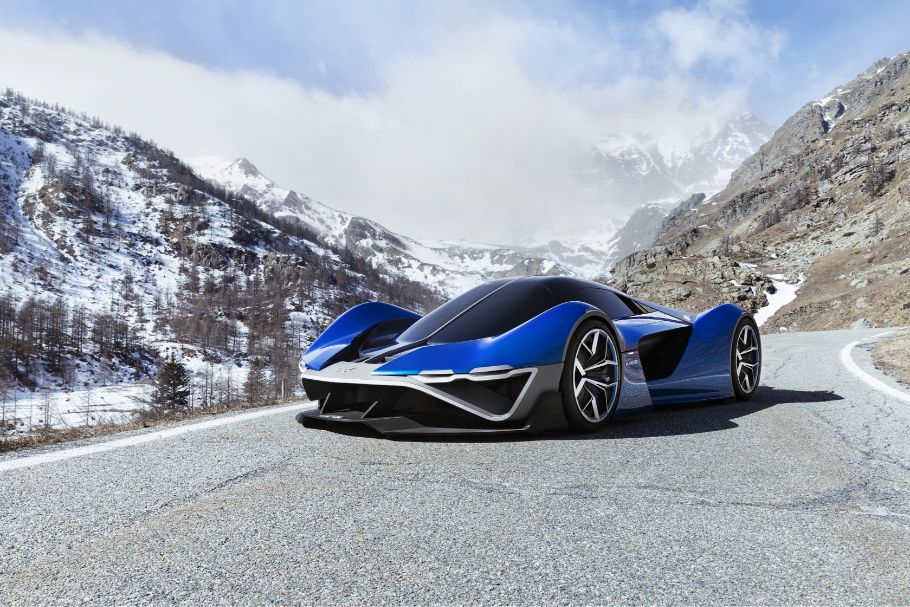
  • A4810 Project by IED

    2022 Alpine A4810 - Front Angle

    Today, twenty-eight Masters students studying Transportation Design at the IED presented their own take on the concept of sportiness with the ‘A4810 Project by IED’: a hydrogen-powered, two-seater supercar based on a brief from the Alpine design team.

    The A4810 is a car that embraces next-generation technologies while also championing the traditional characteristics of the Alpine brand that was founded in 1955. A model that is not only technological advanced but also environmentally friendly, the A4810 provides a glimpse into the future supercars.

    The student-led project is an ideal way for Alpine to broaden its horizons to new generations of designers and drivers, and raise awaremeness of the innovative project presented by talented students.

    AN INNOVATIVE CONCEPT CAR CREATED FOR A SUSTAINABLE FUTURE

    The Alpine A4810 Project by IED (length 5,091mm – width 2,010mm – height 1,055mm – wheelbase 2,717mm) is a two-seater supercar with the experimental combination of  the shape of a berlinette with a hydrogen powertrain. While the engine and fuel tanks are built like those on a typical hypercar, the subtraction process is proof of strong innovation. The design alternates between empty and full spaces, giving the vehicle a lightweight look and aerodynamic features inspired by Formula 1 models. Furthermore, the A4810 Project by IED was tasked with bringing the brand to the cusp of the sports car category.

    The French spirit has been skilfully preserved: while avoiding the pitfalls of unnecessary formal elements, designers focussed on the overlapping layers and sculptural aspects of the car’s silhouette. The bi-tone colours, matte black, and carbon fibre highlights create a bold contrast with each part of the car, making them stand out according to their function: aerodynamic, mechanical, or merely formal.

    The team of students used digital tools to design the interior through sketches, 3D models, renderings, animations, and HMI (Human Machine Interface) development. In incorporating hydrogen power supply, it means that they developed a full-fledged concept that is almost ready to take to the roads of a much more sustainable future, one without emissions.

    AN IED-LED PROJECT IN COLLABORATION WITH ALPINE

    Alpine challenged the students to design a ‘super berlinette’ for the year 2035. The two-seater supercar was designed to be a high-performing vehicle both in terms of performance and environmental impact. After the brief was given last autumn, students worked individually to come up with their own interpretation and present it to the brand. Alpine then selected a combination of the two main ideas. Based on the two selected proposals, the young designers created the ‘A4810 Project by IED’: a light yet powerful and agile concept car that boasts pure driving pleasure. During the design phase, the students sought to combine vision and innovation, without losing sight of the traditional roots of the Alpine brand.

    Furthermore, they chose a name that conveyed the brand’s legacy. In fact, ‘4810’ is the height (in meters) of the Mont Blanc: the highest and most emblematic peak in the Alps that sits at the border between Italy and France, like a bridge connecting IED and Alpine. The brand, Alpine, is named after the very same mountains and evokes the joy of driving along their winding roads.

    Paola Zini, Director of IED Turin, said, “As in previous years, through their most important project, the Masters students have embraced notions of skills transversality and teamwork in a fertile and visionary environment. This is part of the IED DNA and will help prepare students for the challenges the industry will face in the future, and serve as a foundation for their professional success. Alpine’s contribution was one of passion, enthusiasm, and constant presence, and marks another milestone in international collaboration. Furthermore, this was an opportunity for students to work under the guidance of Antony Villain, Alpine Design Director, Raphael Linari, Alpine Chief Designer, and a number IED alumni, whom we had the pleasure of seeing again.”

    Antony Villain, Alpine Design Director, said, “Collaboration with the Istituto Europeo di Design and its students has been a great experience. It was a ‘filter’ for us to see the brand through the eyes of the younger generation, but it was also an opportunity to share our passion and know-how, and give them sound advice for a successful career in automotive design.”

    “The Alpine A4810 project by IED has been a very exciting experience with IED students and lecturers”, added Raphael Linari, Alpine Chief Designer. “The result is a futuristic supercar that explores new territories for the brand in terms of package, proportions, and design language. The different creative approaches of the young talented students combined with IED know-how gave rise to some very interesting responses. Furthermore, the extraordinary final result makes the collaboration a resounding success!”

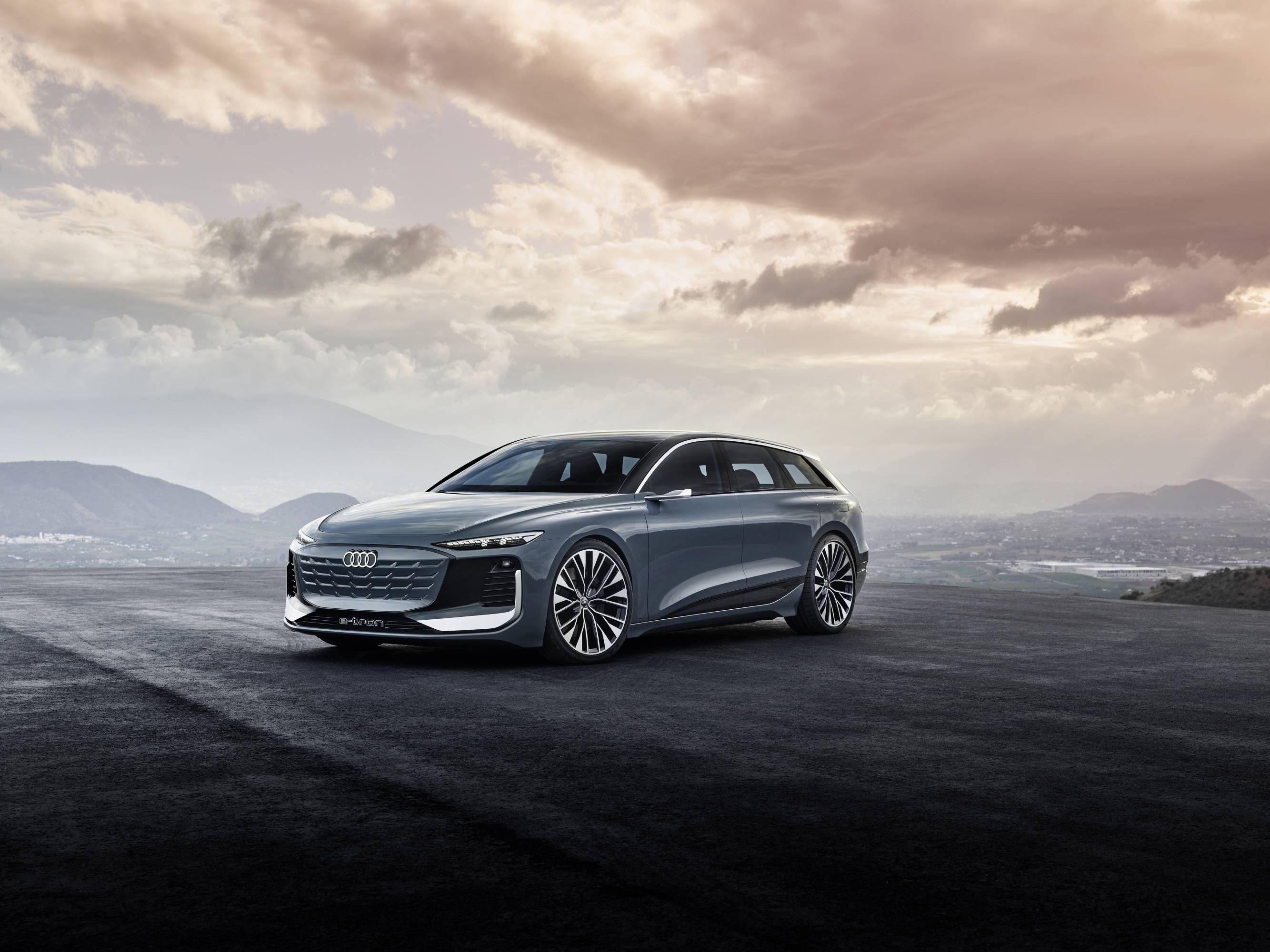
  • The storage champ – Audi A6 Avant e-tron concept

    Audi A6 Avant e-tron concept - Front View

    Audi A6 e-tron concept, the second: as part of its 2022 Annual Media Conference, Audi is presenting the next model in its future electrically-powered A6 Luxury Class: the Avant. The company with the four rings introduced the Audi A6 Sportback with an electric drive system almost a year ago at the Shanghai Auto Show in April 2021. The production-oriented A6 Avant e-tron concept car now illustrates the synthesis of pioneering drive technology and Audi’s traditional design world: the Avant.

    Like the Audi A6 e-tron concept that was exhibited in 2021, the A6 Avant also has an exclusively electric drive system based on the forward-looking PPE platform, developed under Audi’s leadership. At the same time, it represents a new design concept with the same dimensions as the A6 Sportback e-tron. At 4,960mm (16.3 ft.) long, 1,960mm (6.4 ft.) wide, and 1,440mm (4.7 ft.) tall, its proportions put it in the luxury class. Its lines are a consistent development in Audi’s contemporary formal language. Significant elements like the closed Singleframe and the continuous strip of lights in the rear emphasize its kinship with the other electrically powered Audis in the e-tron fleet.

    The Audi A6 Avant e-tron concept exterior model that is making its debut in March 2022 is not just a simple design exercise. Its lines and elegant proportions preview future Audi production models and offer clues about how dynamic and elegant the electrically-powered luxury class will look.

    “With the Audi A6 Avant e-tron concept, we are offering a completely tangible look at future production models on our new PPE technology platform,” says Audi Board Member for Technical Development Oliver Hoffmann. “We’re not just electrifying the Avant’s successful 45-year history. What we want most of all is to use technical skills to add an exclamation point. In particular, this includes powerful 800-volt technology, 270 kW of charging capacity, and a WLTP range of up to 700 kilometres (435 miles).”

    Sporting the A6 emblem, the concept car underscores its place in the brand’s business class. This family has represented the brand in one of the world’s highest-volume segments since 1968 (until 1994, as the Audi 100). There have been Avant models in the series since 1977 – a revolutionary, very emotionally designed reinterpretation of the station wagon class.

    With the Avant, whose dynamic lines combine with a high degree of variability, the company created a new kind of car that has often been copied by the competition. Avant, a term derived from avant-garde and a 1995 Audi ad slogan, is a word that has taken off: beautiful station wagons are called Avant.

    For its part, the PPE technology will ensure that what the car’s lines imply is translated into a standard of dynamic driving performance and everyday suitability befitting use for long drives. That means that, in the future, an Audi A6 e-tron will deliver up to 700 kilometres (435 miles) of range (under the WLTP standard), depending on the drive system and model variant. And the strongest representatives of the series will sprint from 0-62mph in less than four seconds. The values of the Sportback and the Avant only deviate slightly from one another.

    The Audi A6 Avant’s back end, which is as beautiful as it is spacious, is by no means the only thing that qualifies it as the storage champ – the drive system and battery technology also justify that title. With its 800-volt system and a charging capacity of up to 270 kW, it can take in enough energy in just 10 minutes at a fast-charging station to drive about 300 kilometres (186 miles).

    Unmistakable e-tron: the design

    Based on its dimensions, the Audi A6 Avant e-tron concept represents the upscale segments – 4,960mm (16.3 feet) in length, 1,960mm (6.4 feet) in width, and 1,440mm (4.7 feet) tall, the same as the current models in the Audi A6/A7 series. With its dynamic proportions and elegant lines, including the Avant back end typical of the brand, it’s obvious at first glance that this vehicle was conceived in a wind tunnel.

    Aerodynamics has always played a key role in Audi’s long history of success in the luxury class. The cW value of the Audi 100 / C3 – the aerodynamics world champion of all classes in its day – is legendary: with its cW value of 0.30, Audi was already far outperforming its competitors as early as 1982 and continued to do so for many years thereafter.

    Now the electrically-powered family of the Audi A6 e-tron concept is writing a new chapter in this success story, proving once again that the brand always combines form and function in perfect symbiosis. The Sportback’s cW value of just 0.22 is unprecedented in the electrified C-segment. With its expansive roofline, the Avant’s cW value is just 0.02 units above that. In layman’s terms, this means the car exhibits minimal aerodynamic drag – which initially translates into lower energy consumption and therefore extended range. At the same time, the fine-tuning in the wind tunnel has once again resulted in an organic design with exceptional elegance and harmony down to the last detail.

    Large 22-inch wheels and short overhangs, the flat cabin, and a dynamic roof arch give the Avant proportions that are distinctly reminiscent of a sports car. The absence of hard edges results in smooth transitions between convex and concave surfaces throughout the body, as well as in soft shadows. The Audi A6 e-tron concept appears monolithic, as if from a single mould – particularly when viewed from the side.

    The gently backward sloping roof arch with the slanted D-pillar is a typical feature of Audi Avant window design; the D-pillar rises from the stable base of the vehicle’s back end in an especially streamlined manner. The eye-catching quattro wheel arches effectively accentuate the width of the body and are simultaneously integrated organically into the side surfaces.

    The wheel arches are connected by the specially sculpted battery area above the rocker panel, which is highlighted with a black inlay – a design element that is now a hallmark of the Audi brand’s fleet of electric vehicles. Also typical of Audi e-tron models are the sleek, camera-based virtual exterior mirrors at the base of the A-pillar.


    Audi A6 Avant e-tron concept (2022) - Side Angle

    Looking at the front, it is immediately apparent that the Audi A6 e-tron concept is an electric-powered representative of the brand with the four rings. A characteristic feature is the large enclosed Singleframe grille, which is bordered at the bottom by deep air intakes for cooling the drivetrain, battery, and brakes. The flat headlight bezels extend far into the sides of the laterally sweeping front end, underscoring the horizontally aligned architecture of the vehicle body.

    The influence of the wind tunnel on the rear end is unmistakable. The upper rear end is shaped to create an aerodynamically functional and circumferential breakaway edge. The rear spoiler with coloured trim visually emphasizes the elongated, horizontally oriented silhouette of the A6 Avant e-tron concept. It also does important work with airflow to improve aerodynamics.

    And in the lower section, the rear diffuser’s two generously sized air outlets are integrated into the bumper area. These components, which also have coloured trim, channel the air that flows under the vehicle in a manner that reduces turbulence – a perfect combination of reduced aerodynamic drag and minimized lift.

    The showcar’s sporty silhouette is emphasized by its warm shade of grey called Neptune Valley. While the paint has a modern, understated look when it is in the shadows, its full effect opens up in the sun, draping the showcar in shades of softly iridescent gold with its effect pigments.

    Illuminating from every perspective – light technology

    The flat headlights and taillights are slim and flush with the overall composition of the lines. Digital Matrix LED and digital OLED technology make it possible to achieve maximum brightness and a wide range of features even with a minimal surface area, while at the same time offering customizable light signatures. The team of Audi lighting designers and developers has once again done an amazing job – this concept car packs a host of new features and personalization options into its lighting units.

    Three small, high-resolution LED projectors are built into each side of the body, transforming the ground beneath them into a stage when the doors are opened – small, extended, dynamic lighting effects greet the occupants with messages in their own language.

    The combination of safety features and aesthetic design is particularly important to Audi. That’s why the small, high-resolution projectors also display warning symbols on the ground – to warn a bike rider that the car door is about to open, for example.

    Another four high-resolution LED projectors – inconspicuously integrated into the corners of the vehicle – generate turn signal projections. The design of these projections can be modified to address different markets and approval regions as required.

    The Digital Matrix LED front headlights deliver almost cinematic quality. If, for example, the Audi A6 Avant e-tron concept is parked in front of a wall during a break to recharge the battery, the driver and passengers can pass the time playing a video game projected onto it. Instead of on a small screen in the cockpit, they’ll see their current game’s virtual landscapes projected onto the wall in XXL format – and all this via the Digital Matrix LED headlights.

    The rear end of the concept car features a new generation of digital OLED elements that, as a continuous strip of lights, act as a display. They can also be used to create almost unlimited customizable variations of digital light signatures and dynamic lighting displays that can be adapted to the customer’s taste.

    One new feature in the taillights is the three-dimensional architecture of the digital OLED elements, that – adapted to the shape of the body – makes it possible to perfectly integrate the night design into the overall look. This makes it possible to experience the dynamic light show not only in two dimensions – as was previously the case – but with an impressive, 3D spatial effect.

    The combination taillights, like the headlights, meet their developers’ requirements when it comes to the traditional functions of vehicle lighting, namely seeing and being seen – in the front, a clearly and brightly illuminated road with headlights that intelligently adapt to the traffic situation, weather, and surroundings, as well as communicate with other road users. In the rear, the ultrabright, homogeneous, and high-contrast digital OLED combination taillights can particularly and significantly increase the level of safety on the roads of the future.

    In addition, the projections around the vehicle allow its communication range to be extended beyond the vehicle for the first time. With the help of intelligent connectivity in the vehicle, the A6 e-tron concept provides information to other road users with visual signals.

    PPE – high ground clearance and low ride height

    The PPE is designed exclusively for battery-electric drive systems and can therefore take full advantage of all the benefits of this technology. The key element of the future PPE fleet is a battery module between the axles that holds around 100kWh of energy in the Avant version of the A6 e-tron concept. Using the entire vehicle base makes it possible to achieve a relatively flat layout for the battery. This means that it will be possible to use this single platform both for vehicles with high ground clearance and vehicles with a decidedly dynamic, flat architecture – such as the Audi A6 Avant* – without any changes to the basic architecture.

    The battery size and wheelbase of PPE vehicles are scalable, making them suitable for use in different market segments. However, the proportions of a fairly long wheelbase and very short overhangs are something they will all have in common and this, together with the large wheels, results in basic proportions that are simply perfect – and not just in terms of design. This is because the occupants of the future PPE models will also benefit from the long wheelbase, which translates into a longer interior and more legroom in both rows of seats – a key benefit across all segments. In addition, electric vehicles are also generally more spacious thanks to the absence of a transmission tunnel, which is simply not needed due to the technology.

    But even without the transmission tunnel, Audi customers will not have to give up the brand’s trademark quattro drive system. The future range of PPE models will include versions with one electric motor each mounted to the front and rear axles that use electronic coordination to deliver all-wheel drive on demand and achieve a perfect balance between driving dynamics and energy efficiency. In addition, the e-tron family will also include basic versions optimized for minimum consumption and maximum range – in this case, propulsion will come from a single electric motor mounted to the rear axle.

    The Audi A6 Avant e-tron concept’s two electric motors are capable of delivering 350kW (469ps) of total output and 800Nm of torque.

    The front wheels of the Audi A6 e-tron concept are connected via a five-link axle specially optimized for electric vehicles with a multi-link axle in the rear. The concept car features Audi air suspension with adaptive dampers.

    A6 Avant e-tron – the storage champ

    The heart of the Audi A6 Avant e-tron concept’s drive technology – and that of all future PPE models – will be the 800-volt charging technology. Like the Audi e-tron GT quattro* before it, this ensures that the battery can be charged with up to 270kW in a very short time at fast-charging stations. This revolutionary technology will enter the high-volume mid-range and luxury segments with the PPE for the very first time.

    Thus, the A6 Avant will become the storage champ in a double sense – not only because of its spacious back end. The PPE technology enables charging times that come close to a conventional stop to refuel a car powered by a combustion engine. Just 10 minutes is enough time to charge the battery to a level sufficient to power the car for more than 300 kilometres (186 miles). And in less than 25 minutes, you can charge the Audi A6 Avant e-tron concept’s 100kWh battery from 5 to 80 percent.

    Together with a range of up to 700 kilometres (435 miles) – depending on the selected drive system and power output – the models in the Audi A6 e-tron family are uncompromisingly suitable for long trips. Furthermore, their range and charging speed keep pace with those of combustion engines, making them perfect universal cars for everyday needs, from short trips to the store to longer road trips when going on vacation.

    In terms of dynamic qualities, the Audi A6 e-tron concept – as is typical for an electric car – truly outshines its rivals with combustion engines. Thanks to its high torque right from the first revolution, even entry-level models designed for efficiency will accelerate from 0-62mph in less than seven seconds. And in the top-of-the-line, high-performance models, this sprint can even be reduced to well under four seconds.

    PPE – versatile, variable, electric

    2018 saw the debut of Audi’s first fully electric production vehicle – the Audi e-tron*. Since then the brand has systematically and rapidly pushed ahead with the widespread introduction of electric mobility across its entire product range. Following the Audi e-tron* SUV and e-tron Sportback*, the highly dynamic e-tron GT quattro* – based on a new technology platform developed jointly with Porsche AG – made its debut in February 2021. And just two months later, the Audi Q4 e-tron* and Q4 Sportback e-tron* premiered – two extremely unique SUVs in the compact segment with a common technological platform, the Volkswagen Group’s MEB.

    The Audi A6 e-tron Sportback and Avant concept cars are now the first members of a family of vehicles – initially in the C-segment and later also in the B- and D-segments – to be based on another innovative technology platform: the Premium Platform Electric, or PPE for short. This modular system is being developed under Audi’s leadership together with Porsche AG. The first Audi production vehicles built on the PPE platform will be successively unveiled starting in 2023.

    The PPE is the first platform designed to accommodate an unprecedented range of high-volume automobiles – including SUVs and CUVs with high ground clearance as well as cars with a low ride height that are part of Audi’s core product range, such as the Audi A6 series. But there are also plans to expand the PPE range into the B-segment, which has been the highest-volume market segment for Audi for decades. And even when it comes to the top-of-the-line D-segment, the PPE is an excellent technological platform to build on.

    With the PPE, electric vehicles will now also be attractive to customers who prefer automobile concepts beyond the SUV segment – like an Avant, for example, which is characteristic of the brand.

    As a result, Audi can effectively expand the range of electric vehicles in its portfolio – via the high-volume B- and C-segments. In addition, economies of scale will allow luxury-class technology and different model versions to be incorporated into a wide-ranging lineup of models that is unrivalled in the premium market.

  • Aston Martin V12 Vantage: a spectacular finale for an iconic bloodline

    Aston Martin V12 Vantage - front view

    For fifteen years the V12 Vantage has boldly represented Aston Martin’s passion for performance. Fast and fierce in equal measure, successive iterations of these great cars have formed an iconic bloodline. One built around the premise of fitting the most compact and driver-focussed model with the largest and most potent series production engine. With this unique lineage nearing its end, Aston Martin is proud to introduce the fastest, fiercest and most dynamically accomplished of them all; the new V12 Vantage.

    With production of the V12 Vantage strictly limited to 333 examples globally, this final edition celebrates the end of an epic era in fitting style. The ultimate expression of extreme performance and driver-focussed thrills, this remarkable machine mixes blistering straight-line speed and scintillating handling with spectacular looks and enviable exclusivity: An extremely enticing proposition.

    So enticing, that since V12 Vantage was confirmed in December last year, Aston Martin have seen unprecedented demand for this future icon with all examples sold ahead of release and an oversubscribed register of interest eagerly waiting in the wings.

    Aston Martin Chief Executive Officer, Tobias Moers, said of the V12 Vantage: “Every great sportscar brand has a hero car. For Aston Martin in more recent years that car has been the V12 Vantage. Right from the moment the first V12 Vantage RS Concept was shown back in 2007 our customers and fans around the world fell in love with the idea of fitting our biggest engine into our smallest and most sporting model. The recipe has been refined over the years with great success, but the essence has remained the same. Now it is time to bring this bloodline to a close, fittingly with the most spectacular example yet – the fastest, most powerful and most dynamically capable V12 Vantage ever. A celebration of its forebears and an embodiment of Aston Martin’s intensifying focus on driving dynamics, it ensures the V12 Vantage goes out on the highest of highs”.

    https://www.youtube.com/watch?v=nBD7GElTOOw

    The engine is the heart of every Aston Martin, but never more so than in this, the fastest and most powerful Vantage ever built. Developing 700PS at 6500 rpm and 753Nm of torque from just 1800rpm to 6000rpm, the quad-cam 60-deg 5.2-litre V12 offers an intoxicating combination of magnificent low and mid-range muscularity with searing top-end power. With a top speed of 200mph, V12 Vantage reaches to 0-60 in just 3.4 seconds. Thanks to the propulsive efforts of this magnificent powerplant – and extensive use of weight-saving materials throughout the car – the V12 Vantage has a power-to-weight ratio of 390PS-per-ton; an increase of more than 20% compared to the V8 powered Vantage.

    These weight saving measures include carbon fibre front bumper, clamshell bonnet, front fenders and side sills, composite rear bumper and deck lid, lightweight battery and a special centre-mounted twin-exit exhaust system. Tuned to ensure the V12 Vantage has a voice to match its looks and performance, this new exhaust system is made from lightweight 1mm stainless-steel, saving some 7.2kg compared with the system fitted to the Vantage.

    The power is fed through a ZF 8-speed automatic transmission and mechanical Limited-Slip Differential (LSD) mounted at the rear of the car. The V12 Vantage receives a unique transmission calibration to enhance shift speeds and driver interaction, with learnings taken from the V12 Speedster and Vantage F1® Edition models. This specially calibrated software delivers a level of shift refinement and usability which is beyond that seen on dual clutch gearboxes. The transmission’s adaptive software is designed to gauge the conditions the car is operating in, along with the demands the driver is making, to ensure the car is in exactly the right gear at the right time providing a truly connected driving experience.

    Like its celebrated forebears the new V12 Vantage is focused on delivering a dynamic driving experience that compliments its unmistakable engine performance and character, while ensuring the driver truly remains at the centre of the driving experience. To achieve this, the car is equipped with a new adaptive damping suspension system including new anti-roll bars, bushes, and spring and damper assemblies.

    Suspension spring rates have been increased by 50% at the front and 40% at the rear, combined with top mount stiffness increasing by 13% and new anti-roll bars are 5% stiffer at the front and 41% softer at the rear.  To maintain comfort for the driver, a secondary tender spring has been introduced to the rear. The tender spring provides a lower spring rate than the main spring providing enhanced ride comfort without affecting dynamic performance.

    Body stiffness is increased with additional front and rear sheer panels, a rear suspension tower strut brace and fuel tank bracing, increasing body stiffness (kNm/Deg) by 8% and lateral stiffness (kNm/mm) by 6.7%, giving the optimum platform stiffness for driving dynamics.

    These changes are also supported by a new steering calibration, improving steering feel and delivering a sharper response – and in turn, an enhanced driver experience.

    For stopping power that’s more than a match for its performance, the V12 Vantage features a Carbon Ceramic Braking (CCB) system as standard – At the front 410mm x 38mm discs with 6-piston calipers, while at the rear 360mm x 32mm discs are paired with 4-piston calipers.

    Offering increased braking performance and significant reduction in un-sprung mass, these CCB discs maintain consistent braking performance at high temperatures and have been engineered to resist brake fade at temperatures up to 800 degrees, helping the V12 Vantage unleash its full performance potential while giving the driver maximum confidence and precise control.

    This CCB technology also saves 23kg of weight when compared to steel brakes. Moreover, as this mass is unsprung, the weight savings further contribute to the V12 Vantage’s ride quality and dynamic handling character.

    Completing the V12 Vantage dynamic package are a choice of two new designs of 21in alloy wheels offered in satin black or satin black diamond turned, plus an optional lightweight option available in Satin Black, which saves a further 8kg.  Further scope to complement or match the colour of the diamond turned highlights to that of the body or graphics package is available via the Q by Aston Martin bespoke service. Michelin Pilot 4S high performance tyres – 275/35 R21 front and 315/30 R21 at the rear – are standard fitment on all rims.

    Such an uncompromising pursuit of performance and driving pleasure demands an equally uncompromising aesthetic. To this end the V12 Vantage boasts a jaw-dropping physique thanks to a bodywork widened by some 40mm new to accommodate a wide track chassis optimised for cornering performance and stability. Employing extensive use of carbon fibre, this new widebody design also features a dramatic aerodynamic package.

    While spectacular from any angle, it is when viewed from the front that the V12 Vantage is at its most dramatic. Perfectly complimenting a new front bumper design, a full width front splitter generates additional downforce and aerodynamic balance as well as perfecting the ground-skimming stance.

    To provide increased air flow through the engine cooling radiators the front grille is 25% larger. In addition, a distinct ‘horse shoe’ design engine vent has been integrated into the bonnet, enhancing cooling and echoing the design character of the magnificent Vantage GT12, Aston Martin’s road-going tribute to the legendary V12 Vantage GT3 racer. The assertive design continues along the side profile with a new sculpted single-piece sill also inspired by motorsport and reminiscent of previous V12 Vantage models.

    At the rear a new and unique bumper with integrated diffuser maintains aerodynamic balance from front to rear. The centre piece of this new design is the lightweight centre mounted, twin tailpipe, exhaust system. Completing this nose-to-tail transformation is a dramatic rear wing which contributes to a maximum downforce of 204kg at top speed and further enhances the V12 Vantage’s unmistakable visual impact. For a more subtle styling with a sleeker silhouette, the option to delete the rear wing is available.  Yet in either configuration, extensive work to the underbody ensures aerodynamic balance is maintained, delivering high speed stability and ultimate performance.

    Maximising the driving experience with the iconic V12 soundtrack, V12 Vantage comes with an open rear load space also placing the new rear suspension strut brace on display.

    Moving to the interior, the V12 Vantage retains the instantly recognisable layout of the current Vantage, whilst signifying its halo positioning with a Sports Plus Seat trimmed in full semi-aniline leather featuring ‘Wings’ quilt and perforation pattern as standard.

    There is also a new carbon fibre performance seat with exposed twill carbon fibre shell and manual 6-way adjustment available as an option, offering a supportive seat design for those enhanced driving dynamics and a distinct design character. This is an Aston Martin patented design inspired by motorsport, optimised to save 7.3kg without compromising comfort.

    Further enhancing the dramatic styling both outside and inside, every V12 Vantage can be individually tailored through the marque’s bespoke personalisation service, Q by Aston Martin. Offering a variety of unique options, customers can create a true one-of-a-kind specification.

    Striking exterior graphics and liveries are available to select in a range of colourways, as well as a selection of coloured brake callipers and painted wheel finishes. In a way to make the exposed Carbon Fibre elements even more unique, the Q by Aston Martin: Commission service also offers a range of tinted lacquers, helping accentuate the craftsmanship behind the hand-laid carbon fibre panels. The tints change appearance under different lighting conditions; parked in a dark street or under faded light, they appear subtle and understated, but placed under a brighter light, the tint transforms the car with a jewel-like glisten.

    Options are equally distinctive inside the car. Woven leather or Alcantara seat inserts, trim inlays and the anodised rotary dials found in the centre console can coloured in a way to match or contrast with the exterior body or graphic colour, providing a more subtle injection of colour inside the cabin. With so many design combinations available, it would not be a surprise to see no two cars the same.

    Marco Mattiacci, Aston Martin Global Chief Brand and Commercial Officer, adds: “At Aston Martin we build cars, but we sell dreams. That is the magic of this brand. Only a select number of customers around the world can buy the V12 Vantage, yet like all our iconic models, its significance extends far beyond its exclusivity. What’s more, such is the level of bespoke personalisation available via Q by Aston Martin even a car as rare as the V12 Vantage can be made to a specification completely unique to its owner”.

    Production of the V12 Vantage – the order book for which is already closed due to unprecedented demand – is due to commence in Q1 of 2022, with first deliveries scheduled to begin during Q2 2022.

  • Prodrive Hunter – the world’s first all-terrain hypercar

    2023 Prodrive Hunter

    Prodrive has revealed the Hunter, a 600 bhp, four-wheel drive all-terrain adventure vehicle with an unrivalled ability and performance across any landscape.

    Born out of the Bahrain Raid Xtreme competition car driven by nine-time World Champion, Sebastien Loeb, to compete on the toughest motorsport race in the world the Dakar, it thrives in desert sand, dunes and rough mountain tracks. Indeed, this Hunter is even more extreme than that driven by Loeb, with a 50% increase in power from the 3.5 litre V6 twin turbo engine and more suspension travel to absorb the harshest of terrain.

    But while the car is even faster and more capable than the race car, it is also more refined.  Ian Callum, who styled the exterior of the original competition car, has returned to the project to create a new interior more in keeping with every day use than racing. A digital display gives the driver all the important information they need, while the centre console houses the more traditional controls found on a road car.

    The Hunter is the product of over 40 years of successful off-road competition at Prodrive whose chairman, David Richards, said: “There are numerous hypercars on the market, however they all need good roads or even race tracks to show their performance. We identified that in certain parts of the world, particularly the Middle East, there are vast expanses still to be explored that go way beyond the access provided by asphalt roads. Therefore why not create a vehicle that gives the opportunity to explore these regions with performance way beyond that offered by any off-road vehicle before.”

    The Hunter retains the Dakar competition car’s engine, drivetrain and suspension, but to improve driveability, the manual sequential gear box has been replaced by a six-speed paddle shift, giving a smooth gear change in just milliseconds.

    As the hypercar does not have to comply with strict competition regulations power has been increased by more than 50%. The 3.5 litre twin turbo V6 has been refined and retuned on Prodrive’s advanced transient dyno in Banbury, UK to produce over 600 bhp and 700 Nm of torque while making its power delivery smoother and easier to drive.

    Prodrive estimates that this would give it a 0-100 kph time in less than four seconds and a top speed of nearly 300 kph, however the vehicle is fitted with bespoke 35” off-road tyres designed to optimise grip over rough terrain and sand rather than on tarmac.

    Richards said: “We took the deliberate decision to keep the Hunter Hypercar as close to the original as possible. It’s about giving owners the opportunity to experience what it is like to drive Loeb’s Dakar car across the desert, but with all the comforts of a road car and the ability to drive it from your home, through a city, to any destination of your choice.”

    The whole car is built around a high tensile steel space frame chassis, giving both a rigid platform to optimise the suspension geometry and performance and an FIA standard safety cage to protect the occupants.

    The all-round double wishbone suspension with twin adjustable dampers on each corner has 400mm of travel – an increase from 350mm on the competition car – to give a smoother ride and even greater ability to cross the roughest terrain at speeds unimaginable in any other vehicle. Six pot racing brake calipers and vented discs all round give it plenty of stopping power both on and off-road.

    The whole vehicle has been designed to minimise overall weight and optimise the weight distribution and centre of gravity. All the bodywork is made from lightweight carbon composite, which includes recycled materials produced by Prodrive Composites.

    Richards said: “The first development vehicle is currently touring the Middle East where  customers are being offered the opportunity of driving the Hunter and confirming their personal specification for production vehicles to be delivered later this year.”

    SPECIFICATION

    ENGINE

    • Front-mid 3.5 litre V6 twin turbo
    • Single plenum/throttle
    • Dry sump
    • Power over 600 bhp
    • Torque 700 Nm

    TRANSMISSION

    • 4 wheel drive
    • Six-speed paddle shift gearbox
    • Front, centre and rear differentials

    CHASSIS

    • High strength steel tubular structure
    • Carbon fibre composite bodywork including recycled materials

    SUSPENSION

    • Double wishbone
    • Two adjustable dampers per wheel

    INTERIOR

    • Carbon fibre seats
    • Six-point safety harness
    • Dual fire extinguisher system
    • Lightweight lithium-ion battery

    FUEL SYSTEM

    • 480 litre in safety cell

    BRAKES

    • Six pot calipers front & rear
    • Vented discs

    WHEEL & TYRES

    • 8.5J x 172 forged aluminium rims
    • 35/12.5-17 off road tyres

    PRICE

    • £1.25m plus local taxes